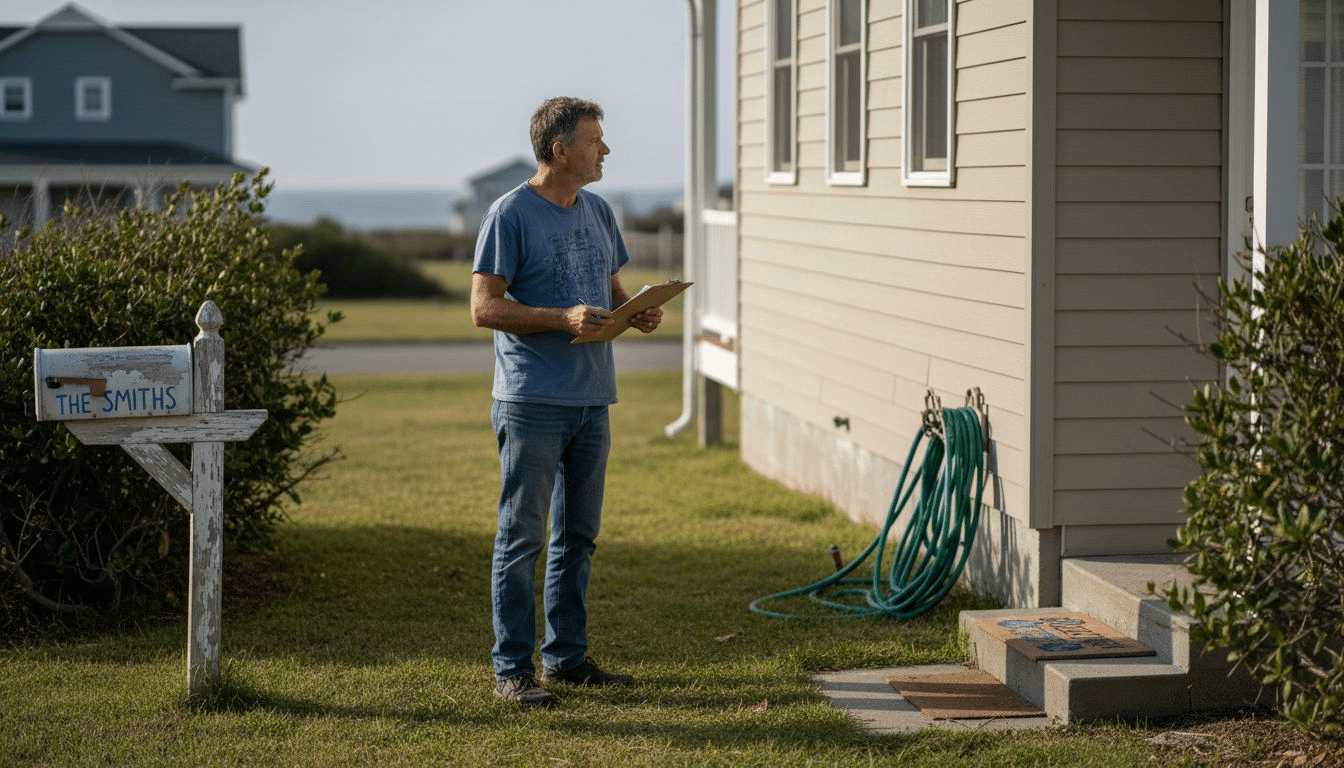
Protecting your Corpus Christi home from relentless storms, salt air, and sweltering heat begins with choosing the right exterior siding. Homeowners in coastal Texas know the struggle of battling weather extremes that threaten structural integrity and drive up energy bills. Understanding the truth behind popular siding myths and focusing on weather-resistant materials and energy-efficient solutions can make all the difference in keeping your property safe, comfortable, and looking its best year-round.
Table of Contents
- Exterior Siding Explained And Common Myths
- Siding Types And Climate-Resilient Materials
- Energy Efficiency And Insulation Benefits
- Weather Protection For Coastal Texas Homes
- Cost, Maintenance, And What To Avoid
Key Takeaways
| Point | Details |
|---|---|
| Understanding Siding’s Role | Exterior siding is essential for weatherproofing homes, protecting structural integrity, and contributing to energy efficiency. |
| Material Selection Matters | Choosing appropriate siding materials based on climate challenges in coastal Texas can enhance durability and reduce maintenance needs. |
| Energy Efficiency Benefits | Strategic siding choices improve home insulation, stabilize temperatures, and can lead to significant energy cost savings. |
| Cost Considerations | Homeowners should be mindful of both upfront installation costs and long-term maintenance to avoid expensive mistakes. |
Exterior siding explained and common myths
Exterior siding serves as the critical protective shield for homes in coastal regions like Corpus Christi, defending against harsh weather conditions and environmental challenges. Understanding this essential home component requires separating facts from fiction. Protective wall cladding) is more than just a decorative element – it’s a complex system designed to safeguard your most significant investment.
Homeowners often misunderstand the fundamental purpose and performance of exterior siding. At its core, siding does three crucial things:
- Provides a weatherproof barrier against moisture
- Protects structural integrity from environmental damage
- Contributes to overall home insulation and energy efficiency
Common myths about exterior siding can lead homeowners to make costly mistakes. Many believe that all siding materials perform identically, but this couldn’t be further from the truth. Wood siding, for instance, offers aesthetic appeal but requires significantly more maintenance compared to modern alternatives. Wood siding types range from traditional clapboard to contemporary engineered wood, each with distinct performance characteristics.
Materials matter dramatically in siding selection. Coastal Texas homes face unique challenges like intense sunlight, high humidity, and potential hurricane-force winds. Choosing the right siding isn’t just about appearance – it’s about resilience. Different materials offer varying levels of protection, durability, and energy efficiency.
Key siding performance factors include:
- Wind resistance ratings
- Moisture barrier capabilities
- Insulation properties
- Maintenance requirements
- Expected lifespan
- Cost of installation and long-term upkeep
Pro tip: Always consult local exterior specialists who understand the specific environmental challenges of coastal Texas when selecting your home’s siding material.
Siding types and climate-resilient materials
In coastal Texas regions like Corpus Christi, selecting the right exterior siding is more than an aesthetic choice – it’s a critical defense against extreme weather conditions. Climate-resilient home design demands strategic material selection that can withstand intense environmental challenges.
Modern siding materials offer multiple options for homeowners seeking durability and protection:
- Fiber cement: Highly resistant to moisture and temperature fluctuations
- Treated wood: Enhanced durability with proper maintenance
- Composite materials: Engineered for maximum weather resistance
- Vinyl: Cost-effective and low-maintenance option
- Engineered wood: Balanced performance between traditional and modern materials
Each siding material presents unique advantages tailored to specific environmental demands. Climate-resilient building strategies emphasize selecting materials that can effectively manage moisture, resist wind damage, and maintain structural integrity under extreme conditions.
Specifically for coastal Texas homes, siding selection requires careful consideration of several critical factors:
- Wind resistance ratings
- Salt air and humidity tolerance
- UV radiation protection
- Impact resistance
- Thermal expansion properties
- Long-term maintenance requirements
Coastal environments demand specialized siding solutions that go beyond standard residential requirements. Materials must withstand rapid temperature changes, high humidity, potential storm surge, and intense solar radiation.
Here’s a comparison of popular siding materials for coastal Texas homes:
| Siding Material | Weather Protection | Maintenance Needs | Estimated Lifespan |
|---|---|---|---|
| Fiber Cement | Excellent moisture, UV | Low, periodic cleaning | 30+ years |
| Treated Wood | Moderate, needs upkeep | Annual sealing, repairs | 15-25 years |
| Composite | High wind resistance | Minimal, easy repairs | 25-35 years |
| Vinyl | Good salt, UV defense | Occasional washing | 20-30 years |
| Engineered Wood | Balanced performance | Regular inspections | 20-30 years |
Pro tip: Invest in professional consultation to match your specific coastal home’s siding needs with the most appropriate climate-resilient materials.
Energy efficiency and insulation benefits
Homeowners in coastal Texas can significantly reduce energy costs by understanding how exterior siding plays a crucial role in home insulation. Proper insulation techniques are fundamental to maintaining comfortable indoor temperatures and minimizing energy consumption.
Key energy efficiency benefits of strategic siding selection include:
- Reduced heat transfer between indoor and outdoor environments
- Lower monthly heating and cooling expenses
- Improved home comfort and temperature stability
- Enhanced greenhouse gas reduction
- Increased property value
R-value is the critical measurement for understanding insulation performance. Higher R-values indicate better thermal resistance, which means more effective temperature regulation and energy savings. Energy-efficient siding materials like insulated vinyl and fiber cement provide substantial improvements in home energy performance.
Modern siding solutions offer advanced thermal management features:
- Advanced air sealing capabilities
- Reflective surface technologies
- Integrated insulation layers
- Moisture resistance
- Temperature fluctuation mitigation
Coastal homes face unique thermal challenges that require specialized siding approaches. The combination of intense sunlight, high humidity, and temperature variations demands innovative insulation strategies that go beyond traditional home protection methods.
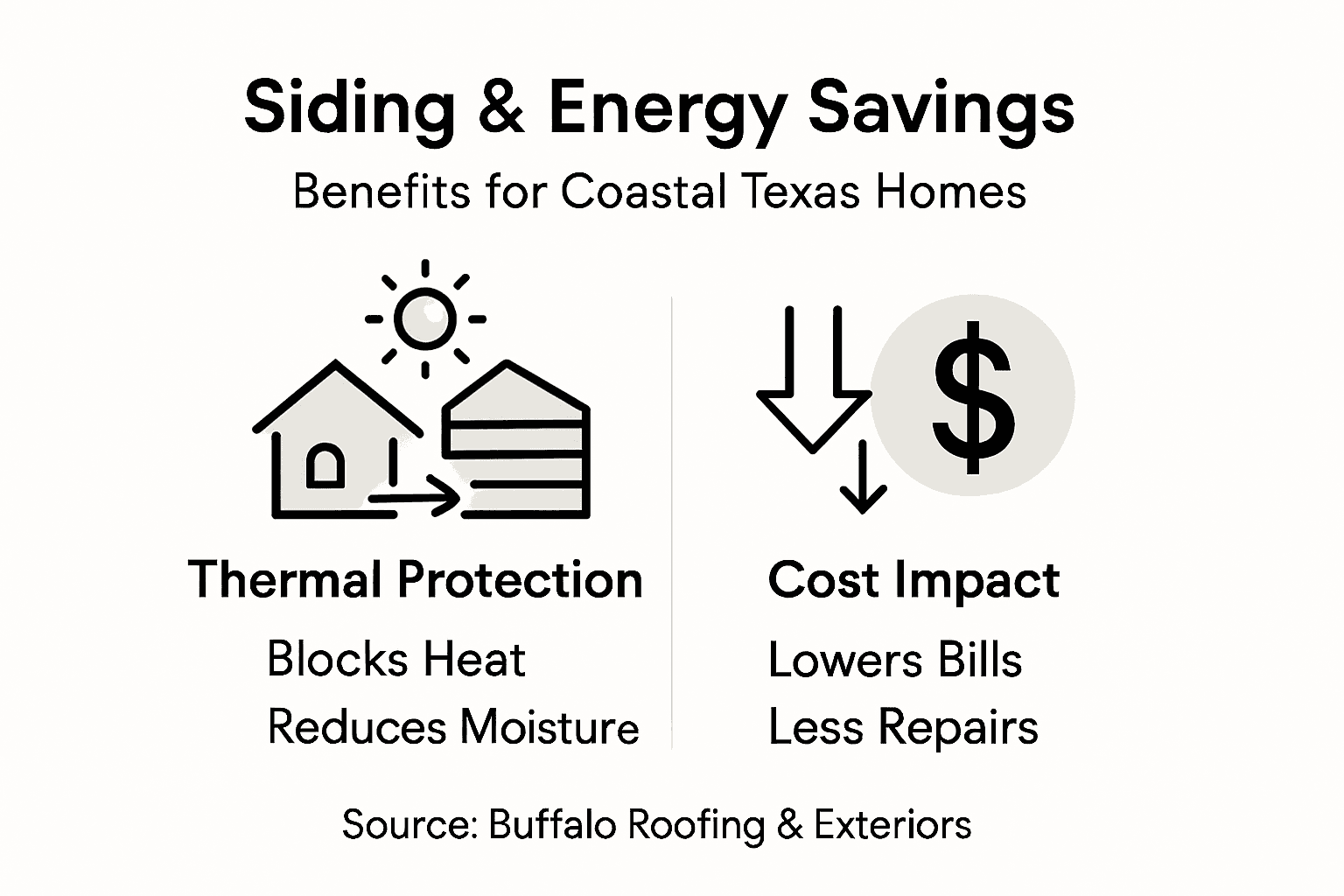
This summary shows how strategic siding choices improve energy efficiency:
| Factor | Impact on Home Comfort | Potential Energy Savings |
|---|---|---|
| Insulation Layer | Stabilizes indoor temperature | Reduces heating/cooling costs |
| Reflective Surface | Minimizes solar heat gain | Lowers air conditioning usage |
| Air Sealing | Prevents drafts and leaks | Improves overall efficiency |
Pro tip: Consult with local energy efficiency experts to perform a comprehensive home energy audit and identify the most effective siding insulation approach for your specific coastal environment.
Weather protection for coastal Texas homes
Coastal Texas homeowners face unique environmental challenges that demand specialized exterior siding solutions. Texas shoreline research highlights the critical importance of selecting materials that can withstand constant moisture, wind exposure, and salt-laden air.
Key weather protection considerations for coastal homes include:
- Resistance to wind-driven rain
- Salt air corrosion prevention
- Moisture barrier capabilities
- Structural integrity under extreme conditions
- UV radiation durability
- Rapid temperature change tolerance
Effective weather protection goes beyond surface-level defense. Coastal home waterproofing techniques emphasize the importance of multiple protective layers, including advanced flashing and moisture barriers that prevent water infiltration and potential structural damage.
The most resilient coastal home siding solutions incorporate several critical defensive strategies:
- Multi-layer moisture protection systems
- Enhanced wind resistance engineering
- Specialized sealant technologies
- Corrosion-resistant material compositions
- Flexible thermal expansion capabilities
Coastal environmental dynamics constantly challenge home exteriors. From hurricane-force winds to persistent salt spray and intense UV exposure, Texas coastal homes require extraordinary protection that standard siding materials cannot provide.
Pro tip: Conduct annual professional inspections to identify and address potential vulnerabilities in your home’s exterior siding before they become costly repair issues.
Cost, maintenance, and what to avoid
Understanding the financial implications of exterior siding is crucial for coastal Texas homeowners. Siding installation costs typically range between $16,000 and $19,000, with significant variations depending on material selection and home size.
Cost considerations for different siding materials include:
- Initial installation expenses
- Long-term maintenance requirements
- Durability and expected lifespan
- Energy efficiency potential
- Repair and replacement costs
- Aesthetic value and home appreciation
Some critical mistakes homeowners should avoid when selecting and maintaining siding:
- Choosing lowest-cost materials without considering performance
- Neglecting regular professional inspections
- Delaying minor repairs
- Ignoring manufacturer’s maintenance recommendations
- Failing to address moisture or damage signs quickly
Wood siding maintenance requires particularly careful attention. Wood siding preservation techniques emphasize the importance of periodic cleaning, UV protective coatings, and proactive damage prevention to ensure longevity and performance.
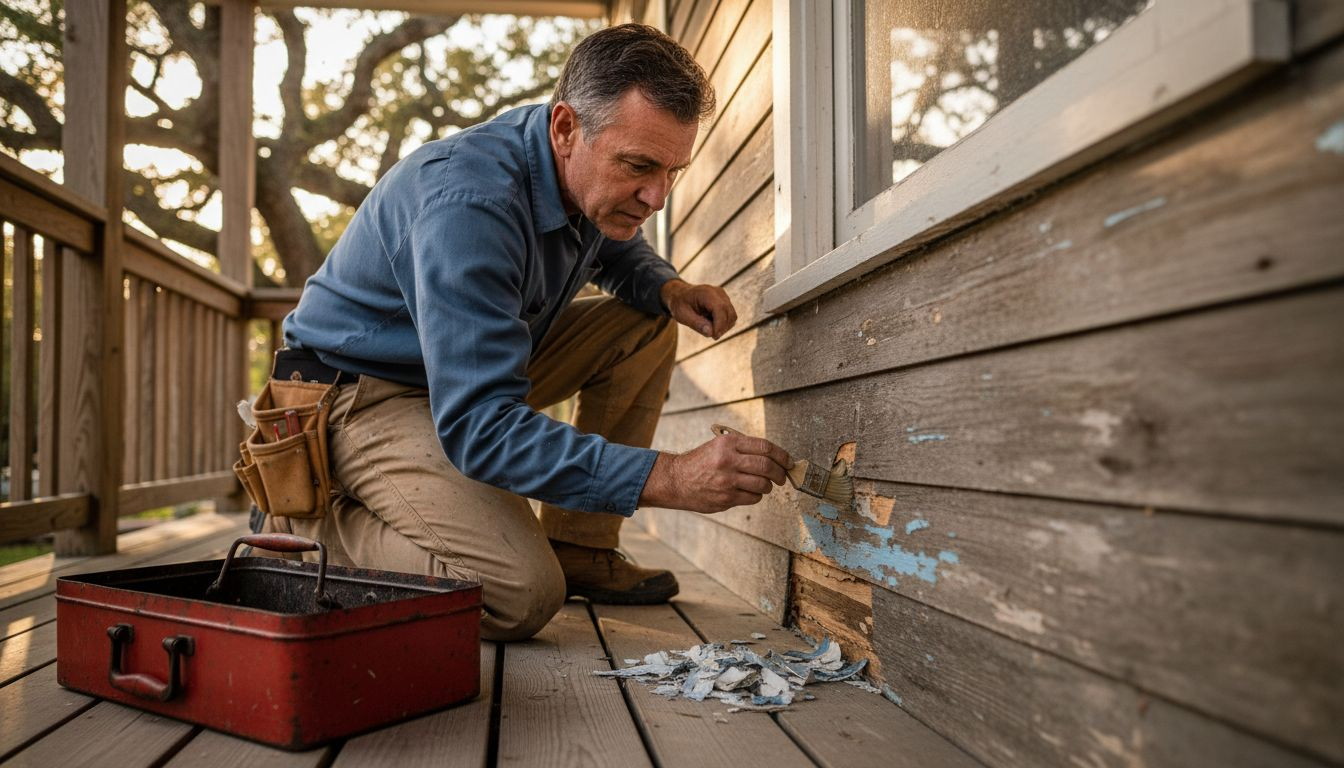
Coastal environments demand strategic maintenance approaches. The combination of salt air, intense sunlight, and potential storm damage means homeowners must be more vigilant about their exterior protection strategies.
Pro tip: Budget for annual professional siding inspections and maintenance, which can save thousands in potential repair and replacement costs over your home’s lifetime.
Strengthen Your Home’s Defense with Expert Siding Solutions
Protecting your Corpus Christi home against harsh coastal weather while reducing energy costs is essential. Understanding the importance of weatherproof barriers, insulation benefits, and durable materials helps you avoid common siding mistakes and costly repairs. At Buffalo Roofing & Exteriors, we specialize in providing high-quality, climate-resilient siding tailored for coastal Texas homes that withstand wind, salt air, and UV exposure.
Explore our Siding Archives | Buffalo Roofing & Exteriors to discover durable options designed to protect your home. Don’t wait for damage to appear. Contact us today at Buffalo Roofing & Exteriors for a free estimate and secure your investment with professional installation and reliable maintenance solutions. Ensure your home stays safe and efficient throughout every season.
Frequently Asked Questions
What are the main functions of exterior siding?
Exterior siding serves as a weatherproof barrier against moisture, protects the structural integrity of the home from environmental damage, and contributes to overall insulation and energy efficiency.
How can I choose the right siding material for my home?
Consider factors such as wind resistance ratings, moisture barrier capabilities, insulation properties, maintenance requirements, and the expected lifespan of the siding materials to ensure protection against local environmental challenges.
What are the energy efficiency benefits of selecting the right siding?
Higher-quality siding materials can significantly reduce heat transfer, lower monthly heating and cooling expenses, and improve overall home comfort by stabilizing indoor temperatures.
What common mistakes should homeowners avoid when selecting and maintaining siding?
Homeowners should avoid choosing low-cost materials without considering performance, neglecting regular professional inspections, delaying minor repairs, ignoring maintenance recommendations, and failing to address signs of moisture or damage promptly.
Recommended
- Signs Your Home Needs New Siding | Buffalo Roofing & Exteriors | San Antonio to Corpus Christi, TX
- What Is Siding Replacement and Why It Matters
- Damaged Siding Replacement – Protecting Coastal Texas Homes
- Siding | Buffalo Roofing & Exteriors | San Antonio to Corpus Christi, TX
- Roofing Company Corpus Christi TX