After a major storm disrupts daily life in Corpus Christi, the aftermath can leave homeowners facing scattered debris, compromised roofs, and uncertain futures. Quick and careful action is necessary for safeguarding your property and ensuring a smooth recovery. This guide offers practical steps for a thorough storm damage inspection, helps you document issues for insurance, and connects you with trusted restoration experts who understand the unique needs of families along the Texas coast.
Table of Contents
- Step 1: Inspect Affected Areas For Storm Damage
- Step 2: Document Damage For Insurance Claims
- Step 3: Secure Property To Prevent Further Issues
- Step 4: Consult Restoration Experts For Repairs
- Step 5: Verify Completed Restoration Meets Quality Standards
Quick Summary
| Key Point | Explanation |
|---|---|
| 1. Conduct a thorough damage inspection | Carefully inspect your property after a storm for any visible damage to initiate repairs. |
| 2. Document damage meticulously | Take detailed photographs and maintain a written log to support your insurance claims. |
| 3. Secure property from further damage | Perform immediate temporary repairs to prevent water intrusion and structural deterioration. |
| 4. Engage qualified restoration experts | Hire professionals with storm damage experience to ensure comprehensive recovery efforts. |
| 5. Verify quality of completed repairs | Conduct a thorough final inspection to confirm all repairs meet quality standards. |
Step 1: Inspect affected areas for storm damage
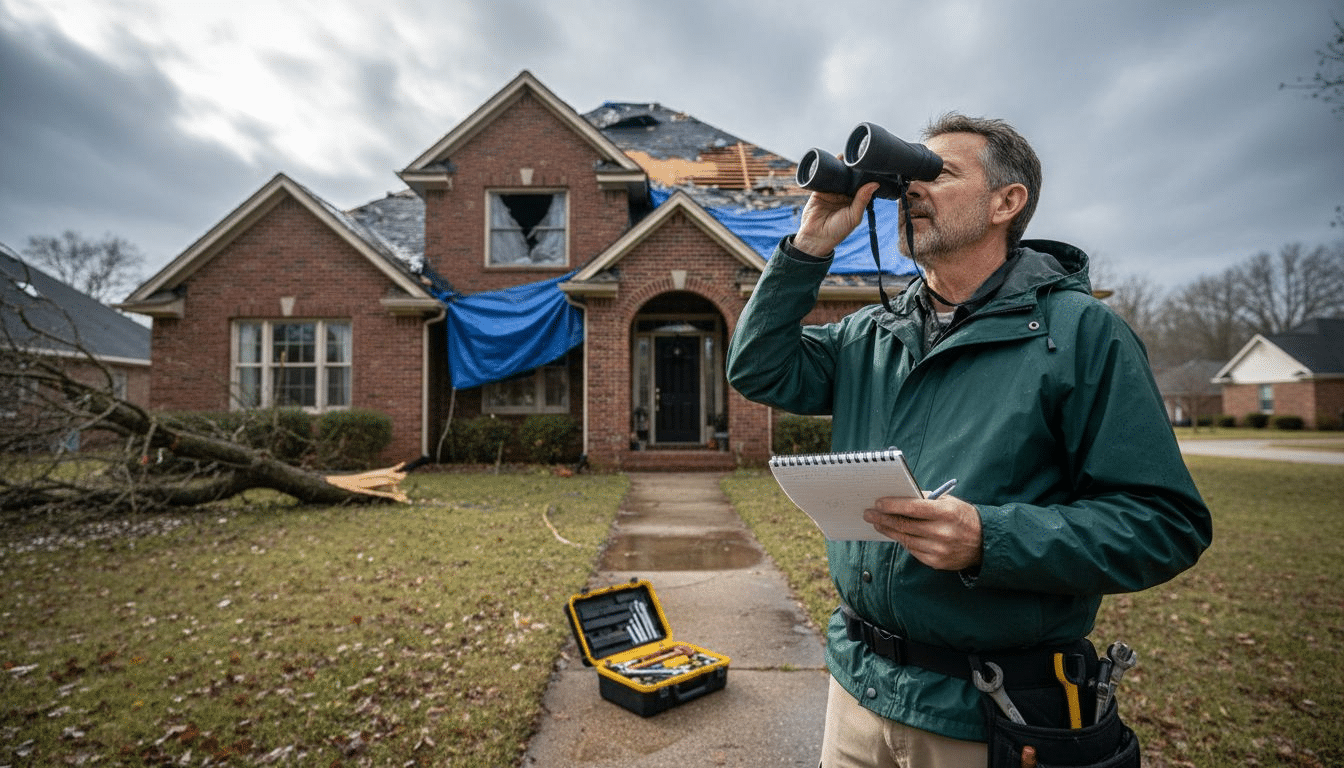
After a severe storm hits the Texas coast, conducting a thorough damage inspection is crucial for protecting your property and initiating the restoration process. Your goal is to systematically assess potential damage while prioritizing personal safety.
Begin by examining your property’s exterior carefully. Walk around your home and look for visible signs of storm damage, such as:
- Dented or missing roof shingles
- Broken or hanging gutters
- Cracked or damaged siding
- Fallen tree limbs near your home
- Visible water stains or moisture intrusion
When documenting damage, take detailed photographs from multiple angles. These images are critical for insurance damage assessment and potential future claims. The National Centers for Environmental Information recommends maintaining a comprehensive record of all observable storm impacts.
Prioritize safety: Never inspect damage during active severe weather conditions or if structural integrity seems compromised.
Carefully check your roof from ground level using binoculars to prevent risky climbing. Look for signs of wind damage, displaced shingles, or potential punctures. If you notice significant damage, contact a professional roofing inspector immediately.
Pro tip: Keep a detailed written log alongside your photographs to document exactly when and where each type of damage occurred.
Step 2: Document damage for insurance claims
Documenting storm damage thoroughly is a critical step in ensuring you receive fair compensation from your insurance provider. The process requires meticulous attention to detail and comprehensive evidence gathering to support your potential claim.
Start by creating a systematic photographic record of all visible damage. Use a high-resolution camera or smartphone to capture clear images from multiple angles. Capture detailed damage documentation that shows the extent of destruction, including:
- Close-up shots of damaged roof shingles
- Wide-angle images showing overall property damage
- Detailed pictures of water intrusion points
- Photographs of broken windows or structural compromises
- Images of fallen trees or debris near your home
Maintain a detailed written log accompanying your photographs. Record the date, time, and specific location of each damage point. Note the approximate dimensions and potential repair requirements. Professional storm damage assessors recommend including measurements and descriptions that highlight the severity of the damage.
Comprehensive documentation is your strongest ally in the insurance claims process.
Consider hiring a certified roof inspector to provide a professional assessment. Their detailed report can offer critical third-party verification of storm impacts, which significantly strengthens your insurance claim’s credibility.
Pro tip: Create digital and physical backups of all documentation, storing copies in separate secure locations to prevent potential loss.
Here’s a quick summary of recommended documentation steps for insurance claims:
| Documentation Type | Purpose | Key Details to Include |
|---|---|---|
| Photographs | Visual evidence for claims | Date, location, angles |
| Written Log | Provides contextual details | Description, dimensions, repairs |
| Inspector Report | Professional verification | Certifier credentials, findings |
| Backups | Prevents documentation loss | Digital and physical copies |
Step 3: Secure property to prevent further issues
After a severe storm, quick action is essential to minimize additional damage and protect your property from potential secondary impacts. Securing your home immediately can prevent costly long-term repairs and reduce the risk of further structural deterioration.
Protect your property from storm damage by taking these critical steps to prevent additional issues:
- Cover damaged roof areas with waterproof tarps
- Board up broken windows and compromised entry points
- Remove standing water quickly to prevent mold growth
- Disconnect electrical appliances in wet areas
- Secure loose exterior items that could cause additional damage
Focus on immediate temporary repairs that will prevent water intrusion and structural compromise. Temporary weatherproofing is crucial during the initial recovery phase. This might include using plywood to cover broken windows, applying heavy-duty tarps to damaged roof sections, and creating drainage paths to redirect water away from your home’s foundation.
Quick action can save thousands in potential additional damage repairs.
Pay special attention to vulnerable areas like basements, crawl spaces, and ground-level rooms. Use pumps to remove standing water and create ventilation to prevent moisture buildup. Consider using water-resistant materials for immediate patch repairs to minimize long-term water damage risks.
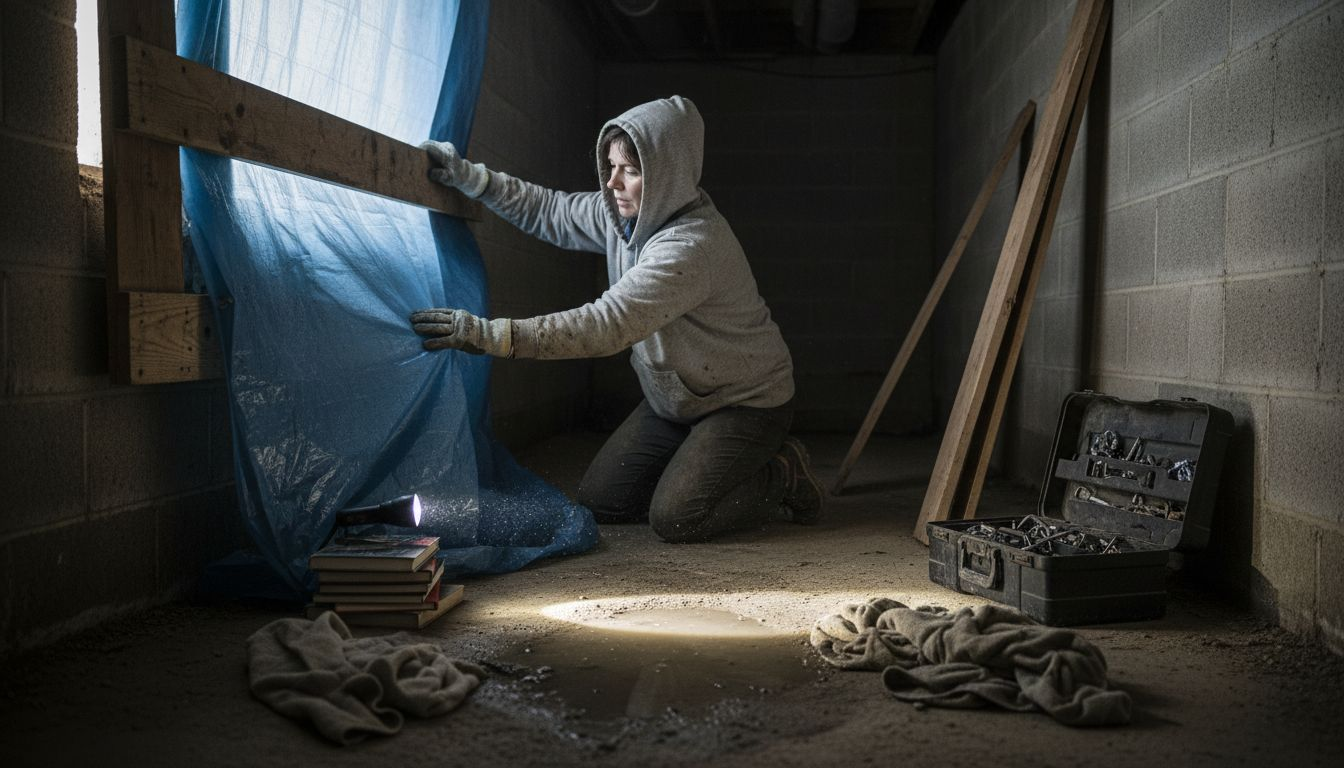
Pro tip: Take photos of all temporary repairs for insurance documentation, ensuring you have a clear record of steps taken to mitigate further damage.
Step 4: Consult restoration experts for repairs
After documenting storm damage, engaging professional restoration experts becomes a critical step in ensuring comprehensive and safe property recovery. These specialists provide essential insights and technical expertise that can significantly impact your home’s long-term restoration and structural integrity.
Professional storm damage assessment involves a comprehensive evaluation of your property’s condition. Look for restoration professionals who offer:
- Certified storm damage inspection
- Detailed written damage reports
- Comprehensive repair recommendations
- Insurance claim support
- Emergency mitigation services
When selecting a restoration expert, prioritize professionals with specific experience in Texas storm damage recovery. These specialists understand local building codes, insurance requirements, and the unique challenges posed by coastal storm impacts. Request multiple professional assessments to compare recommendations and ensure you receive a thorough and accurate evaluation.
Choosing the right restoration expert can save you thousands in potential future repair costs.
Carefully review each expert’s credentials, including professional certifications, local references, and previous storm damage restoration experience. Ask about their specific approach to assessing and repairing storm-related structural damage, and request a detailed written estimate that breaks down potential repair strategies.
Pro tip: Verify the restoration expert’s insurance and licensing before signing any contracts, ensuring they are fully qualified to perform comprehensive storm damage repairs.
Step 5: Verify completed restoration meets quality standards
After restoration work concludes, thoroughly verifying the quality and completeness of repairs is crucial to ensure your property has been fully and correctly restored. This final inspection serves as your last line of defense against potential future issues and guarantees you receive the comprehensive repair service you deserve.
Quality assurance for storm damage repairs involves a systematic and detailed review of the completed work. Conduct a comprehensive inspection by checking:
- Structural integrity of repaired areas
- Proper sealing and waterproofing
- Alignment and condition of replaced materials
- Functionality of restored systems
- Compliance with local building codes
Review the restoration documentation thoroughly, comparing the original damage assessment with the completed repair work. Pay close attention to areas of potential hidden damage, such as underlying roof structures, wall cavities, and foundation elements. Request detailed repair logs and before-and-after photographs from your restoration experts to support your verification process.
Meticulous verification now can prevent costly repairs in the future.
Engage a third-party inspector or independent contractor to provide an unbiased assessment of the restoration work. This additional review can identify any overlooked issues or potential areas of concern that might have been missed during the initial restoration process.
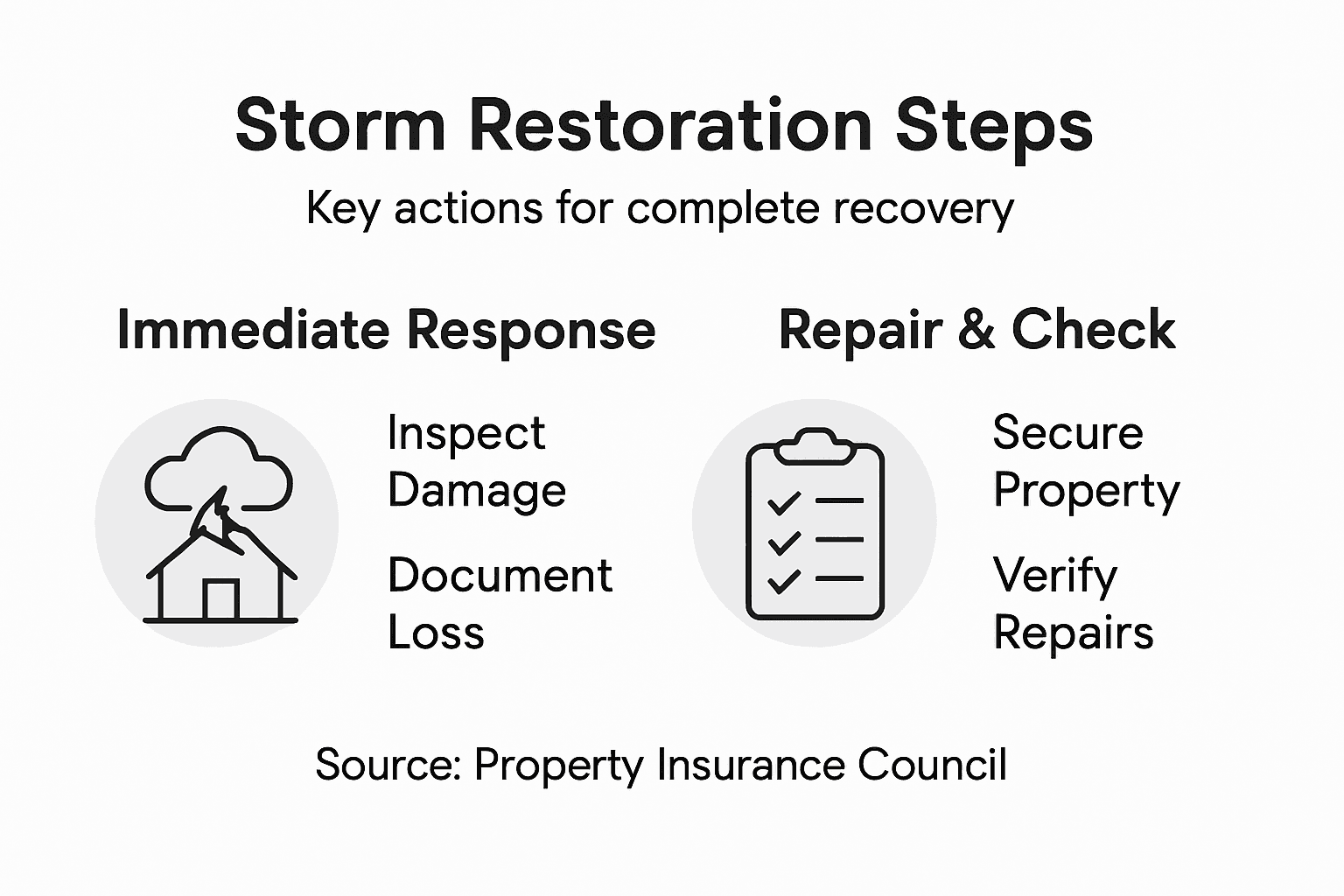
Pro tip: Create a comprehensive checklist during the initial damage assessment and use it as a reference point when verifying the completed restoration, ensuring every identified issue has been adequately addressed.
Compare the roles of restoration experts and inspectors:
| Role | Primary Responsibility | Impact on Recovery Process |
|---|---|---|
| Restoration Expert | Conducts repairs and restoration | Ensures structural integrity |
| Certified Inspector | Assesses completed work | Validates repair quality |
| Insurance Adjuster | Evaluates for claim approval | Helps secure fair compensation |
Restore Your Home with Expert Storm Damage Roofing and Exterior Services
Severe storms cause serious damage that demands quick and reliable restoration to protect your property and peace of mind. This guide highlights key challenges such as detailed damage inspection, insurance documentation, and securing your home to prevent further issues. At Buffalo Roofing & Exteriors, we understand these critical steps and provide trusted solutions to help homeowners on the Texas coast fully recover from storm impacts. Our professional team specializes in roofing repairs, exterior renovations, and emergency mitigation tailored to your unique needs.
Do not let storm damage linger or worsen. Explore our proven Roofing Archives for quality roof repair and replacement services. Visit our Front Page Archives to learn how we support you through every step of restoration. Ready to protect your home with expert care and backed by warranties? Contact Buffalo Roofing & Exteriors now at https://buffaloroofingandexteriors.com/ for a free estimate and swift action. Your complete recovery starts with trusted professionals who stand by you.
Frequently Asked Questions
What should I inspect for after a storm?
Begin by examining your property’s exterior for visible signs of storm damage, such as missing shingles, broken gutters, or cracked siding. Document everything with photos and a written log to support potential insurance claims within the next few days.
How do I document storm damage for my insurance claim?
Create a systematic photographic record of all visible damage, capturing clear images from multiple angles. Alongside this, maintain a detailed log of the date, time, and location of each damage point to streamline the claims process.
What are the immediate steps to secure my property after storm damage?
Quickly take action to prevent further damage by covering broken windows, using tarps on damaged roofs, and removing standing water. These temporary repairs can significantly reduce the risk of mold and additional structural issues.
When should I consult restoration experts for repairs?
Engage restoration experts as soon as you’ve documented the damage and secured your property. Professionals can provide a detailed evaluation and help guide you through the repair process, ensuring compliance with local building codes.
How can I verify that restoration work meets quality standards?
Conduct a thorough inspection of the completed restoration, focusing on the structural integrity and functionality of repaired areas. Use a checklist based on your initial damage assessment to ensure every identified issue has been specifically addressed.
Should I hire a third-party inspector after repairs are completed?
Yes, hiring a third-party inspector can provide an unbiased assessment of the completed work. This extra step can help identify any overlooked issues, ensuring that the restoration has been performed correctly and thoroughly.
Recommended
- Storm Damage Restoration Explained: Texas Essentials
- What to Do After a Storm Damages Your Roof | Buffalo Roofing & Exteriors | San Antonio to Corpus Christi, TX
- Step by Step Roof Repair Guide for Storm Damage
- Step by Step Roof Repair Guide for Homeowners
- How to Handle Renovation Cleanup for a Spotless Home
- Roofing Company Corpus Christi TX