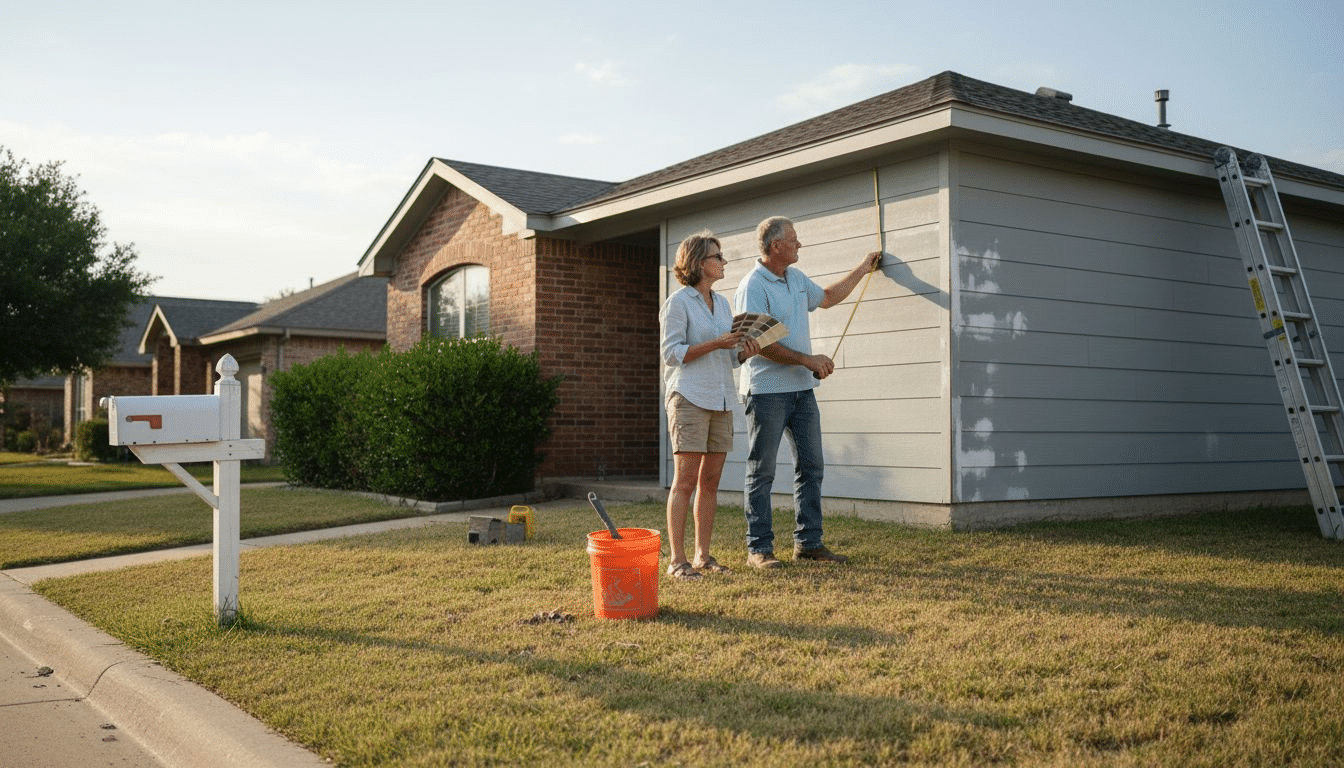
Severe storms and intense Texas sun can quickly take a toll on homes in Corpus Christi and San Antonio. When weather damage leaves your property exposed, the right exterior siding becomes a crucial line of defense. By choosing durable exterior siding options, homeowners not only protect their investment but also boost property value and comfort. Discover how modern siding solutions deliver lasting resilience against harsh Gulf Coast weather while giving your home long-term appeal.
Table of Contents
- Defining Exterior Siding And Its Purpose
- Common Siding Types For Texas Homes
- How Siding Protects Against Weather Damage
- Key Benefits For Homeowners And Property Value
- Choosing And Maintaining The Right Siding
Key Takeaways
| Point | Details |
|---|---|
| Weather Protection | Exterior siding acts as a crucial barrier against moisture, wind, and temperature fluctuations, safeguarding the home’s structural integrity. |
| Material Selection | Choosing appropriate siding materials like fiber cement or metal ensures durability and weather resistance tailored to Texas climates. |
| Long-Term Value | Quality siding contributes to increased property value, energy efficiency, and reduced maintenance costs over time. |
| Regular Maintenance | Conducting regular inspections and timely repairs is essential for maintaining siding performance and preventing costly repairs. |
Defining Exterior Siding and Its Purpose
Exterior siding is the protective shell that shields homes from the harsh environmental conditions prevalent in coastal Texas regions like Corpus Christi and San Antonio. Exterior covering for building walls serves multiple critical functions beyond simple aesthetic appeal.
At its core, exterior siding acts as a crucial barrier protecting your home’s structural integrity. This protective layer shields interior walls from environmental challenges such as intense sunlight, driving rain, windblown debris, and temperature fluctuations common in South Texas. By creating a robust exterior barrier, siding prevents moisture penetration, insulates against temperature extremes, and helps maintain a stable indoor environment.
The primary functions of exterior siding include:
- Weather Protection: Blocking rain, wind, and environmental damage
- Thermal Regulation: Providing an additional insulation layer
- Aesthetic Enhancement: Improving home’s visual appeal and market value
- Structural Defense: Preventing moisture intrusion and potential structural decay
Siding materials vary widely, each offering unique benefits tailored to specific regional needs. From traditional wood planks to modern fiber cement and vinyl options, homeowners can select materials that balance durability, maintenance requirements, and architectural style.
Choosing the right exterior siding is not just about appearance—it’s about creating a long-lasting defense for your most significant investment.
Pro tip: Consult local exterior professionals who understand the specific weather challenges in coastal Texas regions when selecting your home’s siding.
Common Siding Types for Texas Homes
In the challenging climate of Texas, homeowners must carefully select exterior siding that can withstand intense heat, humidity, and occasional severe weather events. Regional material considerations play a crucial role in determining the most suitable siding options for coastal and inland regions.
The most popular siding types for Texas homes include:
- Fiber Cement Siding: Exceptionally durable and resistant to moisture, termites, and fire
- Vinyl Siding: Low-maintenance and cost-effective, ideal for budget-conscious homeowners
- Wood Siding: Traditional aesthetic with natural insulation properties
- Stucco: Excellent for heat resistance and architectural style
- Metal Siding: Modern look with superior durability against wind and impact
Each material offers unique advantages tailored to different microclimates within Texas. Fiber cement siding stands out as a top choice for coastal regions like Corpus Christi and San Antonio, providing excellent protection against high humidity, salt air, and intense sunlight. Its composition allows for better resistance to warping, cracking, and moisture penetration compared to traditional wood options.
In Texas, your siding is more than just an exterior covering—it’s a critical defense system for your home.
Vinyl and metal sidings have gained popularity due to their low maintenance requirements and ability to withstand temperature fluctuations. Homeowners can now select materials that not only protect their investment but also complement the architectural styles prevalent in different Texas regions.
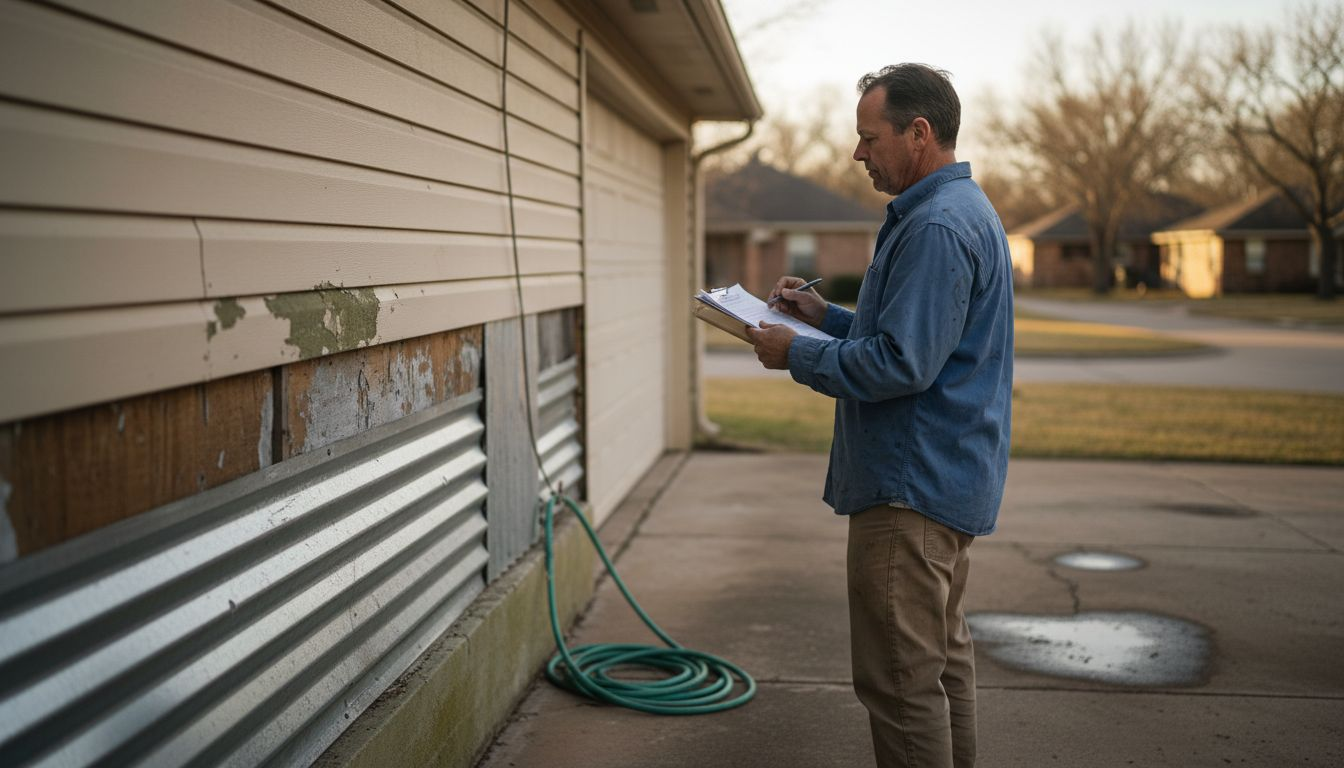
Here’s a concise comparison of common siding materials for Texas homes:
| Material | Climate Resistance | Maintenance Needs | Visual Style |
|---|---|---|---|
| Fiber Cement | Excellent for humidity, salt | Minimal annual upkeep | Versatile, modern |
| Vinyl | Handles heat, not salt well | Low, occasional wash | Wide color options |
| Wood | Poor against coastal moisture | Requires frequent care | Classic, warm |
| Stucco | Great for heat, less for rain | Moderate repair risks | Mediterranean, smooth |
| Metal | Resistant to wind, corrosion | Rare inspections only | Contemporary, sleek |
Pro tip: Consult local siding professionals who understand the specific environmental challenges of your exact Texas location before making a final material selection.
How Siding Protects Against Weather Damage
In the extreme weather conditions of Texas, exterior siding serves as a critical first line of defense for your home. Proper insulation and siding dramatically improve a home’s ability to resist environmental challenges, protecting against heat, moisture, and structural damage.
The protective mechanisms of siding include multiple layers of defense:
- Moisture Barrier: Preventing water penetration and potential mold growth
- Thermal Regulation: Blocking heat transfer and maintaining interior temperatures
- Wind Resistance: Protecting structural integrity during severe storms
- UV Protection: Shielding the home from intense sunlight and heat
- Impact Resistance: Defending against flying debris during hurricanes and high winds
Coastal regions like Corpus Christi and San Antonio face unique weather challenges that demand robust siding solutions. Fiber cement and metal sidings offer superior protection against saltwater corrosion, high humidity, and extreme temperature fluctuations. These materials create a resilient shield that prevents moisture intrusion, reduces energy costs, and maintains the structural integrity of your home.
Your home’s siding is not just an aesthetic choice—it’s a critical investment in long-term protection and energy efficiency.
Modern siding technologies have evolved to provide comprehensive protection. Advanced materials now combine durability with thermal insulation, creating a multi-functional barrier that keeps homes comfortable and secure in the unpredictable Texas climate.
Pro tip: Inspect your siding annually for signs of wear, especially after severe weather events, to catch potential vulnerabilities early.
Key Benefits for Homeowners and Property Value
Exterior siding represents more than just a protective layer—it’s a strategic investment in your home’s long-term value and performance. Real property maintenance directly impacts a home’s marketability, with quality siding serving as a critical factor in preserving and enhancing property worth.
The key benefits for homeowners include:
- Increased Property Value: Boosting market price and attractiveness to potential buyers
- Energy Cost Reduction: Improving thermal efficiency and lowering utility expenses
- Structural Protection: Defending against environmental damage and wear
- Aesthetic Enhancement: Updating home’s visual appeal and curb appeal
- Long-Term Cost Savings: Minimizing expensive repair and replacement needs
Homeowners in coastal Texas regions like Corpus Christi and San Antonio experience unique advantages from strategic siding investments. Durable materials like fiber cement and metal siding not only withstand harsh environmental conditions but also provide significant financial benefits. These advanced siding options can potentially increase a home’s resale value by improving overall structural integrity and visual appeal.
Smart siding choices are an investment in your home’s future, not just an expense.
Beyond immediate protection, quality siding contributes to comprehensive home maintenance strategies. By selecting materials that resist moisture, temperature fluctuations, and UV damage, homeowners can significantly reduce long-term repair costs and maintain their property’s structural health.
Review these siding features to understand long-term homeowner benefits:
| Siding Feature | Impact on Property | Financial Benefit | Maintenance Implication |
|---|---|---|---|
| Enhanced insulation | Higher comfort | Lower energy bills | Reduced wear |
| Moisture protection | Less mold risk | Avoids costly repairs | Prevents decay |
| UV resistance | Lasting appearance | Maintains curb appeal | Preserves color |
| Structural defense | Strong foundation | Supports home value | Fewer replacements |
Pro tip: Schedule a professional siding assessment every three to five years to identify potential issues and maintain your home’s value.
Choosing and Maintaining the Right Siding
Selecting the ideal exterior siding for homes in Texas requires careful consideration of environmental challenges and long-term performance. Siding selection and maintenance involves understanding the unique demands of coastal and inland regions, from humidity and salt exposure to temperature extremes.
Critical factors in siding selection include:
- Climate Resilience: Ability to withstand local weather conditions
- Material Durability: Resistance to moisture, UV rays, and temperature fluctuations
- Maintenance Requirements: Long-term care and potential repair costs
- Energy Efficiency: Insulation and thermal performance
- Aesthetic Compatibility: Matching home’s architectural style
For homeowners in Corpus Christi and San Antonio, the choice of siding material can significantly impact home protection and value. Fiber cement and metal siding emerge as top contenders, offering superior resistance to coastal environmental challenges. These materials provide exceptional durability, minimal maintenance requirements, and enhanced protection against humidity, salt air, and intense sunlight.
Proper siding selection is about balancing immediate costs with long-term protection and value.
Regular maintenance is crucial for preserving siding performance. This includes annual inspections, prompt repairs of any damage, and ensuring proper sealing to prevent moisture intrusion. Professional assessments can help identify potential vulnerabilities before they become costly repairs.
Pro tip: Conduct a comprehensive siding inspection every six months, paying special attention to areas exposed to direct sunlight and potential moisture accumulation.
Protect Your Home with Expert Exterior Siding Solutions
Understanding the vital role exterior siding plays in shielding your home from Texas weather challenges helps you see why quality and durability matter. If you want siding materials that offer moisture protection, thermal regulation, and structural defense, trust the professionals who know local climates best. Our team at Buffalo Roofing & Exteriors specializes in tailored siding services that enhance your home’s protection and value while reducing maintenance concerns.
Don’t wait for weather damage to compromise your home. Explore our Siding Archives | Buffalo Roofing & Exteriors to learn about premium siding options built to withstand coastal conditions. Whether upgrading or repairing, our experts in Corpus Christi and San Antonio deliver reliable solutions with financing and warranties for peace of mind. Start safeguarding your investment today by visiting Buffalo Roofing & Exteriors or contact us to schedule a free estimate. Your home deserves the best exterior defense now.
Frequently Asked Questions
What is the purpose of exterior siding?
Exterior siding acts as a protective barrier for homes, shielding them from various environmental conditions such as rain, wind, and intense sunlight. It helps maintain structural integrity, adds insulation, and enhances the aesthetic appeal of a home.
What are the common types of siding materials?
Common types of siding materials include fiber cement, vinyl, wood, stucco, and metal. Each type has unique benefits, such as durability, maintenance requirements, and aesthetic options, making them suitable for different climates and styles.
How does siding protect against weather damage?
Siding protects against weather damage by serving as a moisture barrier, providing thermal regulation, resisting wind impact, and offering UV protection. Quality siding materials prevent moisture intrusion and support the home’s structural integrity during extreme weather events.
What are the benefits of quality siding for homeowners?
Quality siding increases property value, enhances energy efficiency, provides long-term structural protection, improves aesthetic appeal, and reduces maintenance costs. Investing in durable siding materials can lead to significant financial benefits over time.
Recommended
- What Is Siding Replacement and Why It Matters
- Exterior Siding: Protecting Homes and Cutting Costs
- Signs Your Home Needs New Siding | Buffalo Roofing & Exteriors | San Antonio to Corpus Christi, TX
- Siding | Buffalo Roofing & Exteriors | San Antonio to Corpus Christi, TX
- The Essential Guide to Exterior Pest Maintenance
- Roofing Company Corpus Christi TX