Waking up after a severe storm, many Texas homeowners find themselves staring at broken shingles, soggy floors, and a sense of urgency about what to do next. Restoration is not just about repairs, it is about restoring comfort and safety to your Corpus Christi or San Antonio home as quickly as possible. With coastal Texas storms bringing everything from floodwater to wind damage, understanding coordinated disaster response activities helps you make informed choices and recover faster when every hour counts.
Table of Contents
- Defining Storm Damage Restoration Services
- Types of Storm Damage in Coastal Texas
- How Storm Damage Restoration Works
- Insurance Claims and Homeowner Responsibilities
- Avoiding Common Restoration Mistakes
Key Takeaways
| Point | Details |
|---|---|
| Comprehensive Restoration | Storm damage restoration involves emergency stabilization, structural repairs, and system restoration to return homes to livable conditions. |
| Understanding Damage Types | Coastal Texas faces unique storm threats, including hurricanes and floods, requiring tailored restoration strategies. |
| Timeliness is Crucial | Quick intervention for water damage is essential; waiting can lead to mold growth and increased costs. |
| Proper Documentation | Thoroughly document damage and keep detailed records for insurance claims to avoid issues during the recovery process. |
Defining Storm Damage Restoration Services
Storm damage restoration is far more than just fixing what broke. It’s a coordinated effort to bring your home back to livable condition after hurricanes, hail storms, or severe weather tears through your property. For Texas homeowners, this distinction matters because restoration encompasses everything from emergency repairs to complete rebuilding.
At its core, coordinated disaster response activities involve stabilizing your home, restoring essential services, and creating a path forward for recovery. Think of it as the bridge between the moment the storm passes and the moment your life returns to normal.
Storm damage restoration includes several key components:
- Emergency stabilization: Tarping roofs, boarding windows, preventing further water intrusion
- Structural repairs: Addressing compromised framing, foundation damage, or load-bearing wall issues
- Water damage recovery: Extracting standing water, drying affected areas, preventing mold growth
- System restoration: Fixing electrical, plumbing, HVAC, and gas systems safely
- Interior restoration: Replacing drywall, flooring, insulation, and finished surfaces
- Documentation and claims: Photographing damage and working with insurance adjusters
The services differ significantly from basic repairs. A roofer fixing shingles isn’t the same as restoring a roof after storm damage exposes decking and structural components beneath. Restoration demands expertise in identifying hidden damage that photographs alone won’t reveal.
Quickly comparing restoration, repair, and rebuilding can guide your next steps:
| Approach | Goal | Professional Needed |
|---|---|---|
| Restoration | Return space to habitable | Restoration specialist |
| Basic Repair | Fix surface-level issues | General contractor |
| Rebuilding | Replace damaged structures | Builder, engineer |
Effective storm damage restoration requires early intervention and tailored strategies specific to your home’s condition and the damage extent.
In coastal Texas communities like Corpus Christi, restoration professionals understand the unique challenges of salt-laden winds, flooding potential, and the aggressive nature of Gulf Coast weather. Your home faces different threats than inland properties, which means restoration approaches must account for these regional factors.
Storm damage restoration also involves collaboration. Insurance companies, contractors, engineers, and sometimes structural specialists work together to assess damage accurately and plan recovery systematically. This coordinated approach prevents costly mistakes and ensures nothing gets overlooked.
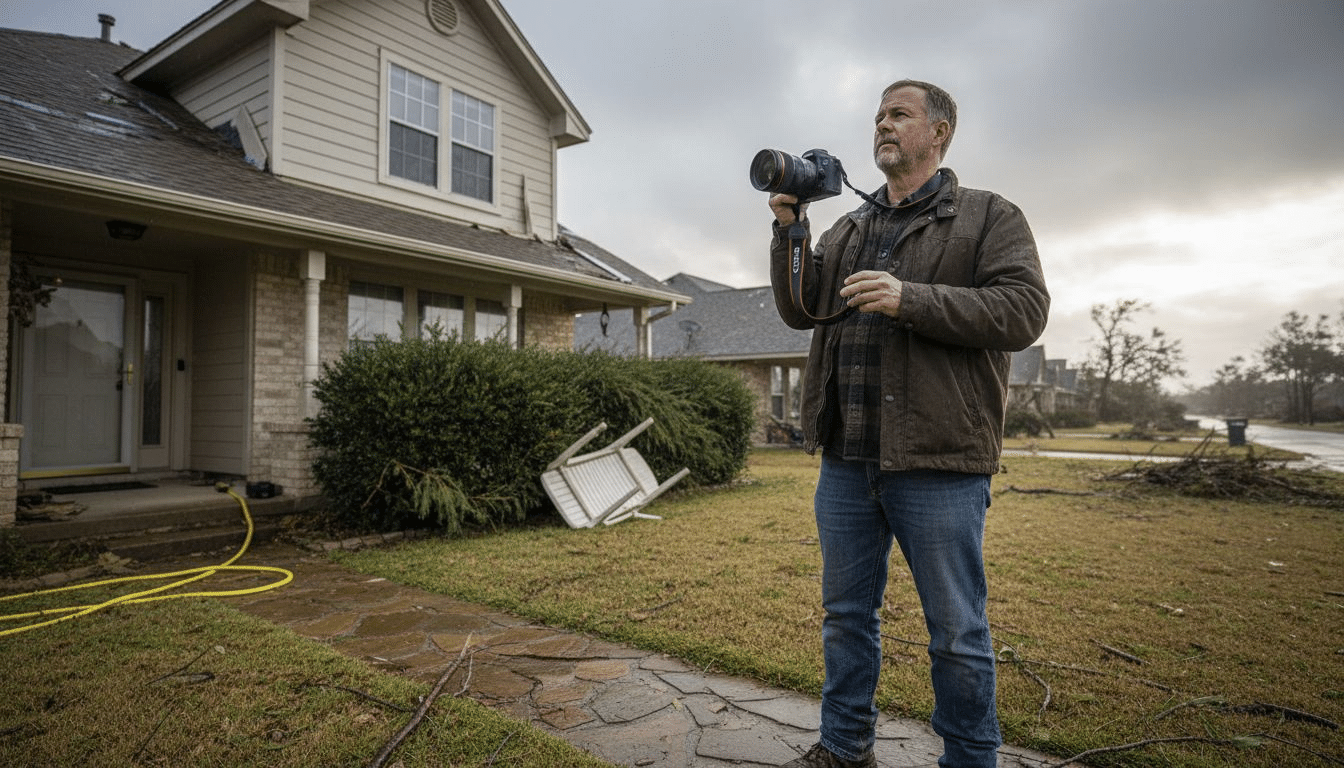
Pro tip: Document all damage immediately after a storm with photos and videos, but don’t touch anything or attempt temporary fixes until a professional inspector assesses the situation—mistakes now could complicate insurance claims and recovery later.
Types of Storm Damage in Coastal Texas
Coastal Texas storms create distinctly different damage patterns than inland weather events. Understanding what your home faces helps you prepare, recognize damage quickly, and know which repairs demand immediate attention versus what can wait.
The primary threat comes from hurricanes and tropical cyclones. These systems deliver a triple punch: devastating wind, storm surge flooding, and intense rainfall. Wind alone can peel roofing materials, shatter windows, and snap trees into your house. Storm surge pushes seawater miles inland, saturating foundations and lower walls with saltwater that corrodes materials and accelerates deterioration.
Coastal flooding takes two forms in your region:
- Storm surge flooding: Ocean water pushed inland by hurricane winds, affecting low-lying homes near the coast
- Rainfall flooding: Heavy precipitation from tropical systems overwhelms drainage systems, creating standing water in yards and basements
Severe thunderstorms contribute significantly to damage beyond hurricanes. Large hail can dent siding, shatter windows, and create countless small punctures in roofing that leak for months before you notice them. Straight-line winds from derechos can match hurricane-force speeds, snapping branches and toppling structures.
Winter storms, though less dramatic, cause serious problems. Ice buildup adds tremendous weight to roofing materials. Freeze-thaw cycles crack concrete, damage siding, and force moisture into structural gaps. Freezing temperatures can burst pipes inside walls, leading to water damage that spreads rapidly once thawing begins.
Tropical cyclones cause majority of economic damage through wind, storm surge, and flooding combined. Your coastal location means storm surge poses a unique threat that inland homeowners don’t face.
Here’s how key storm threats in coastal Texas differ and what makes each unique:
| Storm Type | Main Threats | Unique Challenges |
|---|---|---|
| Hurricanes | Wind, surge, heavy rain | Saltwater corrosion, long outages |
| Severe Thunderstorms | Hail, straight-line winds | Small leaks, frequent repair needs |
| Winter Storms | Ice, freezing, burst pipes | Hidden water, structural cracks |
| Tropical Flooding | Standing water, mold risks | Fast mold growth, foundation risk |
Coastal Texas homeowners face distinct damage risks compared to other regions, requiring restoration approaches tailored to salt exposure, moisture, and wind damage patterns.
Each damage type requires specialized treatment. Saltwater intrusion demands fresh water rinsing and careful material selection for replacement. Wind damage assessment needs someone trained to spot hidden structural compromise. Water damage must address mold prevention immediately, not days later.
Pro tip: After any storm, photograph all visible damage from multiple angles and document weather conditions—insurance adjusters use this context to validate claims and determine coverage for different damage types.
How Storm Damage Restoration Works
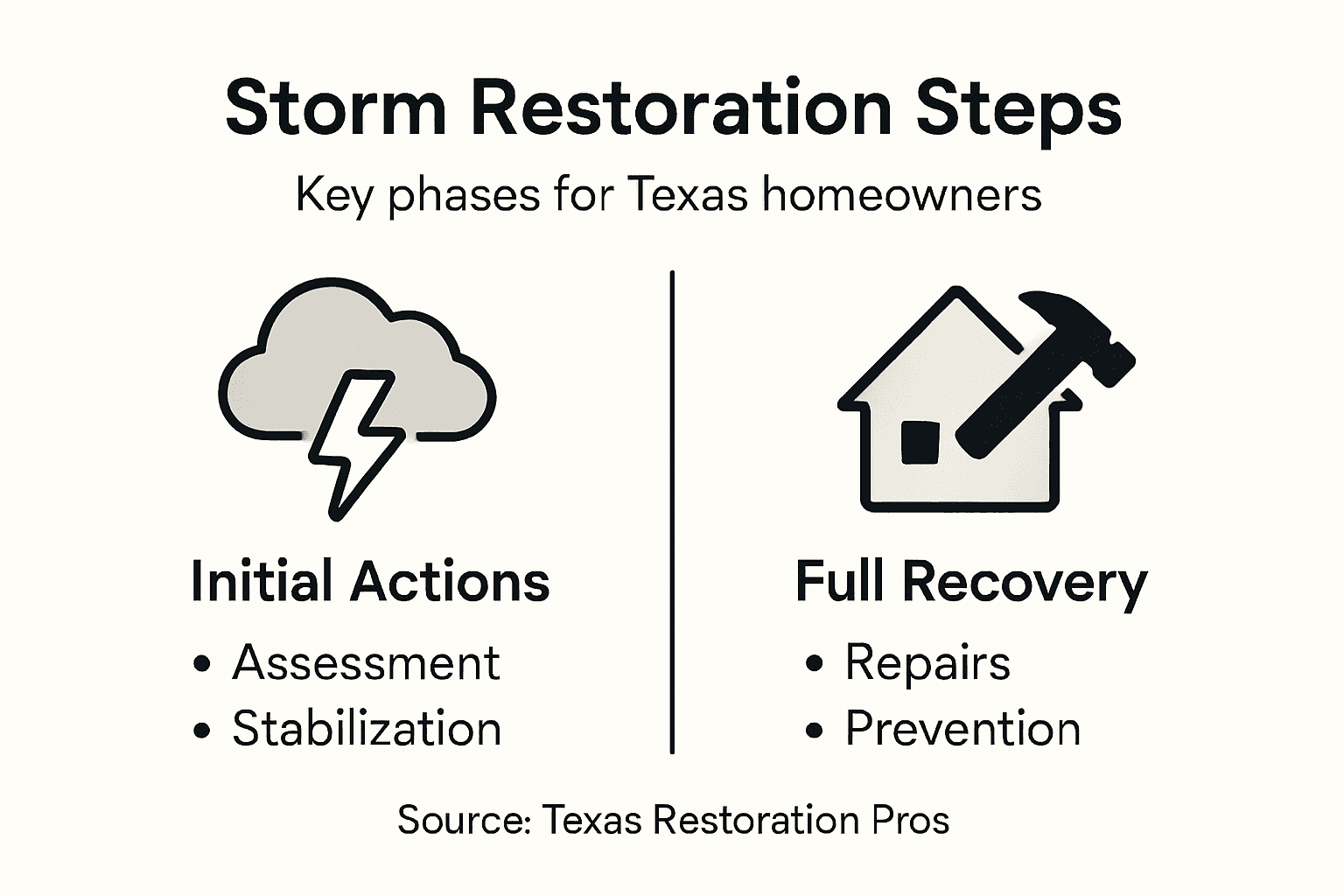
Storm damage restoration isn’t a single action. It’s a structured process that moves from crisis mode to complete recovery. Understanding how the process unfolds helps you know what to expect and makes decisions easier when stress is high.
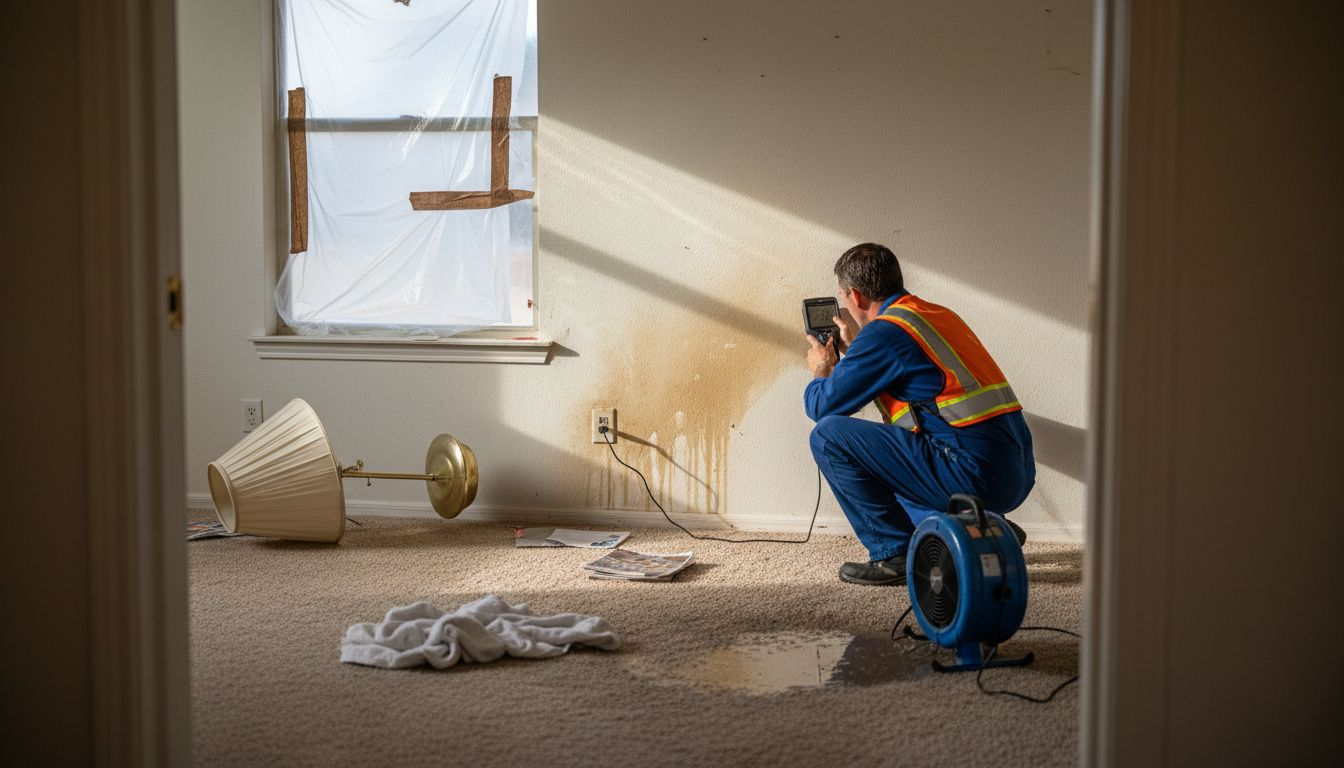
The process begins with damage assessment. A professional inspector walks through your property documenting every problem—visible damage and hidden issues alike. They photograph everything, note structural concerns, and identify secondary damage like moisture intrusion that creates mold risks. This assessment becomes the foundation for all decisions that follow.
Next comes safety stabilization. This stops ongoing damage immediately. Tarps cover roof holes. Windows get boarded. Standing water gets pumped out. Electricity may be shut off in wet areas. This phase isn’t about fixing anything permanently; it’s about preventing your problem from multiplying while you plan the real repairs.
The restoration process follows collaborative assessment and planning steps that account for both immediate needs and long-term recovery. Professional restoration teams work with insurance adjusters to prioritize repairs based on urgency and coverage.
Key restoration phases include:
- Debris removal: Clearing fallen trees, broken materials, and storm wreckage
- Water extraction and drying: Removing standing water and thoroughly drying affected areas
- Mold prevention: Applying antimicrobial treatments and improving ventilation
- Structural repairs: Fixing roof decking, framing, and foundation damage
- System restoration: Repairing electrical, plumbing, HVAC, and gas systems
- Interior restoration: Replacing drywall, flooring, insulation, and finishes
Effective restoration requires monitoring conditions throughout the process and adjusting strategies based on what you discover once walls open and hidden damage becomes visible.
Timing matters tremendously. Water damage worsens exponentially within the first 24 to 48 hours. Mold growth accelerates rapidly in damp environments. Starting restoration quickly prevents secondary damage that costs far more than the original storm damage.
Your role involves documenting everything, maintaining communication with contractors and insurance, and tracking expenses. Keep receipts for temporary repairs and supplies. Photograph all damage before any cleanup begins.
Pro tip: Request a detailed scope of work in writing before restoration begins, specifying exactly what gets repaired, replaced, or upgraded—this prevents surprises and ensures your contractor and insurance company share the same expectations.
Insurance Claims and Homeowner Responsibilities
Your insurance policy is your financial lifeline after storm damage, but only if you handle the claims process correctly. Missing deadlines or skipping documentation steps can mean the difference between full coverage and denied claims.
Start by notifying your insurance company immediately. Most policies require prompt notification—sometimes within days. Don’t delay waiting for a contractor estimate or inspector visit. Call your insurer’s claims hotline first, even if it’s evening or a weekend. Document the date and time you called, plus the representative’s name.
Next, document damage thoroughly with photos and detailed inventories before anyone touches anything. Take wide shots showing overall damage and close-ups revealing specific problems. Photograph interior and exterior. Video walkthrough footage works even better than still photos. Save these files in multiple places—cloud storage, email, external drive.
Your homeowner responsibilities during this phase include:
- Making temporary repairs to prevent further damage (like tarping a roof)
- Keeping all receipts from emergency repairs and materials
- Preserving damaged items for adjuster inspection when possible
- Providing detailed loss inventory with replacement costs
- Responding promptly to insurer requests for additional information
When the insurance adjuster arrives, walk through your home together and point out every problem. Don’t understate damage hoping to finish faster—you’re protecting your recovery. If you disagree with the adjuster’s assessment, you have options. Request a detailed written estimate from your contractor and compare it to the insurer’s estimate.
Homeowners must prevent damage from worsening after the storm and cooperate fully with investigations, but you’re not obligated to accept the first estimate offered.
Dispute processes exist when estimates don’t match. You can hire a public adjuster or demand an appraisal process where you and the insurer each select an independent estimator. These professionals cost money upfront but often recover far more than their fee.
Understand your policy’s limitations. Standard homeowner policies exclude flood damage—that requires separate flood insurance. Some policies have deductibles per claim or per occurrence. Know whether you’re rebuilding to original condition or to actual cash value after depreciation.
Pro tip: Keep your insurance policy documents, declarations page, and agent contact information in a waterproof folder stored outside your home, plus digital copies backed up online—you’ll need these details immediately after a storm when finding paperwork becomes difficult.
Avoiding Common Restoration Mistakes
Storm damage restoration moves fast, and rushing creates expensive problems. Homeowners often make decisions in crisis mode that cost thousands more than careful planning would have. Learning what to avoid prevents compounding your storm damage with preventable mistakes.
The biggest mistake is delaying cleanup and drying. Every hour matters after water damage. Mold begins growing within 24 to 48 hours in wet environments. Drywall absorbs moisture and loses structural integrity. Wood swells and warps. Waiting for perfect conditions or waiting for insurance approval means missing the critical window for damage prevention.
Second mistake: attempting major repairs without professional assessment. You might remove what appears damaged but actually serves a structural purpose. Cutting into drywall or framing without understanding load paths can compromise your home’s integrity. Hiring a qualified contractor to assess and plan beats DIY guesswork.
Third mistake: not wearing protective gear during cleanup. Floodwater carries sewage, chemicals, and biological hazards. Mold spores damage lungs. Contaminated debris causes infection through cuts. Wear gloves, N95 masks, and sturdy boots. Have tetanus shots current.
Common restoration errors include:
- Starting permanent repairs before insurance inspection
- Discarding damaged items needed for inventory documentation
- Mixing incompatible materials in reconstruction
- Failing to address ventilation after water extraction
- Skipping mold prevention treatments
- Hiring uninsured or unlicensed contractors
Poor coordination causes delays and cost overruns. Utilities must be safely restored before electrical work begins. Structural repairs precede system installations. Interior finishing comes last. Jumping steps means redoing work multiple times.
Inadequate planning and poor communication among contractors, adjusters, and homeowners create restoration delays and unexpected expenses that extend recovery timelines.
Another critical error: accepting the first contractor quote without comparison. Get multiple estimates in writing. Compare scope of work line-by-line, not just final price. The cheapest option often means shortcuts that fail within years.
Finally, don’t ignore documentation throughout restoration. Take photos of work in progress. Keep receipts for everything purchased or repaired. Track labor hours. This documentation protects you if disputes arise later.
Pro tip: Before hiring any contractor, verify licensing through the Texas Department of Licensing and Regulation, check references from recent storm damage projects, and confirm they carry liability insurance and bonding—shortcuts here create legal and financial liability for you.
Protect Your Texas Home with Expert Storm Damage Restoration
Severe weather in Coastal Texas demands swift and professional storm damage restoration to safeguard your home and family. After hurricanes or flooding, emergency stabilization and thorough repairs are essential to prevent hidden damage like mold and structural issues. At Buffalo Roofing & Exteriors, we understand the unique storm challenges you face and offer comprehensive solutions including roofing repairs, exterior renovations, and emergency services tailored for your region.
Act fast to stop further damage by relying on trusted specialists who prioritize quality and reliability. Whether you need roof tarping, water extraction, or full restoration, our team supports you through every step with free estimates, financing, and strong warranties for peace of mind.
Start restoring your home today with expert guidance from the pros in Coastal Texas. Explore our Roofing Archives | Buffalo Roofing & Exteriors for roofing solutions or learn about enhancing your home’s durability with exterior upgrades from our Decks Archives | Buffalo Roofing & Exteriors. Ready to secure your property from the next storm? Visit Buffalo Roofing & Exteriors now for a free quote and fast service commitment.
Frequently Asked Questions
What is storm damage restoration?
Storm damage restoration is the process of repairing and restoring a home to a livable condition after it has been affected by severe weather, such as hurricanes or heavy storms. It involves emergency stabilization, water damage recovery, and structural repairs to ensure the home is safe and functional again.
What are the steps involved in storm damage restoration?
The steps typically include damage assessment, safety stabilization, debris removal, water extraction and drying, mold prevention, structural repairs, system restoration, and interior restoration. Each phase addresses different aspects of the damage to ensure thorough recovery.
How quickly should I start storm damage restoration after a storm?
It is crucial to begin storm damage restoration as soon as possible, ideally within the first 24 to 48 hours. Delaying action can lead to worsening water damage and mold growth, which can complicate repairs and increase costs.
Do I need to notify my insurance company immediately after storm damage occurs?
Yes, you should notify your insurance company right away, as most policies require prompt notification of damage claims. Document the damage thoroughly with photos and details before any repairs or cleanup to support your claims process.
Recommended
- Storm Damage Restoration Explained: Texas Essentials
- Storm Damage Restoration Guide for Complete Recovery
- Storm Damage Repair: Protecting Coastal Texas Homes
- Emergency Roof Repair: Protecting Texas Homes Fast
- 6 Effective Rainwater Drainage Solutions for Homeowners
- Roofing Company Corpus Christi TX
- Roofing Company San Antonio TX
- Roofing Company Victoria TX