TL;DR:
- Energy-efficient exterior upgrades reduce thermal loss, improve insulation, and lower energy bills through building envelope improvements. The most impactful upgrades include windows, exterior doors, insulated siding, and cool roofs, especially when matched to climate-specific performance criteria. Proper installation, professional assessments, and routine maintenance are essential for maximizing long-term energy savings and benefits.
Energy saving exterior upgrades are modifications to your home’s outer structure that reduce thermal loss, improve insulation, and cut monthly energy bills. The industry term for this work is “building envelope improvement,” and it covers everything from windows and doors to siding and roofing. Homeowners can claim up to 30% federal tax credit on eligible upgrades using IRS Form 5695, which makes the upfront cost far more manageable. ENERGY STAR certified products set the performance benchmark, and certified windows and doors can reduce household heating and cooling costs by up to 13%. That number compounds quickly when you stack multiple upgrades across your home’s exterior.
Which energy saving exterior upgrades offer the greatest impact?
The four upgrades with the highest return are windows, exterior doors, insulated siding, and roofing. Each one targets a different part of your building envelope, and together they create a system that holds conditioned air inside and keeps outdoor temperatures out.
Energy-efficient windows
Windows are the most visible weak point in most homes. Two metrics define their performance: U-Factor measures how much heat escapes through the glass, and Solar Heat Gain Coefficient (SHGC) measures how much solar heat enters. A low U-Factor is the priority in cold climates. A low SHGC matters most in hot, sun-heavy climates like coastal Texas. Replacing single-pane windows with ENERGY STAR double-pane units can save $300–$500 annually on heating costs in cold climates alone.
Pro Tip: In hot climates, prioritize SHGC below 0.25 over glass thickness. A low-SHGC double-pane window outperforms a triple-pane unit with a high SHGC in Texas summers.
ENERGY STAR exterior doors
An exterior door with poor insulation acts like a hole in your wall. ENERGY STAR certified doors use foam core insulation and magnetic weatherstripping to block air infiltration. The benefits of energy-efficient doors extend beyond comfort. They reduce drafts, lower humidity infiltration, and contribute to the 30% federal tax credit under IRS Form 5695.
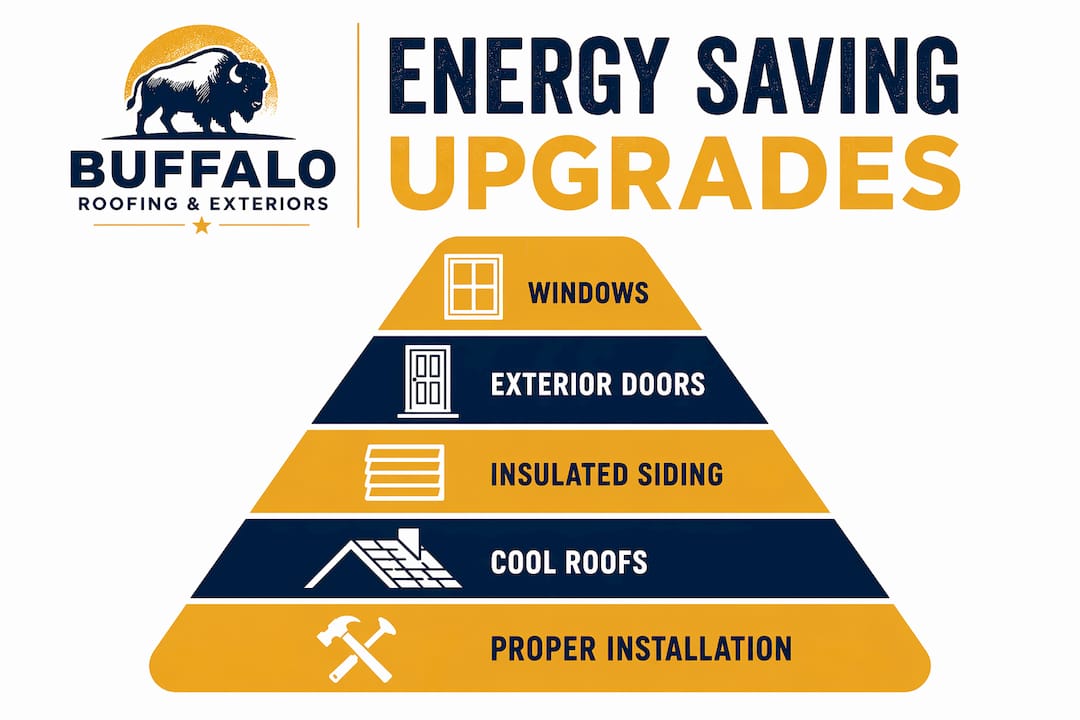
Insulated siding
Insulated siding adds a continuous layer of rigid foam between the cladding and your wall sheathing. This layer eliminates thermal bridging, which is the process where heat travels through wall studs and bypasses your interior insulation. Properly installed insulated siding contributes to 10%–20% annual energy savings depending on your climate and existing insulation levels. That range is wide because siding performance depends heavily on what is already behind your walls.
Cool roofs
A cool roof uses reflective materials to bounce solar radiation away from your home instead of absorbing it. Cool roofs can reduce surface temperatures by 50–80 degrees F and lower cooling demand significantly. The catch is climate. In cold regions, a cool roof can actually increase heating costs by reflecting winter sun that would otherwise warm the home. For homeowners in South Texas, a cool roof is one of the most cost-effective roofing upgrades for energy savings available.
| Upgrade | Key metric | Best climate fit |
|---|---|---|
| Double-pane windows | U-Factor ≤ 0.22, low SHGC | All climates, tuned by zone |
| ENERGY STAR doors | Air infiltration rating | All climates |
| Insulated siding | R-value of foam layer | Cold and mixed climates |
| Cool roof | Solar reflectance index | Hot, sun-intense climates |
How to assess your home and select the right upgrades
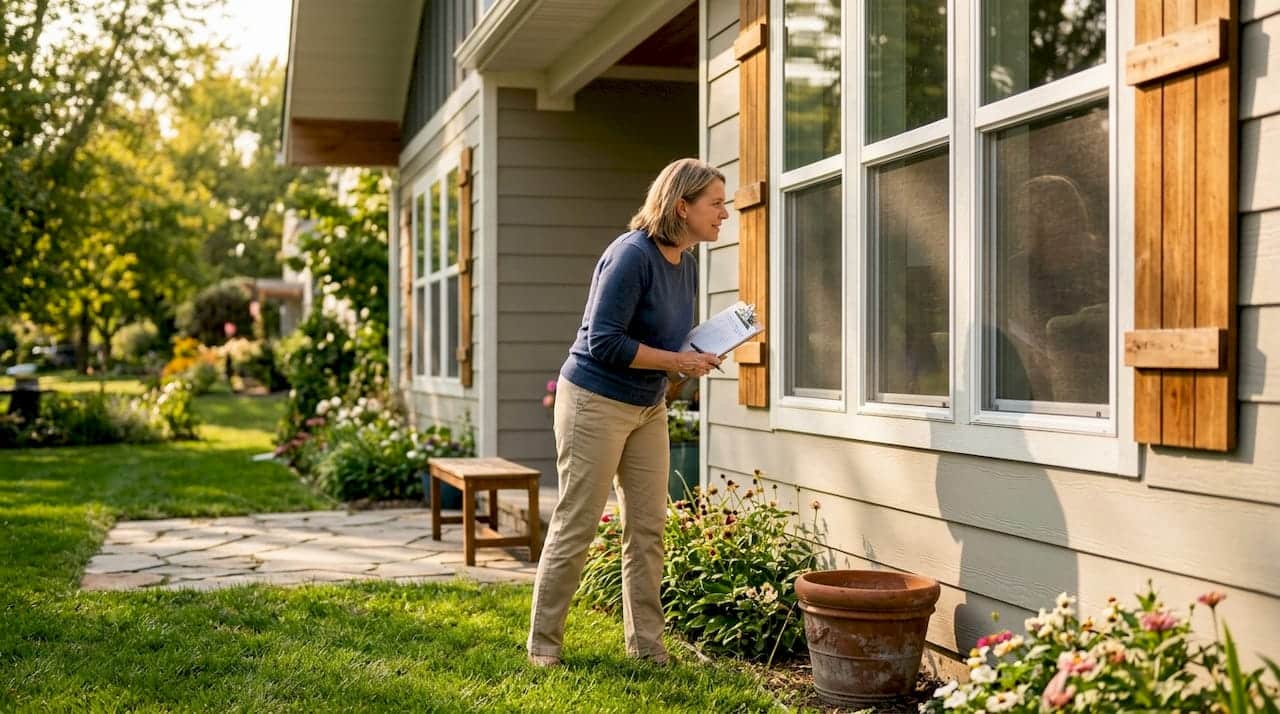
A home energy assessment is the correct starting point. A certified auditor uses a blower door test to pressurize your home and locate air leaks, then uses infrared cameras to find gaps in your insulation. This process tells you exactly where your building envelope is failing before you spend a dollar on materials.
The U.S. Department of Energy’s “House as a System” approach treats the building envelope as one connected unit. Roof ventilation affects attic temperature, which affects how hard your siding works, which affects your HVAC load. Upgrading one component without considering the others leaves efficiency gains on the table.
Match your product specs to your climate zone:
- Cold climates: Choose windows with U-Factor ≤ 0.22 and moderate SHGC to capture passive solar heat. Triple-pane glass offers 30%–40% better insulation than double-pane but costs 20%–40% more, so weigh the payback period carefully.
- Hot climates: Prioritize low SHGC (below 0.25) for windows and doors. Reflective roofing and light-colored siding reduce solar absorption at the surface level.
- Mixed climates: Look for ENERGY STAR products certified for your specific climate zone. The ENERGY STAR program divides the U.S. into four zones with different performance thresholds.
- Coastal climates: Factor in humidity and salt air. Fiberglass window frames and fiber cement siding resist corrosion and moisture better than wood or standard vinyl in marine environments.
Pro Tip: Schedule your home energy assessment before requesting any contractor bids. The audit report gives you a prioritized list of upgrades, which prevents contractors from upselling you on work that will not move the needle.
Step-by-step guide to executing your exterior upgrades
A clear plan prevents budget overruns and installation errors. Follow this sequence to get the most from your investment.
- Set your budget and identify incentives. Calculate your total available budget, then check eligibility for the 30% federal tax credit via IRS Form 5695. The Energy Efficient Home Improvement Credit caps window claims at $600 per year but applies 30% to total eligible costs across all qualifying upgrades.
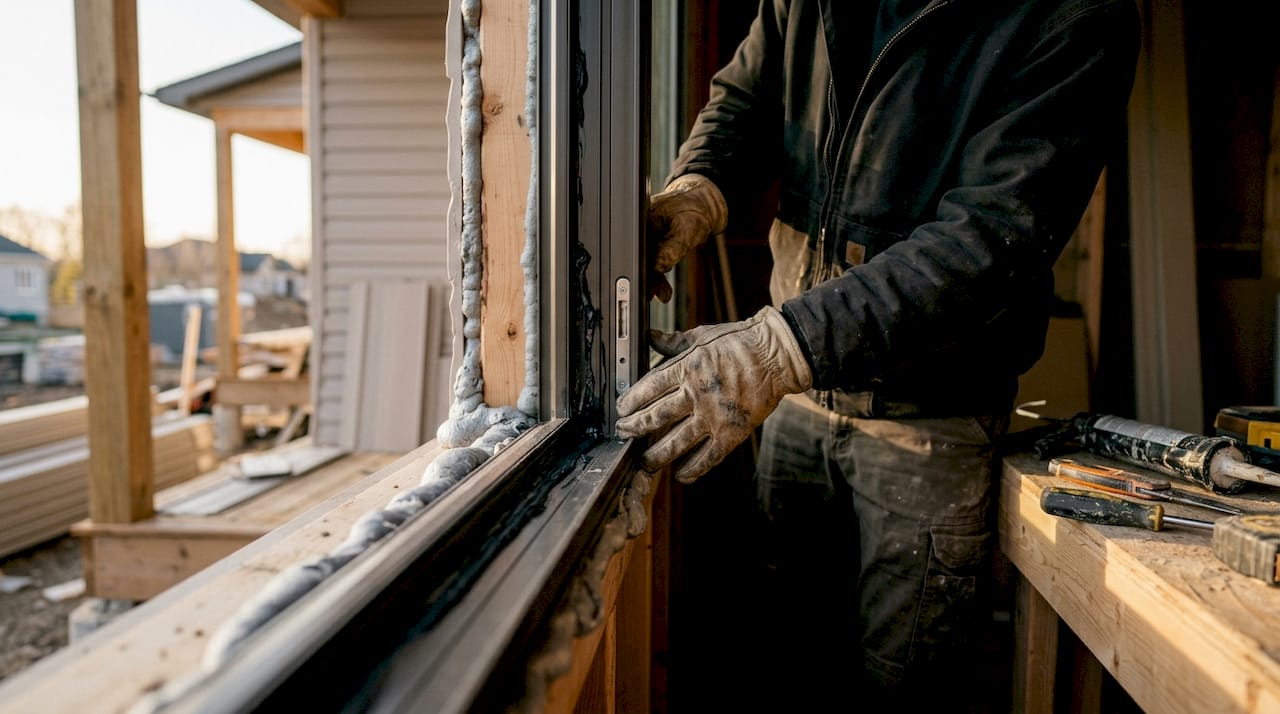
- Get at least three installation bids. Ask each contractor specifically about their air sealing process. Expert installers recommend reviewing bids for air sealing and spray foam techniques, because installation quality determines whether your new windows actually perform at their rated efficiency.
- Upgrade in the right order. Start with air sealing and insulation, then windows and doors, then siding, then roofing. This sequence prevents you from trapping moisture or creating pressure imbalances inside your walls.
- Verify attic ventilation before roofing work. Skipping this step is the most common and costly mistake homeowners make. Poor attic ventilation traps heat and moisture, which shortens roof life and raises cooling costs regardless of how reflective your new shingles are.
- Document every upgrade for tax purposes. Keep manufacturer certifications, contractor invoices, and product specification sheets. You need these to complete IRS Form 5695 and claim your federal tax credit.
Avoid these common mistakes during execution:
- Choosing windows based on price alone without checking U-Factor and SHGC ratings
- Skipping weatherstripping on door frames after installing a new door
- Installing insulated siding over damaged sheathing without repairing it first
- Ignoring soffit and ridge vent balance when adding a cool roof
Troubleshooting common challenges and maximizing long-term benefits
Even well-installed upgrades lose performance over time without basic maintenance. The most common post-installation problem is air seal failure. Caulk and weatherstripping shrink and crack over years of thermal cycling. Check all window and door seals annually and reapply exterior caulk wherever you see gaps.
“Exterior upgrades should be integrated through whole-home energy audits for best results. Roof ventilation and attic insulation directly influence the performance of insulated siding, and no single upgrade works in isolation.”
Reflective roofing surfaces collect dirt and biological growth, which reduces their solar reflectance over time. Clean cool roof surfaces every one to two years with a low-pressure wash to maintain their reflective performance. This single maintenance step preserves the cooling benefit that justified the upgrade cost.
When to call a professional:
- You notice condensation between window panes, which signals seal failure and lost insulating gas
- Your energy bills rise after an upgrade, which often points to an air sealing gap or ventilation imbalance
- Siding shows buckling or moisture staining within two years of installation
Home energy monitoring tools let you track your savings in real time. Smart thermostats with energy reporting, whole-home energy monitors, and utility company dashboards all show you whether your upgrades are performing as expected. If your bills do not drop after a major upgrade, that data gives you the evidence to request a professional inspection and retrofit adjustment.
Key takeaways
The highest-impact energy saving exterior upgrades combine certified products, climate-matched specifications, and professional air sealing to deliver measurable reductions in heating and cooling costs.
| Point | Details |
|---|---|
| Start with an energy audit | A blower door test identifies your home’s weakest thermal points before you spend on materials. |
| Match specs to your climate | Use low U-Factor windows in cold climates and low SHGC windows in hot climates for real savings. |
| Installation quality is decisive | Poor air sealing can negate the efficiency of even the best triple-pane windows. |
| Stack federal tax credits | IRS Form 5695 covers 30% of eligible costs across windows, doors, insulation, and assessments. |
| Maintain upgrades annually | Resealing windows and cleaning reflective roofs preserves performance and extends payback value. |
What I’ve learned after years of watching homeowners get this wrong
Most homeowners focus entirely on product selection and almost none on installation quality. I have seen triple-pane windows installed without proper air sealing that performed worse than the original single-pane units they replaced. The gap between the window frame and the rough opening, left unsealed, becomes a direct channel for conditioned air to escape. The product was excellent. The installation undid every benefit.
The second pattern I see constantly is upgrading in the wrong order. A homeowner replaces their siding before fixing attic ventilation, then wonders why their cooling bills barely move. The whole-home system logic is not abstract. Heat moves through your home in predictable paths, and if you block one path without addressing the others, the heat finds a new route.
My honest advice: spend the $300–$500 on a professional energy audit before committing to any upgrade. That report will tell you exactly which upgrade delivers the fastest payback for your specific home, climate, and utility rates. Patience with the upfront process pays off far more than rushing into a product purchase. And stay current on incentive programs. The federal tax credit landscape changes, and a single phone call to a tax professional before you start work can confirm whether your planned upgrades qualify.
Buffaloroofingandexteriors can help with your exterior upgrades
Buffaloroofingandexteriors specializes in energy-efficient roofing, siding, windows, and doors for homeowners across Corpus Christi, San Antonio, and Victoria, Texas. Every installation follows current energy codes, with a focus on proper air sealing and product specifications matched to the Gulf Coast climate.
Whether you are planning a full building envelope improvement or starting with a single upgrade, Buffaloroofingandexteriors offers free estimates and financing options for roofing and exterior projects to make the investment accessible. The team also guides homeowners through documentation for IRS Form 5695 tax credit eligibility. Contact Buffaloroofingandexteriors to schedule a consultation and get a clear picture of what your home needs and what it will cost.
FAQ
What are the most cost-effective energy saving exterior upgrades?
ENERGY STAR certified windows and insulated exterior doors deliver the fastest payback for most homeowners, with certified products reducing heating and cooling costs by up to 13%. Insulated siding and cool roofing add significant savings when matched to the right climate.
How do I claim the federal tax credit for exterior upgrades?
File IRS Form 5695 with your federal tax return to claim the Energy Efficient Home Improvement Credit, which covers 30% of eligible costs for windows, doors, insulation, and home energy assessments.
Does installation quality really affect energy savings?
Poor installation, especially missing air sealing around window and door frames, can eliminate the efficiency gains of even high-performance products. Professional air sealing with spray foam is the standard technique recommended by expert installers.
Are cool roofs worth it in Texas?
Cool roofs are highly effective in hot, sun-intense climates like coastal Texas, where they can reduce roof surface temperatures by 50–80 degrees F and lower cooling demand. They are less effective and potentially counterproductive in cold climates.
How often should I maintain my exterior upgrades?
Check window and door seals annually and reapply exterior caulk wherever gaps appear. Clean reflective roof surfaces every one to two years to maintain solar reflectance and preserve the energy savings the upgrade was designed to deliver.