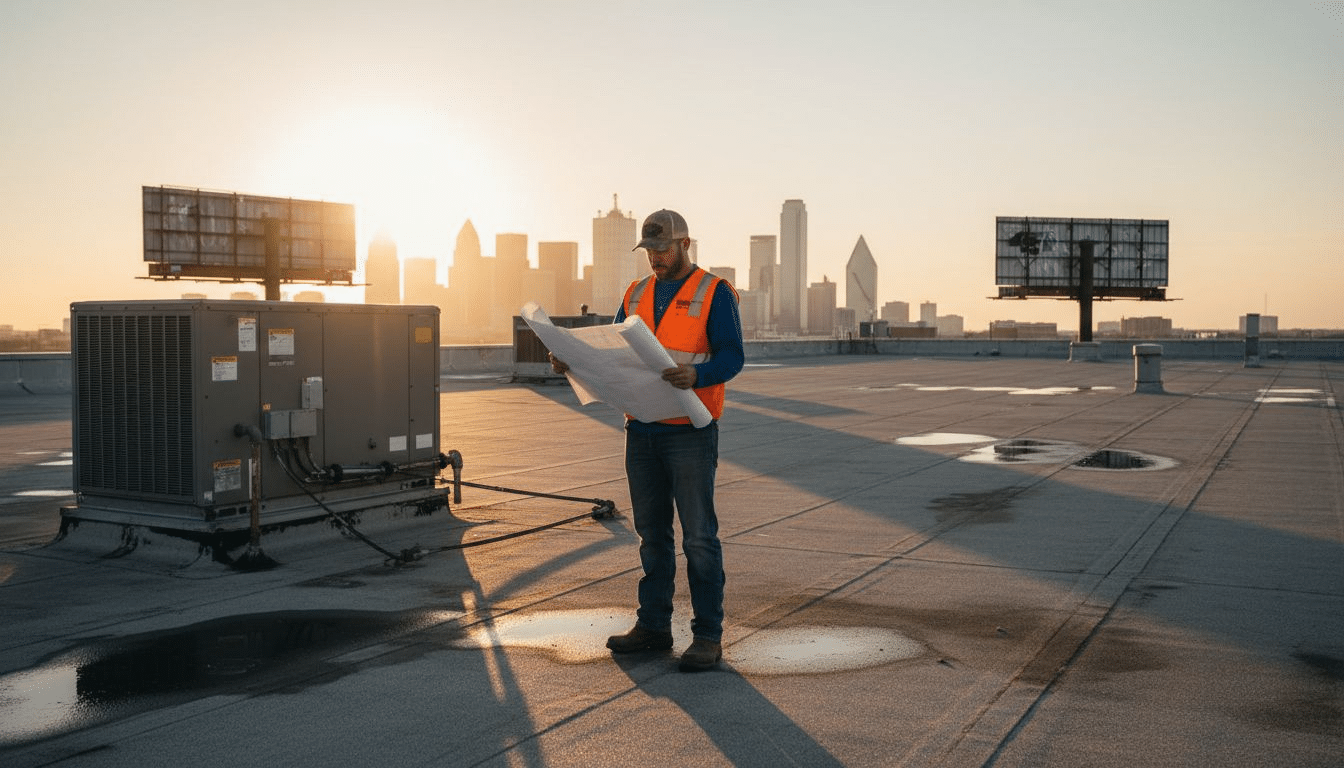
Texas storms cause billions in property damage each year, and American commercial buildings along the Gulf Coast face some of the toughest roofing challenges. For business owners in Corpus Christi and San Antonio, understanding modern commercial roofing is crucial for protecting investments from wind, rain, and sun. This guide separates widespread myths from facts, helping you discover solutions that last, save costs, and offer real peace of mind amid unpredictable weather.
Table of Contents
- Commercial Roofing Defined And Common Myths
- Major Types Of Commercial Roof Systems
- Key Features And Functions Explained
- Texas Building Codes And Local Regulations
- Costs, Risks, And Common Mistakes
Key Takeaways
| Point | Details |
|---|---|
| Importance of Professional Assessment | Conduct regular professional inspections and assessments to identify potential roofing issues before they escalate into costly repairs. |
| Myths About Commercial Roofing | Understand that modern commercial roofing technologies offer cost-effectiveness and various aesthetic options, contrary to common misconceptions. |
| Adherence to Local Codes | Ensure compliance with Texas building codes and regulations for commercial roofing to guarantee safety, energy efficiency, and structural integrity. |
| Financial Planning is Crucial | Develop a comprehensive maintenance budget that includes inspections and repairs to mitigate long-term costs and avoid unexpected expenses. |
Commercial Roofing Defined and Common Myths
Commercial roofing represents a specialized approach to protecting large-scale buildings like offices, warehouses, retail centers, and industrial facilities. Unlike residential roofing, commercial roofing involves complex systems designed to withstand significant environmental challenges while meeting stringent performance standards. Roofing standards help define these specialized requirements for durability and performance.
At its core, commercial roofing encompasses various materials and techniques specifically engineered for larger structures. These systems can include built-up roofing, modified bitumen, single-ply membranes, metal roofing, and specialized coatings that provide superior protection against Texas weather extremes. Contrary to popular myths, commercial roofs are not just one-size-fits-all solutions but sophisticated engineering marvels tailored to specific building needs, environmental conditions, and budget constraints.
Several persistent myths about commercial roofing deserve debunking. Many property owners mistakenly believe commercial roofs are prohibitively expensive or require constant maintenance. In reality, modern roofing technologies offer long-term cost-effectiveness and resilience. Professional installation and periodic maintenance can extend a commercial roof’s lifespan significantly, making it a strategic investment rather than a recurring expense. Some property owners also incorrectly assume all commercial roofs look identical, when in fact modern solutions offer diverse aesthetic and functional options.
Pro tip: Conduct a comprehensive roof assessment annually to identify potential issues before they become costly repairs, especially in high-stress coastal Texas environments.
Major Types of Commercial Roof Systems
Commercial roof systems represent a critical infrastructure component designed to protect buildings from environmental challenges. Roof systems vary significantly based on building requirements, climate conditions, and specific performance needs. In Texas, where extreme weather conditions range from intense heat to powerful storms, selecting the right roofing system becomes even more crucial for long-term building protection.
The primary commercial roofing systems include single-ply membrane roofing, which encompasses materials like EPDM (Ethylene Propylene Diene Monomer), TPO (Thermoplastic Polyolefin), and PVC (Polyvinyl Chloride). These lightweight, flexible materials offer excellent resistance to UV radiation and temperature fluctuations. Metal roofing systems provide another robust option, particularly for industrial and warehousing structures, delivering exceptional durability and potential energy efficiency through reflective coatings.
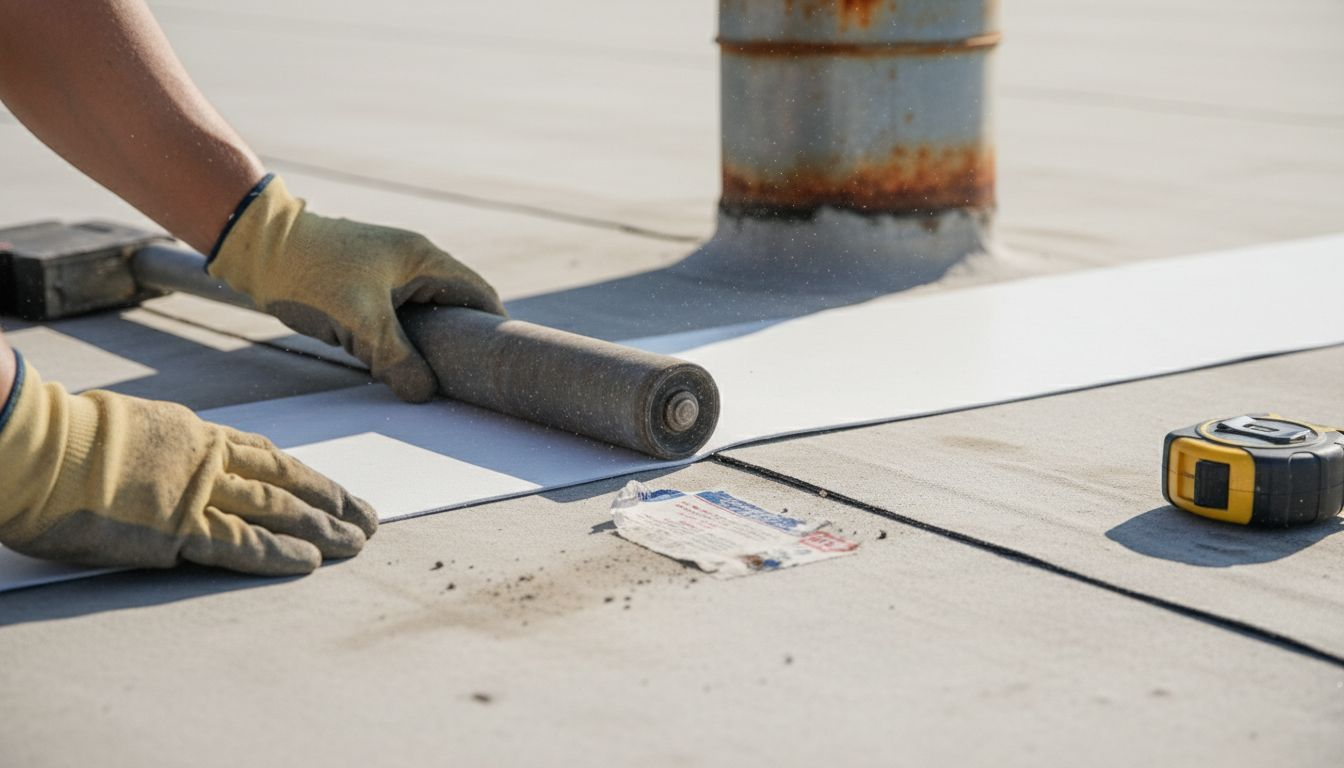
Built-up roofing (BUR) systems remain a traditional yet effective commercial roofing solution, consisting of multiple layers of bitumen and reinforcing fabrics. Modified bitumen roofing offers a more modern evolution of this approach, incorporating polymer-modified asphalt for enhanced flexibility and tear resistance. Spray polyurethane foam represents an innovative solution, creating a seamless, lightweight roofing system that provides superior insulation and water resistance, making it particularly valuable in Texas’s challenging climate zones.
Pro tip: Consult with a professional roofing specialist to conduct a comprehensive site assessment, ensuring your chosen roofing system matches your specific building’s structural requirements and local environmental conditions.
Here’s a comparison of major commercial roofing types to help guide selection decisions:
| Roofing Type | Key Strengths | Ideal Building Type |
|---|---|---|
| Single-ply membrane | UV resistance, light weight | Offices, retail centers |
| Metal roofing | Durability, energy efficiency | Warehouses, industrial buildings |
| Built-up roofing (BUR) | Multi-layer protection | Older commercial structures |
| Modified bitumen | Flexibility, tear resistance | Mid-size commercial properties |
| Spray foam | Seamless insulation, waterproof | Specialty or complex roofs |
Key Features and Functions Explained
Commercial roofing systems are engineered to provide far more than simple overhead protection. Performance requirements extend beyond basic coverage, addressing critical aspects of building safety, energy efficiency, and structural integrity. These sophisticated systems must withstand extreme environmental conditions while simultaneously delivering optimal thermal regulation and protecting the underlying building infrastructure.
The fundamental functions of commercial roofing encompass multiple critical dimensions. Waterproofing remains the primary objective, preventing moisture penetration that could compromise building structures. Thermal insulation represents another crucial feature, helping to regulate interior temperatures and reduce energy consumption. Fire resistance, wind uplift protection, and structural durability are additional essential performance metrics that differentiate high-quality commercial roofing systems from basic covering solutions.
Each roofing system incorporates specialized design elements tailored to specific environmental challenges. In Texas, for instance, roofing must provide exceptional heat reflection, UV resistance, and storm damage protection. Multilayered construction techniques, advanced material compositions, and strategic installation methods contribute to creating robust roofing systems capable of withstanding intense solar radiation, occasional hailstorms, and potential hurricane-force winds. Reflective coatings, reinforced membrane layers, and strategically designed drainage systems further enhance the overall performance and longevity of commercial roofing solutions.
Pro tip: Prioritize regular professional inspections to identify potential vulnerabilities and maintain your commercial roof’s optimal performance before minor issues escalate into significant structural problems.
The following table summarizes core commercial roof functions and their business benefits:
| Function | What It Does | Business Impact |
|---|---|---|
| Waterproofing | Blocks moisture intrusion | Prevents costly structural damage |
| Thermal insulation | Reduces heat transfer | Lowers energy bills and improves comfort |
| Fire resistance | Delays fire spread | Enhances building safety |
| Wind protection | Resists uplift, storm damage | Minimizes weather-related repairs |
| Durability | Withstands heavy stress | Extends roof lifespan, protects value |
Texas Building Codes and Local Regulations
Commercial roofing in Texas is governed by a comprehensive framework of stringent building codes and regulations designed to ensure structural safety, energy efficiency, and resilience against the state’s challenging environmental conditions. Building codes mandate specific performance standards that commercial roofing systems must meet, including requirements for wind resistance, thermal performance, and material durability.
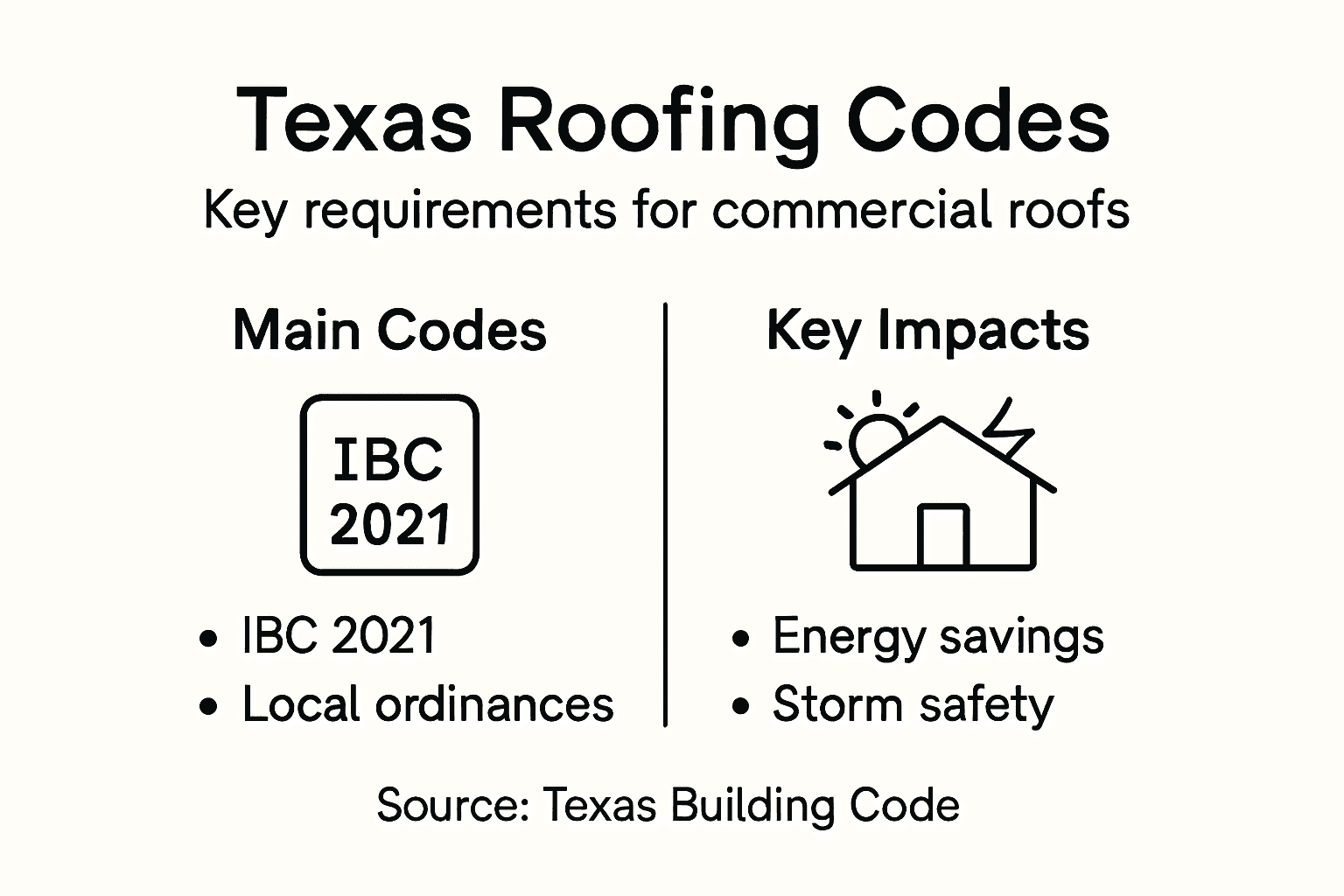
The International Building Code (IBC) 2021 Edition serves as the primary regulatory guideline for commercial roofing installations across Texas. This comprehensive standard specifies detailed requirements for roof system design, material selection, installation techniques, and structural integrity. Local municipalities may implement additional regulations that further refine these standards, taking into account regional environmental challenges such as coastal wind loads, extreme temperature variations, and potential storm risks specific to different Texas regions.
Energy efficiency represents another critical component of Texas building regulations for commercial roofing. The International Energy Conservation Code (IECC) 2015 Edition and state-level energy standards establish strict guidelines for roofing materials and installation methods that minimize heat absorption and maximize thermal performance. These regulations not only protect buildings but also contribute to reducing overall energy consumption, providing significant long-term economic and environmental benefits for commercial property owners throughout Texas.
Pro tip: Consult with a local building inspector or certified roofing professional who understands Texas-specific building codes to ensure your commercial roofing project remains fully compliant with current regulatory requirements.
Costs, Risks, and Common Mistakes
Commercial roofing investments represent significant financial commitments that demand careful strategic planning and risk management. Preventive maintenance remains crucial for mitigating potential long-term expenses and avoiding catastrophic structural failures. In Texas, where extreme weather conditions pose unique challenges, understanding the comprehensive cost landscape becomes even more critical for commercial property owners.
The financial considerations of commercial roofing extend far beyond initial installation expenses. Capital costs include materials, labor, specialized equipment, and engineering expertise, while ongoing operational expenses encompass regular inspections, maintenance, potential repairs, and eventual replacement. Common financial risks include material price fluctuations, unexpected structural complications, supply chain disruptions, and potential business interruption during extensive roofing projects. Property owners frequently underestimate the full project scope, failing to budget adequately for contingencies or comprehensive risk management strategies.
Several recurring mistakes can significantly escalate commercial roofing costs and compromise structural integrity. Neglecting routine professional inspections, ignoring minor damage signs, selecting inexperienced contractors, and postponing necessary maintenance are among the most prevalent errors. In the harsh Texas climate, these oversights can lead to accelerated roof degradation, compromised building envelope performance, and substantially higher long-term repair or replacement expenses. Proactive management, thorough contractor vetting, and consistent maintenance represent the most effective strategies for minimizing financial risks and ensuring optimal roofing system performance.
Pro tip: Develop a comprehensive annual roofing maintenance budget that includes professional inspections, minor repairs, and a contingency fund to address unexpected issues before they escalate into costly structural problems.
Protect Your Texas Commercial Property with Expert Roofing Solutions
Commercial roofing in Texas demands specialized attention to withstand heat, storms, and coastal weather challenges. The article highlights the importance of durable, energy-efficient roofing systems that meet local building codes while preventing costly damage from moisture, wind, and sun exposure. At Buffalo Roofing & Exteriors, we understand these critical needs and deliver tailored roofing solutions for offices, warehouses, and retail centers that safeguard your investment and enhance building performance.
Explore our comprehensive Roofing Archives to learn how our professional installations and maintenance services address common risks like material wear and storm damage. 
Don’t wait until minor roofing issues escalate into expensive repairs. Contact Buffalo Roofing & Exteriors today at https://buffaloroofingandexteriors.com/ for a free estimate and personalized assessment. Benefit from our reliable expertise backed by warranties and tailored to Texas’s demanding climate to keep your commercial property safe and energy-efficient.
Frequently Asked Questions
What are the primary types of commercial roofing systems?
Commercial roofing systems include single-ply membranes (like EPDM, TPO, and PVC), metal roofing, built-up roofing (BUR), modified bitumen roofing, and spray polyurethane foam. Each system has its unique benefits and is tailored to meet specific building needs and environmental conditions.
How does commercial roofing differ from residential roofing?
Commercial roofing is specifically designed for larger structures and often involves more complex systems that must meet stringent performance standards. Unlike residential roofs, which are generally simpler, commercial roofs must withstand significant environmental challenges such as extreme temperatures and heavy rainfall.
What are the major benefits of investing in a commercial roofing system?
Investing in a commercial roofing system offers long-term cost-effectiveness, durability, and enhanced building protection. Modern roof technologies provide better energy efficiency, which can lower maintenance costs and extend the roof’s lifespan when properly installed and maintained.
How can property owners ensure their commercial roofs remain in optimal condition?
Property owners should conduct annual roof assessments, prioritize routine professional inspections, and perform regular maintenance. Addressing minor issues early can prevent them from escalating into costly repairs and help maintain the roof’s overall performance.
Recommended
- Commercial | Buffalo Roofing & Exteriors | San Antonio to Corpus Christi, TX
- Robstown Roofing, Exteriors, and Decks | Buffalo Roofing & Exteriors | San Antonio to Corpus Christi, TX
- Portland TX Roofing, Exteriors, and Decks | Buffalo Roofing & Exteriors | San Antonio to Corpus Christi, TX
- Asphalt Shingles | Buffalo Roofing & Exteriors | San Antonio to Corpus Christi, TX
- Roofing Services in Corpus Christi TX