
Storms blasting through Corpus Christi and San Antonio cost American homeowners more than $10 billion every year in roof repairs and insurance claims. Each new weather event adds stress to your roof and leaves your home vulnerable to water leaks and expensive issues. If you want practical ways to protect your investment and avoid costly surprises, you will find proven tips in this guide built for the unique Texas climate.
Table of Contents
- Inspect Your Roof Regularly For Damage
- Clear Gutters And Downspouts To Prevent Leaks
- Check And Replace Damaged Shingles Quickly
- Trim Trees Near Your Roof To Reduce Risks
- Ensure Proper Roof Ventilation For Longevity
- Schedule Professional Roof Maintenance Annually
- Prepare Your Roof For Texas Storm Season
Quick Summary
| Key Message | Explanation |
|---|---|
| 1. Schedule Annual Roof Inspections | Regular professional inspections help identify and address damage early, saving costs and maintaining structural integrity. |
| 2. Clean Gutters Biannually | Keeping gutters clear prevents water buildup that can lead to leaks and roof deterioration, especially after storms. |
| 3. Replace Damaged Shingles Promptly | Addressing shingle damage quickly is essential to prevent leaks and extensive water damage, particularly after severe weather. |
| 4. Trim Overhanging Tree Branches | Keeping tree limbs away from roofs reduces the risk of physical damage and debris accumulation during storms. |
| 5. Ensure Proper Roof Ventilation | Adequate ventilation prevents moisture buildup and thermal stress, extending the lifespan of roofing materials in extreme heat. |
1. Inspect Your Roof Regularly for Damage
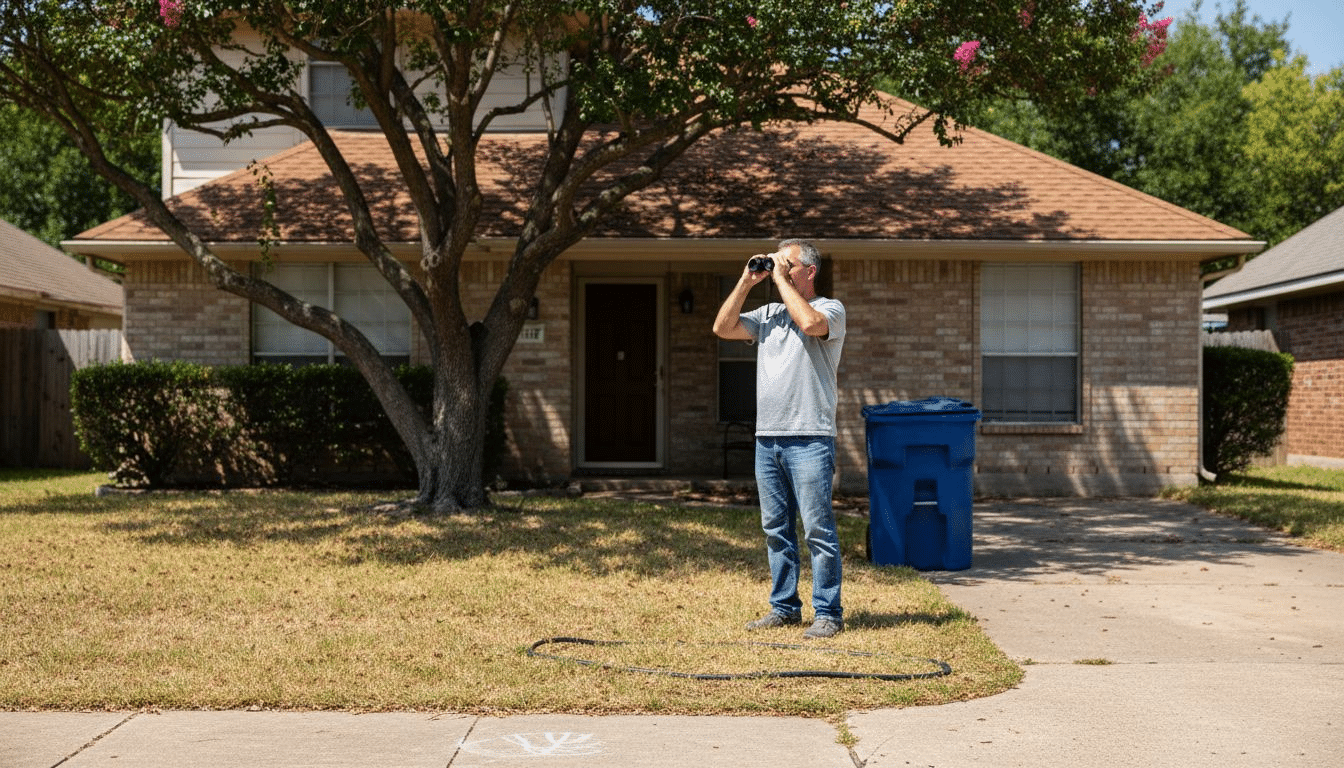
If you want to protect your Texas home from expensive repairs and potential structural damage, regular roof inspections are your first line of defense. Proactively checking your roof can save you thousands of dollars in potential repair costs and help maintain your property’s integrity.
The National Roof Certification and Inspection Association recommends annual professional roof inspections to detect early signs of wear and potential damage. These inspections are particularly crucial in Texas, where extreme weather conditions like intense heat, hailstorms, and high winds can rapidly deteriorate roofing materials.
During a comprehensive roof inspection, professionals will examine multiple critical areas including shingle condition, flashing integrity, potential leak points, and structural alignment. They will look for subtle signs of damage that untrained eyes might miss: curling or missing shingles, granule loss, cracked tiles, and small punctures that could eventually lead to significant water intrusion.
Homeowners in storm-prone regions like San Antonio and Corpus Christi should schedule inspections immediately after major weather events. Windstorm damage assessments are especially important for maintaining insurance eligibility and identifying potential structural vulnerabilities before they become catastrophic issues.
Pro tip: Consider scheduling roof inspections during spring or fall when weather conditions are milder and potential damage from summer storms or winter freezes can be professionally assessed.
2. Clear Gutters and Downspouts to Prevent Leaks
Your home’s gutter system is more than just a peripheral feature it is a critical defense mechanism against water damage and roof deterioration. Keeping gutters and downspouts clear is essential for protecting your Texas home from potentially expensive structural issues.
Clogged gutters can quickly transform from a minor maintenance problem into a significant threat to your home’s integrity. When debris like leaves and dirt accumulate, water cannot flow properly and begins to back up causing potential damage to your roof edges, fascia, and underlying structural components. Professional roof maintenance guidelines emphasize that blocked drainage systems can lead to water seeping into your roof and foundation.
In the challenging Texas climate where sudden rainstorms are common homeowners should aim to clean their gutters at least twice a year more frequently if surrounded by trees. Start by removing large debris by hand then use a garden hose to flush out smaller particles and check for proper water flow. Ensure your downspouts direct water at least three to four feet away from your home’s foundation to prevent moisture buildup and potential structural damage.
Consider installing gutter guards or mesh screens to reduce debris accumulation and minimize the frequency of manual cleaning. These protective additions can significantly reduce maintenance time and help prevent water related roof damage.
Pro tip: Schedule your gutter cleaning during mild weather seasons like early spring or late fall to ensure optimal drainage and prevent potential water damage before extreme Texas weather hits.
3. Check and Replace Damaged Shingles Quickly
In the harsh Texas climate, your roof’s first line of defense is its shingles protection that can quickly deteriorate without proper attention. Damaged shingles are not just an aesthetic issue they represent a critical vulnerability in your home’s protective envelope.
Professional roof inspection guidelines emphasize that prompt identification and replacement of compromised shingles is crucial to preventing extensive water damage. Texas homeowners must be particularly vigilant due to extreme weather conditions like hailstorms and high winds that can rapidly degrade roofing materials.
Look for specific signs of shingle damage including curling edges, cracked surfaces, missing granules, and sections that appear buckled or displaced. These indicators suggest your roof is experiencing structural stress and requires immediate attention. Pay special attention to areas around chimneys, vents, and roof valleys where water tends to accumulate and cause more significant wear.
In regions like San Antonio and Corpus Christi, the Texas Department of Insurance recommends immediate action after severe weather events. Hail damage can cause microscopic fractures that compromise your shingles’ waterproof integrity leading to potential leaks and structural deterioration. Addressing these issues quickly can prevent costly repairs and maintain your home insurance coverage.
Pro tip: Conduct a visual roof inspection after every major storm and keep a set of replacement shingles in your garage for quick emergency repairs.
4. Trim Trees Near Your Roof to Reduce Risks
Trees add beauty and value to your Texas property but can become significant threats to your roof when left unmanaged. Overhanging branches pose serious risks that many homeowners underestimate.
Storm damage prevention guidelines recommend maintaining a safe distance between tree limbs and your roofing surface. In regions like San Antonio and Corpus Christi where severe weather is common, falling branches can cause immediate and extensive roof damage during hurricanes or thunderstorms.
Maintaining proper clearance involves strategic pruning typically keeping branches at least six to ten feet away from your roof. This prevents direct physical contact that could puncture or scrape shingles during high winds. Additionally, trimmed trees reduce the accumulation of organic debris like leaves and moss that can trap moisture and accelerate roof deterioration.
Professional arborists suggest conducting tree assessments twice yearly once in late winter and again before hurricane season. Look for signs of potential branch weakness such as dead limbs, splits in major branches, or trees showing signs of disease that could increase the likelihood of sudden branch failure.
Pro tip: Invest in annual professional tree trimming services before Texas storm seasons to minimize potential roof damage and reduce your long term maintenance costs.
5. Ensure Proper Roof Ventilation for Longevity
Most Texas homeowners overlook a critical aspect of roof health proper ventilation. Your attic is more than just empty space it is a critical system that directly impacts your roof’s performance and longevity.
Roof inspection standards emphasize that effective ventilation prevents moisture buildup which can lead to devastating structural damage. In the intense Texas climate where temperatures can soar above 100 degrees, a well ventilated roof acts like a critical cooling mechanism for your entire home.
Proper ventilation involves creating a balanced airflow system that allows hot air to escape while drawing cooler air into the attic. This means installing a combination of intake vents along the soffit areas and exhaust vents near the roof ridge. The goal is to maintain a consistent temperature that prevents heat and moisture from causing premature aging of your roofing materials.
Texas homeowners should pay special attention to their attic during summer months when temperatures can create extreme heat buildup. Without adequate ventilation, your roof can experience thermal stress that accelerates shingle deterioration and potentially void manufacturer warranties.
Pro tip: Schedule a professional roof ventilation assessment during mild weather seasons to identify and address potential airflow issues before they become expensive problems.
6. Schedule Professional Roof Maintenance Annually
Annual professional roof maintenance is not an optional expense but a critical investment in your home’s structural integrity. Neglecting regular professional inspections can transform minor issues into catastrophic and costly repairs.
Roof maintenance protocols recommend comprehensive annual assessments that go far beyond a simple visual inspection. Professional roofers in Texas understand the unique challenges posed by extreme weather conditions in regions like San Antonio and Corpus Christi.
A thorough professional maintenance visit typically includes detailed examinations of shingle condition, flashing integrity, gutter systems, attic ventilation, and potential leak points. These experts can detect subtle signs of wear that untrained eyes might miss signs that could eventually lead to significant structural damage if left unaddressed.
Homeowners should prioritize scheduling maintenance during mild weather seasons like early spring or late fall. This timing allows professionals to identify and repair any damage from summer storms or winter freeze cycles before they become more serious and expensive problems.
Pro tip: Maintain a detailed maintenance log of each professional inspection to track your roof’s condition over time and potentially improve your home’s insurance coverage and resale value.
7. Prepare Your Roof for Texas Storm Season
In Texas, storm season is not just a weather event it is a serious test of your home’s structural resilience. Preparing your roof before hurricane and severe thunderstorm seasons can mean the difference between minor repairs and catastrophic damage.
Storm preparation standards recommend a comprehensive approach to protecting your roof. Homeowners in coastal regions like Corpus Christi and San Antonio must be especially proactive given the frequency of intense weather systems that sweep through Texas.
Start by conducting a thorough roof inspection to identify existing vulnerabilities. Check for loose or damaged shingles, compromised flashing, and potential weak points that could fail under high wind conditions. Consider having a professional assess your roof’s wind resistance and recommend specific reinforcement strategies.
Critical preparation steps include clearing gutters and downspouts to ensure proper water drainage, trimming nearby trees to reduce potential debris impact, and securing or replacing damaged roofing materials. Invest in wind resistant roofing materials if you live in a high risk storm zone and consider additional protective measures like hurricane straps that can help anchor your roof more securely.
Pro tip: Document your roof’s current condition with dated photographs before storm season to help streamline potential insurance claims and provide clear evidence of pre existing roof status.
Below is a comprehensive table summarizing the principal strategies and maintenance practices discussed in the article for ensuring your roof’s longevity and resilience in Texas.
| Maintenance Task | Details | Key Benefits |
|---|---|---|
| Regular Roof Inspections | Schedule professional inspections to identify potential issues early, especially after storms. | Prevents costly repairs and maintains structural integrity. |
| Gutter Cleaning | Clear gutters and downspouts at least twice yearly to prevent water damage. | Ensures proper water drainage and prevents roof edge and foundation damage. |
| Shingle Replacement | Promptly address damaged or missing shingles by replacing them to maintain protection. | Enhances the roof’s efficiency and prevents leaks. |
| Tree Trimming | Maintain clearance between trees and the roof regularly to prevent branch damage. | Reduces risk during storms and prevents debris accumulation. |
| Roof Ventilation | Ensure balanced airflow in your attic to control heat and moisture levels. | Increases roof material lifespan and energy efficiency. |
| Annual Professional Maintenance | Invest in yearly professional maintenance visits to assess and repair damage. | Sustains the roof’s structural resilience while reducing long-term costs. |
| Storm Season Preparation | Inspect and fortify the roof with professional assistance before storm season. | Minimizes damage risk and supports insurance claims with documented conditions. |
Protect Your Texas Home with Expert Roofing Solutions
Maintaining a strong, weather-resistant roof is essential to shield your Texas home from costly damage caused by storms, heat, and natural wear. This article highlights key challenges like damaged shingles, poor ventilation, and clogged gutters that can compromise your roof’s integrity. Don’t let minor issues turn into expensive repairs or insurance headaches. At Buffalo Roofing & Exteriors, we understand the unique needs of homeowners in Corpus Christi and San Antonio, offering trusted roofing services tailored to withstand the Texas climate.
Take control of your home’s protection today by exploring our comprehensive Roofing Archives | Buffalo Roofing & Exteriors for expert advice and proven solutions. Whether you need urgent repairs or a new roof installation, our skilled team delivers quality and reliability you can trust. Visit https://buffaloroofingandexteriors.com/ now for a free estimate and secure your home against future weather threats. Your roof’s health is not an option but a must-have for peace of mind and long-term value.
Frequently Asked Questions
How often should I inspect my roof in Texas?
You should conduct a roof inspection at least once a year, with additional checks after severe weather events. Schedule inspections during mild weather seasons to assess any damage effectively and address issues early.
What should I do if I find damaged shingles on my roof?
If you notice damaged shingles, replace them promptly to prevent water leaks and further deterioration. Conduct a visual inspection after storms and keep replacement shingles on hand for quick repairs.
How can I improve my roof’s ventilation?
To improve your roof’s ventilation, ensure you have a balanced airflow system with intake vents and exhaust vents. Consider hiring a professional to assess your attic ventilation and make necessary adjustments within the next few weeks to prevent heat buildup.
What steps can I take to prepare my roof for storm season?
To prepare your roof for storm season, inspect for vulnerabilities, clear gutters, and trim nearby trees. Take these actions at least a month before the storm season to maximize your roof’s resilience against severe weather.
Why is gutter maintenance important for my roof’s health?
Gutter maintenance is essential because clogged gutters can lead to water backing up and causing damage to your roof’s edges and foundation. Clean your gutters at least twice a year, or more frequently if surrounded by trees, to ensure proper drainage and prevent structural issues.
Recommended
- How to Spot and Fix Roof Leaks Before They Lead to Major Damage | Buffalo Roofing & Exteriors | San Antonio to Corpus Christi, TX
- Why Summer Is the Best Time for Exterior Upgrades | Buffalo Roofing & Exteriors | San Antonio to Corpus Christi, TX
- Roofing Challenges in Corpus Christi: What Homeowners Need to Know | Buffalo Roofing & Exteriors | San Antonio to Corpus Christi, TX
- Top Signs Your Roof Needs Repairs Before It’s Too Late | Buffalo Roofing & Exteriors | San Antonio to Corpus Christi, TX
- Essential Cleaning for New Homeowners in McKinney (2025 Guide)
- Roofing Services in Corpus Christi TX