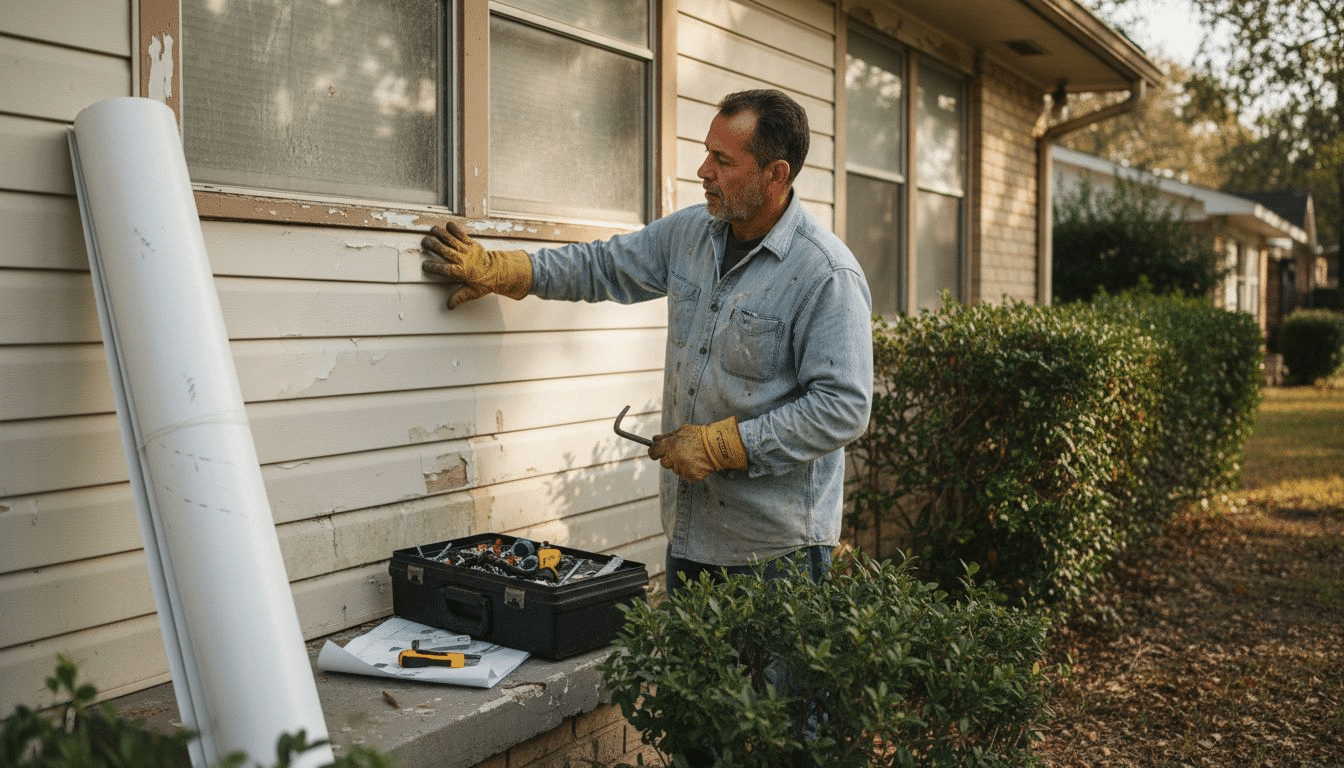
Recent storms have left thousands of Corpus Christi homes exposed to rapid siding deterioration, putting both safety and property value at risk. For the average American homeowner, worn siding means higher energy bills, increased repair costs, and a noticeable drop in curb appeal. This guide reveals how targeted siding replacement can bring lasting resilience and a more attractive exterior while navigating unique coastal Texas challenges and material choices.
Table of Contents
- Defining Siding Replacement And Its Purpose
- Types Of Siding Used In Coastal Texas
- How The Siding Replacement Process Works
- Benefits Of Replacing Weather-Damaged Siding
- Cost, Longevity, And Common Pitfalls
Key Takeaways
| Point | Details |
|---|---|
| Siding Replacement Purpose | Siding replacement protects homes from environmental damage while enhancing aesthetics. It prevents moisture infiltration and improves energy efficiency. |
| Material Selection for Coastal Texas | Selecting the right siding is crucial due to unique coastal challenges. Materials like Fiber Cement and Vinyl offer durability and low maintenance. |
| Replacement Process Awareness | Understanding the siding replacement process helps homeowners better prepare for inspections and permits. Meticulous planning leads to long-lasting results. |
| Cost Considerations | Homeowners should budget for both initial installation and long-term maintenance costs. Professional installation can avoid common pitfalls that lead to costly repairs. |
Defining Siding Replacement and Its Purpose
Siding replacement is the critical process of removing old, damaged exterior wall coverings and installing new protective materials on a home’s outer structure. This procedure serves multiple essential functions beyond simple aesthetic improvement. Exterior wall protection) fundamentally involves creating a defensive barrier that shields your home from environmental challenges like intense sunlight, heavy rainfall, extreme temperatures, and potential storm damage.
At its core, siding replacement involves carefully removing existing exterior panels and installing new materials designed to enhance both structural integrity and visual appeal. Unlike basic cosmetic upgrades, this process requires professional assessment and strategic material selection to ensure optimal performance. Homeowners in coastal regions like Corpus Christi face unique challenges from saltwater exposure, high humidity, and frequent storm systems that can rapidly deteriorate exterior surfaces.
Protective wall cladding serves multiple critical functions beyond simple weatherproofing. These functions include:
- Insulating the home and improving energy efficiency
- Preventing moisture infiltration
- Protecting structural walls from direct environmental damage
- Enhancing overall property aesthetic and market value
- Creating an additional layer of structural defense against potential structural compromises
Pro tip: Before scheduling a siding replacement, document existing damage with detailed photographs and measurements to help contractors provide more accurate estimates and recommendations.
Types of Siding Used in Coastal Texas
Coastal Texas homeowners face unique challenges when selecting exterior siding materials due to extreme weather conditions, high humidity, and potential hurricane risks. Siding materials for coastal regions must be carefully chosen to withstand intense sunlight, saltwater exposure, and frequent storm systems that can rapidly deteriorate exterior surfaces.
Five primary siding types dominate the coastal Texas market, each offering distinct advantages for protecting homes against environmental challenges. Fiber cement siding stands out as a top performer, providing exceptional durability and resistance to moisture, termites, and wind damage. Vinyl siding offers an affordable alternative with low maintenance requirements, while wood siding remains popular for its classic aesthetic, particularly when treated with specialized protective coatings.
Coastal home siding options typically include the following materials:
- Fiber Cement: Highest resistance to fire, impact, and insect damage
- Vinyl: Most cost-effective and low-maintenance option
- Wood: Traditional appearance with proper treatment
- Aluminum: Lightweight and corrosion-resistant
- Composite Materials: Engineered for maximum durability
Each material requires careful consideration of local weather patterns, maintenance capabilities, and long-term performance expectations. Metal and composite options provide superior protection against the harsh coastal environment, while traditional materials like wood demand more frequent maintenance and protective treatments.
Here’s a comparison of common siding materials suited for coastal Texas homes:
| Material | Typical Lifespan | Main Maintenance Needs | Coastal Weather Resilience |
|---|---|---|---|
| Fiber Cement | Up to 50 years | Occasional cleaning | Outstanding against storms, salt |
| Vinyl | 20–30 years | Annual inspection, gentle wash | Good, but may fade from sun |
| Treated Wood | 15–25 years | Frequent sealing/treatments | Vulnerable to moisture, pests |
| Aluminum | 30–40 years | Paint touch-ups | Strong against corrosion |
| Composite | 35–45 years | Minimal maintenance | Excellent against humidity |
Pro tip: Consult with local siding professionals who understand Corpus Christi’s specific environmental challenges to select the most appropriate siding material for your home’s unique requirements.
How the Siding Replacement Process Works
Siding replacement is a comprehensive process that requires meticulous planning, professional expertise, and careful execution to ensure long-lasting protection for homes in coastal Texas. Building code compliance is a critical first step, as local regulations often mandate specific requirements for exterior home renovations, particularly in storm-prone regions like Corpus Christi.
The typical siding replacement procedure involves several key stages that homeowners should understand. Initial assessment begins with a thorough professional inspection of existing siding, identifying areas of damage, moisture intrusion, or structural compromise. Contractors will carefully measure the home’s exterior, document current conditions, and develop a comprehensive replacement strategy tailored to the specific environmental challenges of coastal Texas.
The actual replacement process follows a structured approach:
- Permit acquisition and documentation
- Protective covering of surrounding landscaping and property areas
- Careful removal of existing siding
- Inspection and repair of underlying structural elements
- Installation of weather barrier and protective underlayment
- Precise placement of new siding materials
- Finishing and sealing of all exterior surfaces
- Final inspection and cleanup
Each stage requires specialized tools, techniques, and expertise to ensure proper installation and long-term performance. Homeowners should expect the entire process to take several days to weeks, depending on the home’s size and complexity of the project.
Pro tip: Request detailed documentation of the replacement process, including before and after photographs, material specifications, and warranty information to protect your investment and ensure proper installation.
Benefits of Replacing Weather-Damaged Siding
Weather-damaged siding poses significant risks to homeowners in coastal Texas, where extreme environmental conditions can rapidly deteriorate exterior protection. Home exterior preservation involves understanding the critical importance of timely siding replacement to prevent comprehensive structural damage and maintain property value.
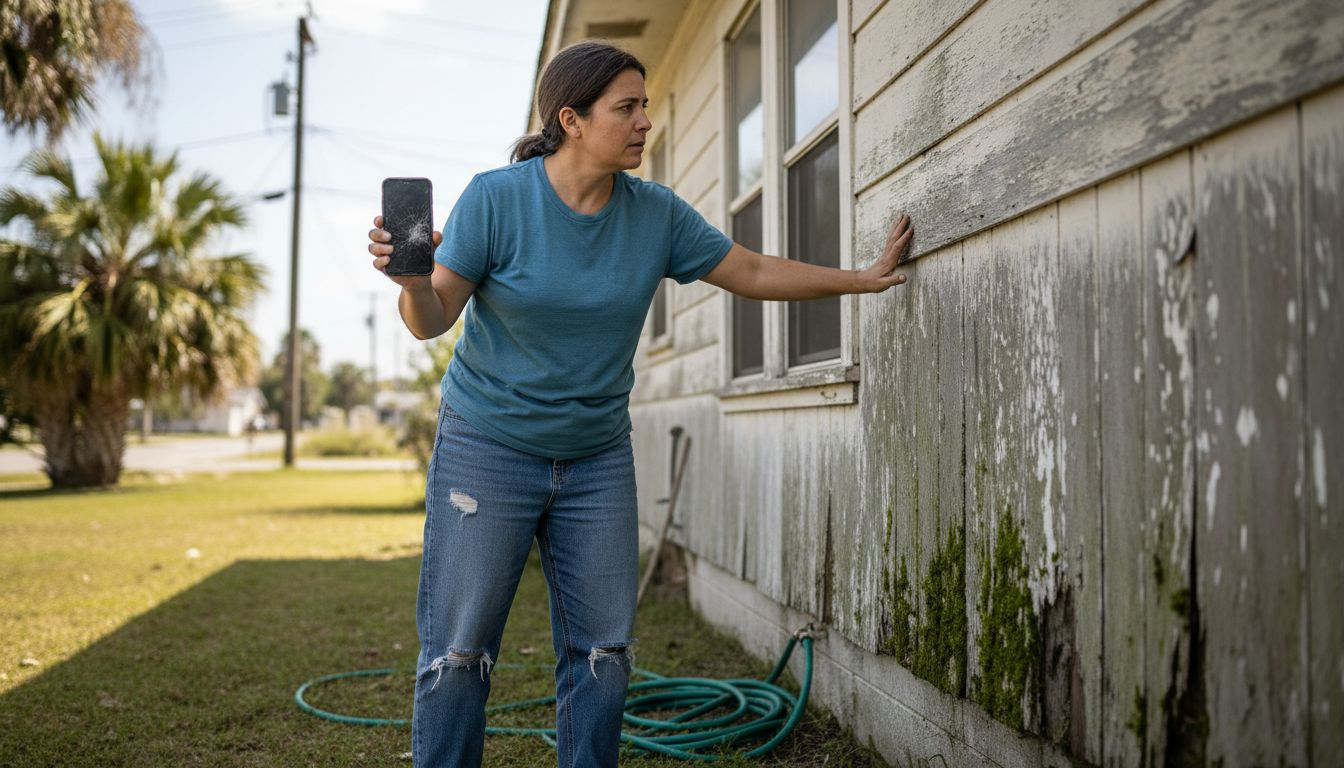
The benefits of replacing weather-damaged siding extend far beyond simple aesthetic improvements. Structural integrity becomes compromised when existing siding fails to protect against moisture, salt exposure, and intense ultraviolet radiation characteristic of coastal regions. By proactively addressing siding damage, homeowners can prevent exponentially more expensive repairs related to underlying structural degradation, potential mold growth, and insulation failures.
Key advantages of siding replacement include:
- Preventing moisture intrusion and potential water damage
- Improving home energy efficiency
- Enhancing overall property aesthetic and market value
- Blocking potential pest infestations
- Increasing thermal insulation performance
- Protecting fundamental structural components from environmental stress
Additional benefits emerge when homeowners invest in quality siding replacement, such as reducing long-term maintenance costs and creating a more resilient exterior that can withstand Corpus Christi’s challenging weather patterns. Modern siding materials offer superior durability, improved insulation technologies, and enhanced resistance to storm-related damage.
Pro tip: Schedule a professional siding inspection immediately after significant storm events to identify and address potential damage before it becomes a costly, extensive repair project.
Cost, Longevity, and Common Pitfalls
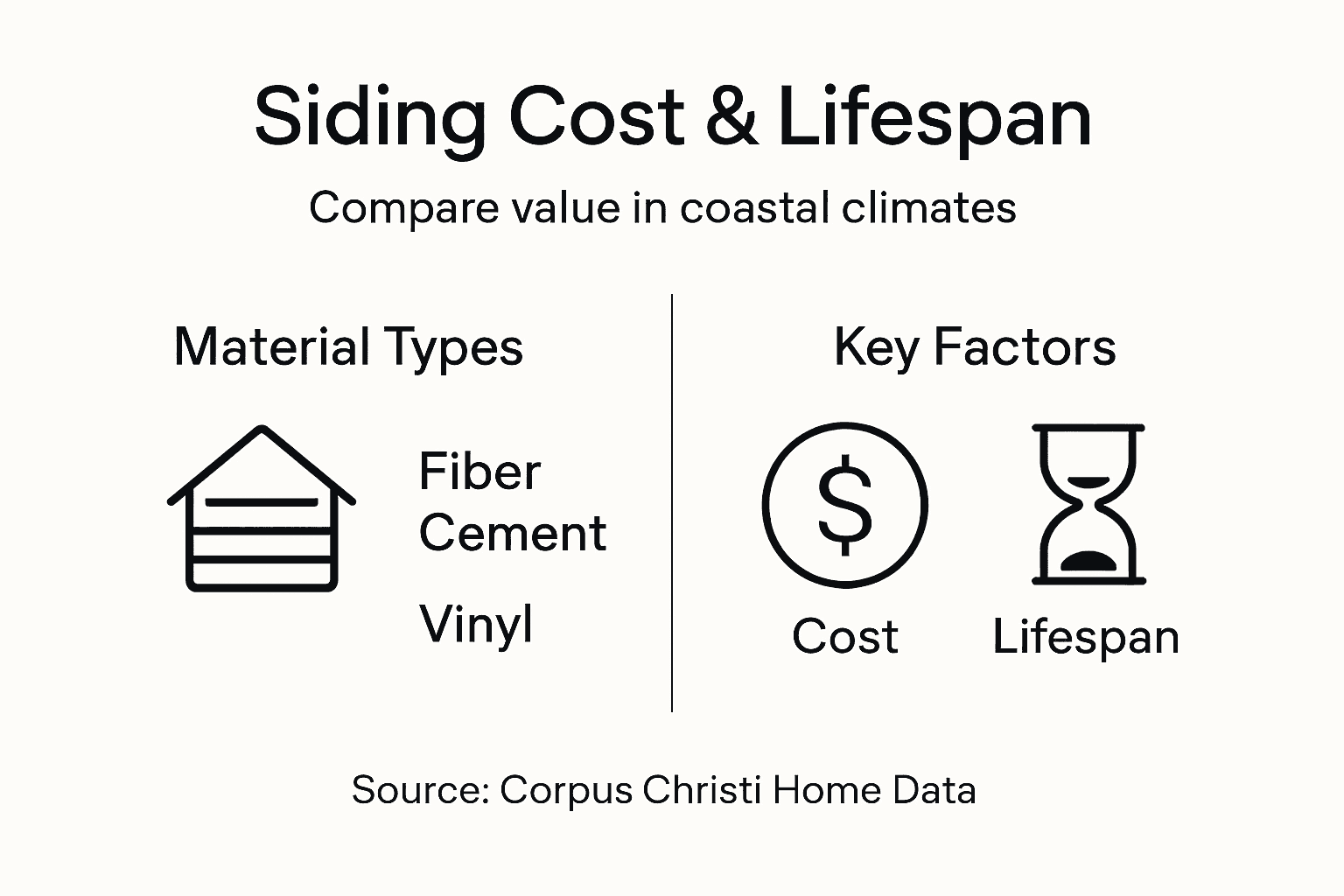
Siding replacement represents a significant investment for Corpus Christi homeowners, with costs varying dramatically based on material selection and project complexity. Siding installation expenses typically range from $8 to $13 per square foot, depending on the chosen material and specific home requirements. Homeowners must consider not just the initial installation cost, but long-term durability and maintenance expenses associated with different siding materials.
Material longevity plays a crucial role in determining overall project value and effectiveness. Different siding materials offer varying lifespans and performance characteristics tailored to coastal Texas’s challenging environmental conditions. Fiber cement siding stands out as a premium option, providing exceptional durability with potential lifespans approaching 50 years, while vinyl and wood alternatives may require more frequent replacement and maintenance.
Key considerations for siding replacement costs include:
Consider these critical factors when budgeting for siding replacement:
| Factor | Description | Impact on Total Cost |
|---|---|---|
| Material Selection | Determines price and durability | Most significant price driver |
| Home Size & Complexity | Larger or intricate structures | Increases labor and material use |
| Permit & Compliance Fees | Required for legal installation | Adds to upfront expenses |
| Warranty Coverage | Duration and inclusions | Affects long-term savings |
- Initial material and installation expenses
- Long-term maintenance requirements
- Climate-specific durability challenges
- Potential energy efficiency improvements
- Impact on property resale value
- Warranty and manufacturer guarantees
Siding installation challenges often emerge from overlooked details that can compromise long-term performance. Common pitfalls include improper water barrier installation, inadequate flashing techniques, incorrect nailing practices, and failure to account for local climate-specific environmental stressors. Professional installation becomes critical in preventing these potential issues, especially in regions experiencing extreme weather conditions like coastal Texas.
Pro tip: Request detailed warranties and compare total lifecycle costs rather than focusing solely on upfront installation expenses when selecting siding materials for your home.
Protect Your Home with Expert Siding Replacement Solutions
If you are concerned about weather-damaged or outdated siding compromising your home’s protection and value in Corpus Christi or surrounding coastal areas you are not alone. Replacing siding is essential to prevent moisture intrusion, energy loss, and structural issues caused by harsh coastal weather conditions as discussed in the article. At Buffalo Roofing & Exteriors we understand the unique challenges faced by local homeowners and specialize in durable siding options designed to withstand saltwater exposure, humidity, and storms.
Discover how our siding experts can provide a professional assessment, recommend the best materials, and deliver quality installation that enhances both your home’s defense and curb appeal. Take advantage of our free estimates, financing options, and trusted warranties to secure peace of mind today. Visit our Siding Archives | Buffalo Roofing & Exteriors page for more details or explore our full range of exterior home services at Buffalo Roofing & Exteriors. Don’t wait for damage to worsen contact us now for a comprehensive siding inspection and get started on protecting your coastal home.
Frequently Asked Questions
What is siding replacement?
Siding replacement is the process of removing old, damaged exterior wall coverings and installing new materials to protect and enhance a home’s exterior.
Why is siding replacement important for homeowners?
Siding replacement is crucial as it helps prevent moisture infiltration, improves energy efficiency, and protects the structural integrity of a home against environmental damage.
What types of siding materials are available for replacement?
Common siding materials include fiber cement, vinyl, wood, aluminum, and composite materials, each offering different advantages in terms of durability, maintenance, and aesthetic appeal.
How long does the siding replacement process typically take?
The siding replacement process can take several days to weeks, depending on the size and complexity of the home, as well as the specific materials being installed.
Recommended
- Signs Your Home Needs New Siding | Buffalo Roofing & Exteriors | San Antonio to Corpus Christi, TX
- Siding | Buffalo Roofing & Exteriors | San Antonio to Corpus Christi, TX
- Signs It’s Time to Replace Your Old Deck | Buffalo Roofing & Exteriors | San Antonio to Corpus Christi, TX
- Is Your Siding Ready for Hurricane Season? | Buffalo Roofing & Exteriors | San Antonio to Corpus Christi, TX
- What Is Cabinet Refacing? Kitchen Upgrades for 2025
- Roofing Services in Corpus Christi TX