A deck can completely transform how you use your outdoor space. Whether it becomes a place to entertain, relax, or simply enjoy fresh air, one major decision shapes how your deck will function year-round: should it be covered or open? Both covered decks and open decks offer unique benefits, and the right choice depends on your lifestyle, budget, climate, and how you plan to use the space. Understanding the differences can help you invest in a deck that fits your home and your needs.
What Is a Covered Deck?
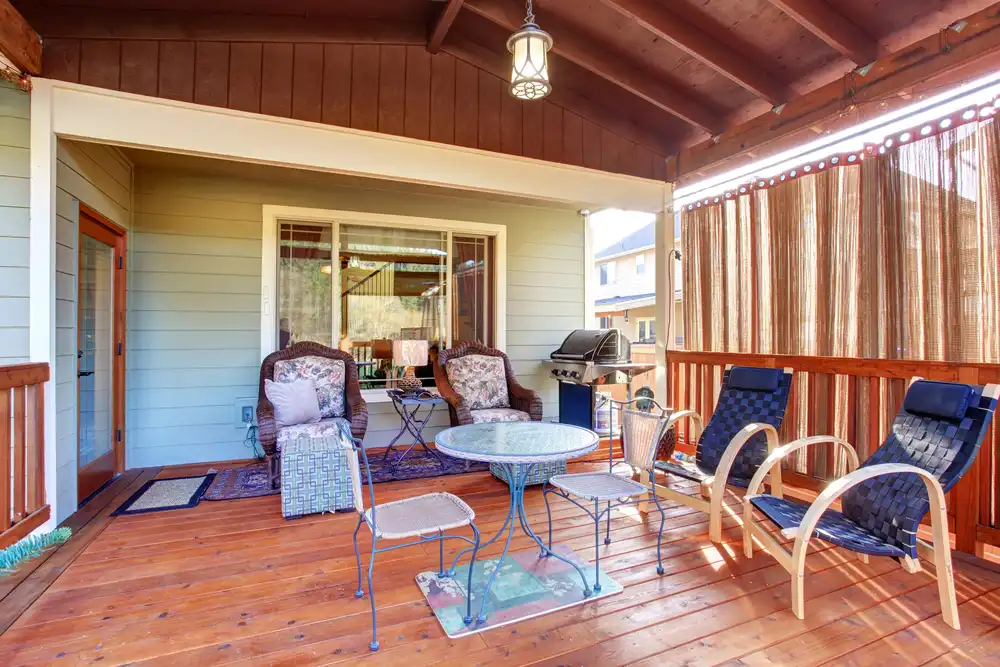
A covered deck includes a permanent or semi-permanent overhead structure designed to protect the space from the elements. This can be a roof extension from the house, a pergola with solid panels, or a fully enclosed roof system. Covered decks are often integrated into the home’s architecture, creating a seamless transition between indoor and outdoor living. Because they offer protection from rain, snow, and sun, they are typically used more frequently throughout the year.
What Is an Open Deck?
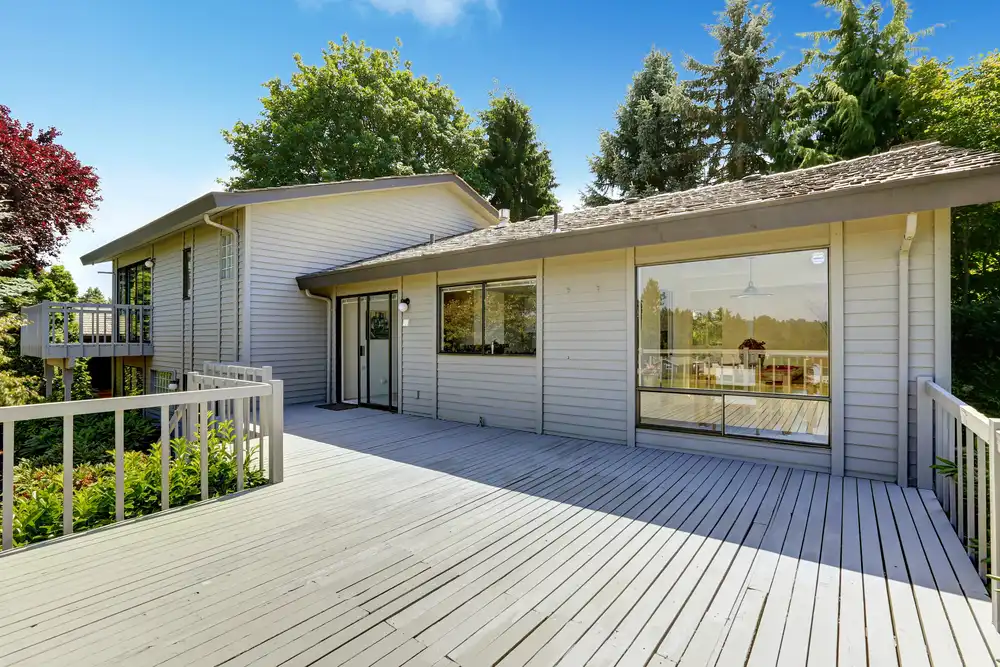
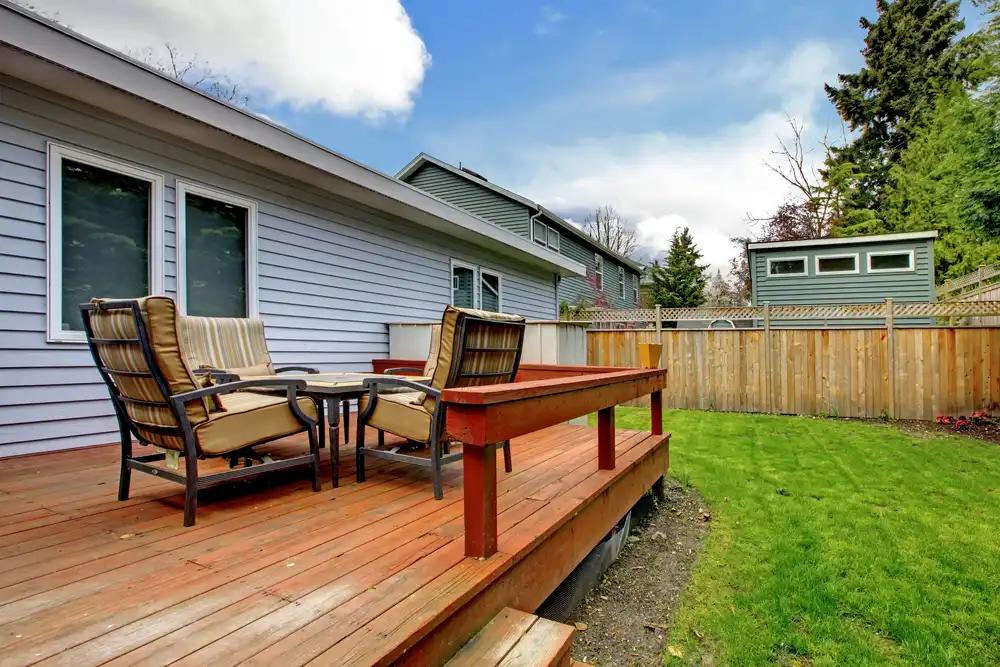
An open deck has no overhead covering, allowing full exposure to sunlight, open air, and the surrounding environment. These decks emphasize simplicity and connection to the outdoors. Open decks are common for homes that prioritize views, natural light, and a more traditional outdoor experience. They are often easier and less expensive to build, making them a popular choice for many homeowners.
Benefits of a Covered Deck
One of the biggest advantages of a covered deck is weather protection. Rain, snow, and harsh sunlight are less of a concern, allowing you to use the space even when conditions aren’t ideal. This is especially valuable in regions with unpredictable or extreme weather. Covered decks also extend seasonal use, making outdoor living more practical across multiple seasons. You can enjoy morning coffee during light rain, host gatherings in the heat of summer, or relax outside during cooler months with added heaters or screens. Comfort is another benefit, as shade reduces heat buildup and protects furniture from UV damage, and many homeowners add ceiling fans, lighting, or outdoor heaters. A well-designed covered deck can also enhance curb appeal and increase resale value, as buyers often see covered outdoor living spaces as an extension of the home rather than a separate feature.
Drawbacks of a Covered Deck
Covered decks generally cost more due to additional materials, labor, and structural support. Roofing systems, posts, and potential electrical work increase overall cost compared to an open deck. They also involve more complex permits and inspections, since covered decks are considered structural additions and must meet local building code requirements for roof load, drainage, and height. Another consideration is reduced natural light, as a roofed structure can block sunlight from reaching the deck and adjacent interior rooms, which may be a drawback in cooler or darker climates.
Benefits of an Open Deck
Open decks are typically more affordable because of their simpler design and fewer materials, making them attractive for homeowners working within a budget. Without a roof overhead, they allow maximum sunlight and unobstructed views of the sky and surrounding landscape, which is ideal for sunbathing, stargazing, or enjoying natural light. Open decks are also simpler to build and maintain, as there are no roofing materials to repair or replace. Homeowners can still add flexibility by using umbrellas, shade sails, or retractable awnings for temporary coverage without committing to a permanent structure.
Drawbacks of an Open Deck
The main limitation of an open deck is exposure to the elements. Rain, snow, and intense sunlight can limit usability during certain seasons and increase wear on decking materials and furniture. This exposure can shorten the lifespan of materials, particularly wood decking, which requires regular sealing, staining, and inspections. Open decks may also offer less privacy, as the lack of overhead or side coverage can make the space feel more exposed to neighboring properties.
Climate Considerations
Climate plays a major role in choosing between a covered and open deck. In areas with frequent rain, snow, or strong sun, a covered deck provides better protection and more consistent use. In milder or drier climates, an open deck may offer the perfect balance of comfort and simplicity. Wind exposure, temperature swings, and seasonal weather patterns should all be factored into your decision.
How You Plan to Use the Deck
Your intended use of the deck is just as important as climate. If you plan to host outdoor dinners, install an outdoor kitchen, or create a year-round living space, a covered deck may be the better option. If your goal is occasional relaxation, grilling, or enjoying sunny afternoons, an open deck may meet your needs more effectively. Consider how often you’ll use the deck, who will use it, and whether you want it to function as an extension of your indoor living space.
Maintenance and Longevity
Covered decks typically experience less moisture and UV exposure, which can extend the life of decking boards and outdoor furnishings. Open decks require more frequent maintenance to prevent rot, fading, and surface damage. Regardless of the style you choose, proper waterproofing, drainage, and routine inspections are essential for long-term performance.
Which Deck Is Right for You?
Choosing between a covered deck and an open deck comes down to balancing cost, comfort, and functionality. Covered decks offer protection, versatility, and long-term value, while open decks provide simplicity, affordability, and a closer connection to the outdoors. The best choice is the one that aligns with your lifestyle, climate, and how you envision using your outdoor space for years to come.