

Living along the Texas coast means your home faces unique challenges. Intense sunlight, strong storms, and humidity can quickly wear down even the strongest roofs. Spotting problems early can make the difference between a quick fix and a major repair bill.
This guide gives you practical ways to protect your roof before small issues turn into costly headaches. You’ll discover how regular inspections and simple maintenance steps can keep your home safe and dry. Get ready to learn the key areas to watch and pro tips that make a real difference for Texas homeowners.
Table of Contents
- Inspect Shingles and Tiles for Damage
- Clear Gutters and Downspouts of Debris
- Check Flashing Around Vents and Chimneys
- Look for Moss, Algae, and Mold Growth
- Examine Roof for Signs of Leaks or Water Spots
- Trim Overhanging Tree Branches Near Roof
- Schedule Professional Roof Inspection Annually
Quick Summary
| Takeaway | Explanation |
|---|---|
| 1. Regularly inspect shingles and tiles | Conduct visual inspections for curled, cracked, or missing shingles to catch damage early before it escalates. |
| 2. Keep gutters and downspouts clear | Remove debris to ensure proper drainage and prevent water damage to your home’s foundation. |
| 3. Check flashing around vents and chimneys | Examine flashing for corrosion or gaps, which can lead to water intrusion and expensive repairs. |
| 4. Identify and treat mold and algae | Look for dark streaks or fuzzy patches that can trap moisture and damage roofing materials over time. |
| 5. Schedule annual professional inspections | Regular professional evaluations help to identify potential roof issues before major damage occurs. |
1. Inspect Shingles and Tiles for Damage
Keeping your roof in top condition starts with thorough visual inspections of your shingles and tiles. Damage can develop quickly in coastal Texas regions where harsh weather conditions like intense sunlight and occasional storm systems can rapidly degrade roofing materials.
The primary goal is to catch potential issues before they become expensive repairs. A comprehensive shingle inspection involves examining multiple aspects of your roof’s surface carefully:
- Look for curled or buckled shingles which indicate advanced wear
- Check for missing granules on asphalt shingles that signal material breakdown
- Identify cracked or split tiles that compromise water resistance
- Watch for shingles that appear loose or have lifted edges
While ground-level inspections provide initial insights, closer examination reveals critical details. Homeowners should look for signs like improperly installed fasteners or nails that cause shingles to tear loose. Some minor damage can be addressed through individual shingle replacement.
Special attention is needed in areas frequently exposed to direct sunlight or experiencing high wind conditions. Coastal Texas homes face unique environmental challenges that accelerate roofing material deterioration.
Professional roof inspections can identify hidden damage before it becomes a major structural issue.
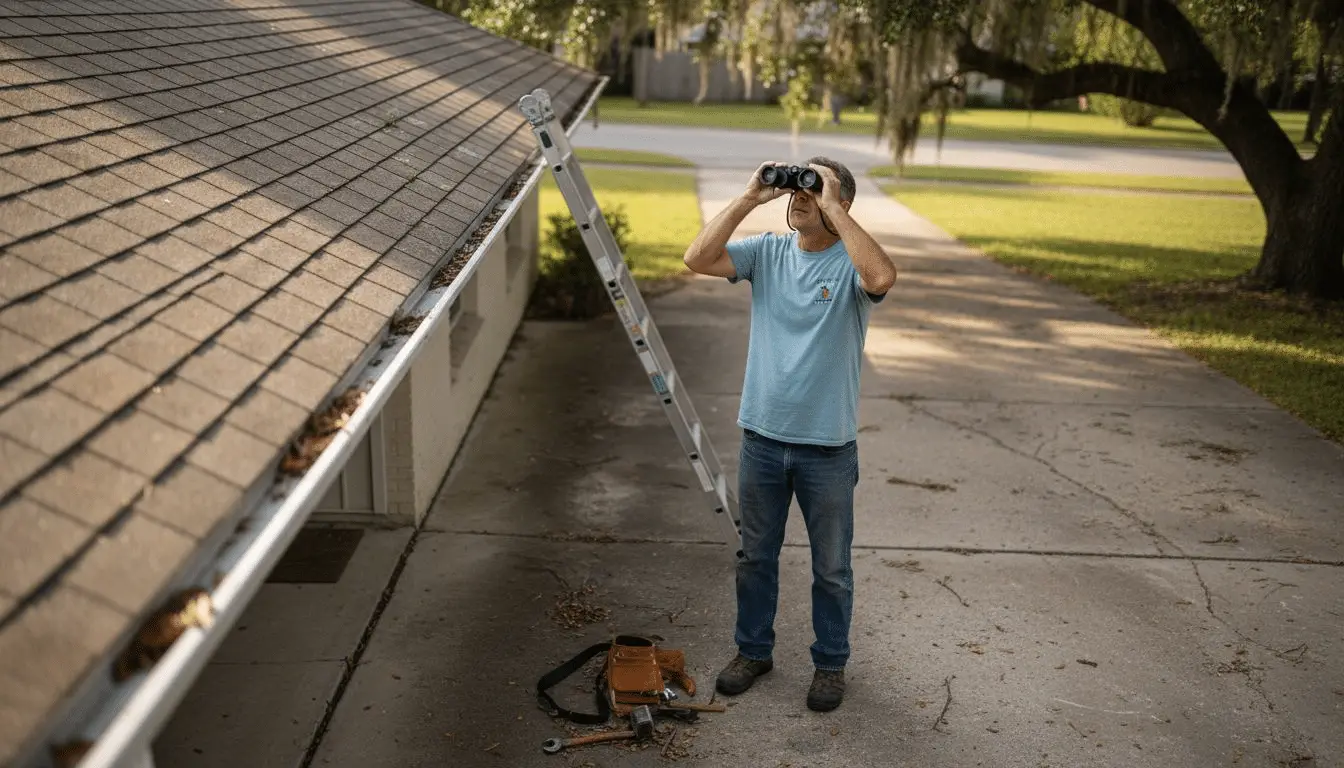
Pro tip: Use binoculars for a detailed ground-level inspection to safely assess your roof’s condition without risking personal injury.
2. Clear Gutters and Downspouts of Debris
Clogged gutters and downspouts are more than just a minor nuisance they represent a serious potential threat to your home’s structural integrity. In coastal Texas regions like Corpus Christi and San Antonio, where sudden storms and high winds are common, maintaining clear drainage paths is crucial for preventing water damage.
Proper gutter maintenance involves several key strategies:
- Remove leaves, twigs, and accumulated debris regularly
- Check for signs of rust or structural damage
- Ensure downspouts are properly redirecting water away from foundation
- Inspect gutter slope to confirm correct water flow
- Look for potential blockages or sagging sections
When gutters become blocked, water can overflow and create significant problems. This excess moisture can lead to foundation erosion and potential basement flooding. The damage often occurs gradually but can result in expensive repairs if left unchecked.
Consistent gutter maintenance prevents costly water damage and protects your home’s structural integrity.
Homeowners should aim to clean gutters at least twice annually more frequently in areas with heavy foliage or after major storm events. Using specialized gutter cleaning tools can make this task safer and more efficient.
Pro tip: Consider installing gutter guards to reduce debris accumulation and minimize the frequency of manual cleaning.
3. Check Flashing Around Vents and Chimneys
Flashing serves as your roof’s critical defense against water intrusion especially around vulnerable points like vents and chimneys. In coastal Texas regions where severe weather can quickly compromise roofing integrity understanding flashing becomes essential for home maintenance.
Your roof’s flashing is a specialized metal barrier designed to redirect water and prevent moisture penetration. Proper flashing installation prevents structural damage by channeling water away from critical penetration points.
Key areas to examine during a flashing inspection include:
- Check for signs of corrosion or rust
- Look for gaps or separation between flashing and roof surface
- Verify tight seal around chimney and vent edges
- Inspect for cracked or damaged caulking
- Ensure flashing remains securely fastened
Homeowners should understand that damaged flashing can lead to significant water intrusion. Even small gaps can allow moisture to penetrate your roof’s underlayment causing potential wood rot structural weakening and expensive repairs.
Consistent flashing maintenance protects your home from costly water damage and structural compromise.
In regions like San Antonio and Corpus Christi where temperature fluctuations and severe storms are common professional inspection becomes particularly important. Metal flashing expands and contracts with temperature changes which can gradually compromise its protective capabilities.
Pro tip: Use a bright flashlight during inspections to help identify subtle flashing damage that might be invisible to the naked eye.
4. Look for Moss, Algae, and Mold Growth
Moss, algae, and mold are not just unsightly roof invaders they represent serious potential threats to your home’s structural integrity. In the humid coastal regions of Texas particularly around Corpus Christi and San Antonio these organisms can rapidly colonize roofing surfaces.
Moisture is the primary catalyst for organic growth on roofs creating an environment ripe for damage. Algae typically appears as dark streaks while moss creates fuzzy green patches that can physically lift shingle edges.
Key warning signs to watch for include:
- Black or dark streaks across shingle surfaces
- Green fuzzy patches particularly in shaded areas
- Areas of discoloration or unusual texture
- Visible moisture retention on roof surfaces
- Potential lifting or separation of roofing materials
Moss and algae growth can compromise your roof’s protective layers by trapping moisture and potentially causing structural degradation. In Texas’s humid climate these organisms can spread quickly especially on roofs with significant shade or poor air circulation.
Proactive identification and treatment of organic growth can prevent expensive roof repairs and extend your roofing system’s lifespan.
Homeowners should trim overhanging branches reduce moisture accumulation and consider professional cleaning to prevent long term damage. Regular inspections can catch these issues before they become significant problems.
Pro tip: Consider applying zinc or copper strips along roof ridges to create an environment that naturally prevents moss and algae growth.
5. Examine Roof for Signs of Leaks or Water Spots
Leaks are silent destroyers that can compromise your home’s structural integrity often causing extensive damage before becoming visibly apparent. In coastal Texas regions like Corpus Christi and San Antonio where humidity and storm systems are prevalent detecting early signs of water intrusion becomes critically important.
Systematic leak investigation requires working from inside out to accurately identify water penetration points. Understanding where and how moisture enters your roofing system helps prevent long term structural damage.
Key indicators of potential roof leaks include:
- Yellow or brown water stains on interior ceilings
- Discolored areas around ceiling edges
- Peeling paint near roof lines
- Damp spots in attic spaces
- Musty odors in upper rooms
- Visible mold growth on interior walls
Water damage rarely occurs at the exact point of roof penetration. Moisture can travel along rafters and internal structures before showing visible signs making thorough investigation essential.
Early leak detection can save thousands in potential repair costs and prevent catastrophic home damage.
Homeowners should conduct comprehensive inspections after major storm events and during seasonal transitions. Pay special attention to areas around chimneys vents and skylights where water infiltration commonly occurs.
Pro tip: Use a bright flashlight during interior inspections and look for subtle color variations or moisture patterns that might indicate developing leak problems.
6. Trim Overhanging Tree Branches Near Roof
Tree branches hanging near your roof are more than just a scenic nuisance they represent a serious potential threat to your home’s structural integrity. In coastal Texas regions like Corpus Christi and San Antonio where wind and storm systems are prevalent understanding tree maintenance becomes crucial for roof protection.
Strategic tree pruning prevents significant roof damage by reducing physical contact and potential debris accumulation. Overhanging branches can cause multiple problems for homeowners if left unchecked.
Key risks of untrimmed tree branches include:
- Scratching and wearing down roof shingles
- Dropping leaves and organic debris
- Providing access points for pests
- Creating moisture retention zones
- Increasing potential for physical roof damage during storms
Branches rubbing against roofing materials create friction that gradually deteriorates protective surfaces. During high wind events these branches can become projectiles causing immediate and extensive damage to your roof.
Proactive tree maintenance can save thousands in potential roof repair costs.
Homeowners should aim to maintain a minimum clearance of 10 feet between tree branches and roofing surfaces. This distance helps prevent direct contact and reduces potential damage during severe weather conditions.
Pro tip: Consider hiring a professional arborist for precise trimming especially when dealing with large or mature trees near your home.
7. Schedule Professional Roof Inspection Annually
Professional roof inspections represent a critical investment in your home’s long term structural health and protection. In coastal Texas regions like Corpus Christi and San Antonio where extreme weather conditions can rapidly deteriorate roofing materials annual professional assessments become even more essential.
Comprehensive roof inspections identify maintenance needs early and help prevent costly future repairs. These thorough evaluations go far beyond a simple visual assessment.
Benefits of annual professional roof inspections include:
- Identifying potential issues before they become expensive problems
- Documenting current roof condition
- Extending overall roof lifespan
- Maintaining manufacturer warranties
- Providing detailed repair recommendations
- Assessing storm and weather damage
Professional roof inspectors utilize specialized techniques to evaluate multiple aspects of your roofing system. They examine everything from internal attic structures to external shingle conditions creating a comprehensive assessment of your roof’s health.
Annual inspections can save homeowners thousands in potential repair and replacement costs.
Most roofing professionals recommend scheduling inspections before wet seasons or extreme weather periods. This proactive approach allows homeowners to address potential vulnerabilities before they become significant structural issues.
Pro tip: Schedule your roof inspection during moderate weather months to ensure inspectors can thoroughly assess all roofing components without safety limitations.
Below is a comprehensive table summarizing the key roof maintenance strategies and considerations discussed throughout the article.
| Maintenance Task | Key Actions | Benefits |
|---|---|---|
| Inspect Shingles and Tiles | Check for wear, missing granules, or damage. | Prevent expensive roof repairs and ensure condition. |
| Clear Gutters and Downspouts | Remove debris and check slope. | Avoid water overflow and maintain home structure. |
| Check Flashing Around Vents/Chimneys | Verify condition and repair or seal if needed. | Reduce water intrusion risk. |
| Look for Organic Growth | Identify moss, algae, or mold, and treat professionally. | Extend the lifespan of roofing materials. |
| Identify Roof Leaks | Inspect indoor areas for water spots or dampness. | Prevent structural damage from moisture. |
| Trim Overhanging Tree Branches | Prune branches near the roof to a safe distance. | Minimize damage and debris accumulation. |
| Schedule Professional Inspections | Arrange yearly evaluations with qualified roof inspectors. | Detect problems early and maintain system integrity. |
Secure Your Home With Expert Roof Maintenance Solutions
Maintaining your roof requires vigilance to prevent common issues like damaged shingles, clogged gutters, and weakened flashing that can lead to costly repairs. This article highlights the importance of following a detailed roof maintenance checklist to protect your home from weather-related damage and extend its lifespan. If you want to avoid the stress of emergency repairs and ensure your roof withstands Texas coastal conditions, relying on professional help is essential.

Take control of your roof’s health today with Buffalo Roofing & Exteriors, the trusted choice in Corpus Christi and San Antonio. Our expert team offers reliable inspections, thorough repairs, and durable roofing solutions tailored to the challenges highlighted in this guide. Visit our Roofing Archives | Buffalo Roofing & Exteriors to explore tailored services and learn more. Don’t wait until small issues become expensive problems—get your free estimate now at Buffalo Roofing & Exteriors and protect your investment with confidence.
For focused repairs following inspection, see our Repairs Archives | Buffalo Roofing & Exteriors and secure lasting protection for your home.
Frequently Asked Questions
How can I inspect my roof for damage effectively?
To inspect your roof for damage effectively, use binoculars to examine the shingles and tiles for signs of curling, cracks, or missing granules. Conduct this inspection at least twice a year or after major storms to catch potential issues early.
What steps should I take to clear my gutters and downspouts?
Start by removing leaves, twigs, and any accumulated debris from your gutters and downspouts. Aim to perform this task at least twice a year, ideally in the spring and fall, to prevent blockages and protect your home’s foundation from water damage.
How often should I check the flashing around vents and chimneys?
Inspect the flashing around vents and chimneys at least once a year for signs of corrosion, gaps, or loose seals. Addressing any issues promptly can prevent serious water intrusion, saving you from costly repairs down the road.
What are the best practices for controlling moss, algae, and mold growth on my roof?
To control moss, algae, and mold growth, regularly trim overhanging branches and consider applying zinc or copper strips along roof ridges. Perform these preventive measures annually to minimize the risk of moisture accumulation and extend your roof’s lifespan.
How can I effectively identify signs of leaks or water spots in my home?
To identify signs of leaks or water spots, check interior ceilings for yellow or brown stains and inspect the attic for damp spots or musty odors. Conduct this examination after major storms and seasonally to catch any potential leaks early, reducing repair costs.
When is the right time to schedule a professional roof inspection?
Schedule a professional roof inspection once a year, preferably before the rainy season or during mild weather months. This proactive approach helps identify maintenance needs early and extends the life of your roofing system.