TL;DR: Roof rejuvenation is a spray-applied oil treatment that restores flexibility to aging asphalt shingles, while replacement tears off and rebuilds the entire roof system. Rejuvenation works only on shingles that are dried out but not yet damaged, cracked, or leaking — once a roof has storm damage, failed flashing, or is past its structural life, replacement is the only real option.
If your asphalt shingle roof looks faded, brittle, or chalky but isn’t actively leaking, you may be wondering whether you really need a full roof replacement or if a cheaper fix exists. That’s where roof rejuvenation comes in.
Here in the Coastal Bend — Corpus Christi, Alice, Aransas Pass, Banquete, and Beeville — roofs take a beating from intense UV exposure, salt air, humidity, and the occasional tropical system. That combination ages shingles faster than it would inland, which makes this decision especially relevant for local homeowners.
What Is Roof Rejuvenation?
Roof rejuvenation is a treatment, usually spray-applied, designed to restore oils that asphalt shingles lose over time due to sun and heat exposure. These soy- and corn-based treatments penetrate the shingle to replace lost oils, restoring flexibility and waterproofing power.
As shingles age, the asphalt binder dries out, causing granule loss, cracking, and curling. Rejuvenation treatments work by restoring the essential oils shingles lose over time, since as shingles age their natural oils diminish, leading to granule loss and cracking.
Industry manufacturers claim these treatments are recommended for use on asphalt shingle roofs five years and older and can add 10 to 15 years to the life of your roof, with application typically taking just a few hours per roof.
What Rejuvenation Can’t Do
Rejuvenation is a maintenance product, not a repair or structural fix. It cannot:
- Patch active leaks or fix damaged decking
- Replace missing or storm-torn shingles
- Correct failed flashing around vents, chimneys, or valleys
- Restore a roof that’s already past its functional service life
- Satisfy insurance or windstorm certification requirements after storm damage
It’s also worth noting that rejuvenation products are a relatively new and still-evolving category in the roofing industry, and claims about lifespan extension generally come from manufacturer testing rather than independent, long-term field data.
What Is Roof Replacement?
Roof replacement means removing the existing roof system down to the deck and installing new underlayment, flashing, and roofing material. It’s the only option when a roof has reached the end of its service life or suffered damage that maintenance products can’t address.
According to the National Roofing Contractors Association (NRCA), most new roofs are designed to provide useful service for about 20 years, though some roof types such as slate, clay tile, and certain metals can last longer, with actual lifespan determined by local climate, material quality, installation, and maintenance. More specifically, 3-tab asphalt shingles typically last 15 to 20 years, architectural shingles 25 to 30 years, metal roofing 40 to 70 years, and clay or concrete tile 50 years or more.
Coastal humidity and UV exposure tend to push roofs toward the shorter end of those ranges, which is why many Corpus Christi and Coastal Bend homes need replacement sooner than the same roof would inland.
Rejuvenation vs. Replacement: Side-by-Side
Roof Rejuvenation
- Best for shingle roofs 5-15 years old with no active leaks
- Lower cost, faster application (a few hours, not days)
- Addresses cosmetic fading, early brittleness, and minor granule loss
- Does not come with the same warranty protections as a new roof system
- Not a substitute for storm damage repair or windstorm certification
Roof Replacement
- Required for roofs with structural damage, widespread leaks, or that have exceeded their service life
- Resets the clock with a full manufacturer warranty
- Allows material upgrades (impact-resistant shingles, metal, TPO) suited to coastal conditions
- Necessary after major hail or hurricane damage, or when filing an insurance claim
- Required to obtain a new WPI-8 windstorm certificate — the Texas Department of Insurance (TDI) document confirming a roof meets state windstorm building code, which coastal Texas homeowners need to qualify for or renew windstorm insurance coverage
When Rejuvenation Makes Sense
Rejuvenation is worth considering if your roof is:
- Asphalt shingle (not metal, tile, or flat roofing)
- Roughly 5 to 15 years old
- Showing fading, mild curling, or dullness, but no leaks
- Structurally sound with intact flashing and decking
In that window, rejuvenation can buy time and delay a five-figure replacement cost. But it only works on shingles that are dried out, not shingles that are already cracked, torn, or missing granules in patches.
When Replacement Is the Right Call
Skip rejuvenation and go straight to replacement if your roof has:
- Active leaks or visible water stains on ceilings
- Hail bruising, cracked tiles, or wind-lifted shingles from a recent storm
- Exposed or rotting decking
- Multiple repair patches over the years
- Shingles past 15-20 years old (the upper end of typical asphalt lifespan per NRCA)
This is also the situation most homeowners filing an insurance claim find themselves in. If a hailstorm or tropical system has damaged your roof, a rejuvenation spray won’t satisfy an adjuster, and it won’t get you a new WPI-8 certificate if you’re in a TDI-designated windstorm zone. Only a documented replacement with TDI-evaluated materials, inspected during or after construction, qualifies for windstorm certification in coastal Texas counties.
Local Factors That Affect the Decision
In the Corpus Christi, Alice, Aransas Pass, Banquete, and Beeville area, three things push the decision toward replacement sooner than in other parts of the country:
- UV intensity: South Texas sun accelerates the oxidation that dries out shingle oils in the first place, shortening the window where rejuvenation is effective.
- Salt air and humidity (coastal zones): Moisture and salt exposure near Aransas Pass and Corpus Christi accelerate corrosion on flashing, fasteners, and metal components in ways a shingle-only treatment can’t address.
- Windstorm code requirements: Homes in TDI-designated catastrophe areas must meet windstorm building standards, and the WPI-8 Windstorm Inspection Certificate is required for TWIA windstorm insurance across the designated coastal counties, signed by a Texas-licensed professional engineer, registered architect, or certified inspector, relying on TDI-evaluated products and current code.
How a Free Estimate Helps You Decide
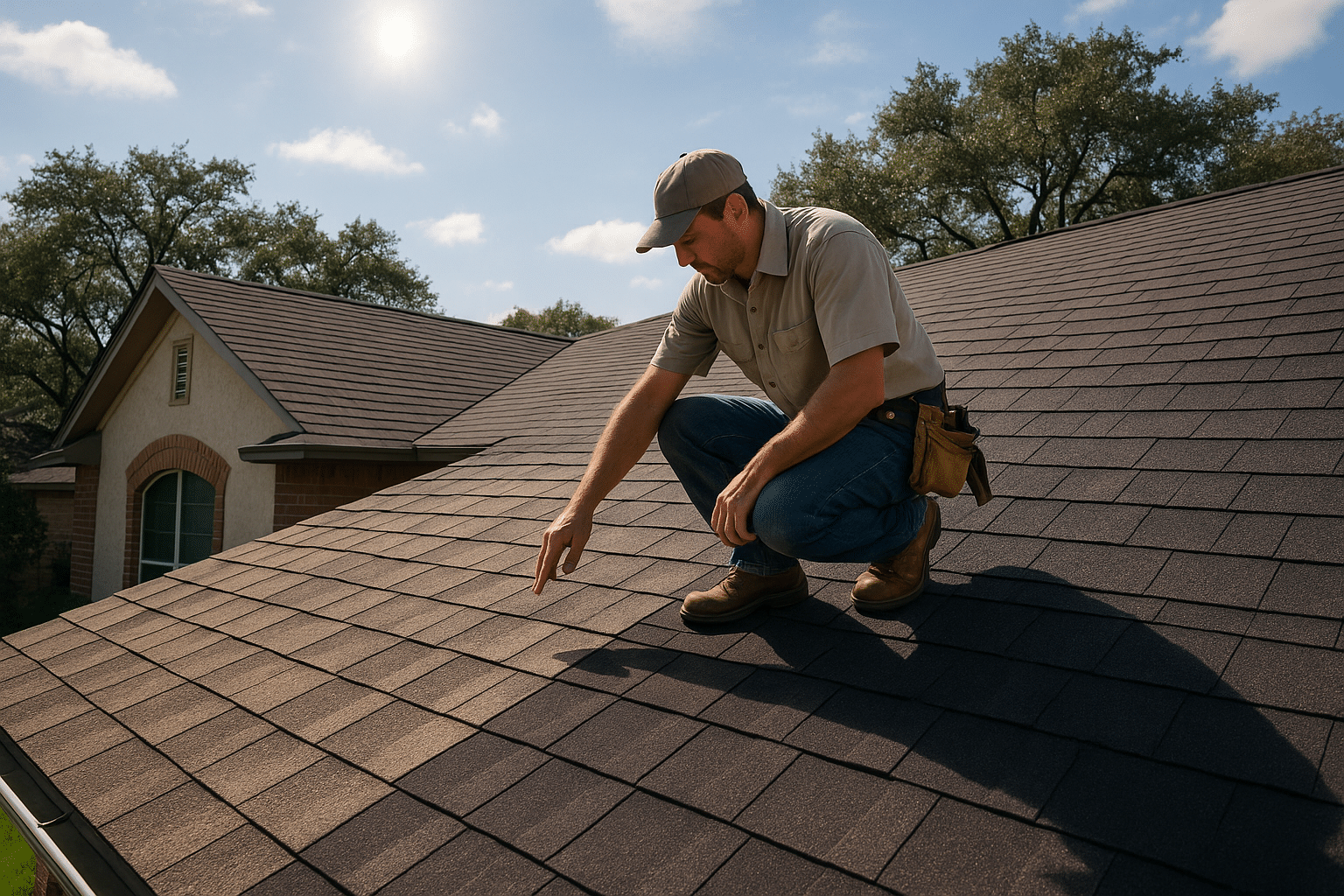
The honest answer to “rejuvenation or replacement” depends on what’s actually happening under your shingles — not just how the roof looks from the ground. A trained eye can tell the difference between a roof that’s simply dried out and one that has hidden deck rot, failed flashing, or storm damage that isn’t visible from your yard.
Buffalo Roofing & Exteriors offers a free estimate for homeowners throughout Corpus Christi, Alice, Aransas Pass, Banquete, and Beeville. We’ll walk your roof, tell you plainly whether rejuvenation is a realistic option or whether replacement is the safer long-term investment, and explain what it would take to secure windstorm certification if you’re in a coastal zone. If replacement makes more sense, financing through Improvifi is available from $1,000 to $50,000 with $0 down and no impact to your credit score, so cost doesn’t have to force a decision you’re not ready for.
FAQ
Recommended Reads
- Roof Replacement in San Benito, TX | Buffalo Roofing & Exteriors
- Roof Replacement in Weslaco, TX | Buffalo Roofing & Exteriors
- Roof Replacement in Harlingen, TX | Buffalo Roofing & Exteriors