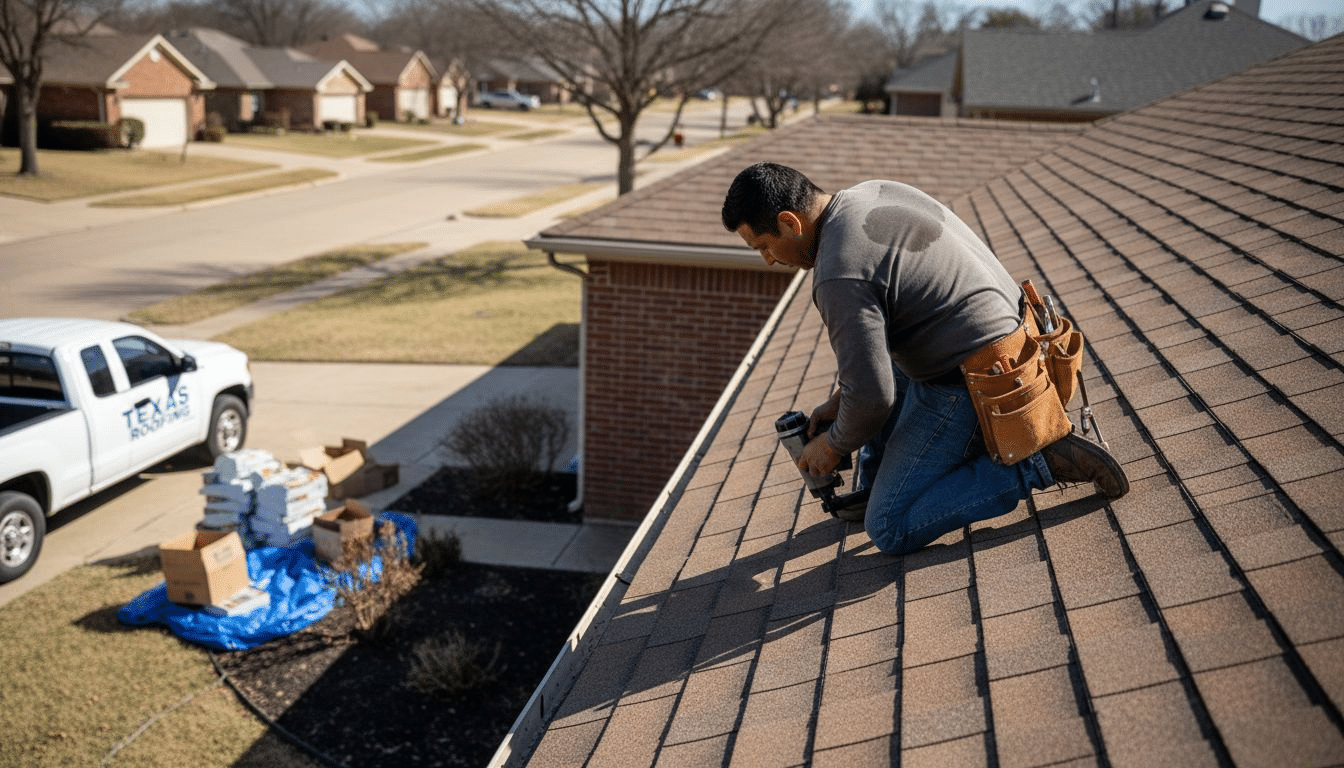
Major storms cost American homeowners billions each year, with residential properties in Corpus Christi and San Antonio especially prone to costly roof damage. Navigating repairs after severe weather can be confusing, yet acting quickly and wisely protects your investment. Discover practical tips for assessing storm damage, choosing resilient roofing solutions, and finding trusted local contractors so your Texas property stands strong against future weather threats.
Table of Contents
- Assess Storm Damage Before Starting A Roof Replacement
- Choose The Right Materials For Texas Weather
- Hire A Local, Trusted Roofing Contractor
- Understand Your Roof Replacement Warranty Options
- Plan For Proper Roof Ventilation And Insulation
- Consider Financing And Insurance For Roof Projects
- Schedule Regular Maintenance After Replacement
Quick Summary
| Key Message | Explanation |
|---|---|
| 1. Assess Storm Damage First | Conduct a thorough damage evaluation before replacing your roof to prevent structural complications later. |
| 2. Choose Appropriate Materials | Select roofing materials that withstand Texas’s diverse climate to ensure durability and performance over time. |
| 3. Hire Local Contractors | Choose roofing contractors with local expertise to navigate Texas’s unique weather challenges effectively. |
| 4. Understand Warranty Options | Review warranty details carefully, including coverage and maintenance requirements, to protect your investment. |
| 5. Schedule Regular Maintenance | Implement a consistent maintenance schedule to extend your roof’s lifespan and prevent costly repairs. |
1. Assess Storm Damage Before Starting a Roof Replacement
Protecting your Texas home starts with a thorough understanding of storm damage assessment before any roof replacement project. Storms in San Antonio and Corpus Christi can wreak significant havoc on residential roofing systems, making a comprehensive damage evaluation critical.
Weather events like hailstorms and high winds can create subtle and substantial roof damage that might not be immediately visible. The disaster risk assessment data highlights the importance of systematic damage evaluation to prevent future structural complications.
Begin by performing a ground level visual inspection, looking for telltale signs of damage such as:
Visible Damage Indicators:
- Missing or curled shingles
- Dark spots or bruising on roof surfaces
- Granule loss on asphalt shingles
- Exposed roof decking
- Dents on metal flashings or vents
For a more comprehensive assessment, consider hiring a professional roofing inspector who can identify hidden damages that untrained eyes might miss. These experts understand the nuanced ways storms impact different roofing materials specific to Texas climate conditions.
Pro tip: Document all storm damage with clear photographs for potential insurance claims and future reference.
2. Choose the Right Materials for Texas Weather
Selecting the right roofing materials is crucial for protecting your home against the unpredictable and intense weather conditions across Texas. Understanding how different materials perform in diverse Texas climate zones can help homeowners make informed decisions about roof replacement.
Texas presents unique environmental challenges that demand robust roofing solutions. The state experiences extreme temperature variations from humid eastern regions to arid western territories, requiring materials that can withstand intense heat, potential hailstorms, and occasional freezing conditions.
Recommended Roofing Material Options:
Metal Roofing
- Exceptional durability against high winds
- Reflects solar radiation
- Lightweight and long lasting
- Excellent for coastal and inland Texas regions
Asphalt Shingles
- Cost effective
- Wide range of styles
- Good performance in moderate temperature ranges
- Quick installation
Spanish Clay Tiles
- Superior heat resistance
- Traditional aesthetic for southwestern style homes
- Excellent insulation properties
- Withstands intense sunlight
Consider factors like your specific local microclimate, home architecture, and budget when making your selection. Professional roofing contractors can provide tailored recommendations based on your property’s unique requirements.
Pro tip: Request material samples and investigate their performance ratings specifically for Texas weather conditions before making a final decision.
3. Hire a Local, Trusted Roofing Contractor
Choosing the right roofing contractor is as critical as selecting the appropriate roofing materials for your Texas home. A local professional who understands regional weather challenges can make the difference between a roof that protects your property and one that fails during the first severe storm.
When searching for a reliable roofing contractor, always prioritize local professionals with deep roots in San Antonio or Corpus Christi. These experts intimately understand the unique weather patterns and building requirements specific to Texas coastal and inland regions.
Key Factors When Selecting a Roofing Contractor:
Verification of Credentials
- Current state licensing
- Proof of insurance
- Verified business accreditation
- Years of local experience
Professional Reputation
- Customer reviews
- Local references
- Portfolio of completed projects
- Transparent communication
Documentation Requirements
- Detailed written estimates
- Comprehensive warranty information
- Material specification sheets
- Project timeline documentation
Local contractors understand the nuanced challenges of Texas roofing environments better than national companies. They can provide insights into material selection, installation techniques, and long term maintenance strategies tailored to your specific location.
Pro tip: Request a minimum of three local contractor estimates and compare their documentation thoroughly before making a final decision.
4. Understand Your Roof Replacement Warranty Options
A comprehensive roof replacement warranty protects your investment and provides peace of mind for Texas homeowners facing unpredictable weather conditions. Understanding the nuanced details of warranty coverage can save you significant money and frustration in the long run.
There are typically two primary types of warranties you should consider when replacing your roof: manufacturer warranties and workmanship warranties. Consumer protection resources recommend carefully reviewing the specific terms of each.
Manufacturer Warranty Characteristics:
- Covers roofing material defects
- Typically ranges from 20 to 50 years
- Prorated coverage based on roof age
- Varies by material type
Workmanship Warranty Characteristics:
- Covers installation related issues
- Provided by roofing contractor
- Usually ranges from 2 to 10 years
- Protects against installation errors
Critical Warranty Considerations:
- Read the fine print thoroughly
- Understand prorated versus full replacement coverage
- Check transferability if selling your home
- Verify maintenance requirements
- Confirm documentation procedures for claims
Many homeowners overlook the importance of maintaining proper documentation and following specific manufacturer guidelines to keep their warranty valid.
Pro tip: Request a written copy of both manufacturer and workmanship warranties and store them in a secure location with your home improvement records.
5. Plan for Proper Roof Ventilation and Insulation
Proper roof ventilation is more than a technical detail it is a critical factor in protecting your Texas home from extreme weather conditions. The right ventilation strategy can prevent moisture damage, reduce energy costs, and extend the lifespan of your roofing system.
Texas homeowners face unique challenges with whole house ventilation strategies due to intense heat and humidity. Understanding the relationship between roof ventilation and home performance is key to maintaining a comfortable and efficient living environment.
Ventilation System Components:
- Ridge vents
- Soffit vents
- Attic fans
- Intake and exhaust ventilation
Benefits of Proper Ventilation:
- Reduces attic temperature
- Prevents moisture buildup
- Minimizes potential mold growth
- Lowers cooling costs
- Extends roof material lifespan
Insulation Considerations:
- Use radiant barrier materials
- Ensure proper R value for Texas climate
- Seal air leaks before installing insulation
- Consider blown in cellulose or fiberglass
- Maintain consistent insulation coverage
The International Residential Code provides specific guidelines for ventilation requirements. Professional contractors can help assess and implement the most effective ventilation strategy for your specific home configuration.
Pro tip: Schedule a professional energy audit to identify specific ventilation and insulation improvements unique to your home’s design and local microclimate.
6. Consider Financing and Insurance for Roof Projects
Roof replacement represents a significant financial investment for Texas homeowners, requiring strategic planning and comprehensive understanding of available financing options. Navigating insurance claims and financial resources can help make your roofing project more manageable and affordable.
Texas homeowners can explore multiple financial incentives for roofing projects that can significantly reduce overall project costs. Understanding these options can transform what seems like an overwhelming expense into a strategic home improvement investment.
Financing Strategy Options:
- Home equity loans
- Personal home improvement loans
- Contractor financing programs
- Credit lines with low interest rates
Insurance Claim Considerations:
- Document storm damage thoroughly
- Understand policy coverage details
- Work with certified roofing inspectors
- Maintain detailed repair documentation
- Know your claim filing deadlines
Key Financial Preparation Steps:
- Review current home insurance policy
- Check for storm damage coverage
- Obtain multiple contractor estimates
- Understand loan terms and conditions
- Compare interest rates from different lenders
Most insurance policies cover roof replacement if damage results from sudden unexpected events like severe storms. Professional documentation and timely communication with your insurance provider are crucial for successful claims.
Pro tip: Request a comprehensive insurance policy review from your agent to understand exact roof replacement coverage and potential out of pocket expenses.
7. Schedule Regular Maintenance After Replacement
A new roof represents a significant investment, and regular maintenance is crucial to protecting that investment and ensuring its longevity. Understanding the importance of systematic maintenance planning can help Texas homeowners prevent costly repairs and extend their roof’s performance.
Most homeowners underestimate the value of consistent roof inspections and proactive maintenance. Texas weather conditions demand a strategic approach to roof care, with potential challenges from intense sunlight, hailstorms, and high winds.
Recommended Maintenance Schedule:
- Biannual professional inspections
- Post storm damage assessments
- Clear debris from roof surfaces
- Check and clean gutters
- Inspect attic ventilation
- Monitor for early signs of wear
Critical Maintenance Checklist:
- Remove overhanging tree branches
- Check for loose or damaged shingles
- Inspect roof flashings
- Evaluate sealant conditions
- Look for potential water intrusion signs
- Ensure proper attic insulation
Consistent maintenance can prevent minor issues from escalating into significant structural problems. Professional roofing contractors can provide tailored maintenance plans specific to your roof type and local climate conditions.
Pro tip: Create a digital maintenance log to track inspections, repairs, and document potential warranty requirements for future reference.
Below is a comprehensive table summarizing the key considerations and recommendations for roof replacement in Texas as discussed in the article.
| Topic | Description | Key Considerations |
|---|---|---|
| Assessing Storm Damage | Evaluate roof damage post-storm to prevent future complications. | Visible signs include missing shingles, bruises, and dents; hire professional inspectors for thorough assessments. |
| Choosing Materials | Select suitable materials based on Texas weather conditions and house structure. | Options include metal roofing, asphalt shingles, and clay tiles, each with specific benefits. |
| Hiring Contractors | Work with experienced local contractors familiar with regional challenges. | Verify credentials, check reviews, and obtain written estimates and warranties. |
| Warranty Options | Understand warranties to protect your roof investment. | Compare manufacturer and workmanship warranties; review terms carefully. |
| Ventilation and Insulation | Ensure your roof’s ventilation and insulation are adequate. | Promote energy efficiency and longevity using ridge vents, soffit vents, and effective insulation. |
| Financing and Insurance | Plan for roof replacement by utilizing financing and insurance options. | Document damage, review policy coverage, and explore loans or incentives. |
| Maintenance | Conduct regular roof assessments after the replacement. | Schedule biannual inspections, clear debris, and address issues early to maintain roof integrity. |
Protect Your Texas Home with Expert Roof Replacement from Buffalo Roofing & Exteriors
Storm damage and harsh Texas weather demand a roofing partner who truly understands local challenges. Whether you need a detailed storm damage assessment or a full roof replacement using materials built to endure Texas heat and hail, Buffalo Roofing & Exteriors specializes in protecting your home with quality and reliability. Don’t let minor issues turn into costly problems. Our experienced contractors provide thorough inspections, tailored recommendations, and expert installations to keep your home safe and comfortable.
Ready to secure your home with trusted roofing solutions backed by solid warranties and professional maintenance plans Visit our Roofing Archives | Buffalo Roofing & Exteriors to learn more about our services Explore how our team in Corpus Christi, San Antonio, and Victoria can help you with repairs from storm damage by checking out Repairs Archives | Buffalo Roofing & Exteriors. Take the first step now by requesting your free estimate at Buffalo Roofing & Exteriors. Your home deserves the best protection—act today and experience peace of mind with our trusted roofing experts.
Frequently Asked Questions
What signs indicate I need a roof replacement after a storm?
To spot signs that you may need a roof replacement after a storm, look for missing or curled shingles, dark spots on the roof, and granule loss on shingles. Perform a thorough visual inspection or hire a professional to assess the damage comprehensively.
How do I choose the best roofing materials for my Texas home?
Select roofing materials based on their performance in Texas weather conditions. Materials like metal roofing, asphalt shingles, and Spanish clay tiles each have unique benefits; choose one that fits your budget and home architecture.
What should I consider when hiring a roofing contractor in Texas?
When hiring a roofing contractor, verify their credentials, such as state licensing and insurance. Additionally, check their reputation by reading customer reviews and requesting local references before making your decision.
What types of warranties should I review for a new roof installation?
You should consider both manufacturer and workmanship warranties when replacing your roof. Manufacturer warranties cover material defects and typically last 20 to 50 years, while workmanship warranties cover installation errors and usually last 2 to 10 years.
How can I ensure proper roof ventilation and insulation after my replacement?
Ensure proper roof ventilation by installing components like ridge and soffit vents, and select insulation materials with a suitable R-value for your region. Schedule a professional energy audit to identify specific ventilation and insulation needs for your home.
What maintenance routine should I follow after a roof replacement?
After replacing your roof, establish a maintenance routine that includes biannual inspections and post-storm assessments. Regularly clear debris from the roof and gutters, and monitor for signs of wear to prevent larger issues down the road.
Recommended
- How to Spot and Fix Roof Leaks Before They Lead to Major Damage | Buffalo Roofing & Exteriors | San Antonio to Corpus Christi, TX
- Why Summer Is the Best Time for Exterior Upgrades | Buffalo Roofing & Exteriors | San Antonio to Corpus Christi, TX
- Top Signs Your Roof Needs Repairs Before It’s Too Late | Buffalo Roofing & Exteriors | San Antonio to Corpus Christi, TX
- Roofing Services in Corpus Christi TX