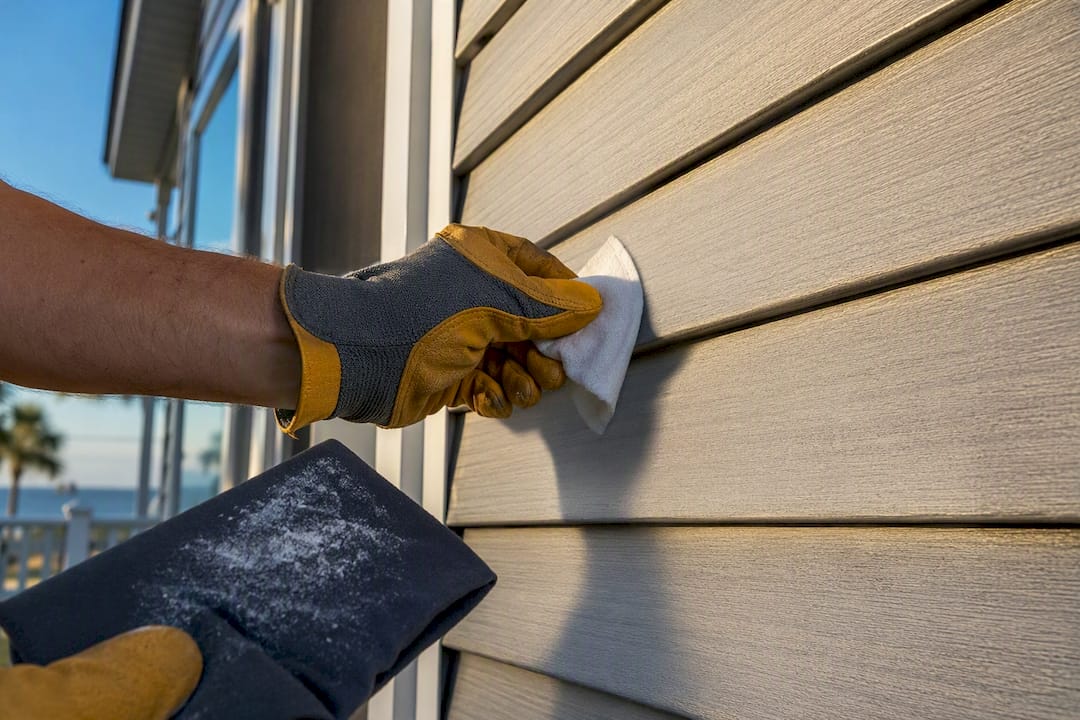
Yes, siding fades, and the severity depends entirely on material, color, and sun exposure. Before you assume the worst, inspect your walls: compare a sun-battered south wall against a shaded north wall, wipe a panel with a damp cloth to check for chalky residue, and photograph the difference. If the color comes back after a gentle clean, you likely have surface buildup, not true fading. If it doesn’t, and panels are still sound, cleaning or repainting usually solves it. If you see cracking, warping, or brittleness alongside the dull color, you’re looking at a replacement conversation.
TL;DR:
- Vinyl siding’s color retention depends heavily on quality, with premium vinyl lasting 25 to 40 years and lower-grade fading within 10 to 15 years, especially near coastlines.
- UV exposure, heat absorption, moisture, algae growth, and pollutants accelerate fading, with south and west-facing walls fading faster than shaded or north-facing sides.
- Cleaning with a gentle wash can often remove chalking and restore surface brightness, but structural damage or warping indicates the need for replacement.
- Repainting is only effective if the siding is structurally sound; use vinyl-safe paint in the original or lighter shade and clean thoroughly beforehand.
- Professional inspections prioritize checking behind siding, moisture levels, and structural integrity, helping determine whether cleaning, repainting, or replacement is appropriate.
Table of Contents
- What Causes Siding Color Fade?
- Which Siding Materials Hold Their Color the Longest?
- How Long Before Siding Starts to Fade?
- Is It Fading, Dirt, or Mildew? A Quick Diagnosis
- How Do You Prevent Siding Color Fade?
- Can You Repaint Faded Siding, or Is It Time to Replace It?
- When Should You Replace Siding Instead of Restoring It?
- Are Siding Fade Fixes Safe for Your Home and the Environment?
- Does Faded Siding Actually Hurt Your Home’s Value?
- What Buffalo Roofing & Exteriors Looks for During a Siding Inspection
- Get a Free Siding Inspection Before You Decide
- Sources
- FAQ
What Causes Siding Color Fade?
Siding color fade starts with a chemical process called photodegradation. Ultraviolet light breaks down the molecular bonds holding pigment in place, and the surface starts releasing a fine, powdery residue known as chalking. Run your finger across a faded panel and if it comes away covered in a light dust, that’s chalking, and it’s the clearest fingerprint UV damage leaves behind.
Heat makes it worse. Dark siding absorbs far more solar energy than light siding, and that extra heat accelerates the same molecular breakdown that UV starts. This is why a deep charcoal or navy panel on a west-facing wall can look tired years before a beige or gray panel on the same house does.
UV and heat rarely work alone. Moisture cycling, algae and mildew growth, and airborne pollutants like vehicle exhaust or industrial particulates all contribute to premature discoloration, especially in humid or high-traffic areas, according to Martini Roofing’s analysis of siding fade causes. Orientation matters too. South and west-facing walls take the most direct sun over a day, and homes near reflective surfaces like light-colored driveways or pool decks get a second dose of UV bounced back onto the siding.
Contributing factors worth watching:
- Direct UV exposure on south and west walls
- Dark or saturated color choices that trap heat
- Standing moisture from poor drainage or gutter overflow
- Algae and mildew in shaded, humid corners
- Airborne pollutants near busy roads or industrial zones
Pro Tip: Walk your house at midday and again in late afternoon. The wall that feels noticeably hotter to the touch is the one that will fade first, regardless of what the paint can promises.
Which Siding Materials Hold Their Color the Longest?
Material choice determines how much fading you’ll tolerate over the life of your siding, and the differences between categories are larger than most homeowners expect.
Vinyl is the most common and affordable option, but quality varies enormously. Builder-grade vinyl can visibly fade within a decade, while premium vinyl with a heavier pigment load resists color loss far longer. Fiber cement generally holds color better than budget vinyl, particularly when factory-finished rather than field-painted after installation, though it can still dull with age. Wood siding looks great initially but is highly vulnerable to UV and moisture unless it’s finished with a quality stain or paint and recoated on a regular schedule. Metal siding, especially steel or aluminum with a baked-on or powder-coated finish, typically delivers the best long-term color retention of any common material.
Key takeaways on material performance:
- Premium vinyl outlasts builder-grade vinyl in color retention by a wide margin
- Factory-finished fiber cement outperforms field-painted fiber cement
- Wood requires the most active maintenance to preserve color
- Powder-coated metal resists fading better than any other mainstream option
- The finish process matters more than the color swatch you pick in the showroom
Rather than trusting a paint chip under store lighting, look for products tested against recognized industry standards. ASTM’s guidance on vinyl siding color and appearance points homeowners toward color-retention testing like ASTM D7856 instead of relying on swatches alone, since pigment formulations differ significantly between manufacturers even when colors look identical on the shelf.
How Long Before Siding Starts to Fade?
Timelines vary by product tier, but there are useful benchmarks. Premium vinyl siding can take 25 to 40 years before showing significant fading, while lower-grade vinyl may visibly fade within just 10 to 15 years, according to Long Island Siding Co.’s inspection guide, which also notes that salt air and coastal humidity speed up the process considerably. Fiber cement and metal siding generally land on the longer end of that spectrum when properly finished.
Several variables shift these numbers in either direction:
- Sun orientation: south and west walls fade faster than north-facing ones
- Climate: coastal salt air and high UV regions accelerate breakdown
- Pigment chemistry: cheaper pigments degrade faster under UV
- Finish quality: factory-baked finishes outlast field-applied coatings
- Color depth: darker tones fade visibly sooner than light or medium tones
Manufacturer fade warranties are worth reading closely before you assume your siding is simply “old.” Many carry coverage for what’s defined as “excessive fading,” typically measured against a specific color-change threshold over a set number of years, as outlined by TruLog Siding’s overview of fade prevention. If your siding is still within that warranty window and shows fading beyond normal wear, it’s worth a call to the manufacturer or installer before paying for repairs out of pocket.
Is It Fading, Dirt, or Mildew? A Quick Diagnosis
Not every dull wall means the pigment is gone. Run through these checks before deciding on a fix:
- Do the wipe test. Rub a damp microfiber cloth across the dullest section. Chalky white residue on the cloth points to oxidation and UV breakdown, not surface grime.
- Compare exposed panels to shaded ones. Check a spot behind a shrub or under an eave against the same wall’s sun-exposed section. A big contrast confirms true UV fading rather than an even, house-wide discoloration from dirt.
- Check for structural red flags. Brittleness, warping, cupped or loose panels, and water staining alongside the color loss usually mean the siding is aging out, not just discoloring.
- Document everything. Photograph problem areas, note the siding’s installation date if known, and record any past cleaning or repainting. This record matters if you end up filing a warranty claim or getting contractor quotes.
If the wipe test shows chalk but the panels themselves are still firm and flat, you’re dealing with a cosmetic issue you can likely resolve yourself. If you spot cracking or warping alongside the fading, treat it as an early sign your siding may need more than a cleaning, and read up on when wind and storm exposure has compromised your siding before deciding on next steps.
How Do You Prevent Siding Color Fade?
Most fading is manageable if you get ahead of it with a routine that costs almost nothing compared to a repaint or replacement job.
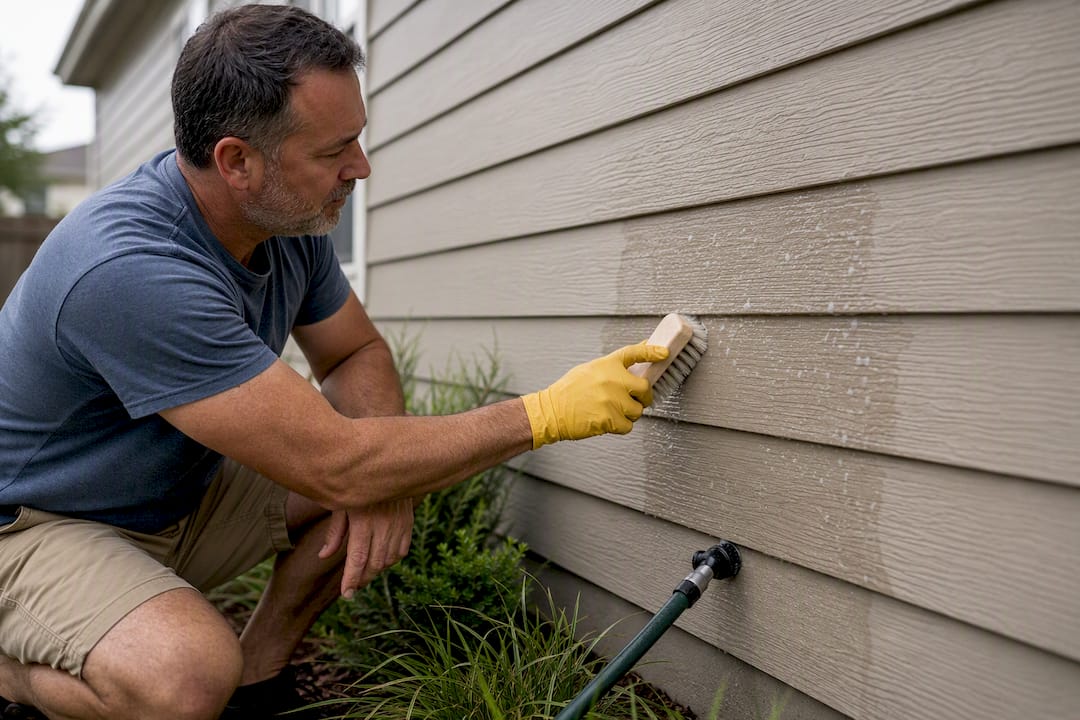
Start with cleaning. A soft brush, mild detergent, and a low-pressure garden hose rinse will lift the dirt, pollen, and chalky oxidation that make siding look faded even when the pigment underneath is fine, according to the Vinyl Siding Institute’s maintenance guidance. Skip the pressure washer. High-pressure water can strip whatever protective finish remains and force moisture behind the panels, which creates problems far worse than a dull color.
Beyond cleaning, a few structural and landscaping choices pay off over years:
- Trim shrubs and trees back from siding to reduce trapped moisture and mildew growth
- Improve grading and gutter flow so water doesn’t pool against exterior walls
- Choose factory-finished products with documented color-retention testing when replacing siding
- Favor light or medium tones on walls with heavy south or west sun exposure
- Add or improve wall insulation and ventilation to reduce the thermal stress that speeds up pigment breakdown
That last point isn’t just about your energy bill. ENERGY STAR’s guidance on sealing and insulating homes notes that better-insulated wall assemblies experience smaller temperature swings, and less thermal cycling means less stress on the siding material itself.
Pro Tip: Clean your siding twice a year, once in spring after pollen season and once in fall before leaves pile up against the base of your walls. A 20-minute rinse now beats a full repaint in five years.
Can You Repaint Faded Siding, or Is It Time to Replace It?
Repainting can restore color, but it comes with real limits, especially on vinyl. Start any restoration with a thorough cleaning to strip oxidation and grime. Paint applied over chalky residue won’t bond properly and will peel or blotch within a season or two.
If you’re painting vinyl siding, use a paint specifically labeled “vinyl-safe” and never go darker than the siding’s original color. Sherwin-Williams warns that a darker shade absorbs more heat than vinyl was engineered to handle, which can cause the panels to warp or buckle. That single detail trips up more DIY repaint jobs than any other mistake homeowners make.
Before you commit to a repaint:
- Clean and dry the surface completely before any prep work
- Use only paint formulated and labeled for vinyl siding
- Stay at or lighter than the original color, never darker
- Check whether panels are brittle or cracking, since paint won’t fix structural failure
- Photograph before-and-after condition and keep receipts in case a warranty question comes up later
Repainting is cosmetic. If the panels underneath are brittle, cracked, or warped, a fresh coat buys you a season or two of better looks before the underlying problem resurfaces.
When Should You Replace Siding Instead of Restoring It?
Replacement makes sense once the damage goes beyond what cleaning or paint can fix. Watch for these triggers:
- Structural damage. Cracking, rotting, bubbling paint, or warped panels alongside fading usually signal the material has reached the end of its service life, per BobVila’s replacement guide.
- Persistent moisture problems. Recurring mold growth or water staining that returns after cleaning points to trapped moisture behind the panels, not a surface issue.
- Fading that returns quickly after cleaning. If oxidation reappears within weeks rather than months, the protective finish is likely gone for good.
- Rising energy bills. Failing siding can compromise your wall’s insulation performance, and a jump in heating or cooling costs is sometimes the first sign something’s wrong behind the exterior.
When you call a contractor, ask specifically about sheathing condition behind the siding, the likely cause of the fading, any manufacturer warranty history tied to the product, and what finish and material options offer the best long-term color performance. A detailed signs-you-need-new-siding checklist can help you walk into that conversation with the right questions already in hand. Replacement costs more upfront, but it often saves money over a decade compared to repeated repainting on siding that’s structurally past its prime.
Are Siding Fade Fixes Safe for Your Home and the Environment?
Cleaning and restoring faded siding involves choices that affect more than curb appeal. Harsh chemical cleaners and bleach-based products can run off into soil and nearby plant beds, and repeated use around foundation landscaping can stress or kill grass and shrubs over time. A mild detergent and soft brush approach, the same method recommended for removing chalky oxidation, is gentler on runoff than aggressive degreasers or high-strength cleaners marketed for tough stains.
Repainting carries its own considerations. Older paint layers on wood or fiber cement siding installed decades ago may contain lead, so scraping or sanding before a fresh coat requires care, proper containment, and disposal according to local regulations rather than letting dust and chips scatter into yards where children or pets play.
High-pressure power washing deserves a second mention here for a different reason than performance. Beyond stripping finishes, the runoff from power washing carries dislodged paint particles, algae treatment residue, and detergent directly into storm drains and soil, which is one more reason the gentler low-pressure method is the better call on both counts.
Ventilation matters during any indoor prep work tied to exterior painting, particularly if you’re working near windows or doors. Choosing low-VOC, vinyl-safe paint formulations reduces airborne fumes for anyone working close to the house, and it keeps the job kinder to nearby landscaping and groundwater alike.
Does Faded Siding Actually Hurt Your Home’s Value?
Curb appeal sells houses, and dull, chalky siding is one of the fastest ways to make an otherwise well-maintained home look neglected from the street. Appraisers and buyers alike read faded exteriors as a proxy for deferred maintenance, even when the actual structure is sound, and that perception can translate into lower offers or longer time on market.
The color you choose when replacing or repainting siding also shapes how long that value holds. Lighter and medium tones age more gracefully in high-sun climates, which means a home with a well-chosen, fade-resistant color scheme keeps its curb appeal for a longer stretch of ownership than one finished in a trendy dark shade that looks striking for two years and chalky for the next eight.
Fading also raises a subtler concern for buyers: if the siding looks aged, they’ll often assume the sheathing, insulation, and moisture barrier behind it are equally due for attention, whether or not that’s actually true. A documented maintenance history, complete with photos and cleaning records, can help counter that assumption during a sale. Fresh, even-colored siding paired with clean landscaping and clear gutters is one of the most cost-effective upgrades for pre-listing prep, often outperforming interior cosmetic fixes on a dollar-for-dollar basis.
What Buffalo Roofing & Exteriors Looks for During a Siding Inspection
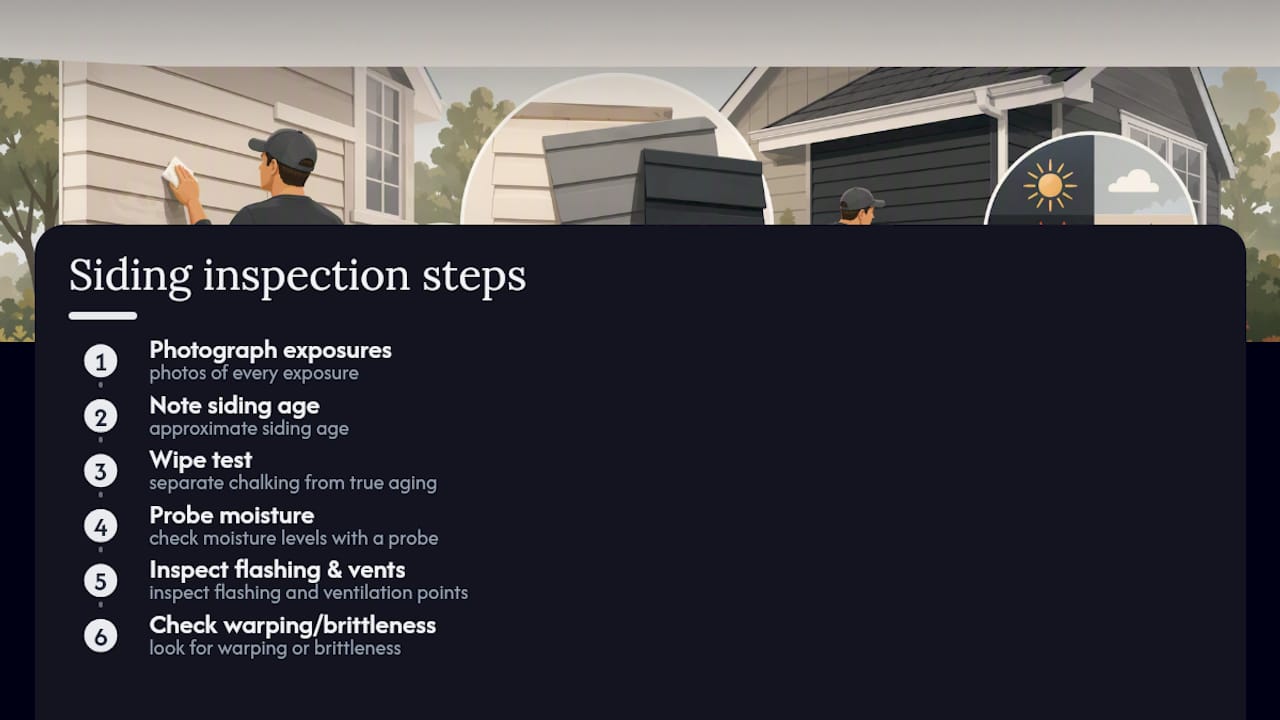
When we assess faded siding, we start with the same basics any homeowner can do: photos of every exposure, the siding’s approximate age, and a wipe test to separate chalking from true structural aging. From there, we check moisture levels with a probe, inspect flashing and ventilation points, and look for warping or brittleness that a homeowner might miss from the ground.
Professional contractors can offer inspection, warranty consultation, gentle cleaning, localized panel repair, and full siding replacement with financing options for homeowners who need it. Before your inspection, gather any warranty paperwork you have, take fresh photos of the problem areas, and note which walls get the most direct sun. That prep work speeds up the visit and gives us a clearer read on whether you’re looking at a quick fix or a longer-term project.
Get a Free Siding Inspection Before You Decide
If cleaning didn’t restore the color, or you’re seeing warping and brittleness alongside the fade, that’s the point where a professional look pays off. Free siding inspections and estimates can be available across South Texas, along with warranty assistance if your siding is still covered, repair work for isolated problem panels, and full replacement with financing options when the material has simply run its course.

Unlike a quick online paint calculator or a generic contractor quote, our inspection actually checks what’s behind the panels, moisture levels, flashing condition, sheathing, not just what’s visible from the curb. That distinction matters when you’re deciding between a $200 cleaning and a five-figure replacement. If your siding has faded past what a wash and a vinyl-safe repaint can fix, request a free siding inspection and get a straight answer on repair versus replacement before you spend a dollar on either.
Sources
Technical claims in this guide draw on ASTM’s color-retention standards, Sherwin-Williams’ vinyl paint guidance, the Vinyl Siding Institute’s maintenance resources, and BobVila’s replacement checklist.
- ASTM — Vinyl siding color and appearance
- Vinyl Siding Institute — Cleaning and maintenance
- BobVila — When to replace siding
FAQ
How Do You Restore Color to Faded Vinyl Siding?
Start with a gentle wash using a soft brush and mild detergent to remove chalky oxidation, which often brings back much of the original color on its own. If cleaning doesn’t fully restore it, repaint with a vinyl-safe formula in a shade equal to or lighter than the original to avoid heat-related warping.
What Siding Color Fades the Least?
Light and medium tones generally outlast dark colors because they absorb less solar heat, and powder-coated metal or premium vinyl with heavy pigment loads holds color longer than budget-grade products regardless of shade.
Does Colored Vinyl Siding Fade?
Yes, all vinyl siding fades eventually, but the rate depends heavily on pigment quality and color depth. Premium vinyl can take 25 to 40 years to show significant fading, while lower-grade vinyl may visibly fade within 10 to 15 years, especially in coastal, salt-air environments.
How Quickly Does Vinyl Siding Fade?
There’s no single timeline since it depends on product quality, color, and sun exposure, but budget vinyl in high-UV or coastal climates can show noticeable fading within a decade, while premium products can hold their color for several decades. South and west-facing walls always fade faster than shaded sides of the same house.