TL;DR:
- Exterior painting is essential for protecting your home from moisture, UV damage, mold, and structural decay, extending its lifespan and increasing resale value. Proper surface preparation, timely repainting, and strategic color choices are key to a durable finish and optimal curb appeal. Coordinating painting with overall exterior maintenance and consulting professionals ensures long-lasting protection and savings over time.
Most homeowners treat exterior painting as a cosmetic chore they squeeze in every decade or so. That framing costs them money. The role of painting in home exteriors goes well beyond curb appeal. Fresh paint is your home’s first line of defense against moisture intrusion, UV radiation, mold, and structural decay. Get it right and you extend the life of your siding by years, boost your resale value significantly, and avoid the kind of expensive repairs that come from letting a protective barrier fail. This guide covers all of it.
Table of Contents
- Key takeaways
- How exterior painting protects your home from damage
- Paint, curb appeal, and what it does to your property value
- When to repaint: timing, signs, and what affects your schedule
- Best practices for a paint job that actually lasts
- Fitting painting into your broader exterior maintenance plan
- My take after years of watching exterior projects succeed and fail
- How Buffaloroofingandexteriors can help with your exterior
- FAQ
Key takeaways
| Point | Details |
|---|---|
| Paint is a protective barrier | Exterior paint seals porous materials against moisture, UV damage, and rot before they start. |
| Timing your repaint saves money | Repainting on schedule prevents full siding replacement, which costs far more than a fresh coat. |
| Prep determines performance | Surface cleaning, repairs, and primer selection matter more than the paint brand you choose. |
| Color choices affect resale | Strategic exterior color choices improve buyer perception and can deliver up to 150% ROI. |
| Painting fits a bigger plan | Coordinating paint cycles with roofing and siding maintenance keeps your whole exterior protected. |
How exterior painting protects your home from damage
Paint is not decoration applied to a finished surface. It is a coating system designed to shield whatever is underneath it. Wood siding, fiber cement, stucco, and even brick are all porous to some degree. Without a sealed surface, water finds its way in, expands and contracts with temperature shifts, and begins breaking down the material from within.
Exterior paint seals porous materials by reducing water absorption, which directly slows rot, peeling, and structural weakening. In coastal areas like Corpus Christi, where salt air and humidity are relentless, this protective function is not optional. It is what keeps your siding from failing years ahead of schedule.
UV radiation is the other major threat, and it gets underestimated constantly. Prolonged sun exposure breaks down surface fibers, bleaches color, and causes chalking and cracking. Quality exterior paints formulated with UV inhibitors slow this process substantially. Choosing the right paint system for your climate is not a luxury upgrade. It is standard maintenance.
Caulking combined with paint creates a moisture barrier that blocks water ingress at joints and gaps around windows, doors, and trim. These are the spots where water most commonly enters. Skipping this step during a repaint job leaves the biggest vulnerabilities completely exposed.
A well-sealed exterior also deters insect intrusion by closing off the small gaps around trim and joints that pests use as entry points. It is a benefit most homeowners never think about until they find termite damage behind their siding.
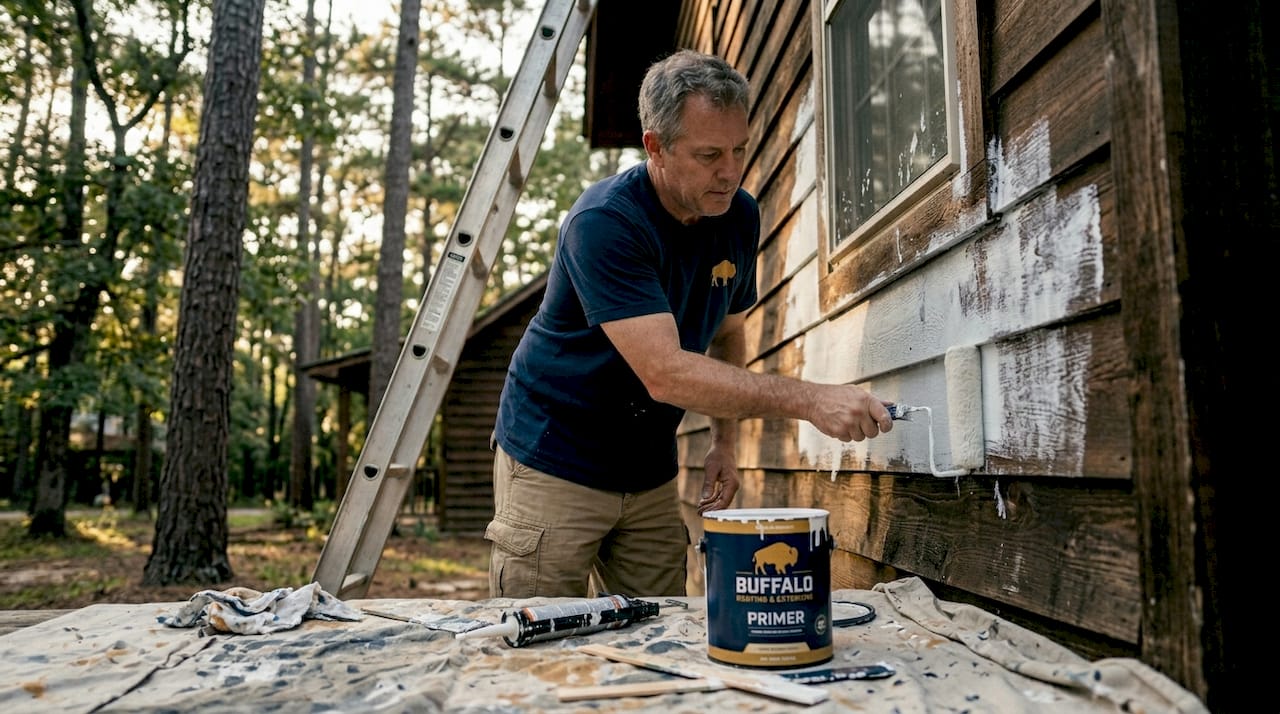
Pro Tip: When painting wood siding, use a penetrating primer before your topcoat. It soaks into the wood fibers rather than sitting on top, which gives the topcoat something solid to bond to and dramatically reduces the chance of peeling within two to three years.
Understanding how exterior siding and paint work together as a system helps you make smarter decisions about materials, timing, and maintenance budgets.
Paint, curb appeal, and what it does to your property value
Walk up to any home for sale. Before you read the listing price, before you step inside, you have already formed an impression. That impression is shaped almost entirely by what the exterior looks and feels like. Peeling paint, faded color, and patchy trim all signal neglect. A clean, freshly painted exterior signals care. Buyers notice, and they adjust their offers accordingly.
Fresh paint improves your home’s curb appeal and resale potential with studies showing ROI figures up to 150% compared to many other home improvement projects. That is not a minor return. Relatively few renovations deliver that kind of payback, and most of them cost significantly more.
Color choices also carry more weight than most people realize. Here is what actually works in practice:
- Neutral base colors on main siding surfaces (warm whites, grays, tans) appeal broadly and age well in most climates.
- Contrasting trim colors that are two to three shades darker or lighter than the base color add architectural definition without looking overdone.
- Accent colors on doors and shutters create focal points that make a home feel intentional and well-designed.
- Matching to neighborhood context matters more than personal preference when resale is the goal. A bold color that stands out too aggressively can narrow your buyer pool.
The importance of exterior painting extends to your neighborhood’s perception of your property as well. A well-maintained exterior raises the visual standard around it and protects your position in a competitive local market. If your neighbors have freshly painted homes and yours is peeling, buyers notice that comparison before they ever set foot inside.
For Texas homeowners specifically, learning how siding and paint protection work together to manage coastal and heat-related wear is worth the research time.
When to repaint: timing, signs, and what affects your schedule
There is no universal answer to how often you need to repaint. It depends on your siding material, your climate, the quality of the previous paint job, and how well the surface was prepped. What you can do is understand the general ranges and know the warning signs that tell you the clock has run out.
Repaint intervals vary by siding type: wood typically needs fresh paint every 5 to 10 years, vinyl runs 8 to 10, and stucco or fiber cement extends to 10 to 15 years. Brick and masonry fall in similar ranges. But coastal and high-humidity environments compress every one of those windows by several years.
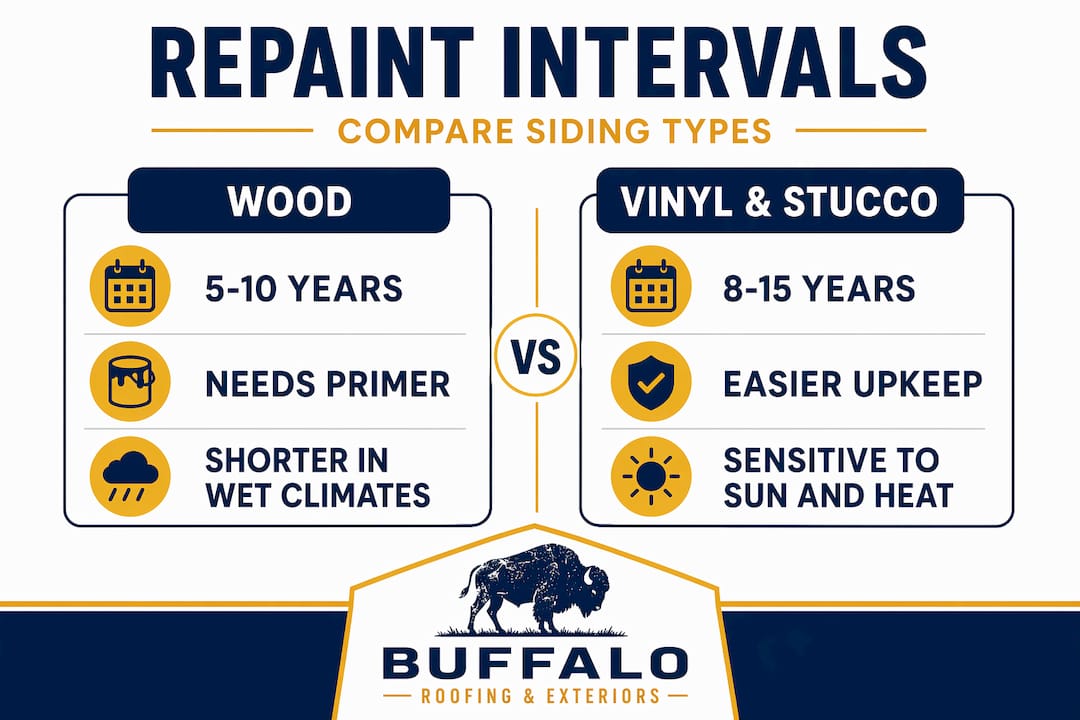
| Siding type | Typical repaint interval | Shortened by harsh climate? |
|---|---|---|
| Wood | 5 to 10 years | Yes, often 4 to 7 years |
| Vinyl | 8 to 10 years | Moderate effect |
| Stucco | 10 to 15 years | Yes, especially with moisture |
| Fiber cement | 10 to 15 years | Moderate effect |
| Brick/masonry | 10 to 15 years | Minimal unless heavily exposed |
The warning signs that your home needs paint now rather than later include peeling or bubbling sections, visible chalking when you run your hand along the surface, widespread fading, hairline cracks in the paint film, and any visible mold or mildew. Do not wait for multiple signs to appear at once. One consistent sign across a large area is enough to act.
Regular exterior inspections, ideally twice a year in spring and fall, let you catch small problems before they spread. Staged repainting that addresses isolated peeling zones before scheduling a full repaint extends overall exterior lifespan and keeps maintenance costs predictable rather than shocking.
Pro Tip: After a major storm, walk your exterior and look specifically at the north and west-facing sides of your home. Those surfaces take the most weather punishment and tend to fail first. Catching early paint breakdown there prevents moisture from getting behind the siding.
Best practices for a paint job that actually lasts
The biggest misconception about exterior painting is that the paint brand is what makes or breaks the job. It is not. Surface preparation is what separates a paint job that lasts eight years from one that starts peeling in three.
Here is the sequence that professional painters follow on jobs that hold up:
- Clean the entire surface with a pressure washer to remove dirt, mold, mildew, and loose paint. Let it dry completely. Painting over contaminated or damp surfaces is one of the most common causes of early paint failure.
- Scrape and sand any areas where old paint is lifting, bubbling, or cracking. Feather the edges so new paint layers blend smoothly.
- Repair any substrate damage including rot, cracks, and damaged caulk joints before touching a brush. Paint over a bad substrate just seals in the problem.
- Apply the right primer for your substrate material. Primer selection determines adhesion and stain blocking more than any other single variable. Skipping primer or using a mismatched formula shortens the life of the entire job.
- Recaulk all joints around windows, doors, trim, and penetrations with a high-quality exterior-grade caulk before applying topcoat.
- Apply topcoat in the right conditions. Avoid painting in direct midday sun or when temperatures are below 50°F or above 90°F. Both extremes cause the paint film to cure improperly.
For climates like South Texas, mildew-resistant paint formulas are not a premium option. They are the baseline. The combination of heat and humidity creates ideal conditions for mold growth on exterior surfaces, and standard paints are simply not built for that environment.
Pro Tip: Choose a paint sheen that matches your surface conditions. Flat and matte finishes hide surface imperfections but are harder to clean. Satin and semi-gloss finishes handle moisture and scrubbing better, making them the right call for trim, doors, and areas with heavy weather exposure.
Fitting painting into your broader exterior maintenance plan
Exterior painting does not happen in isolation. It fits into a larger system of maintenance that includes your roofing, siding, windows, and gutters. Treating each element as a separate project leads to poor coordination, repeated disruption, and missed savings.
For homeowners serious about maintaining home exteriors over the long term, a few principles make the whole process more efficient:
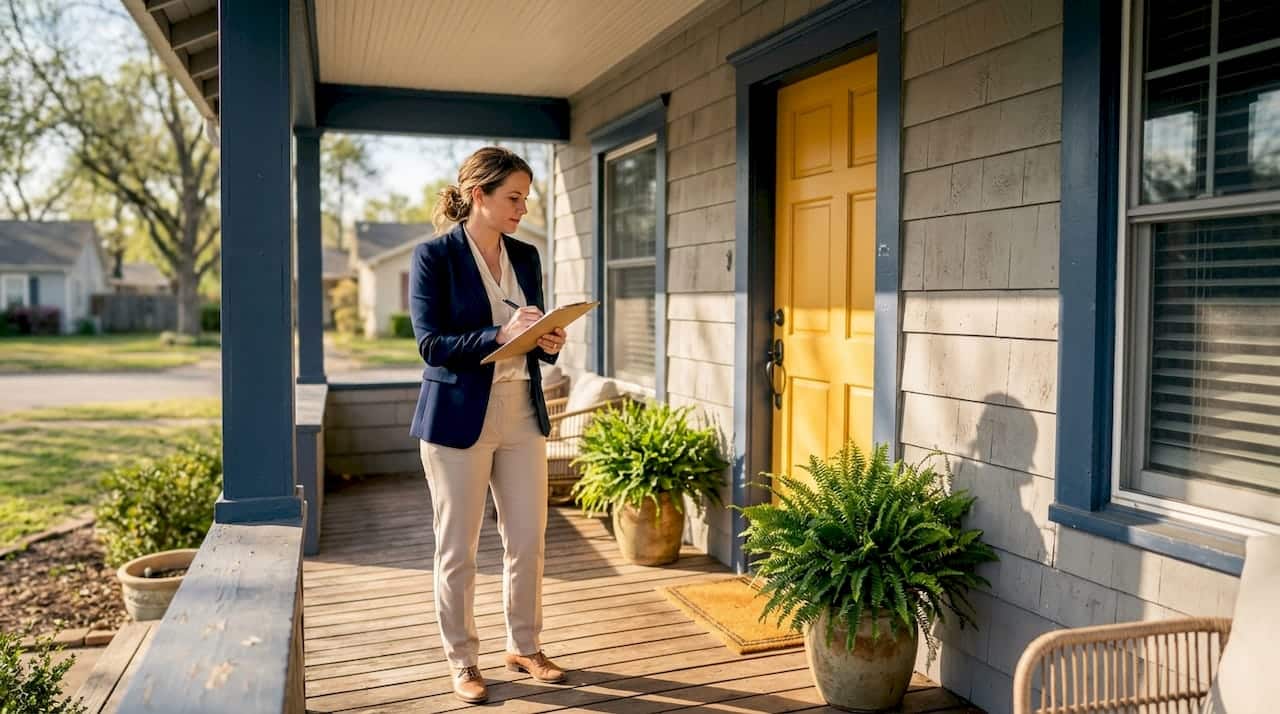
- Inspect before you plan. Do a thorough walkthrough to identify not just paint condition but any underlying siding, trim, or flashing issues that need repair first. Painting over damaged substrates wastes money.
- Coordinate with roofing or siding work. If you are having a roof replaced or new siding installed, schedule your repaint immediately after. New surfaces need proper primer and topcoat before weather exposure begins.
- Think in cycles, not events. Proactive staged repainting that targets failing zones each year keeps your total exterior in better shape than waiting for everything to need attention at once.
- Budget realistically. Professional exterior paint jobs are a significant cost. Spread those costs over a planned maintenance schedule and they become predictable, not emergency expenses.
- For HOA properties or multi-unit homes, coordinate color and timing decisions with governing bodies early to avoid rework. Approval processes take time and should be factored into any project timeline.
If you are in a coastal Texas environment, the weatherproofing and paint protection guide from Buffaloroofingandexteriors covers the region-specific strategies worth knowing before your next repaint.
Seasonal exterior maintenance resources like this homeowner guide can also help you build a year-round inspection routine that catches problems before they become expensive repairs.
My take after years of watching exterior projects succeed and fail
I have seen more paint jobs fail due to skipped prep than due to bad paint. Homeowners focus on color swatches and finish options, while the contractor quietly skips the priming step or applies topcoat over damp wood to stay on schedule. That is the version that peels before the warranty period ends.
In my experience, the homeowners who get the most out of their exterior painting investment are the ones who treat it as a maintenance decision, not an aesthetic one. They paint on schedule rather than waiting until the siding looks embarrassing. They ask their contractor specific questions about prep steps, primer specification, and dry time requirements. That level of engagement produces noticeably better outcomes.
Color decisions are a different matter entirely, and they deserve more strategic thought than most people give them. I have seen homes lose buyer interest because the owner chose an intensely personalized color that photographed poorly online. In a market where 90% of home searches start digitally, how your exterior looks in a photo is as important as how it looks in person.
What I tell homeowners consistently: get the prep right, choose quality paints appropriate for your climate, and repaint before the damage starts rather than after it is visible. The savings on avoided repairs will pay for the paint job many times over.
— Buffaloroofingandexteriors
How Buffaloroofingandexteriors can help with your exterior

Exterior painting is more effective when it is part of a planned renovation that addresses every layer of your home’s protection. At Buffaloroofingandexteriors, our team works with homeowners across Corpus Christi, San Antonio, and Victoria to combine professional surface preparation, quality paint application, and full exterior renovation services into a single, coordinated plan. We also offer siding, roofing, and storm damage restoration so your exterior gets total protection, not just a fresh color. If you want an honest assessment of where your home stands and what it needs, reach out today for a free estimate. No pressure, just answers.
FAQ
What does exterior paint actually protect against?
Exterior paint creates a sealed barrier that blocks moisture from penetrating porous siding materials, which prevents wood rot, mold, and structural decay. It also slows UV-related surface breakdown, which causes fading and cracking over time.
How often should you repaint a home exterior?
It depends on your siding type, but most homes need a full repaint every 5 to 15 years. Wood siding typically needs repainting every 5 to 10 years, while stucco and fiber cement can go 10 to 15 years. Coastal and high-humidity climates shorten all of these intervals.
Does exterior paint color affect home resale value?
Yes. Exterior color choices directly affect buyer perception and curb appeal. Neutral base colors with contrasting trim tend to photograph well and appeal to the widest range of buyers, which supports stronger offers and faster sales.
Why do exterior paint jobs fail early?
Most early paint failures come from inadequate surface preparation rather than paint quality. Skipping cleaning, repairs, or proper priming causes poor adhesion, which leads to peeling within a few years regardless of how good the topcoat was.
Should you hire a professional or paint your home exterior yourself?
For single-story homes in good condition, experienced DIYers can get solid results with the right products and preparation. Multi-story homes, homes with significant substrate damage, or those in harsh climates benefit from professional application to get the prep work, primer selection, and coating system right.