Storms can strike Corpus Christi with little warning, leaving your home vulnerable to everything from water intrusion to structural damage. Knowing what to do in those crucial hours and days after a storm is not always straightforward. It takes more than a simple walk-around to protect your property and secure the best insurance outcome.
This list will walk you through proven steps to assess damage safely, document everything you need for an insurance claim, and stop further water from ruining your structure. Each tip is built around expert guidance and practical actions you can use right away.
Get ready to discover real strategies for storm recovery that can save you money, protect your peace of mind, and keep your home standing strong through anything the Texas weather throws your way.
Table of Contents
- Assess Storm Damage Safely Before Repair
- Document Damage For Insurance Claims
- Prevent Further Water Intrusion Quickly
- Choose Trusted Local Repair Contractors
- Prioritize Roof And Structural Repairs
- Inspect Siding, Windows, And Doors
- Plan Ongoing Maintenance To Prevent Future Storm Issues
Quick Summary
| Takeaway | Explanation |
|---|---|
| 1. Prioritize Personal Safety | Always ensure it is safe to inspect storm damage before entering your home to avoid hazards. |
| 2. Thoroughly Document Damage | Capture detailed evidence of storm damage for your insurance claim, including clear photographs and timestamps. |
| 3. Act Quickly to Prevent Water Intrusion | Take immediate steps to manage water entry and limit further damage, especially within the first 48 hours. |
| 4. Choose Reliable Contractors | Ensure any repair contractor is licensed, insured, and has local references to avoid scams after a storm. |
| 5. Schedule Regular Maintenance | Proactively inspect and maintain your home to prevent future storm damage and costly repairs. |
1. Assess Storm Damage Safely Before Repair
Storm damage can turn your home into a dangerous environment in mere moments. Understanding how to safely evaluate potential structural issues is critical for protecting yourself and your property.
After a severe storm hits Corpus Christi, your first priority must be personal safety. Never rush into inspecting damage without taking proper precautions. Flood warnings and watches provide essential guidance about potential hazards in your immediate area.
Key safety steps for initial storm damage assessment include:
- Wait until local authorities confirm it is safe to return home
- Wear protective gear like sturdy boots and work gloves
- Bring a flashlight and avoid walking in standing water
- Check for visible structural damage from a safe distance
- Look for signs of electrical hazards or potential gas leaks
Safety always comes first when assessing storm damage.
Most homeowners underestimate the risks associated with post-storm inspections. Structural damage can create hidden dangers like weakened floors, exposed electrical wires, and potential mold growth. Hailstorm safety guidelines recommend carefully monitoring structural integrity before beginning any repair work.
Professional storm damage assessment can provide a comprehensive evaluation of potential risks and necessary repairs. If you are uncertain about the extent of damage, always consult with a licensed contractor who can safely inspect your property.
Pro tip: Take photographs of storm damage from a safe distance for insurance documentation before making any repairs.
2. Document Damage for Insurance Claims
Storm damage can quickly become a financial nightmare without proper documentation. Capturing evidence systematically is your lifeline for successful insurance recovery.
Documenting storm damage requires a strategic approach that goes beyond casual snapshots. Insurance claim documentation demands comprehensive and precise record keeping to ensure fair compensation.
Critical steps for effective damage documentation include:
- Take clear photographs from multiple angles
- Record date and time of damage
- Capture both wide overview and close-up detail shots
- Document damage to interior and exterior surfaces
- Preserve physical evidence when possible
Thorough documentation can make the difference between full coverage and minimal reimbursement.
Your photographic evidence should tell a complete story. Start with wide shots showing overall storm impact, then zoom in to capture specific damage points. Include timestamps and geotag information if your device allows. Metadata can provide crucial verification for insurance adjusters.
Professional storm damage contractors recommend creating a comprehensive damage log. Requesting claim-related documents early helps establish a clear paper trail for your insurance claim.
Pro tip: Create a dedicated digital folder with organized storm damage photos and save multiple backup copies to ensure your evidence is never lost.
3. Prevent Further Water Intrusion Quickly
Water can be a homeowner’s worst nightmare after a storm. Preventing additional water damage requires immediate and strategic action to protect your property’s structural integrity.
Water management strategies are critical in minimizing long-term storm damage. Understanding how water enters and travels through your home can help you create effective barriers against moisture intrusion.
Key steps to prevent water intrusion include:
- Inspect roof and gutter systems immediately
- Check window and door seals for gaps
- Clear debris from drainage points
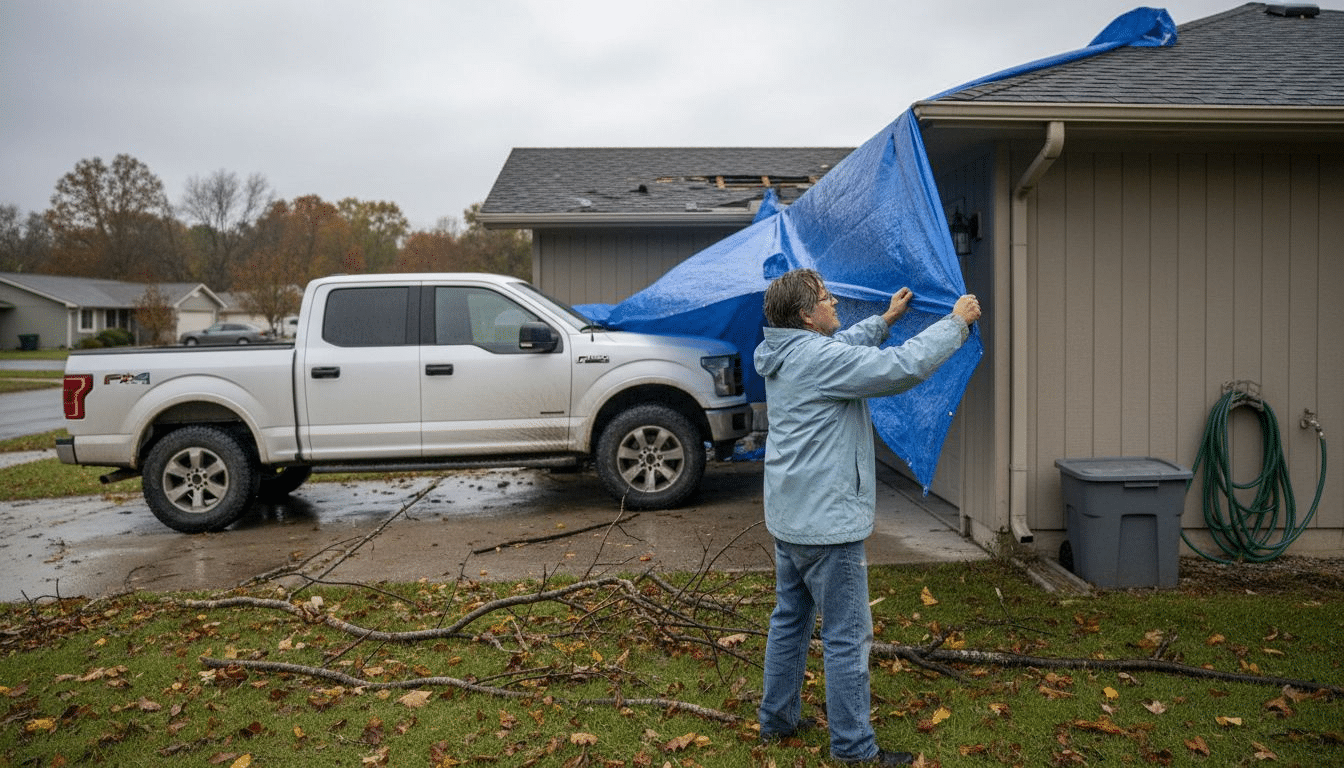
- Use temporary tarps to cover damaged areas
- Create drainage paths away from foundation
Quick action can prevent thousands of dollars in potential water damage.
The first 48 hours are crucial in stopping water progression. Moisture creates significant structural risks like wood rot and mold growth. Water intrusion prevention requires a systematic approach to redirecting and blocking potential entry points.
Professional contractors recommend using waterproof sealants on roof flashings and maintaining proper exterior grading to guide water away from your home’s foundation. Regularly checking weep holes and ensuring proper drainage can significantly reduce potential water damage risks.
Pro tip: Keep several large waterproof tarps and emergency sealant in your home for rapid storm damage mitigation.
4. Choose Trusted Local Repair Contractors
Storm damage brings out both legitimate contractors and opportunistic scammers looking to exploit vulnerable homeowners. Making an informed choice can protect your property and your wallet.
Contractor selection strategies are crucial in avoiding costly mistakes during storm damage repairs. Not all contractors operate with the same level of professionalism and integrity.
Key steps for selecting a trustworthy contractor include:
- Verify state licensing and insurance credentials
- Check Better Business Bureau ratings
- Request multiple written estimates
- Ask for local references
- Avoid contractors demanding full upfront payment
- Confirm physical business address in your region
Your due diligence today prevents expensive repairs tomorrow.
Storm chasers target vulnerable homeowners after major weather events. These traveling contractors often provide substandard work and disappear quickly. Protecting yourself from fraudulent contractors requires careful vetting and understanding common red flags.
Local contractors with established community roots typically provide more reliable and accountable service. Look for professionals who understand regional building codes and have proven track records of successful storm damage repairs in your specific area.
Pro tip: Request to see a contractor’s physical office location and verify their business has been operating in your community for at least two years.
5. Prioritize Roof and Structural Repairs
After a devastating storm, your home’s structural integrity becomes your most critical concern. Prioritizing roof and foundational repairs can mean the difference between partial and total property recovery.
FEMA guidelines for storm damage emphasize the importance of addressing structural vulnerabilities immediately. Rapid response prevents compounding damage and potential total loss of your property.
Priority repair areas include:
- Roof structural connections
- Foundation stability
- Load-bearing wall integrity
- Water damage prevention zones
- Structural reinforcement points
Structural repairs are not just repairs. They are your home’s lifeline.
Roof-to-wall connections are crucial in maintaining your home’s resilience. Roof connection reinforcement using metal hurricane ties can significantly improve wind resistance and prevent catastrophic structural failure.
Homeowners should focus on comprehensive structural assessments that go beyond surface-level damage. Professional inspections can reveal hidden vulnerabilities that might compromise your home’s long-term stability.
Pro tip: Request a detailed structural assessment from licensed engineers who specialize in post-storm building evaluations.
6. Inspect Siding, Windows, and Doors
Storm damage extends far beyond your roof surface. Your home’s exterior components like siding, windows, and doors are critical barriers against environmental threats.
Exterior component inspection involves carefully evaluating every potential point of vulnerability. Each surface tells a story about the storm’s impact and potential future risks.
Key areas to examine include:
- Siding for cracks and separation
- Window frame integrity
- Door seal conditions
- Glass for chips or fractures
- Flashing around openings
- Weatherstripping effectiveness
Minor damages today can become catastrophic failures tomorrow.
Window and door seals are critical in preventing water intrusion. Exterior damage assessment requires a systematic approach to identifying potential weak points that might compromise your home’s protective envelope.
Professional inspectors recommend using both visual examination and tactile testing. Gently press around window frames and door edges to detect subtle shifts or gaps that might indicate structural stress from storm impact.
Pro tip: Photograph each area of damage before repairs to create a comprehensive documentation trail for insurance purposes.
7. Plan Ongoing Maintenance to Prevent Future Storm Issues
Preventative maintenance is your strongest defense against recurring storm damage. Strategic planning can transform potential vulnerabilities into resilient home protection.
Flood prevention strategies require a comprehensive and proactive approach. Waiting until damage occurs means paying exponentially more in repairs.
Key ongoing maintenance priorities include:
- Quarterly roof inspections
- Annual gutter cleaning
- Checking exterior sealants
- Trimming trees near structures
- Reviewing drainage systems
- Updating emergency preparedness kit
Consistent maintenance prevents catastrophic failures.
Stormwater management requires systematic planning. Maintenance plan development helps homeowners establish clear protocols for responding to potential weather threats.
Regular inspections allow you to identify and address potential weaknesses before they become significant problems. This might include checking roof flashing, examining window and door seals, and ensuring proper grading around your home’s foundation.
Pro tip: Schedule professional exterior inspections twice yearly and maintain a detailed log of all maintenance activities and repairs.
Below is a comprehensive table summarizing the key strategies and considerations for addressing storm damage effectively based on the provided article.
| Aspect | Details | Key Consideration |
|---|---|---|
| Assessing Storm Damage Safely | Employ safety measures such as wearing protective gear and avoiding standing water while inspecting damage. | Ensures safety from hidden dangers like electric hazards. |
| Documenting Damage | Take detailed photographs from various angles and maintain a comprehensive log for insurance purposes. | Facilitates successful and fair compensation during claims. |
| Preventing Water Intrusion | Implement measures like sealing gaps, clearing drainage systems, and securing temporary coverings. | Minimizes further damage and protects structural integrity. |
| Choosing Local Repair Contractors | Verify licensing, insurance, and references before hiring contractors to repair storm damage effectively. | Protects against unreliable or fraudulent service providers. |
| Prioritizing Structural Repairs | Address roof, foundational stability, and wall integrity repairs immediately after storms. | Prevents compounding damage and maintains building stability. |
| Inspecting Exterior Components | Evaluate siding, windows, doors, and weatherproofing elements for signs of storm impact. | Identifies vulnerabilities needing timely repairs to prevent future issues. |
| Establishing Maintenance Plans | Conduct regular inspections, maintain drainage, and prepare emergency materials. | Builds resilience against potential future storm damages. |
Protect Your Home with Expert Storm Damage Repair Services
Storm damage can threaten your home’s safety and comfort by causing unseen structural risks and water intrusion. If you want to prevent further damage after assessing, documenting, and temporarily securing your property it is vital to partner with professionals who understand the unique challenges Corpus Christi homes face. Rely on Buffalo Roofing & Exteriors to deliver dependable repairs that restore your roof, siding, windows, and more with quality workmanship and trusted local expertise.
Don’t wait until minor damages turn into costly repairs. Explore our Roofing Archives and comprehensive Repairs Archives to discover how Buffalo Roofing & Exteriors helps homeowners safeguard their homes against future storms. Visit https://buffaloroofingandexteriors.com/ today to request a free estimate and take the first step toward a resilient, weather-proof home.
Frequently Asked Questions
How can I safely assess storm damage before making repairs?
Assess storm damage safely by waiting for local authorities to declare it safe to return home and wearing protective gear. Begin by inspecting from a distance to identify visible structural issues without putting yourself at risk.
What steps should I take to document storm damage for insurance claims?
Document damage effectively by taking clear photographs from various angles, ensuring you capture both wide views and close-ups. Record the date and time of the damage and create a detailed log that includes descriptions of affected areas to support your insurance claim.
How can I prevent further water intrusion immediately after a storm?
To prevent further water intrusion, inspect your roof and gutters right away, check seals on windows and doors, and clear any debris blocking drainage points. Use temporary tarps to cover damaged areas until permanent repairs can be made.
What should I look for when choosing a contractor for storm damage repairs?
When selecting a contractor, verify their state licensing and insurance credentials, check for local references, and request multiple written estimates. Avoid contractors demanding full upfront payment to ensure you are dealing with a reputable service provider.
What repairs should I prioritize after storm damage?
Prioritize critical repairs such as roof structural connections, foundation stability, and load-bearing wall integrity right after a storm. Immediate attention to these areas helps prevent further structural issues and costly repairs down the line.
How can I maintain my home to prevent future storm damage?
To prevent future storm damage, establish a maintenance schedule that includes quarterly roof inspections and annual gutter cleaning. Consistently check exterior seals and manage vegetation near your home to reduce potential vulnerabilities.
Recommended
- Storm Damage Restoration Explained: Texas Essentials
- What to Do After a Storm Damages Your Roof | Buffalo Roofing & Exteriors | San Antonio to Corpus Christi, TX
- Step by Step Roof Repair Guide for Storm Damage
- Effective Workflow for Emergency Roof Repair Success
- Emergency Plumbing Tips For Sacramento Homeowners | Legacy Plumbing & Drain
- Roofing Company Corpus Christi TX