
TL;DR:
- Double glazing uses two panes of glass separated by a sealed, gas-filled space to improve insulation and reduce noise. The system’s effectiveness depends on seal quality, gas fill, low-E coatings, and frame material, not just the number of panes. Properly installed, double glazed windows save energy, lower bills, and increase home comfort and value.
Double glazing is defined as a window system that uses two panes of glass separated by a sealed gap filled with air or an inert gas to reduce heat transfer. The industry term for this construction is an insulated glazing unit, or IGU. That sealed gap is the core of the technology. It acts as a thermal buffer between the cold outside and the warm inside of your home. Argon is the most common gas used to fill the cavity, though krypton and xenon are also options. Beyond insulation, double glazed windows also reduce noise transmission and limit condensation on interior glass surfaces. For homeowners looking to cut energy bills and improve comfort, understanding how this system works is the first step.
What is double glazing and how is it built?
Double glazing consists of two panes of glass separated by a hermetically sealed cavity filled with air or inert gas. The sealed unit is called an insulated glazing unit, or IGU. Each component in that unit plays a specific role in performance.
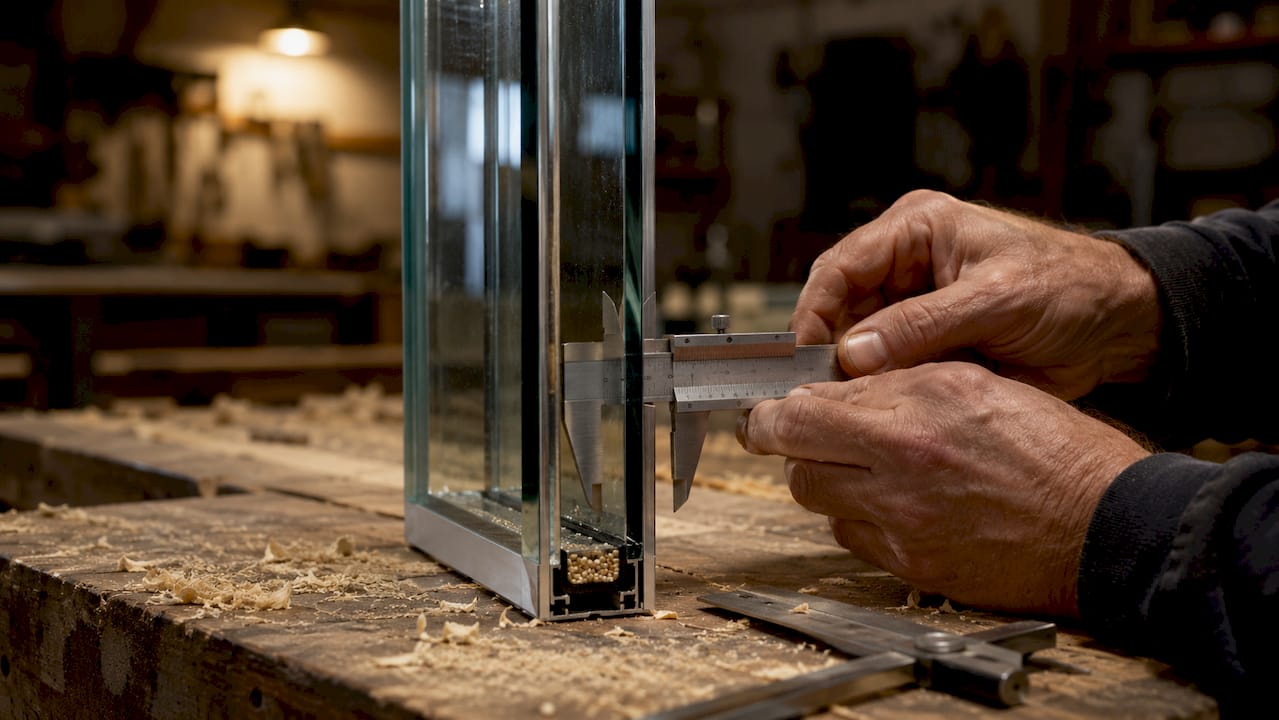
The cavity width typically ranges from 6–20 mm. Narrower gaps allow less insulation, while gaps wider than 20 mm can actually allow convective air currents to form inside the unit, reducing efficiency. Argon is the most widely used fill gas because it conducts heat less effectively than air. Krypton and xenon offer even better performance but cost more.
Spacer bars hold the two panes apart at the correct distance. Spacer bars and sealing prevent moisture from entering the cavity and maintain the structural integrity of the unit. Aluminum spacers are common, but warm-edge spacers made from materials with lower thermal conductivity reduce heat loss at the edges of the pane.
The outer perimeter of the unit is sealed with a primary and secondary sealant. That hermetic seal is what keeps the gas inside and moisture out. If the seal fails, the gas escapes and moisture enters, causing fogging between the panes.
How does double glazing work to improve insulation?
Heat moves through windows in three ways: conduction, convection, and radiation. Double glazing addresses all three. The gas-filled gap slows conductive and convective heat transfer because gas molecules move less freely than those in a solid material. That gap is the primary reason a double glazed window outperforms a single pane.
Low-emissivity coatings, known as low-E coatings, handle the radiation problem. A thin metallic layer applied to one surface of the glass reflects infrared heat back into the room during winter. In summer, the same coating reduces solar heat gain by reflecting external radiant heat away. The result is a window that works in both directions without blocking natural light.
Pro Tip: Ask your window supplier which surface the low-E coating is applied to. Position matters. For cold climates, coating on the inner pane’s outer surface maximizes winter heat retention. For hot climates like South Texas, coating placement shifts to reduce solar gain.
The key factors that determine how well a double glazed window insulates are:
- Gas fill type: Argon outperforms air; krypton outperforms argon but costs more.
- Cavity width: The optimal range is 6–20 mm for most residential applications.
- Low-E coating: Reflects infrared radiation and reduces solar heat gain.
- Spacer bar material: Warm-edge spacers reduce thermal bridging at the frame edge.
- Seal integrity: A failed seal eliminates the insulating benefit of the gas fill entirely.
Thermal resistance depends more on the quality of sealing and gas filling than on the number of glass panes alone. Two panes with a well-sealed argon cavity and a low-E coating will outperform a poorly sealed triple-glazed unit.
What are the benefits of double glazing for homeowners?
Double glazing delivers measurable gains across energy costs, comfort, noise, and property value. These benefits compound over time, making the upfront investment worthwhile for most homeowners.
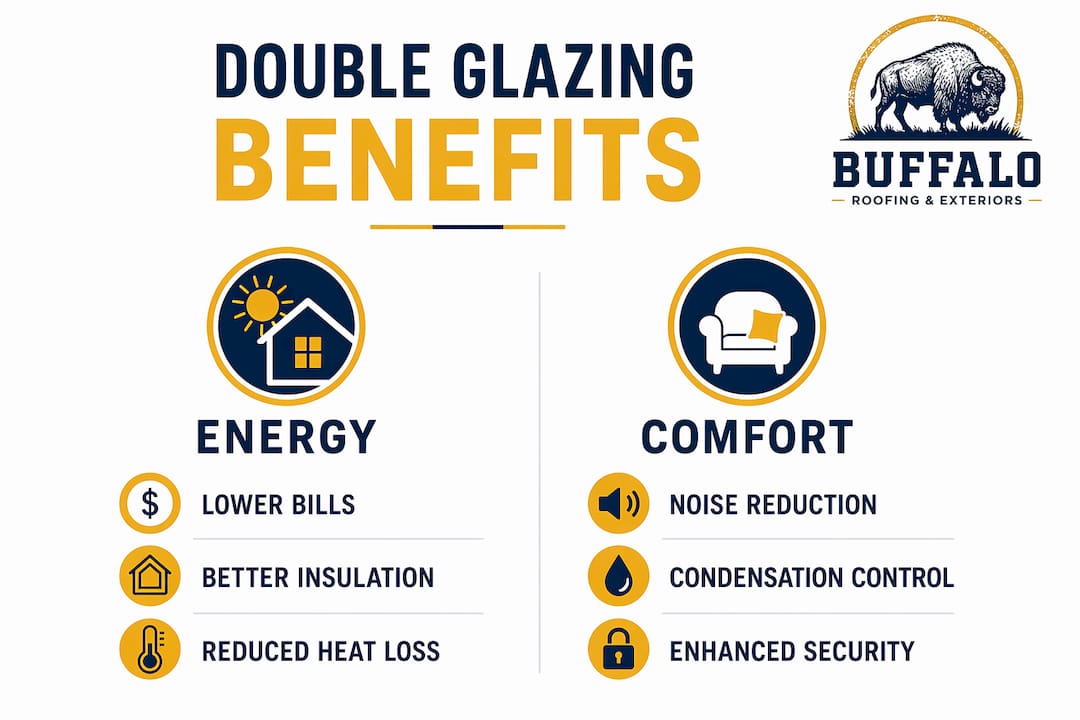
- Lower energy bills. The Energy Saving Trust reports that upgrading from single glazing to double glazing can save approximately £140 annually in energy costs. That figure reflects reduced heating demand in winter months. In hot climates like Texas, the cooling savings follow the same logic.
- Improved indoor comfort. Double glazing keeps heat inside during winter and blocks heat in summer, reducing cold spots near windows and preventing overheating in sun-facing rooms. Homeowners consistently report more even temperatures throughout the home after installation.
- Noise reduction. The air or gas-filled gap acts as a sound barrier, reducing noise from traffic, neighbors, and outdoor activity. This benefit is especially significant for homes near busy roads or in urban areas.
- Reduced condensation. Single-pane windows get cold on the interior surface, which causes moisture in the air to condense on the glass. Double glazing keeps the interior pane warmer, reducing condensation and the mold risk that comes with it.
- Higher property value. Energy-efficient windows are a recognized selling point. Buyers in 2026 actively look for homes with lower running costs, and double glazed windows signal that the property has been maintained and upgraded thoughtfully.
- Durability. A properly installed and sealed IGU lasts 20 years or more before the seal degrades. Quality frame materials like uPVC, fiberglass, or thermally broken aluminum extend that lifespan further. Understanding window frames and energy efficiency helps you choose the right combination for your climate.
Double glazing vs single glazing vs triple glazing
Choosing between single, double, and triple glazing comes down to climate, budget, and the specific performance you need. Each option has a clear use case.
Single glazing is a single pane of glass with no cavity. It offers almost no thermal resistance. Heat moves straight through it, interior surfaces get cold, condensation forms readily, and outside noise passes through with minimal reduction. Single glazing is still found in older homes and some outbuildings, but it is not a viable option for a primary residence in any climate with meaningful temperature variation.
Triple glazing adds a third pane and a second gas-filled cavity, which increases thermal resistance and noise reduction beyond what double glazing achieves. The tradeoff is higher cost, greater weight, and thicker frames. Triple glazing makes the most sense in very cold climates where heating costs are extreme. For most American homes, including those in Texas, double glazing delivers the best balance of performance and cost.
Pro Tip: European window designs often use multi-chambered frames alongside double or triple glazing. If you are comparing window quotes, look at the whole system, not just the glass specification. A double-glazed unit in a thermally broken frame often outperforms triple glazing in a basic aluminum frame.
| Feature | Single glazing | Double glazing | Triple glazing |
|---|---|---|---|
| Thermal resistance | Low | Good | High |
| Noise reduction | Minimal | Moderate to good | Good to excellent |
| Condensation control | Poor | Good | Very good |
| Upfront cost | Low | Moderate | High |
| Weight and frame size | Minimal | Moderate | Heavier, thicker |
| Best suited for | Outbuildings, mild climates | Most residential homes | Very cold climates |
Most American homes use standard double glazing, while European designs often push further with superior spacers and multi-chambered frames. That gap in design philosophy is narrowing as energy codes tighten across U.S. states.
What to consider when buying double glazed windows
Buying double glazing is not just about picking two panes of glass. The performance of the finished window depends on every component in the system. Getting this right before you purchase saves money and frustration later.
- Sealed unit integrity. Condensation between the panes is the clearest sign of a failed hermetic seal. When buying replacement units, ask how the seal is constructed and what warranty covers seal failure. A reputable supplier backs their units for at least 10 years.
- Gas fill specification. Confirm whether the unit is filled with argon or just dry air. Argon-filled units cost slightly more but deliver meaningfully better insulation. The optimal cavity width for argon fill is typically 12–16 mm for residential windows.
- Low-E coating. Not all double glazed windows include a low-E coating. In Texas, where summer heat is the dominant concern, a low-E coating is not optional. It is the difference between a window that helps and one that just looks like it does.
- Frame material. uPVC frames are affordable and low-maintenance. Fiberglass frames offer superior strength and thermal performance. Thermally broken aluminum frames suit commercial and contemporary residential applications. The frame contributes significantly to the overall U-value of the window.
- Energy ratings. Look for windows rated under the National Fenestration Rating Council (NFRC) system. The U-factor measures heat loss; lower is better. The Solar Heat Gain Coefficient (SHGC) measures solar heat gain; for hot climates, a lower SHGC reduces cooling loads. Check why window ratings matter before finalizing any purchase in 2026.
- Installation quality. A perfectly specified window installed poorly will underperform. Air leaks around the frame account for a significant portion of heat loss in many homes. Choose a contractor with documented installation experience and ask to see completed projects.
- Maintenance and replacement. Double glazed units do not require much maintenance, but the seals will eventually degrade. When fogging appears between panes, the unit needs replacement, not cleaning. Cleaning the glass surface will not restore a failed seal.
Key Takeaways
Double glazing is an engineered system where seal quality, gas fill, and low-E coatings determine real-world performance, not just the number of glass panes.
| Point | Details |
|---|---|
| Core construction | Two glass panes with a sealed 6–20 mm gas-filled cavity form the insulated glazing unit. |
| Performance drivers | Argon fill, low-E coatings, and warm-edge spacers matter more than pane count alone. |
| Energy savings | Upgrading from single glazing can save approximately £140 per year in heating costs. |
| Buying priority | Confirm gas fill type, low-E coating, NFRC ratings, and installer experience before purchasing. |
| Warning sign | Condensation between panes means the seal has failed and the unit needs professional replacement. |
The whole system is what actually matters
Most homeowners focus on the glass when they think about double glazing. That is understandable, but it is the wrong place to focus. After working with window installations across different climates and home types, the pattern is clear: the weakest link is almost never the glass itself. It is the seal, the spacer, or the frame.
I have seen argon-filled, low-E-coated windows underperform because they were installed in aluminum frames with no thermal break. The heat just traveled around the glass through the frame. The homeowner paid for a quality glazing unit and got mediocre results because the system was not evaluated as a whole. That is the most common and most expensive mistake in window buying.
The second mistake is prioritizing upfront cost over long-term performance. A cheaper window with a shorter seal warranty will need replacement sooner. When you factor in the cost of a second installation within 10 years, the “affordable” option rarely is. The energy-efficient window replacement math almost always favors spending more once and doing it right.
My honest recommendation: get the full window specification in writing before you sign anything. That means gas fill type, cavity width, low-E coating position, spacer material, frame U-value, and installer warranty. Any supplier who cannot provide that detail is not the right supplier.
— Buffalo Roofing and Exteriors
Window upgrades from San Antonio to Corpus Christi, TX
Buffalo Roofing and Exteriors installs energy-efficient double glazed windows across South Texas, serving homeowners from San Antonio to Corpus Christi and the surrounding region.

Texas homes face a specific challenge: intense summer heat, coastal humidity, and occasional severe weather demand windows that perform under real pressure. Buffalo Roofing and Exteriors supplies and installs double glazed window systems specified for the Texas climate, including low-E coatings suited to high solar gain environments. The team provides free estimates and financing options, so the cost of upgrading does not have to be a barrier. Explore the full range of window installation services and get a quote tailored to your home. For homeowners thinking beyond windows, Buffaloroofingandexteriors also covers exterior renovations for coastal Texas homes to protect your property from the ground up.
FAQ
What is double glazing in simple terms?
Double glazing is a window made from two panes of glass with a sealed gap between them, filled with air or gas, to reduce heat transfer and improve insulation.
How does double glazing reduce energy bills?
The sealed gas-filled cavity slows heat from escaping in winter and entering in summer, reducing how hard your heating and cooling systems have to work. The Energy Saving Trust estimates savings of approximately £140 per year when upgrading from single glazing.
What gas is used in double glazed windows?
Argon is the most common gas used in double glazed windows. It conducts heat less effectively than air, improving the window’s thermal resistance without adding significant cost.
How do I know if my double glazing has failed?
Condensation or fogging between the two panes is the definitive sign of a failed seal. Cleaning the glass surface will not fix it. The unit needs professional assessment and likely full replacement.
Is triple glazing better than double glazing?
Triple glazing offers higher thermal resistance and better noise reduction, but it costs more and adds weight. For most American homes, double glazing with argon fill and a low-E coating delivers the best balance of performance and value.