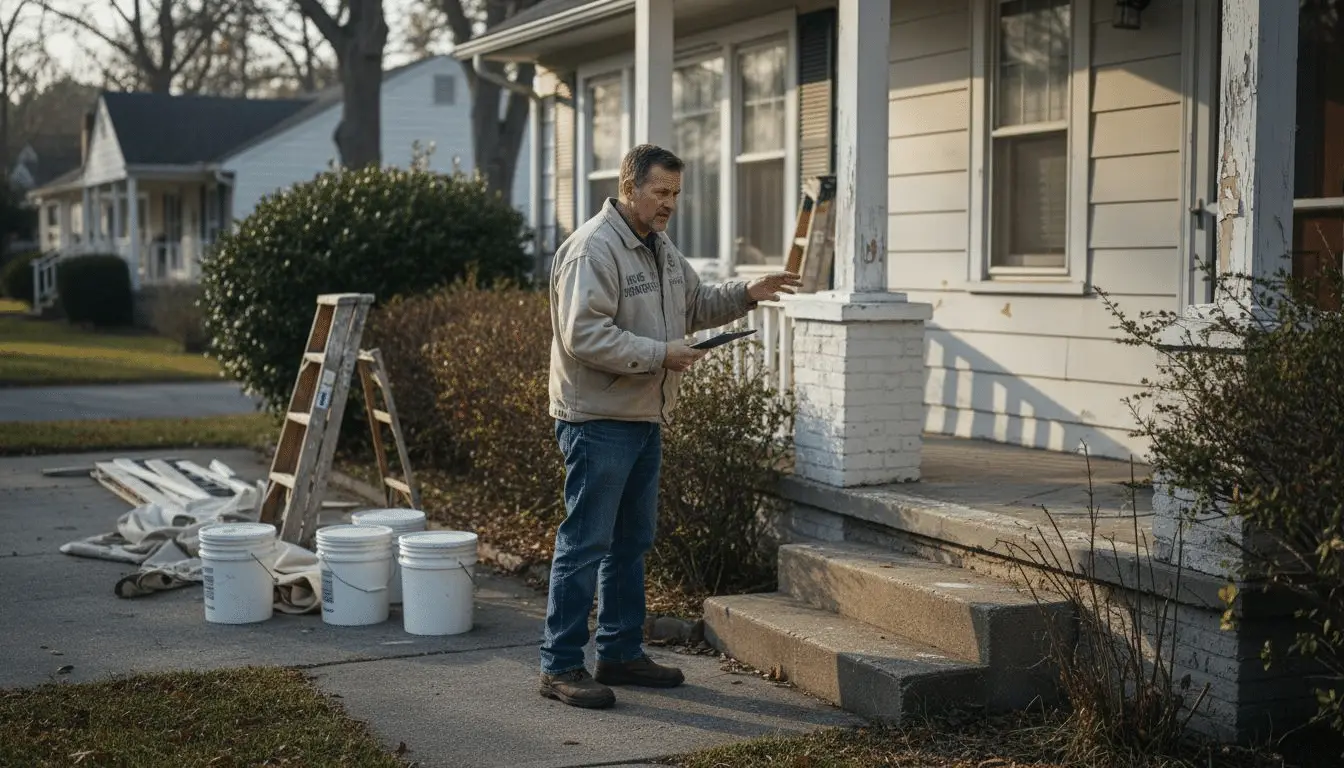
Storms can take a real toll on homes in Corpus Christi and San Antonio, leaving lasting damage to exteriors that protect what matters most. For homeowners along the Texas coast, choosing the right approach to exterior renovation is not just about curb appeal but about safeguarding your property against future weather events. Discover how focused upgrades to energy efficiency and structural durability can help you restore, strengthen, and enhance your home’s long-term value and resilience, even in the face of the region’s toughest storms.
Table of Contents
- Defining Exterior Renovation for Homes
- Types of Exterior Renovations Explained
- How the Exterior Renovation Process Works
- Common Materials for Coastal Texas
- Costs, Risks, and What to Avoid
Key Takeaways
| Point | Details |
|---|---|
| Investment in Exterior Renovation | Exterior renovations enhance both aesthetic appeal and functional performance, representing critical investments in property preservation. |
| Focus on Energy Efficiency | Modern renovations prioritize energy efficiency and sustainability, offering long-term cost benefits. |
| Mitigating Environmental Risks | Homeowners in storm-prone areas should treat exterior renovations as protection against weather-related damages. |
| Thorough Contractor Selection | Careful research and multiple consultations are essential to select qualified contractors and mitigate risks. |
Defining Exterior Renovation for Homes
Exterior renovation encompasses strategic improvements to a home’s external structure and appearance designed to enhance both aesthetic appeal and functional performance. These comprehensive upgrades go far beyond simple cosmetic updates, representing critical investments in property preservation and value enhancement. Home improvement and repair spending trends demonstrate the significant role exterior renovations play in maintaining residential infrastructure.
At its core, exterior renovation involves multiple potential interventions:
- Replacing or repairing damaged siding
- Upgrading windows and door systems
- Restoring or replacing roofing materials
- Enhancing exterior insulation and weatherproofing
- Repairing or replacing exterior architectural elements
The primary objectives of exterior renovation extend well beyond surface-level improvements. Sustainability and energy efficiency are increasingly central considerations, with homeowners recognizing that strategic building envelope upgrades can dramatically improve a home’s performance and reduce long-term maintenance costs.
Homeowners in storm-prone regions like coastal Texas understand that exterior renovations are not merely aesthetic choices but critical protective measures. These strategic investments help mitigate potential weather-related damages, improve structural resilience, and maintain property value during challenging environmental conditions.
Pro Tip: Consider scheduling a professional exterior assessment every 3-5 years to proactively identify potential renovation needs before minor issues escalate into costly repairs.
Types of Exterior Renovations Explained
Exterior renovations encompass a wide range of strategic improvements designed to enhance a home’s structural integrity, energy efficiency, and aesthetic appeal. Exterior wall improvements represent a critical component of comprehensive home maintenance, addressing both functional and visual aspects of residential properties.
The primary types of exterior renovations include:
- Siding Replacement
- Repairing damaged exterior cladding
- Upgrading to more durable materials
- Improving home insulation and weather resistance
- Roofing Upgrades
- Replacing worn or damaged roofing materials
- Installing enhanced weatherproofing systems
- Improving overall roof structural integrity
- Window and Door Renovations
- Replacing outdated or inefficient windows
- Installing energy-efficient door systems
- Enhancing home security and thermal performance
- Architectural Element Restoration
- Repairing exterior structural components
- Updating exterior decorative features
- Addressing potential structural weaknesses
Exterior renovation types go beyond mere cosmetic improvements, serving critical functions in protecting homes from environmental challenges. Homeowners in storm-prone regions like coastal Texas recognize these upgrades as essential investments in property preservation and resilience.
Modern exterior renovations also prioritize energy efficiency and sustainability. Advanced materials and techniques allow homeowners to significantly reduce energy consumption, improve thermal performance, and create more environmentally responsible living spaces.
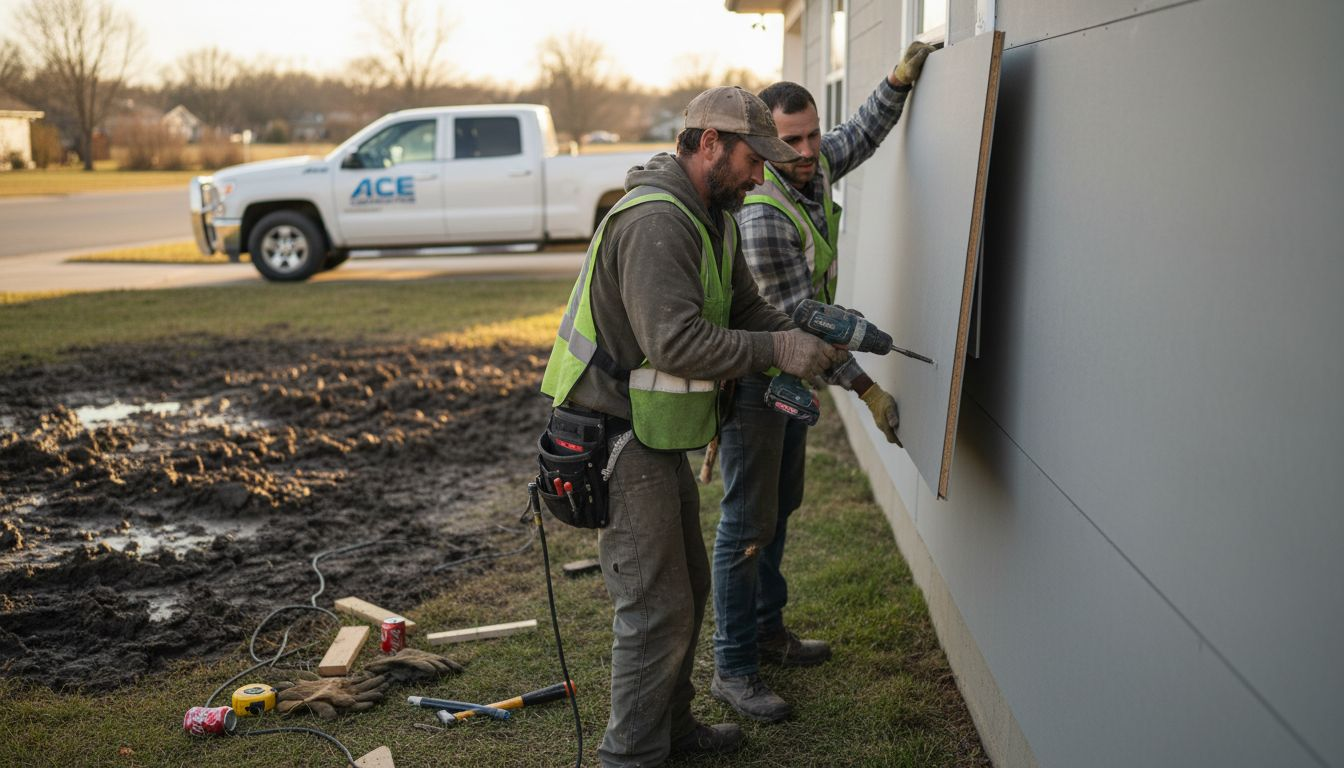
Pro Tip: Prioritize exterior renovations that offer multiple benefits, such as improvements that simultaneously enhance aesthetic appeal, structural integrity, and energy efficiency.
How the Exterior Renovation Process Works
The exterior renovation process is a complex, multi-stage undertaking that requires careful planning, coordination, and execution. Home renovation projects typically involve several critical phases designed to transform and protect residential structures systematically and effectively.
The comprehensive exterior renovation process can be broken down into key stages:
- Initial Assessment and Consultation
- Comprehensive property evaluation
- Identifying specific renovation needs
- Determining project scope and objectives
- Design and Planning
- Developing detailed renovation blueprints
- Selecting appropriate materials
- Creating budget and timeline estimates
- Permitting and Regulatory Compliance
- Obtaining necessary local government approvals
- Ensuring adherence to building codes
- Securing required documentation
- Preparation and Demolition
- Removing existing damaged components
- Preparing surfaces for new installations
- Addressing underlying structural issues
- Construction and Installation
- Implementing planned renovations
- Installing new exterior systems
- Ensuring precise and quality workmanship
Building envelope renovation demands meticulous attention to detail and professional expertise. Homeowners in storm-prone regions like coastal Texas must prioritize renovations that enhance structural resilience and protect against environmental challenges.
Successful exterior renovations integrate multiple considerations, including energy efficiency, aesthetic appeal, and long-term durability. Professional contractors understand the nuanced requirements of comprehensive home improvement, balancing technical precision with homeowner expectations.
Pro Tip: Schedule multiple professional consultations to compare renovation approaches and ensure you receive comprehensive, tailored recommendations for your specific property needs.
Common Materials for Coastal Texas
Coastal Texas homeowners face unique challenges when selecting exterior renovation materials, requiring specialized solutions that can withstand intense environmental conditions. Building materials in Texas must provide exceptional durability against wind, moisture, and salt air corrosion typical in coastal regions.
The most recommended exterior renovation materials for coastal Texas include:
- Fiber Cement Siding
- Highly resistant to moisture
- Prevents insect damage
- Withstands extreme temperature variations
- Masonry Products
- Brick and concrete block constructions
- Superior wind resistance
- Excellent thermal mass properties
- Impact-Resistant Windows
- Designed for hurricane-force winds
- Enhanced structural integrity
- Reduced potential for storm damage
- Treated Wood Materials
- Specially engineered for coastal environments
- Corrosion and rot-resistant treatments
- Maintains structural performance
Exterior masonry wall systems provide critical protection against the harsh coastal climate. Professional contractors understand that material selection goes beyond aesthetic preferences, focusing on long-term resilience and performance.
Successful coastal home renovations demand materials that balance technical specifications with visual appeal. Homeowners must prioritize products engineered to withstand salt air, intense sunlight, high humidity, and potential storm impacts characteristic of Texas coastal regions.
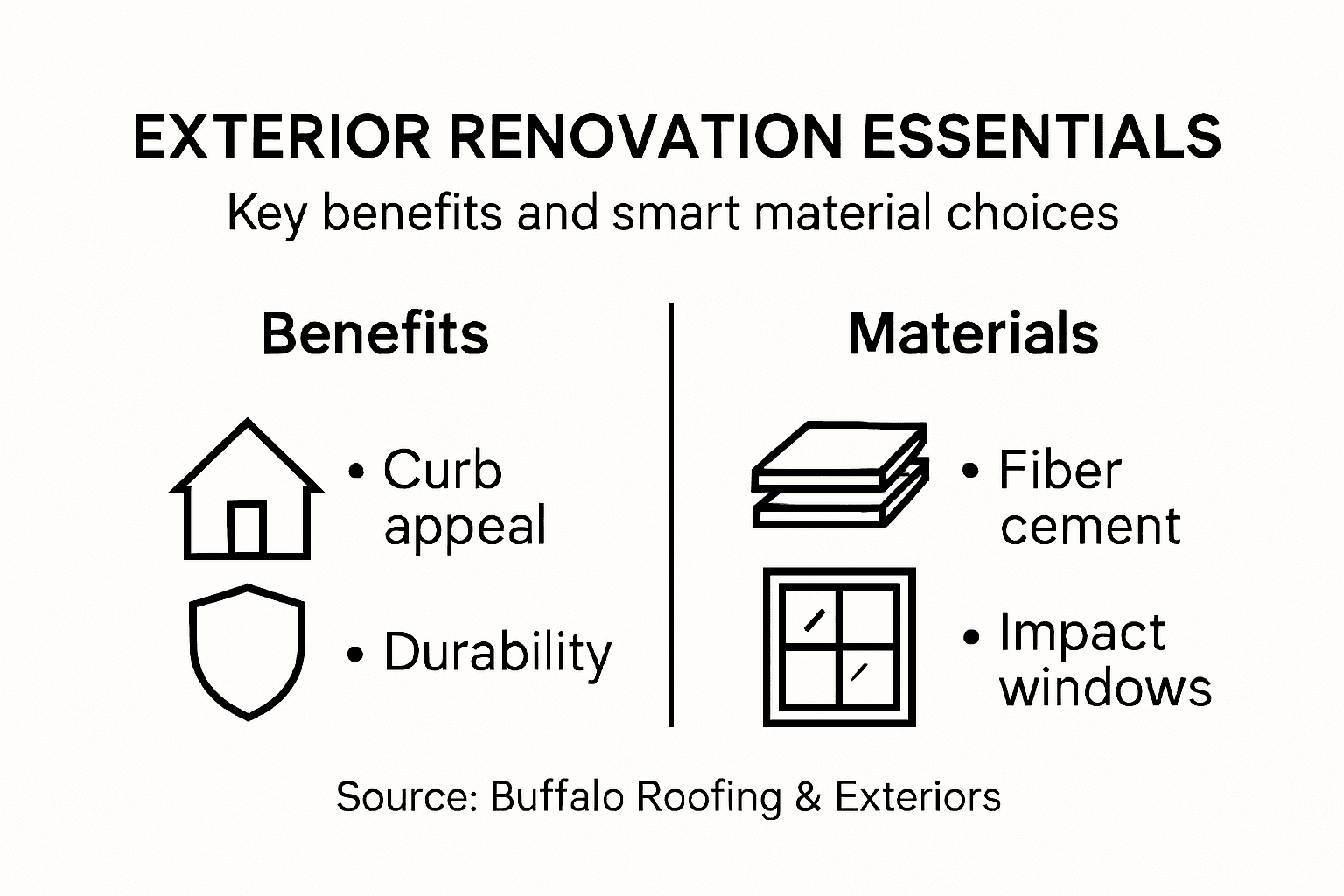
Here’s a comparison of exterior renovation material choices for coastal Texas homes:
| Material Type | Key Environmental Benefit | Typical Lifespan | Maintenance Needs |
|---|---|---|---|
| Fiber Cement Siding | Resists moisture and insects | 30-50 years | Occasional cleaning |
| Masonry (Brick/Block) | Superior wind resistance | 50+ years | Minimal, inspect joints |
| Impact-Resistant Glass | Withstands hurricane-level winds | 20-40 years | Regular seal inspection |
| Treated Wood | Corrosion and rot protection | 20-40 years | Re-coating, inspect ends |
Pro Tip: Consult local building professionals who specialize in coastal construction to ensure your material selections meet regional building codes and environmental challenges.
Costs, Risks, and What to Avoid
Exterior renovation projects represent significant financial investments that require careful planning and strategic decision-making. Home renovation spending trends demonstrate the substantial economic impact of these improvements, while also highlighting potential financial risks homeowners must carefully navigate.
Key financial and safety risks to consider include:
- Budget Overruns
- Unexpected material price increases
- Hidden structural damage
- Complex repair requirements
- Contractor-Related Risks
- Unqualified or unlicensed professionals
- Poor workmanship
- Incomplete or substandard project completion
- Safety Hazards
- Construction-related fire risks
- Potential workplace accidents
- Improper safety protocol implementation
- Regulatory Compliance Issues
- Failure to obtain proper permits
- Violations of local building codes
- Potential legal and financial penalties
Homeowners in coastal Texas must be particularly vigilant about selecting contractors who understand the unique environmental challenges of the region. Comprehensive research, multiple contractor consultations, and detailed project documentation can significantly mitigate potential risks.
Successful exterior renovations demand a proactive approach that balances financial considerations with quality workmanship. Homeowners should prioritize transparent communication, detailed contracts, and thorough project planning to protect their investment and ensure optimal results.
The table below summarizes potential renovation risks and how to mitigate them:
| Risk Area | Example Issue | Proactive Approach |
|---|---|---|
| Budget Management | Hidden structural damage | Set aside contingency funds |
| Contractor Selection | Unlicensed labor | Verify credentials and references |
| Safety | Accident during construction | Enforce strict on-site protocols |
| Regulatory Compliance | Lack of proper permits | Confirm city codes and documentation |
Pro Tip: Always request detailed, written estimates from at least three licensed contractors and carefully review their professional credentials, insurance, and past project portfolios before making a final selection.
Protect Your Home with Expert Exterior Renovations from Buffalo Roofing & Exteriors
Exterior renovation is essential for maintaining your home’s beauty, structural integrity, and energy efficiency especially in storm-prone areas like coastal Texas. If you are dealing with damaged siding, aging windows, or the need for roof repairs, understanding these challenges is the first step toward a safer and more resilient home. At Buffalo Roofing & Exteriors, we specialize in comprehensive solutions that address these exact concerns including siding replacement, window upgrades, and expert repairs tailored to withstand harsh weather conditions.

Don’t wait for minor issues to escalate into costly repairs. Explore our Siding Archives | Buffalo Roofing & Exteriors and Windows Archives | Buffalo Roofing & Exteriors for proven renovation options backed by quality and reliability. Visit / today to get your free estimate and protect your home with trusted exterior renovation services designed to last.
Frequently Asked Questions
What is exterior renovation?
Exterior renovation involves strategic improvements to a home’s external structure and appearance, enhancing both its aesthetic appeal and functional performance. This includes replacing siding, upgrading windows and doors, and restoring roofing materials.
Why is exterior renovation important for homeowners?
Exterior renovation is crucial as it not only improves the visual appeal of a home but also boosts energy efficiency, protects against environmental damage, and helps maintain or increase property value over time.
What types of materials are commonly used in exterior renovations?
Common materials include fiber cement siding for moisture resistance, masonry products for wind resilience, impact-resistant windows for storm protection, and treated wood for corrosion resistance. Each material is chosen based on its longevity and suitability for the environment.
How can homeowners ensure they choose the right contractors for exterior renovations?
Homeowners should conduct thorough research, verify contractor credentials and licenses, request written estimates from multiple professionals, and review past project portfolios to ensure they select qualified and experienced contractors.
Recommended
- Doors | Buffalo Roofing & Exteriors | San Antonio to Corpus Christi, TX
- Why is it Important to Get Home Exteriors and Roofing Repaired Quickly? | Buffalo Roofing & Exteriors | San Antonio to Corpus Christi, TX
- Exteriors | Buffalo Roofing & Exteriors | San Antonio to Corpus Christi, TX
- Home Repair | Buffalo Roofing & Exteriors | San Antonio to Corpus Christi, TX
- The Benefits of Hiring a Professional Landscaping Service – Wicked Gardens
- Roofing Company Corpus Christi TX