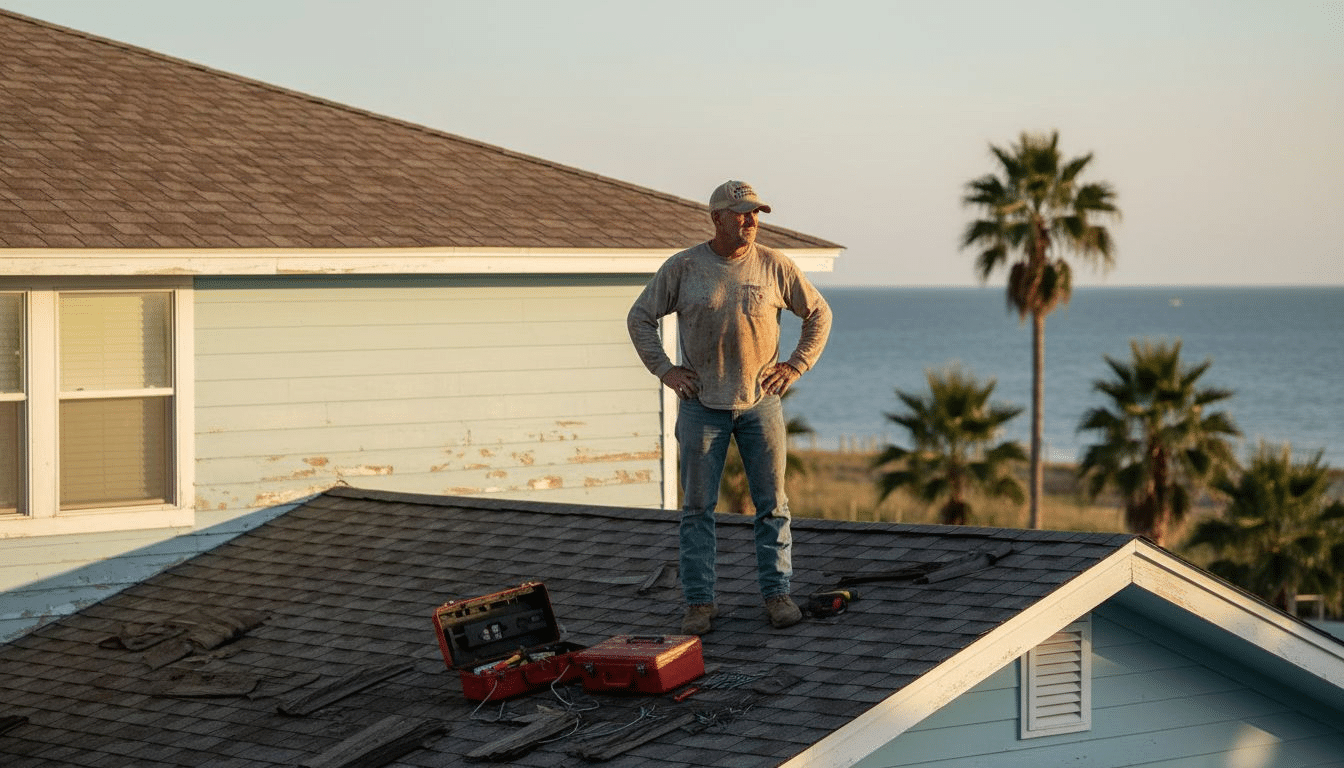
Every Texas homeowner knows the stress a sudden coastal storm can bring to Corpus Christi or San Antonio. Protecting your property means understanding the difference between a promise and a legal guarantee. With roofs often representing your largest investment, a roofing warranty serves as a vital shield against costly repairs and uncertainty. This guide breaks down the legal protections and warranty options that help you safeguard your home and its value in storm-prone Texas.
Table of Contents
- Roofing Warranties Defined For Texas Homes
- Types Of Roofing Warranties Explained
- How Warranties Work In Storm-Prone Areas
- Key Coverage, Exclusions, And Red Flags
- Maintaining Warranty Validity And Value
Key Takeaways
| Point | Details |
|---|---|
| Understanding Roofing Warranties | Homeowners must grasp the differences between express, implied, manufacturer, and contractor warranties to make informed decisions. |
| Reviewing Warranty Documents | It’s crucial to examine coverage duration, specifics on damage types, and any voiding conditions before signing. |
| Maintenance Requirements | Regular inspections and documentation are essential for maintaining warranty validity, especially in storm-prone areas. |
| Identifying Exclusions | Be aware of common exclusions that can significantly impact coverage, particularly regarding natural disasters and unauthorized repairs. |
Roofing Warranties Defined for Texas Homes
A roofing warranty offers critical protection for homeowners in coastal Texas, safeguarding their most significant investment against potential damage and unexpected repair costs. Understanding the nuanced landscape of roofing warranties is essential, especially in storm-prone regions like Corpus Christi and San Antonio.
In Texas, roofing warranties are legal agreements that provide specific protections for homeowners. Express warranties under Texas law represent specific promises made by manufacturers or contractors about product performance, typically documented in writing. These warranties outline critical details such as coverage duration, repair responsibilities, and potential limitations.
Roofing warranties in Texas generally fall into two primary categories:
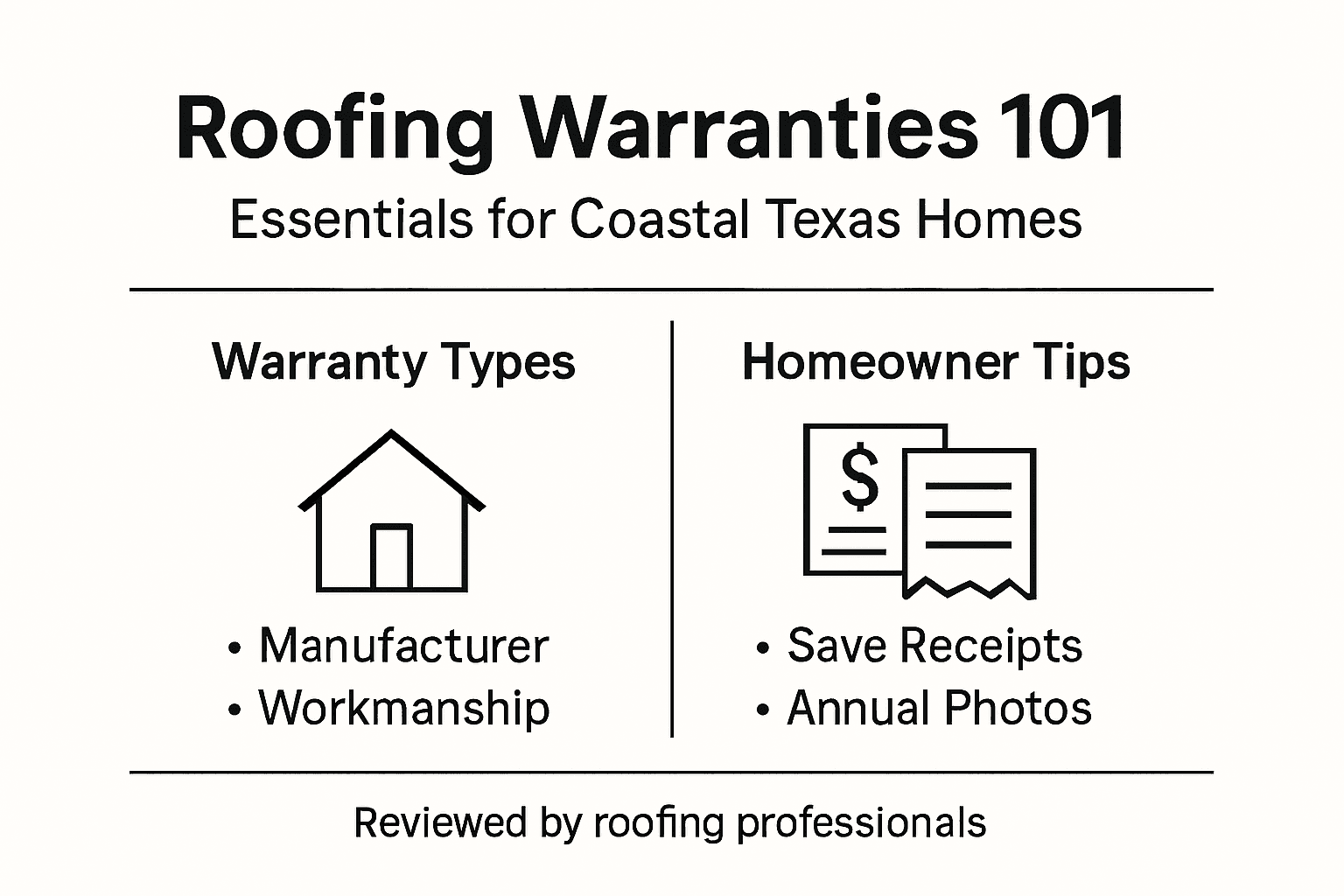
- Manufacturer Warranties: Covering defects in roofing materials
- Contractor Warranties: Addressing installation quality and workmanship
- Extended Coverage Warranties: Providing comprehensive protection beyond standard terms
The legal framework surrounding these warranties is complex. Warranty regulations in Texas ensure that homeowners receive transparent information about product performance and potential limitations. Implied warranties automatically guarantee that roofing products meet reasonable quality standards and are fit for their intended purpose.
Homeowners should carefully review warranty documents, paying special attention to:
- Exact coverage period
- Specific types of damage included
- Maintenance requirements
- Conditions that might void the warranty
Pro tip: Always request a written copy of the full warranty and have a professional roofing expert review the document before signing any agreements.
Types of Roofing Warranties Explained
Roofing warranties provide crucial protection for homeowners in coastal Texas, offering different levels of coverage to safeguard against potential damage and unexpected repair costs. Understanding the various types of warranties helps homeowners make informed decisions about their roof’s long-term protection.
Construction warranty categories typically fall into three primary classifications, each serving a unique purpose for Texas homeowners:
- Express Warranties: Explicitly documented agreements with clear performance terms
- Implied Warranties: Legal protections automatically ensuring product quality
- Manufacturer Warranties: Specific coverage for roofing materials and components
These warranty types provide comprehensive protection through distinct mechanisms. Roofing warranty structures are typically categorized into several specific formats:
- Material-Only Warranties: Covering manufacturing defects in roofing materials
- Labor and Workmanship Warranties: Addressing installation quality and potential errors
- Total System Warranties: Offering comprehensive coverage for both materials and installation
Homeowners should carefully evaluate each warranty type, considering factors such as:
Here’s a summary of key differences between major roofing warranty types for Texas homeowners:
| Warranty Type | What It Covers | Typical Duration | Who Provides It |
|---|---|---|---|
| Manufacturer Warranty | Material defects and failures | 10-50 years | Roofing material producer |
| Contractor Warranty | Installation and workmanship issues | 1-10 years | Roofing installer/contractor |
| Extended Coverage | Materials and installation, extras | Up to lifetime | Often joint (manufacturer + contractor) |
- Duration of coverage
- Specific damage types included
- Maintenance requirements
- Transferability between property owners
- Conditions that might invalidate the warranty
Roofing warranties are legal contracts with precise terms and potential exclusions. Understanding these details is crucial for maximum protection.
Pro tip: Always request detailed documentation and have a professional roofing expert review the complete warranty before making a final decision.
How Warranties Work in Storm-Prone Areas
Coastal Texas homeowners face unique challenges when protecting their roofs from extreme weather conditions, making understanding warranty coverage critically important. The harsh environment of regions like Corpus Christi and San Antonio demands comprehensive protection against potential storm damage and unexpected repair costs.
Construction warranties in challenging environments operate with specific nuances for storm-prone areas. These warranties typically include complex provisions that address the unique risks associated with coastal weather patterns:
- Limited Storm Coverage: Many warranties exclude direct hurricane or severe storm damage
- Maintenance Requirements: Specific conditions that must be met to maintain warranty validity
- Documentation Needs: Detailed evidence requirements for potential claims
Homeowners must carefully examine warranty terms, paying close attention to:
- Specific exclusions for wind and water damage
- Required maintenance documentation
- Claims process for storm-related repairs
- Timeframes for reporting potential damage
Warranty risk allocation strategies reveal that most contracts in storm-prone regions include critical protective clauses. These provisions aim to balance protection for homeowners while managing potential financial risks for manufacturers and contractors.
Storm damage warranties are complex legal documents that require careful interpretation and understanding of specific regional weather challenges.
Typical storm-related warranty considerations include:
- Specific wind speed thresholds for coverage
- Documented maintenance records
- Professional inspection requirements
- Precise damage reporting protocols
Pro tip: Photograph your roof’s condition annually and maintain a detailed maintenance log to strengthen your warranty claim potential during storm-related damage assessments.

Key Coverage, Exclusions, and Red Flags
Roofing warranties are complex legal documents that require careful scrutiny, especially for homeowners in storm-prone regions of Texas. Understanding the intricate details of coverage can mean the difference between financial protection and unexpected out-of-pocket expenses.
Roof warranty coverage details reveal critical aspects homeowners must understand before signing any agreement. Warranties are not comprehensive insurance policies, but strategic protection mechanisms with specific limitations:
- Manufacturer Defect Coverage: Protection against material failures
- Workmanship Guarantees: Addressing installation-related issues
- Limited Weather Protection: Specific conditions for storm damage
Critical warranty exclusions that can void protection include:
- Damage from natural disasters
- Unauthorized repair attempts
- Lack of regular maintenance
- Improper installation modifications
Red flags to watch for in roofing warranties include:
This table highlights common roofing warranty exclusions and their real-world impact for Texas homes:
| Exclusion Type | Why It Matters | Potential Impact on Homeowner |
|---|---|---|
| Natural disaster damage | Often excluded from coverage | May require separate insurance |
| Unauthorized repairs | Voids warranty if not followed | Homeowner pays full repair costs |
| Inadequate maintenance | Failing upkeep can cancel coverage | Claim denied in case of neglect |
| Unapproved modifications | Changes can breach contract | Homeowner loses warranty benefits |
- Non-transferable coverage
- Extremely restrictive maintenance requirements
- Ambiguous language about claim processes
- Hidden fees or complex claim submission procedures
Not all warranty promises are created equal. Careful reading and understanding of the fine print is essential for genuine protection.
Homeowners should pay special attention to:
- Precise documentation requirements
- Specific maintenance schedules
- Clear claim submission processes
- Exact coverage limitations
Pro tip: Request a complete copy of the warranty, have a professional roofing expert review it, and keep a detailed maintenance log to ensure maximum coverage protection.
Maintaining Warranty Validity and Value
Preserving your roofing warranty’s full protection requires more than simply keeping the original documentation. Coastal Texas homeowners must take proactive steps to ensure their warranties remain valid and valuable, especially given the region’s challenging weather conditions.
Roof warranty maintenance requirements emphasize the critical nature of consistent, documented upkeep. Warranties are contractual agreements that demand specific actions from homeowners to remain in force:
- Regular Professional Inspections: Annual expert roof assessments
- Detailed Documentation: Maintaining comprehensive maintenance records
- Prompt Repair Protocols: Addressing issues immediately
- Manufacturer-Approved Procedures: Following specific maintenance guidelines
Key maintenance obligations for warranty preservation include:
- Conducting annual professional roof inspections
- Removing debris and checking for potential damage
- Addressing minor repairs promptly
- Keeping detailed maintenance logs
Warranty extension programs typically require:
- Periodic professional evaluations
- Systematic documentation of all roof-related activities
- Adherence to manufacturer-specified maintenance protocols
- Timely reporting of potential issues
Warranty protection is a two-way street: manufacturers provide coverage, but homeowners must demonstrate responsible maintenance.
Critical documentation should include:
- Date of professional inspections
- Detailed repair records
- Photographic evidence of roof condition
- Professional assessment reports
Pro tip: Create a dedicated digital and physical file for your roof’s maintenance history, including photographs, inspection reports, and repair receipts to protect your warranty’s full value.
Protect Your Coastal Texas Home with Expert Roofing Solutions
Understanding roofing warranties is essential for homeowners facing the unique challenges of coastal Texas weather. If you want to ensure your roof stays strong against storm damage and maintains its warranty validity, proactive maintenance paired with skilled installation and repairs is key. Many warranties include strict conditions and exclusions that can leave you vulnerable without the right support.
Buffalo Roofing & Exteriors specializes in delivering quality roofing services designed specifically for the Corpus Christi and San Antonio areas. Whether you need a new installation backed by solid warranties, storm damage restoration, or routine maintenance to keep your coverage intact, our team is here to help. Learn more through our Roofing Archives | Buffalo Roofing & Exteriors to explore expert insights and services tailored for Texas homeowners.
Dont leave your homes protection to chance. Visit https://buffaloroofingandexteriors.com/ now to request a free estimate or storm damage consultation. Trust the experts who understand how to maximize your roofing warranty and keep your property safe in harsh weather conditions. You can also explore our Repairs Archives | Buffalo Roofing & Exteriors and Siding Archives | Buffalo Roofing & Exteriors for comprehensive exterior solutions that complement your roofing investment.
Frequently Asked Questions
What are the main types of roofing warranties?
Roofing warranties generally fall into three categories: manufacturer warranties, which cover defects in roofing materials; contractor warranties, which address installation quality; and extended coverage warranties, which provide comprehensive protection beyond standard terms.
What should I look for in a roofing warranty?
Homeowners should ensure they understand the coverage period, types of damage included, maintenance requirements, and any conditions that might void the warranty. It’s also important to have a written copy of the complete warranty.
How do warranties work in storm-prone areas?
Warranties in storm-prone areas often have specific exclusions for direct hurricane or severe storm damage. Homeowners must closely examine warranty terms for requirements such as maintenance documentation and the claims process for storm-related repairs.
How can I maintain my roofing warranty validity?
To maintain your roofing warranty, consistently conduct annual professional inspections, keep detailed maintenance records, address minor repairs promptly, and follow any manufacturer-approved maintenance procedures.