TL;DR:
- Scheduling roof replacements in winter can reduce costs by up to 20 percent.
- Getting three detailed quotes and inspecting the roof beforehand helps prevent unnecessary expenses.
- Homeowners save money by timing projects wisely, choosing materials carefully, and negotiating effectively.
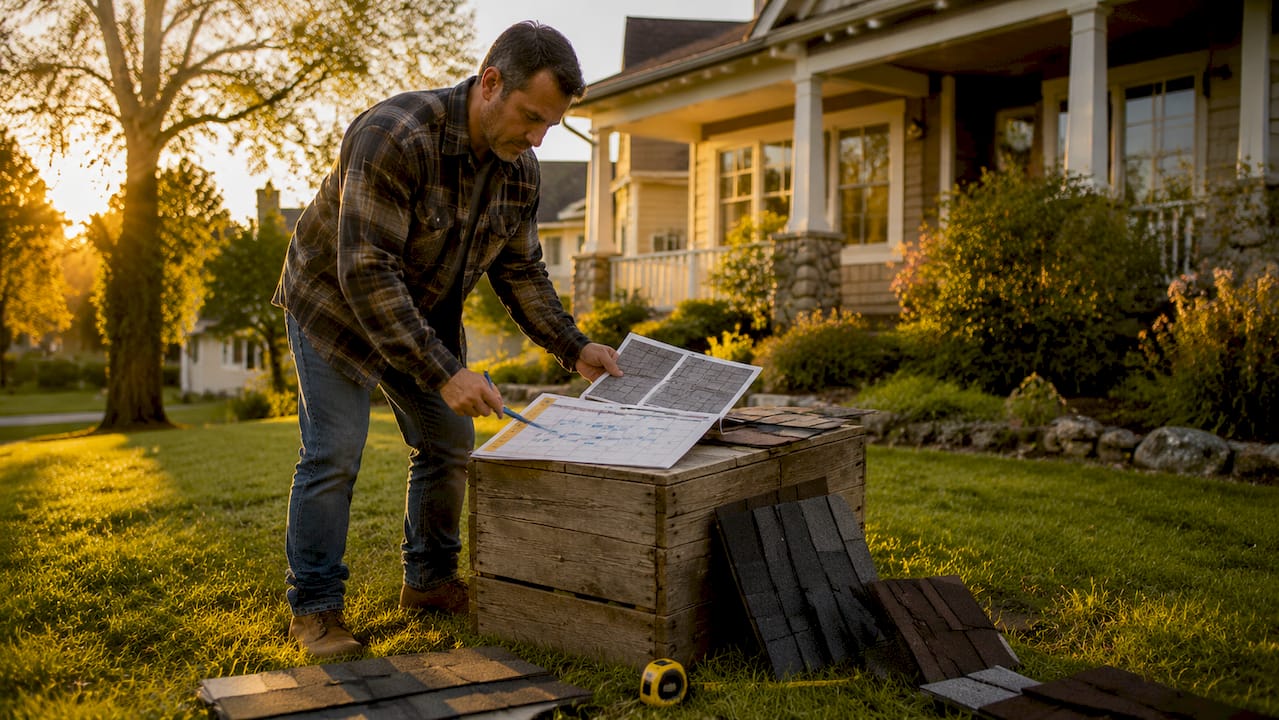
The most effective ways to save on roofing costs combine smart timing, material selection, competitive bidding, and professional inspection before a single shingle gets replaced. Roofing cost reduction, as contractors call it in practice, is not about cutting corners. It is about spending money where it matters and eliminating waste everywhere else. Homeowners and property managers who follow the strategies below can realistically cut their total roofing bill by thousands of dollars without sacrificing durability or warranty coverage.
1. Ways to save on roofing costs start with off-season scheduling
Scheduling your roof replacement between november and march is one of the fastest ways to lower your total bill. Off-season roofing saves 10–20% on replacement costs, which translates to average savings between $800 and $3,400 per project. That range is significant enough to cover upgraded materials or a full contingency fund.
Contractor demand drops sharply in winter months. Less demand means crews are available sooner, and many contractors will negotiate on price to keep their teams working. The trade-off is weather delays, which can push completion dates back by days in regions with heavy rain or cold snaps.
- Book your project in october or november to lock in off-season pricing before the slowest period
- Request a firm completion window in writing to protect against open-ended weather delays
- Ask whether the contractor offers a price-lock guarantee if the job extends into spring
Pro Tip: Contractors who work year-round in mild climates like South Texas rarely drop prices in winter unless you ask directly. Mention that you are getting competing bids and that timing is flexible. That combination gives you real leverage.
For a broader look at how season affects exterior work, the timing of exterior upgrades article from Buffaloroofingandexteriors covers the full picture.
2. Choose materials that balance upfront cost and long-term value
Architectural shingles are the most cost-effective standard roofing material for most residential properties. They cost more than 3-tab shingles upfront but last significantly longer and carry better wind resistance ratings, which matters in coastal Texas. Choosing 3-tab shingles to save $300 today often means paying for a full replacement five years sooner.
| Material | Upfront Cost | Lifespan | Best For |
|---|---|---|---|
| 3-tab asphalt shingles | Lowest | 15–20 years | Tight budgets, mild climates |
| Architectural shingles | Moderate | 25–30 years | Most residential roofs |
| Corrugated metal panels | Moderate to high | 40–70 years | Long-term value, storm zones |
| Cool-rated shingles | Moderate | 25–30 years | Hot climates, energy savings |
Cool-rated and radiant barrier materials can reduce AC costs by 20–40%, paying for themselves within a few seasons in hot climates. That energy return makes them a genuine budget-friendly roofing option over a five to ten year horizon.
Pro Tip: Ask your contractor if they have leftover premium shingles from recent commercial jobs. Contractors often carry overstock inventory from larger projects, including high-reflectivity shingles, available at standard or below-standard material costs.
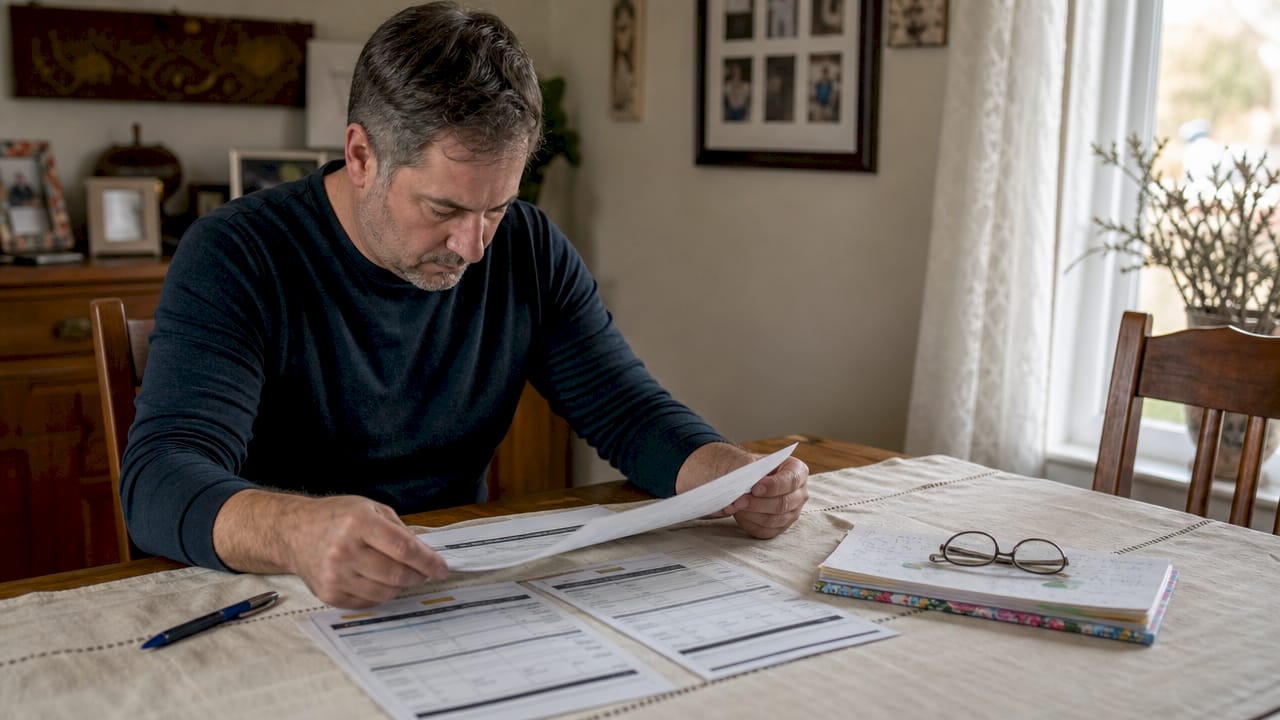
3. Get at least three detailed quotes before signing anything
Competitive bidding is the single most reliable roofing cost-saving strategy available to homeowners. Multiple bids can save $1,000–$3,000 on labor costs alone, without any reduction in material quality. Labor rates and contractor margins vary widely, even within the same city.
Request itemized quotes, not lump-sum numbers. An itemized quote shows you exactly what each contractor charges for tear-off, disposal, decking, underlayment, and installation. When you can compare line by line, you can identify which contractor is padding specific cost categories.
- Get at least three quotes from licensed, insured contractors
- Ask each contractor to break out labor, materials, disposal, and overhead separately
- Use the lowest itemized line items as a baseline when negotiating with your preferred contractor
Pro Tip: Shingle quality is largely standardized by manufacturer grade. The real price difference between contractors is almost always in labor and overhead. Competitive labor bids provide major savings precisely because material costs are so similar across bids.
4. Negotiate payment terms, referrals, and bundled services
Negotiation is not just about price. Payment terms, referral agreements, and bundled services all reduce your effective cost. Contractors who offer financing through partners like GreenSky often build that financing cost into their quote. Paying cash or financing independently can remove that markup.
Ask whether the contractor will discount the job in exchange for a yard sign during the project. Visible job sites generate leads for contractors, and many will offer a small reduction in exchange for that exposure. You can find contractor yard sign options that signal active work to neighbors, which can also open the door to a neighborhood group deal.
Bundling roof work with gutter replacement, fascia repair, or attic ventilation upgrades often reduces total mobilization costs. The crew is already on-site, so adding adjacent work costs less per unit than scheduling it separately.
5. Inspect your attic before the contractor arrives
Inspecting your attic before getting quotes gives you negotiating power most homeowners never use. Contractor quotes often include padded contingency fees for decking replacement. If you can show a contractor that your decking is dry and structurally sound, you can push back on those line items with evidence.
Look for shiners, which are nails that missed the framing and show frost or moisture in cold weather. Check for water stains, soft spots, or daylight visible through the roof boards. A clean attic inspection report reduces the contractor’s justification for a large decking contingency.
Professional roof inspections go further than a homeowner walkthrough. A certified inspector can identify localized damage that requires limited repairs instead of full replacement, which saves homeowners thousands in unnecessary replacement costs. Accurate diagnosis is the foundation of any real cost reduction plan.
6. Consider re-roofing, but only with a thorough inspection first
Re-roofing, also called a lay-over, means installing new shingles directly over the existing layer without a full tear-off. Re-roofing saves $1,500–$3,500 by eliminating tear-off labor and disposal fees, which run $1.00–$2.00 per square foot. On a 2,000-square-foot roof, that is a meaningful reduction.
The risk is real. A lay-over hides existing structural damage, moisture intrusion, and decking rot under the new layer. Problems that would have been caught and fixed during a full tear-off continue to worsen underneath. Most roofing warranties also require a clean deck, so a lay-over may void manufacturer coverage.
Re-roofing works best when the existing deck is confirmed sound, the current shingle layer is the first (most jurisdictions prohibit a third layer), and the home is not in a high-wind or storm-prone zone. Get a professional inspection before choosing this route.
7. Build a contingency fund before the project starts
Every roofing project carries hidden cost risk. Rotted decking, water-damaged sheathing, and deteriorated flashing are invisible until the old roof comes off. Setting aside 10–20% of the total project cost as a contingency fund is the standard recommendation from roofing professionals.
On a $12,000 roof replacement, that means keeping $1,200–$2,400 available for surprises. Homeowners who skip this step often face pressure to approve expensive change orders on the spot, with no time to get competing prices for the additional work.
- Get your base quote in writing with a clear scope of work
- Identify which line items are fixed and which are conditional on what the crew finds
- Set aside your contingency fund in a separate account before the project starts
- Ask the contractor to notify you before any change order exceeds a set dollar threshold
8. Coordinate with neighbors for a group discount
Coordinating roofing projects with neighbors is one of the most underused roofing cost-saving strategies available. Multi-project neighborhood deals can cut costs by 10% or more by reducing mobilization fees, dumpster rentals, and crew travel time. Contractors save on logistics and pass a portion of that savings to the group.
This works best in neighborhoods where several homes are the same age and likely need roofing work around the same time. Approach two or three neighbors, confirm their interest, and present the contractor with a package deal. The contractor gets multiple jobs with one mobilization. You get a lower per-job price.
Pro Tip: Ask the contractor to put the group discount in writing for each homeowner separately. Verbal agreements on group pricing rarely hold when billing time arrives.
9. Prepare your property to reduce billable labor time
Labor is the largest variable cost in any roofing project. Reducing the time a crew spends on non-roofing tasks directly lowers your bill. Clear the driveway and yard around the house before the crew arrives. Move vehicles, patio furniture, and any fragile items away from the work zone.
If your home has a chimney, ask the contractor whether a cricket (a small diverter behind the chimney) is included in the quote. Having that detail resolved before work starts prevents a mid-project change order. The same applies to attic ventilation upgrades, which are far cheaper to install during a roof replacement than as a standalone project.
10. Use energy-efficient upgrades as a long-term cost offset
Energy-efficient roofing materials reduce your monthly utility bills, which offsets the higher upfront cost over time. In hot climates like South Texas, cool-rated materials and radiant barriers reduce AC costs by 20–40%. That savings compounds every summer for the life of the roof.
Green building upgrades, including energy-efficient roofing, also qualify for federal tax credits in some cases. Check the current IRS guidelines for residential energy credits before finalizing your material selection. A contractor familiar with energy-efficient construction signage and standards can help you identify which upgrades qualify.
11. Repair instead of replace when the diagnosis supports it
Full roof replacement is not always the right answer. A professional inspection that identifies localized damage, such as a failed flashing section or a small field of damaged shingles, can redirect a $15,000 replacement into a $1,500 repair. Accurate professional diagnosis prevents thousands in unnecessary replacement costs by confirming whether the damage is localized or systemic.
The key is getting that diagnosis from a certified inspector, not from a contractor who profits from replacement. An independent inspection costs a few hundred dollars and can save far more than that when it confirms the roof has years of useful life remaining.
Key takeaways
The most reliable way to reduce roofing expenses is to combine off-season scheduling, competitive bidding, and a professional inspection before committing to any scope of work.
| Point | Details |
|---|---|
| Time your project off-season | Scheduling work from november to march saves 10–20% on total replacement cost. |
| Get three itemized quotes | Competitive bids save $1,000–$3,000 on labor without reducing material quality. |
| Inspect before you commit | Professional diagnosis prevents unnecessary full replacements and saves thousands. |
| Build a contingency fund | Set aside 10–20% of project cost to cover hidden damage found during tear-off. |
| Coordinate with neighbors | Group roofing deals reduce mobilization costs and can cut prices by 10% or more. |
What I have learned after years of watching homeowners overpay for roofing
The most common mistake I see is homeowners accepting the first quote they receive because the contractor seemed trustworthy. Trust matters, but it does not replace competitive pricing. A contractor can be excellent and still charge $3,000 more than the market rate simply because no one pushed back.
The second mistake is skipping the inspection and going straight to replacement. A roof that looks bad from the street may have another five years of life in it. I have watched homeowners spend $14,000 on a full replacement when a $900 repair would have solved the actual problem. That gap exists because no one got an independent diagnosis first.
Re-roofing is a legitimate tool, but only when the deck is confirmed clean. I would never recommend it for a coastal Texas home without a thorough inspection, because moisture damage in that climate moves fast and hides well. The $2,000 you save on tear-off can become a $6,000 structural repair two years later.
The homeowners who spend the least over a ten-year period are the ones who invest in a good inspection, get three bids, negotiate with real information, and choose materials suited to their climate. That process takes a few extra weeks. It is worth every day.
— Buffaloroofingandexteriors
Roofing expertise from Corpus Christi to San Antonio
Buffalo Roofing and Exteriors serves homeowners and property managers across South Texas, from San Antonio to Corpus Christi and Victoria, with professional roofing installations, repairs, and storm damage restoration. The team offers free estimates, financing options, and material selections suited to coastal climates where heat, humidity, and storm exposure demand more than a standard shingle.
Whether you need a full replacement, a targeted repair, or a professional inspection to determine which is right for your property, Buffaloroofingandexteriors brings the local knowledge to get it right the first time. Browse the completed roofing projects portfolio to see the quality of work firsthand, or request a free quote to get started.
FAQ
How much can off-season scheduling actually save?
Scheduling roofing work between november and march saves 10–20% on total replacement costs, which equals $800–$3,400 in average project savings.
Is re-roofing a safe way to cut costs?
Re-roofing saves $1,500–$3,500 by skipping tear-off, but it hides existing deck damage and may void manufacturer warranties. A professional inspection should confirm the deck is sound before choosing this method.
How many roofing quotes should I get?
Get at least three itemized quotes. Competitive bidding saves $1,000–$3,000 on labor costs without any reduction in material quality.
What is a contingency fund and how much do I need?
A contingency fund covers unexpected costs like rotted decking found during tear-off. Industry guidance recommends setting aside 10–20% of your total project budget before work begins.
Can a roof inspection really prevent unnecessary replacement?
Yes. Accurate professional diagnosis identifies localized damage that requires limited repairs instead of full replacement, saving homeowners thousands in costs that a full replacement would not have fixed anyway.