
TL;DR:
- Energy-efficient doors cut heating and cooling costs by reducing heat transfer through insulation and air sealing. Proper installation enhances these savings, and certified products like ENERGY STAR doors deliver verified performance. Replacing old doors with energy-efficient options yields long-term benefits, including lower bills, better comfort, and extended HVAC lifespan.
Energy-efficient doors are defined as exterior door assemblies engineered to minimize heat transfer, air leakage, and drafts across a home’s building envelope. The U.S. Department of Energy classifies doors alongside windows and skylights as key envelope components that directly affect heating and cooling costs. For homeowners and property managers, understanding why energy-efficient doors matter is the first step toward cutting utility bills and improving indoor comfort year-round. The right door does more than secure an entry point. It actively controls how much conditioned air stays inside your home.
Why energy-efficient doors matter for heating and cooling costs
Heat moves through your exterior doors in three ways: conduction through the door material itself, air leakage around the frame and weatherstripping, and solar gain through any glass panels. Each pathway forces your HVAC system to work harder to maintain a set temperature. Heat enters and exits through gaps at door edges, through the door material, and through glazed sections exposed to direct sun.
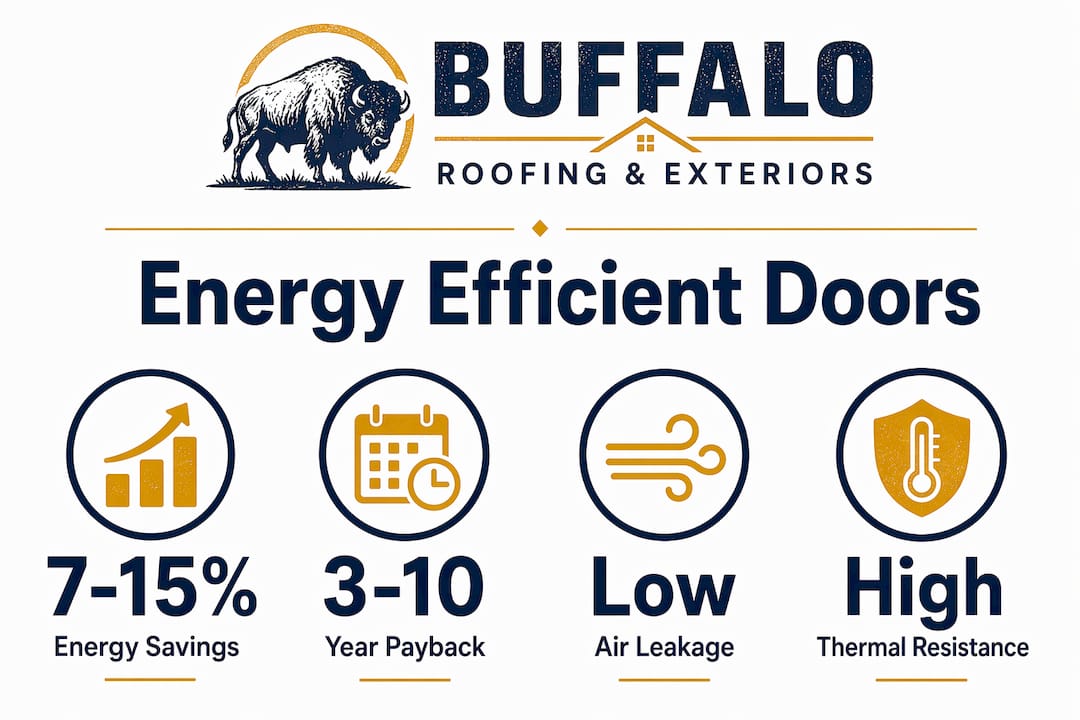
The financial impact is measurable. ENERGY STAR-certified doors and windows reduce heating and cooling bills by up to 13% compared with non-certified products. That figure represents real money on monthly utility statements, not a theoretical projection. Replacing older standard doors with energy-efficient alternatives can cut HVAC energy use by 7–15% annually in moderate climates.
Energy-efficient doors achieve these savings through several specific features:
- Insulated cores: Polyurethane or polystyrene foam fills the door slab, slowing conductive heat transfer.
- Weatherstripping: Compression seals along the door edges block air infiltration at the frame.
- Thermal breaks: Structural barriers inside metal frames interrupt the path heat travels through the door assembly.
- Low-emissivity glass: Any glazed panels use coatings that reflect radiant heat while admitting visible light.
When these features work together, your HVAC system runs less frequently. Less runtime means lower energy consumption and smaller monthly bills. For a property manager overseeing multiple units, that reduction multiplies across every door in the building.
Pro Tip: Check your current door for drafts by holding a lit incense stick near the frame on a windy day. Moving smoke reveals air leaks that cost you money every month.
What door types and certifications actually deliver savings?
Not all energy-efficient doors perform equally. Material choice determines baseline thermal resistance, and ENERGY STAR certification confirms that a specific product has been tested and verified to meet performance standards.
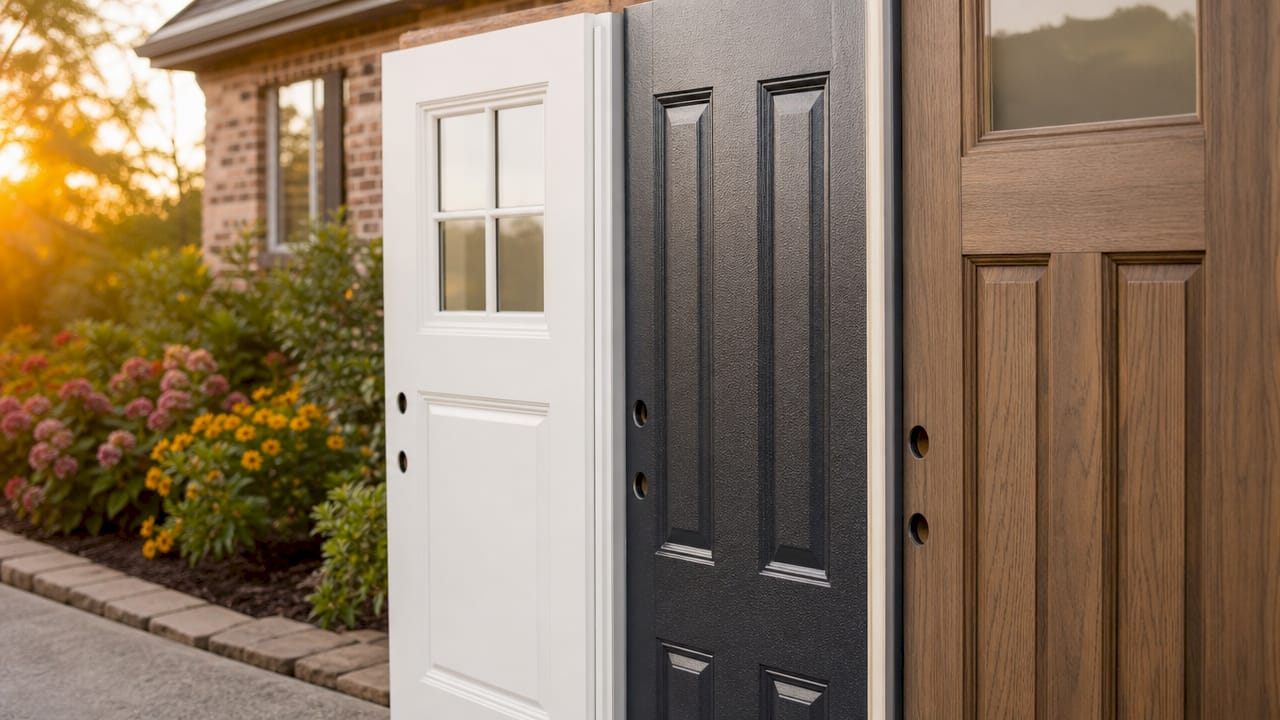
Fiberglass and steel doors consistently outperform traditional wood doors for energy efficiency and long-term durability. Wood expands and contracts with humidity, creating gaps that compromise seals over time. Fiberglass resists warping and accepts foam insulation cores well. Steel doors offer strength and tight tolerances at a lower price point than fiberglass.
ENERGY STAR certification means a door has been tested for insulated cores, low air leakage rates, and effective weatherstripping. An uncertified door may look similar but deliver far less actual savings. The label is not a marketing badge. It is a verified performance threshold.
| Door type | Thermal resistance | Durability | Maintenance | Typical cost range |
|---|---|---|---|---|
| Fiberglass | High | Excellent | Low | $$$$ |
| Steel | Moderate to high | Very good | Low to moderate | $$ |
| Wood | Moderate | Good | High | $$$ |
| Composite | High | Excellent | Low | $$$$ |
Composite doors combine wood fiber and polymer materials to deliver high insulation values with minimal warping. They sit at the premium end of the market but offer the best combination of thermal performance and low maintenance for coastal climates like Corpus Christi and San Antonio.
Pro Tip: Look for the ENERGY STAR label and the NFRC (National Fenestration Rating Council) sticker on any door you consider. The NFRC sticker lists the U-factor and air leakage rate as tested numbers, not manufacturer estimates.
Understanding window and door ratings helps you compare products accurately before you buy.
Does installation quality affect how much you save?
A high-performance door installed poorly delivers poor performance. Door assembly and air sealing have more impact on real-world energy savings than the insulation value of the door slab alone. This is the fact most homeowners miss when shopping for doors.
Air leaks at the frame-to-wall interface, the jamb, and the threshold undermine every dollar spent on an insulated core. A gap the width of a dime around a door frame is equivalent to leaving a small window open permanently. Real-world audits confirm that frame-wall interface integrity and continuous seal quality determine whether a door performs at its rated level.
Common installation mistakes that reduce door efficiency include:
- Improper shimming: An out-of-plumb frame creates uneven pressure on weatherstripping, leaving gaps.
- Missing sill pan flashing: Water infiltration at the threshold degrades the seal and the surrounding framing over time.
- Inadequate caulking: Gaps between the door frame and rough opening allow air movement behind the trim.
- Skipping threshold adjustment: Most exterior doors have an adjustable threshold. Leaving it at the factory setting often means a poor seal against the floor.
Payback on door upgrades ranges from 3–10 years depending on your existing door condition, local energy rates, and installation quality. A door replacing a severely drafty 30-year-old unit in a high-energy-cost market pays back faster than a marginal upgrade in a mild climate. Assessing your actual energy loss before purchasing helps you set realistic expectations.
Pro Tip: Ask any installer whether they use foam backer rod and low-expansion spray foam in the rough opening gap before setting the frame. Contractors who skip this step are leaving efficiency on the table.
Pairing a door upgrade with broader home envelope improvements produces compounding savings that a door replacement alone cannot match.
Long-term benefits beyond the utility bill
Reduced energy costs are the headline benefit, but energy-efficient doors deliver several additional advantages that compound over years of ownership.
Comfort and temperature stability improve immediately after installation. Drafts near entryways disappear, and rooms adjacent to exterior doors maintain more consistent temperatures. This matters most in coastal Texas, where summer heat and Gulf humidity make any air leakage feel extreme.
Reduced HVAC runtime extends the life of your heating and cooling equipment. Every hour your system does not run is an hour of wear it avoids. Over a decade, that reduced cycling translates to fewer service calls and a longer replacement interval for expensive HVAC equipment.
Additional long-term benefits include:
- Sound insulation: Insulated door cores and tight seals reduce exterior noise transmission, a meaningful quality-of-life improvement near busy streets or coastal storm activity.
- Reduced moisture infiltration: Tight seals limit humid air entry, reducing the risk of mold growth and wood rot in the door frame and surrounding wall cavity.
- Lower carbon footprint: Less energy consumed for heating and cooling means fewer fossil fuels burned at the power plant. Door replacements bundled with other air sealing work maximize this environmental benefit.
- Property value: Energy-efficient upgrades are a documented selling point for buyers who factor utility costs into purchase decisions.
For property managers, these benefits reduce tenant complaints, lower operating costs, and support sustainability reporting requirements that are becoming more common in commercial leasing.
Key Takeaways
Energy-efficient doors reduce heating and cooling costs by 7–15% annually while improving comfort, extending HVAC lifespan, and lowering a home’s carbon footprint.
| Point | Details |
|---|---|
| Doors control heat flow | Exterior doors are building envelope components that directly affect HVAC workload and utility bills. |
| Certification confirms performance | ENERGY STAR-certified doors cut heating and cooling costs by up to 13% versus non-certified products. |
| Installation determines real savings | Air sealing at the frame and jamb matters more than door slab insulation value alone. |
| Payback varies by condition | ROI ranges from 3–10 years based on existing door inefficiency, energy rates, and installation quality. |
| Benefits extend beyond savings | Reduced drafts, longer HVAC life, better sound insulation, and lower emissions add lasting value. |
What I’ve learned from years of exterior assessments
Most homeowners focus entirely on the door itself and almost nothing on the rough opening around it. That is the wrong priority. I have seen brand-new fiberglass doors with excellent ENERGY STAR ratings perform no better than the 20-year-old doors they replaced, simply because the installer skipped the foam and caulk at the frame perimeter.
The other misconception I run into constantly is treating door replacement as a standalone project. A door upgrade bundled with weatherstripping checks on adjacent windows, attic air sealing, and threshold adjustments delivers results that justify the investment. A door upgrade done in isolation often disappoints.
My honest advice: before you spend money on a new door, do a draft check on every exterior door and window you own. Prioritize the worst offenders. Then hire an installer who treats the rough opening as seriously as the door slab. The door is the product. The installation is the performance.
For coastal Texas homeowners, the combination of summer heat, humidity, and occasional storm pressure makes door sealing especially critical. A door that performs well in a mild northern climate may still leak air under the pressure differential a Gulf storm creates. Verify that your installer has experience with coastal conditions before signing a contract.
— Buffaloroofingandexteriors
How Buffaloroofingandexteriors can upgrade your home’s doors
Buffaloroofingandexteriors serves homeowners and property managers across Corpus Christi, San Antonio, and Victoria with professional exterior upgrades built for coastal Texas conditions. The team specializes in energy-efficient door replacement, selecting certified products matched to local climate demands and installing them with the air sealing standards that actually deliver rated performance.
Whether you are replacing a single drafty entry door or upgrading multiple units across a property, Buffalo Roofing and Exteriors provides free estimates and financing options to make the project accessible. The team’s exterior renovation expertise covers the full building envelope, so your door upgrade can be paired with siding, window, or roofing work for compounding savings. Contact Buffaloroofingandexteriors to schedule your assessment and get a clear picture of what a door upgrade will deliver for your specific home and energy costs.
FAQ
What are energy-efficient doors?
Energy-efficient doors are exterior door assemblies with insulated cores, low air leakage ratings, and effective weatherstripping that minimize heat transfer across the building envelope. The DOE classifies them as fenestration components alongside windows and skylights.
How much can energy-efficient doors save on utility bills?
ENERGY STAR-certified doors reduce heating and cooling costs by up to 13% compared with non-certified products, and replacing old standard doors can cut HVAC energy use by 7–15% annually in moderate climates.
Which door material is most energy-efficient?
Fiberglass and composite doors offer the highest thermal resistance and lowest maintenance, outperforming wood and standard steel doors for long-term energy efficiency and durability.
How long does it take for an energy-efficient door to pay for itself?
Payback periods range from 3–10 years depending on your existing door condition, local energy rates, and installation quality. Doors replacing severely drafty units in high-cost energy markets pay back fastest.
Does installation quality really affect energy savings?
Door assembly and air sealing at the frame and jamb have more impact on real-world performance than the door slab’s insulation value alone. Poor installation can eliminate most of the efficiency gains from an otherwise high-quality door.