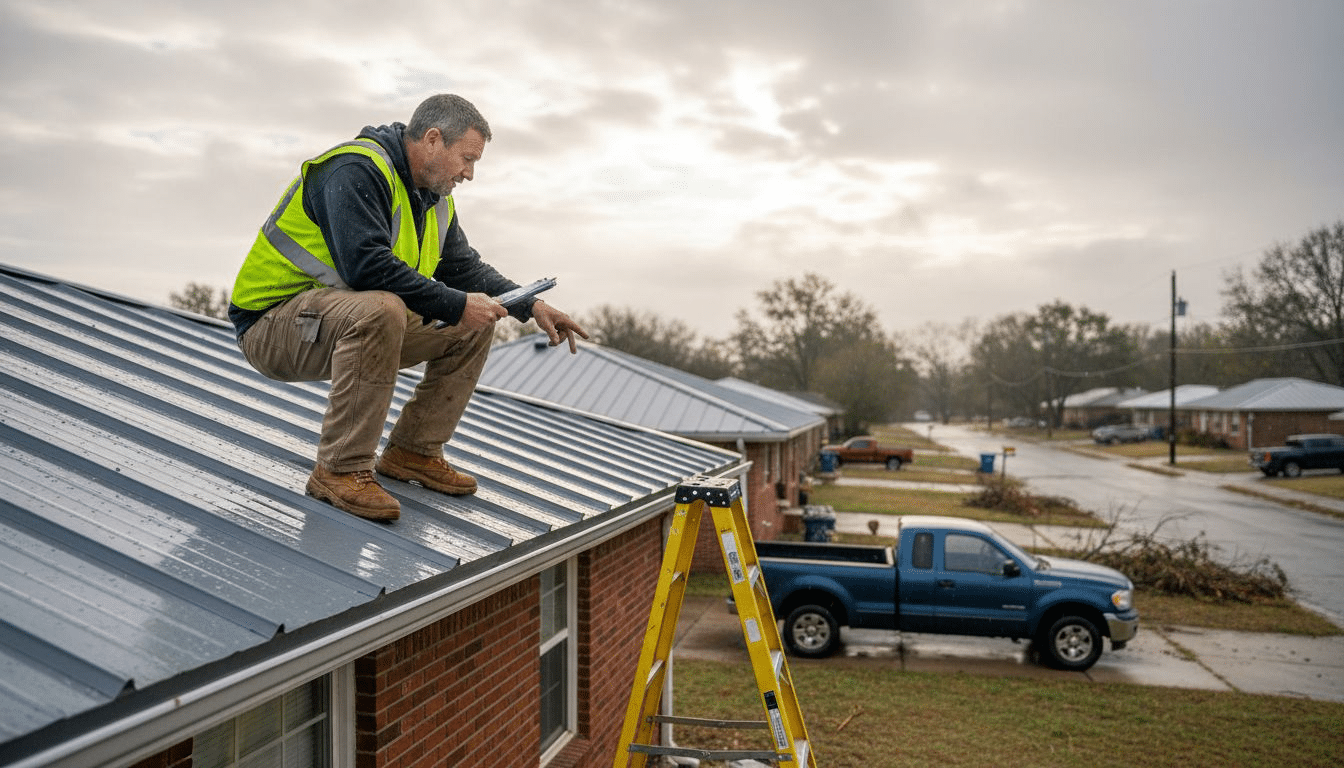
Coastal homeowners in places like Corpus Christi and San Antonio know the stress that comes with every hurricane warning. As storms become more intense and energy costs keep rising, choosing the right roof is more crucial than ever. The latest roofing trends bring hope with advances in energy-efficient materials, smart sensors, and proven storm-resistant designs. Discover how innovative roofing options for 2026 can protect your investment, improve comfort, and boost efficiency all season long.
Table of Contents
- Defining Roofing Trends for 2026
- Emerging Materials for Coastal Resilience
- Smart Technologies and Roof Monitoring
- Eco-Friendly and Energy-Efficient Innovations
- Cost, Maintenance, and Warranty Impacts
Key Takeaways
| Point | Details |
|---|---|
| Rising Demand for Metal and Solar Roofing | Metal roofing is projected to grow at 8.5% annually, while solar-integrated systems will capture 15% of the market by 2026, offering homeowners durability and energy savings. |
| Importance of Extended Warranties | Extended warranties of 25-40 years for premium materials are becoming standard, providing homeowners with improved financial security and reduced maintenance costs. |
| Emphasis on Smart Technologies | Adoption of smart roof monitoring systems, including AI damage detection and real-time sensors, enables proactive maintenance and cost savings for homeowners. |
| Focus on Eco-Friendly Solutions | Sustainable roofing innovations, such as solar reflective materials and green roofs, are essential for reducing environmental impact and enhancing energy efficiency. |
Defining Roofing Trends for 2026
As the roofing industry evolves rapidly, Texas homeowners are witnessing unprecedented innovations in storm-resistant technologies. The residential roofing market is undergoing significant transformations driven by sustainability, energy efficiency, and advanced protective materials.
According to recent industry research, roofing trends indicate substantial market shifts, with several key developments emerging for 2026:
- Metal roofing demand projected to grow 8.5% annually through 2030
- Solar-integrated roof systems expected to reach 15% market share
- Extended warranties becoming standard (25-40 years for premium materials)
- Increased adoption of smart roofing sensor technologies
The North American roofing landscape is predominantly residential, with contractors adapting to changing market dynamics. Energy-efficient solutions are no longer optional but increasingly necessary. Climate resilience has become a primary consideration for homeowners in storm-prone regions like Texas, driving demand for innovative roofing technologies.
Homeowners are now prioritizing materials that offer multiple benefits: durability, energy efficiency, and aesthetic appeal. The market is witnessing a shift towards multifunctional roofing systems that can withstand extreme weather conditions while providing enhanced thermal performance.
Here’s a summary of how trending roofing innovations impact Texas homeowners:
| Roofing Trend | Homeowner Benefit | Impact on Property |
|---|---|---|
| Metal Roofing Growth | Increased durability | Higher wind resistance |
| Solar Roof Systems | Lower energy bills | Enhanced property value |
| Extended Warranties | Improved financial security | Reduced maintenance costs |
| Smart Sensors | Proactive damage alerts | Fewer emergency repairs |
Pro tip: When considering roof replacements in 2026, prioritize materials with proven wind resistance ratings and integrated smart monitoring capabilities.
Emerging Materials for Coastal Resilience
The coastal regions of Texas face increasing challenges from extreme weather events, demanding innovative roofing solutions that provide unprecedented protection and durability. Researchers are developing hurricane-resistant housing materials that transform how homeowners approach structural resilience.
Key emerging materials for coastal resilience include:
- Water-resistant cement shells
- Advanced protective coverings
- Elevated structural designs
- Fire-resistant composite materials
- Hydrodynamic-engineered structural components
These innovative materials represent a significant leap in coastal construction technologies. By incorporating nature-inspired design principles, engineers are creating roofing systems that can withstand extreme wind loads, water penetration, and temperature variations unique to Gulf Coast environments.
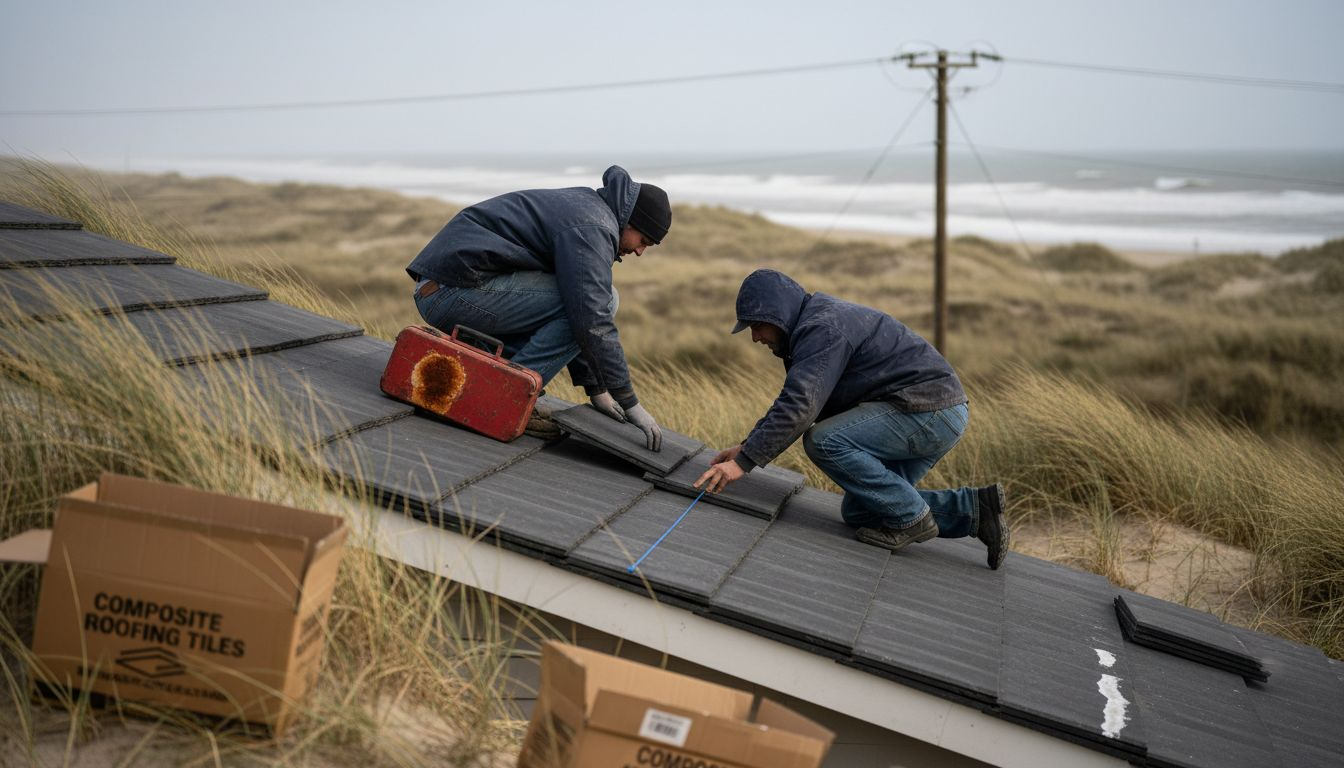
Unique advancements in material science are enabling storm-resistant coastal infrastructure development that goes beyond traditional construction methods. Numerical modeling and specialized testing facilities are helping researchers develop materials with enhanced durability, improved thermal performance, and superior resistance to tropical storm conditions.
Pro tip: When selecting roofing materials for coastal homes, prioritize systems engineered with multi-layered protection and scientifically validated wind resistance ratings.
Smart Technologies and Roof Monitoring
The roofing industry is experiencing a technological revolution, with smart monitoring systems transforming how homeowners and contractors approach roof maintenance and damage prevention. Smart roofing technologies are gaining significant traction among high-end consumers seeking advanced protection for their properties.
Key technological innovations in roof monitoring include:
- AI-powered damage detection systems
- Real-time structural integrity sensors
- Drone-based roof inspection technologies
- Predictive maintenance algorithms
- Wireless moisture and temperature tracking
Digitalization is reshaping roof management by providing unprecedented insights into structural health. Advanced sensors can now detect potential issues before they become critical, enabling proactive maintenance and potentially saving homeowners thousands in repair costs.
Digital technologies are transforming construction monitoring, particularly in challenging environments like the Gulf Coast. These smart systems leverage artificial intelligence and specialized sensors to provide real-time data about roof conditions, wind load stress, and potential vulnerabilities.
Pro tip: Invest in smart roofing sensors that offer comprehensive monitoring and can integrate directly with your smartphone for instant damage alerts and maintenance recommendations.
Eco-Friendly and Energy-Efficient Innovations
The roofing industry is undergoing a sustainable transformation, with eco-friendly technologies becoming increasingly critical for homeowners in coastal Texas regions. Cool roof technologies are advancing rapidly to address environmental challenges and reduce energy consumption in residential buildings.
Key eco-friendly roofing innovations include:
- Solar reflective materials
- Thermally efficient insulation systems
- Recycled and sustainable roofing components
- Green roof integration technologies
- Carbon-negative roofing materials
Sustainable design is no longer an optional feature but a fundamental requirement for modern roofing solutions. By implementing energy-efficient technologies, homeowners can significantly reduce their carbon footprint and achieve substantial long-term cost savings.
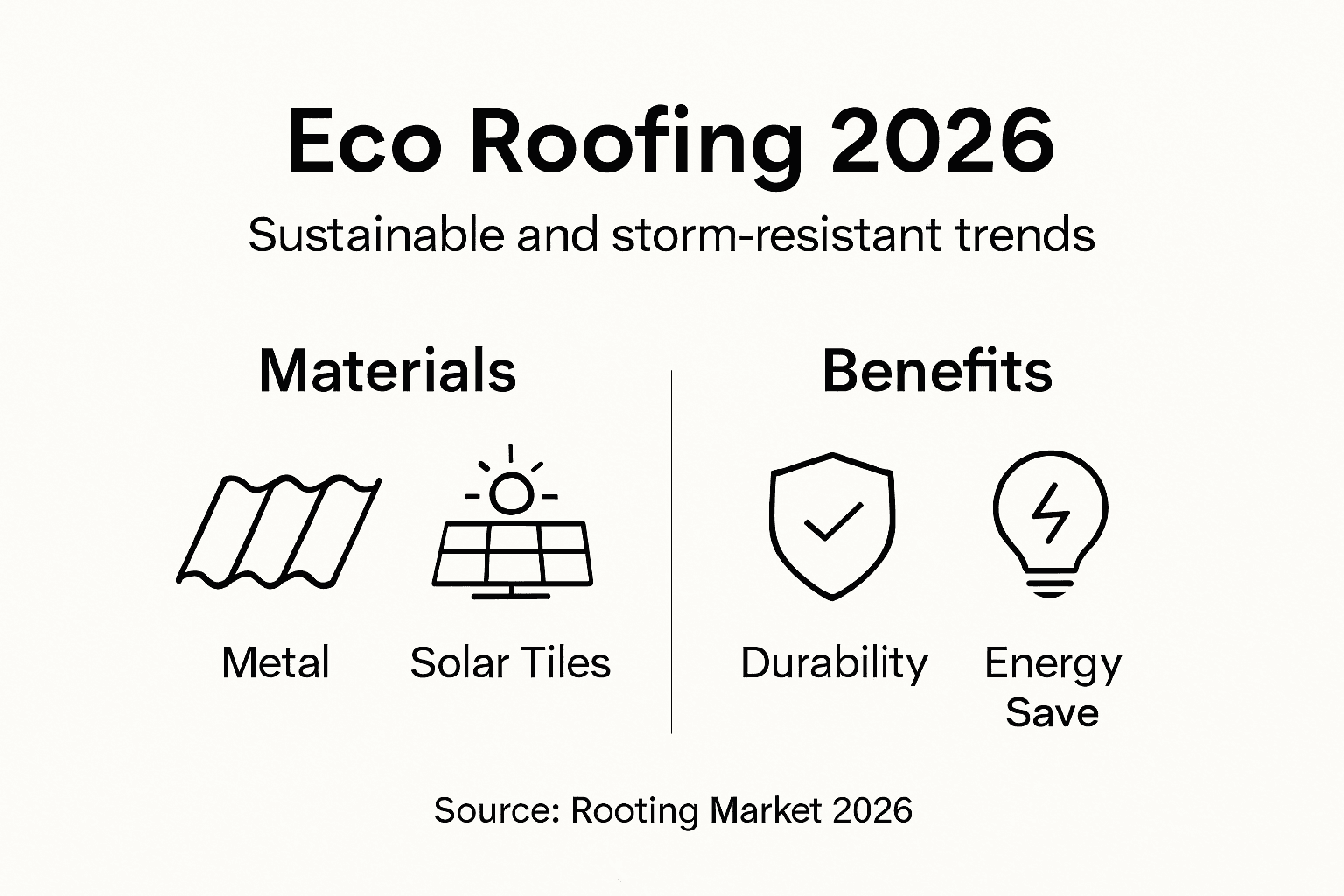
Compare traditional roofing with new eco-friendly solutions:
| Roofing Type | Environmental Impact | Energy Efficiency |
|---|---|---|
| Asphalt Shingles | High landfill waste | Low insulation value |
| Metal Roofing | Recyclable materials | Moderate efficiency |
| Green Roofs | Boosts biodiversity | Excellent insulation |
| Solar Roofs | Reduces CO2 emissions | Generates clean power |
Global building emission reduction strategies highlight the critical role of innovative roofing technologies in combating climate change. Buildings contribute 21% of global greenhouse gas emissions, making every sustainable roofing choice a meaningful step toward environmental conservation.
Pro tip: Select roofing materials with high solar reflectance index (SRI) ratings and consider integrated solar technologies to maximize energy efficiency and reduce cooling costs.
Cost, Maintenance, and Warranty Impacts
Homeowners in coastal Texas face unique challenges when considering roof replacements and maintenance, with financial considerations playing a critical role in decision-making. Residential roofing costs continue to impact homeowner choices dramatically, with the average replacement project costing around $12,000.
Key financial and maintenance factors include:
- Average roof replacement cost: $12,000
- Emergency repair request increases during hurricane season
- 35% of residential roofs replaced within 10 years
- 30% of homeowners utilize financing options
- Warranty length influences 50% of service selections
Maintenance strategies have become increasingly sophisticated, particularly in hurricane-prone regions like the Texas Gulf Coast. Proactive homeowners understand that strategic maintenance can significantly reduce long-term repair and replacement expenses.
The economic landscape is reshaping how homeowners approach roofing investments, with financing and warranty considerations becoming more nuanced. Understanding the total cost of ownership – including maintenance, potential repairs, and long-term durability – is now essential for making informed roofing decisions.
Pro tip: Negotiate comprehensive warranties that cover multiple potential damage scenarios and include periodic professional inspections to maximize your roofing investment.
Protect Your Texas Home with Storm-Resistant Roofing Solutions
The roofing trends for 2026 highlight the urgent need for durable, energy-efficient, and smart roofing systems that can withstand severe weather events common in coastal Texas. If you are concerned about protecting your home from storms, boosting energy efficiency, and reducing costly repairs, it is essential to choose roofing materials and technologies that meet these exact challenges. From metal roofs with high wind resistance to smart monitoring sensors that detect damage early, the future of roofing demands innovation you can trust.
At Buffalo Roofing & Exteriors, we specialize in providing expert roofing services tailored to Texas homeowners facing storm-related risks. Explore our extensive Roofing Archives | Buffalo Roofing & Exteriors to learn about our durable installations and repairs designed for coastal resilience. Don’t wait until the next storm strikes — visit our homepage at https://buffaloroofingandexteriors.com/ to request a free estimate and discover roofing solutions with powerful warranties and financing options. Protect your investment now with trusted professionals who understand the unique needs of Corpus Christi and San Antonio homeowners. You can also check out our Repairs Archives | Buffalo Roofing & Exteriors for responsive storm damage restoration services when you need them most.
Frequently Asked Questions
What roofing materials are expected to dominate the market in 2026?
Metal roofing and solar-integrated roof systems are projected to lead the market, with metal roofing demand expected to grow by 8.5% annually and solar systems reaching a 15% market share.
How do smart roofing technologies enhance roof maintenance?
Smart roofing technologies, such as AI-powered damage detection and real-time integrity sensors, provide homeowners with proactive monitoring, allowing them to identify potential issues before they escalate, thus saving on repair costs.
What are the benefits of extended warranties for roofing materials?
Extended warranties, which can range from 25 to 40 years for premium materials, provide financial security and peace of mind for homeowners, minimizing the costs associated with unexpected repairs and replacements.
How do eco-friendly roofing innovations contribute to energy savings?
Eco-friendly roofing innovations, such as solar reflective materials and thermally efficient insulation, significantly reduce energy consumption by enhancing insulation and reflecting sunlight, which leads to lower cooling costs and reduced greenhouse gas emissions.