TL;DR:
- Homeowners facing urgent storm damage can access quick financing options like personal loans or roofing company plans to avoid delays.
- Choosing the right plan depends on factors such as credit score, urgency, and long-term costs, with government programs offering affordable alternatives.
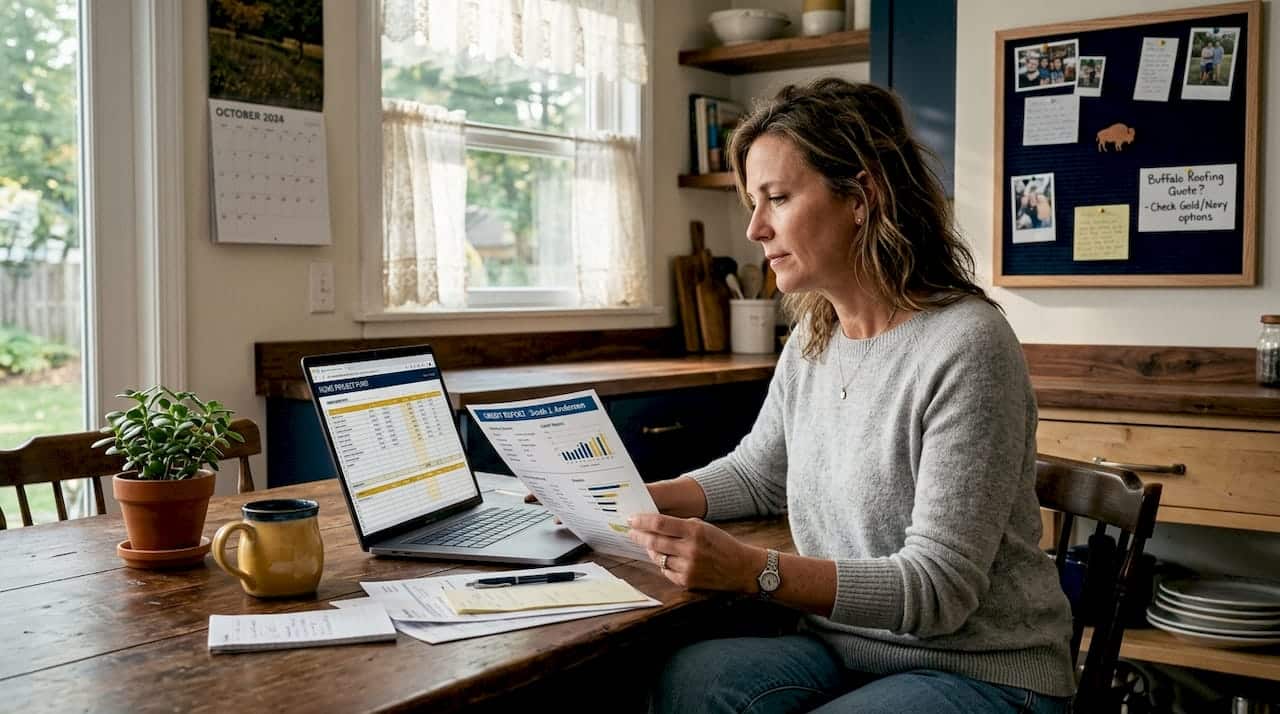
A storm rolls through Corpus Christi or San Antonio, tears off half your shingles, and suddenly you’re staring at a repair bill that could easily exceed $10,000. You need your roof fixed now, not after months of saving. That’s exactly where smart financing options for roofing become the difference between protecting your home and watching water damage compound by the week. Roof replacement costs are rising due to labor and material increases, and the gap between what homeowners can pay upfront and what repairs cost is widening. This guide walks you through every major financing path available, with clear criteria, honest comparisons, and specific recommendations for your situation.
Table of Contents
- Key Takeaways
- Financing options for roofing: key criteria to evaluate first
- Popular financing options for roofing projects and their features
- Comparing your options: cost, speed, and eligibility at a glance
- Situational recommendations: matching financing to your circumstances
- My honest take on financing for storm-damaged roofs
- Ready to explore your roofing financing options with a local expert?
- FAQ
Key Takeaways
| Point | Details |
|---|---|
| Average roof cost context | A new roof costs about $14,360 on average, so knowing your loan size upfront shapes every financing decision. |
| Speed matters after storm damage | For urgent repairs, prioritize financing options with fast approval like personal loans or roofing company financing over secured options. |
| Credit score drives your rate | Good credit scores of 690+ unlock better personal loan rates; lower scores should lean toward company-backed or government-assisted programs. |
| Promotional financing saves money | Some roofing company programs offer 0% interest for up to 18 months, making them competitive with home equity loans if paid on time. |
| Government programs are underused | PACE programs and municipal assistance loans often beat private financing rates, especially for storm-related repairs. |
Financing options for roofing: key criteria to evaluate first
Before you pick a loan, line of credit, or payment plan, you need a framework. Not all financing is created equal, and the wrong choice can cost you thousands more than the roof itself.
Here are the factors that should drive your decision:
- Interest rate and total cost. A low monthly payment that stretches over 15 years can end up costing more than a higher payment over 5 years. Always calculate total repayment, not just monthly outlay.
- Credit score requirements. Some options require excellent credit; others are accessible with scores below 600. Know where you stand before applying.
- Approval and funding speed. If a storm just hit your home, you cannot wait three months for underwriting. Funding timelines range from same-day to several weeks.
- Collateral requirements. Home equity loans use your house as security. Personal loans do not. The difference is significant if you cannot make payments.
- Promotional periods. 0% interest periods up to 18 months from some roofing company financing programs can dramatically reduce your cost if you pay the balance off in time.
- Additional fees. Origination fees, closing costs, and prepayment penalties all affect the true cost of a loan.
Pro Tip: Before you apply anywhere, pull your free credit report and calculate roughly how much equity you have in your home. These two data points will immediately narrow your best options down to two or three.
Popular financing options for roofing projects and their features
Understanding what is available is the first step toward choosing wisely. Here is a breakdown of the most common roofing finance solutions.
Home equity loans
A home equity loan gives you a lump sum at a fixed interest rate, with your home serving as collateral. Rates are typically lower than unsecured loans because the lender’s risk is lower. However, a home equity loan risks foreclosure if you cannot keep up with payments. This option works best if you have significant equity built up and a stable income.
Home equity line of credit (HELOC)
A HELOC works like a credit card secured by your home equity. You draw funds as needed, which is useful if repairs come in phases after storm assessments. Rates are variable, so your payment can shift over time. Like the home equity loan, your home is on the line.
Personal loans
Personal loans are unsecured, meaning no collateral is required. Approval can happen within 24 to 48 hours, which matters when water is coming through your ceiling. The tradeoff is higher interest rates, especially for borrowers with average credit. That said, personal loans remain one of the most flexible roofing loan options available.
Credit cards
If your card offers a 0% APR promotional period, this can be a smart short-term move for smaller repairs. Credit cards risk very high rates after that promo ends, sometimes 24% or higher. Use this option only if you are confident you can pay the full balance before the promotional period closes.
Roofing company financing
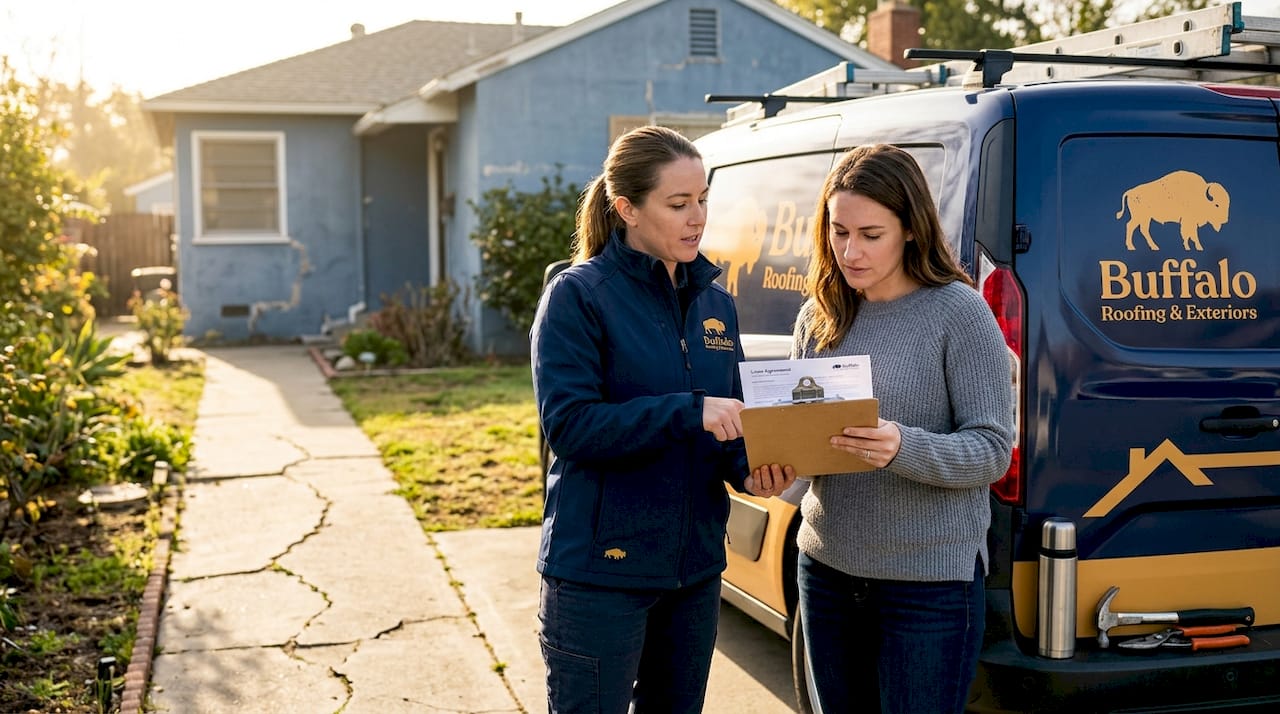
Many contractors, including Buffaloroofingandexteriors, offer financing directly through partnerships with third-party lenders. Structured payment plans via partnerships like these help homeowners avoid deferring critical repairs by spreading costs into manageable monthly payments. The application process is often simpler, and approval can happen at the point of sale. This is especially convenient when you are already working with a trusted local contractor.
Government-insured and assistance loans
FHA Title I loans, USDA repair loans for rural areas, and state-level programs offer below-market interest rates with more flexible credit requirements. These programs are underused because they require more paperwork, but they are worth the effort. PACE programs and government-insured loans frequently offer better long-term rates than high-interest private credit for urgent storm repairs.
Cash-out refinance
This option folds your roof repair cost into your existing mortgage at today’s mortgage rates. If you locked in a low rate years ago, this may not make sense. If rates are favorable and you have equity, it can be the lowest-cost path for a full roof replacement.
Comparing your options: cost, speed, and eligibility at a glance
Use this table as a quick reference when you are deciding between roofing loan options.
| Option | Typical Rate | Credit Score Needed | Funding Speed | Collateral Required | Best For |
|---|---|---|---|---|---|
| Home equity loan | 6%–10% fixed | 680+ | 2–4 weeks | Yes (home) | Full replacement, stable income |
| HELOC | Variable, 7%–12% | 680+ | 2–4 weeks | Yes (home) | Phased repairs, flexible draw |
| Personal loan | 8%–20% | 600+ | 1–3 days | No | Urgent repairs, smaller jobs |
| Credit card | 0% promo or 18%–29% | 670+ | Immediate | No | Small repairs within promo window |
| Roofing company financing | 0%–18% | 580+ | Same day to 3 days | Usually no | Any project, lower credit scores |
| Government/PACE programs | 3%–8% | Flexible | 2–6 weeks | Sometimes | Budget-conscious, long-term savings |
| Cash-out refinance | Mortgage rate | 620+ | 4–8 weeks | Yes (home) | Major replacement, favorable rates |
One thing this table does not show: the stress cost of a wrong decision under pressure. Roofing emergencies push homeowners toward the first option they find, which is often the most expensive one. Slowing down by even a day or two to compare can save you thousands.
Situational recommendations: matching financing to your circumstances
No single option wins for everyone. Here is how to match roofing finance solutions to your actual situation.
- Urgent repair, moderate credit. Go with roofing company financing or a personal loan. Both fund quickly and do not require home equity. A personal loan from a credit union may beat a contractor’s third-party rate if your credit is above 640.
- Strong equity, stable income, non-urgent upgrade. A home equity loan gives you the lowest fixed rate. If you are also upgrading to weather-resistant materials, the savings compound over time.
- Low credit score or limited equity. Check government assistance first. FHA Title I loans do not require equity and are available to lower-credit borrowers. Roofing company financing through Buffaloroofingandexteriors is also a practical path with flexible approval criteria.
- Energy-efficient roofing upgrade. Cool roofing materials reduce cooling costs by 10%–30%, which means your financing cost can be partially offset by lower monthly utility bills. PACE financing is specifically designed to fund energy-efficient upgrades and ties repayment to your property tax bill rather than your personal credit.
- Partial cash plus financing. If you can cover 30%–40% upfront, financing a smaller balance reduces your interest burden and opens up better loan terms. This is worth doing if you have any liquid savings available.
- Property managers with multiple units. Commercial financing products and business lines of credit offer higher limits and tax advantages over personal financing. Talk to a lender about separating your roofing costs from personal credit exposure.
- Post-storm with insurance involved. Wait for your insurance adjuster’s report before committing to a specific loan amount. Bridge the gap with a short-term personal loan if needed, then refinance once you know the insurance payout.
Pro Tip: If you are in a storm damage situation and considering deferring your repair to save money, check this: deferred roof damage typically leads to interior damage, mold, and structural issues that multiply your eventual repair bill by two to four times.
My honest take on financing for storm-damaged roofs
I have seen homeowners in coastal Texas make the same mistake over and over: they panic after a storm and sign the first financing paperwork in front of them, often attached to a contractor who is not even local.
In my experience, the single most underused tool in roofing finance is the municipal and state assistance program. Most homeowners in Texas coastal regions do not know these exist. They are more paperwork, yes, but I have seen them save families $2,000 to $5,000 over the life of a repair loan compared to standard contractor financing. Check them before you sign anything.
I also want to be direct about PACE programs. They are genuinely useful for energy-efficient upgrades, but the repayment structure through property taxes means your lender can complicate a future home sale. Go in with full knowledge of that tradeoff.
What actually works, in my view, is combining a roof maintenance plan with financing for strategic upgrades before a major storm season. It is far cheaper to finance a proactive upgrade than to finance emergency repairs at whatever rate a lender offers when you are desperate.
And if you are choosing between a national financing platform and a local contractor with clear terms, I favor the local contractor every time. You have someone accountable, not just a phone number.
— Buffaloroofingandexteriors
Ready to explore your roofing financing options with a local expert?
Buffaloroofingandexteriors works directly with homeowners and property managers across Corpus Christi, San Antonio, and Victoria to make roofing repairs and replacements financially accessible. Whether you need a full roof replacement after storm damage or a targeted repair before hurricane season, the team offers flexible financing programs designed to fit your credit profile and budget.
You can see the quality of work firsthand through the Buffalo Roofing project gallery, and explore weather-resistant roofing materials built specifically to handle Texas coastal conditions. When you are ready to take the next step, visit the financing page to review your options and request a free estimate. No pressure, no guesswork. Just clear terms and a contractor who knows your region.
FAQ
What is the best financing option for urgent roof repairs?
Personal loans and roofing company financing are the fastest options, often funding within one to three days. These work well for urgent storm damage repairs when you cannot wait weeks for home equity underwriting.
How much do I need to finance a new roof?
The average new roof costs around $14,360, though storm-prone coastal homes may face higher costs due to material and code requirements. Get a detailed estimate before committing to a loan amount.
Can I get roofing financing with bad credit?
Yes. Roofing company financing and FHA Title I loans have more flexible credit requirements than standard personal loans or home equity products. Some programs approve borrowers with scores below 600.
Are there government programs for roof repair financing?
PACE programs and FHA Title I loans offer competitive long-term rates compared to private credit, especially for storm-related or energy-efficient repairs. Check with your municipality or state housing agency for eligibility.
Does financing a cool roof actually save money?
Yes. Cool roofing reduces annual cooling costs by 10%–30%, which can meaningfully offset monthly financing payments over the life of the loan, especially in hot Texas coastal climates.