
When Gulf Coast storms strike, the aftermath often leaves commercial property owners facing tough decisions about their roof’s future. Protecting your business in Texas means tackling storm damage quickly and choosing solutions that stand up to the region’s unique climate challenges. This step-by-step guide helps you navigate each part of the roof replacement process, from systematic roof inspections to working with trusted contractors who prioritize both speed and quality.
Table of Contents
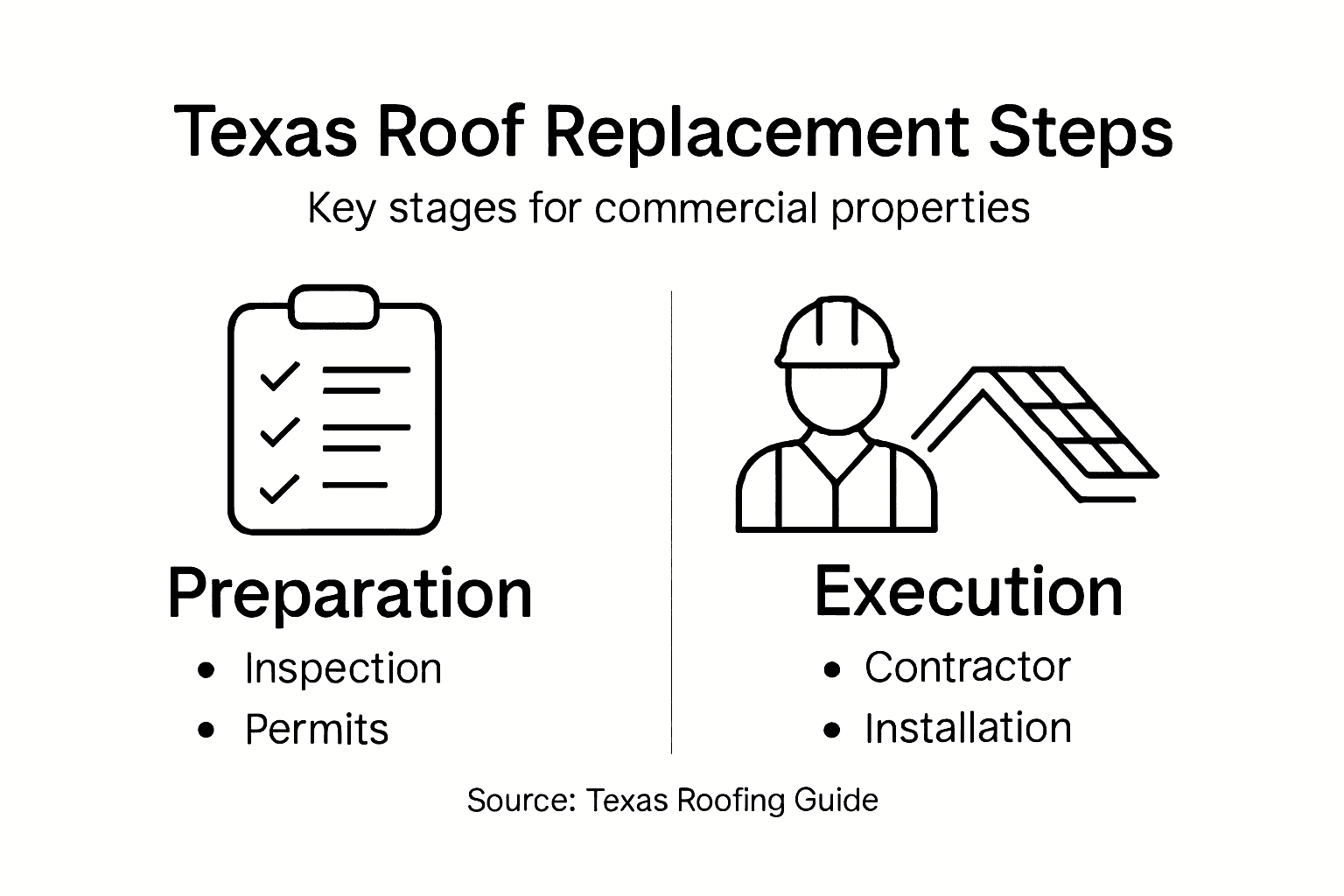
- Step 1: Assess Roof Condition And Needs
- Step 2: Select Materials And Secure Permits
- Step 3: Hire A Qualified Roofing Contractor
- Step 4: Prepare Site For Safe Replacement
- Step 5: Oversee Installation And Quality Inspection
- Step 6: Review Warranties And Finalize Completion
Quick Summary
| Key Point | Explanation |
|---|---|
| 1. Assess Roof Condition Thoroughly | Conduct a visual inspection to identify visible damage, water issues, or fastener problems to determine if replacement is needed. |
| 2. Choose Appropriate Materials | Select roofing materials that withstand Texas’s climate and ensure long-term durability and energy efficiency. |
| 3. Hire a Qualified Contractor | Vet contractors by checking licenses, insurance, and references to ensure quality workmanship for your roof replacement. |
| 4. Prepare the Site Properly | Follow site preparation protocols to ensure safety, utility access, and organization before starting the roofing project. |
| 5. Review Warranties Carefully | Examine warranty coverage details thoroughly to understand material defects, workmanship guarantees, and maintenance requirements. |
Step 1: Assess Roof Condition and Needs
Assessing the condition of your commercial roof is a critical first step in determining whether replacement is necessary. By conducting a thorough systematic roof inspection, you’ll gain crucial insights into your roof’s current state and potential maintenance requirements.
Start by performing a comprehensive visual examination of your entire roofing system. Look for key indicators that signal potential issues, including:
- Visible membrane damage such as cracks, splits, or punctures
- Signs of water ponding or improper drainage
- Loose or missing fasteners
- Deterioration around roof penetrations like vents and HVAC units
- Significant granule loss on asphalt surfaces
- Evidence of previous repair attempts
Documenting these observations is crucial. Take detailed photographs and note the precise location of each identified issue. Pay special attention to areas prone to wear, such as edges, seams, and high-traffic zones. For a more comprehensive assessment aligned with professional standards, consider consulting the ASTM commercial property condition guidelines, which provide a structured approach to evaluating building systems.
If multiple significant issues are discovered during your inspection, it might indicate that a full roof replacement is more cost-effective than repeated repairs. Professional roofing contractors can provide a detailed analysis and help you make an informed decision about your roof’s future.
Pro Tip: Schedule professional roof inspections twice annually, preferably during spring and fall, to catch potential issues before they escalate into major problems.
Step 2: Select Materials and Secure Permits
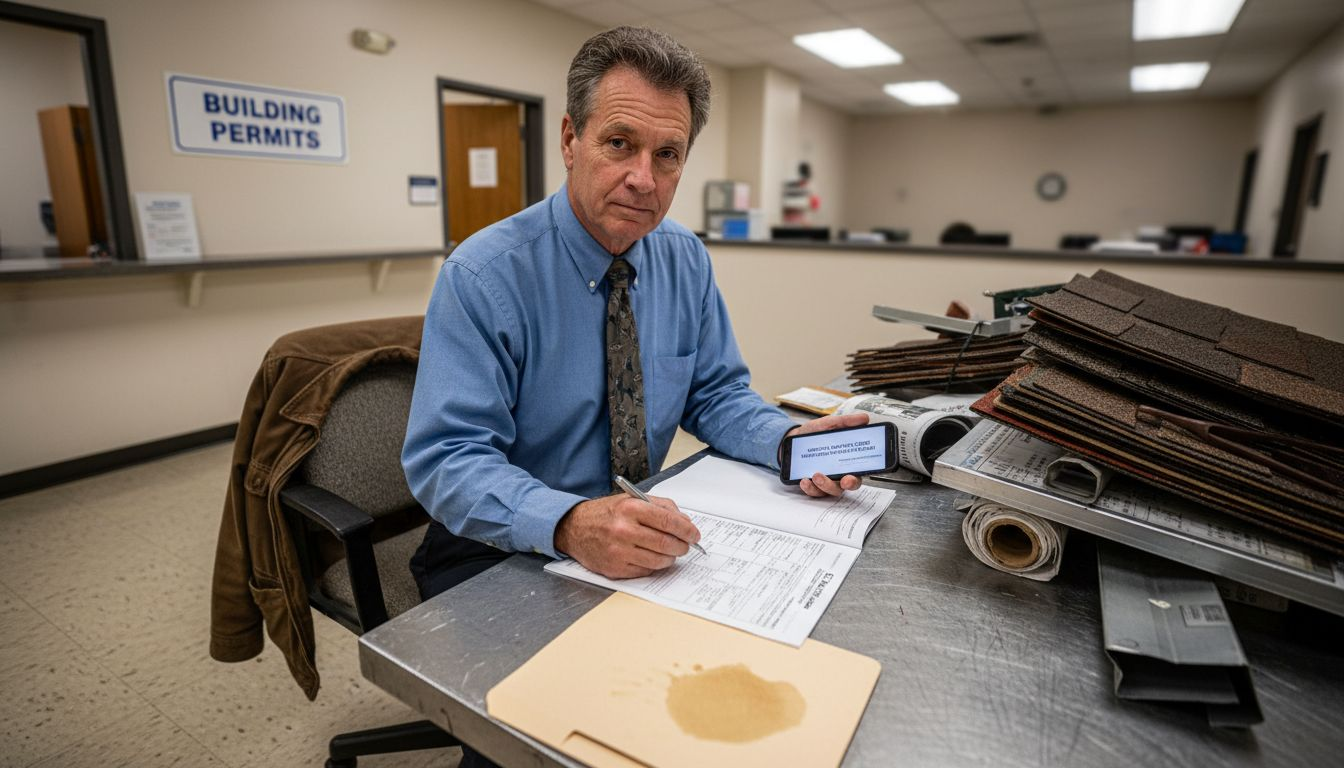
Selecting the right roofing materials and securing necessary permits are crucial steps in your commercial roof replacement project. Navigating the Texas commercial permitting requirements demands careful attention to detail and proactive planning.
Choosing appropriate roofing materials involves considering several key factors specific to Texas’s challenging climate:
Here’s a summary of common commercial roofing materials and their key advantages in Texas climates:
| Material Type | Weather Resistance | Energy Efficiency | Longevity |
|---|---|---|---|
| TPO (Thermoplastic) | Excellent UV protection | High reflectivity | 20-30 years |
| EPDM | Resists hail, thermal shock | Moderate insulation | 20-25 years |
| Modified Bitumen | Good flame resistance | Moderate reflectivity | 15-20 years |
| Metal | Handles extreme wind, heat | High energy efficiency | 30-50 years |
- Weather resistance for extreme heat and potential hurricane conditions
- Thermal performance to manage energy efficiency
- Durability against UV exposure and temperature fluctuations
- Material weight and structural compatibility
- Cost-effectiveness for long-term maintenance
For permit acquisition, you’ll need to work closely with local authorities. The Montgomery County commercial permitting guidelines recommend gathering the following documentation:
- Detailed roof replacement plans
- Structural engineering assessments
- Material specification sheets
- Contractor licensing information
- Property ownership verification
Securing proper permits is not just a legal requirement, but a critical step in protecting your commercial investment.
Consult with your local building department to understand specific requirements, as permit needs can vary significantly between different Texas municipalities. Some jurisdictions might require additional environmental assessments or have specific building code requirements for commercial roofing projects.
Pro Tip: Always budget extra time and funds for potential permit processing delays, as municipal review processes can be unexpectedly complex.
Step 3: Hire a Qualified Roofing Contractor
Choosing the right roofing contractor is a critical decision that can make or break your commercial roof replacement project. Understanding how to verify contractor credentials will protect your investment and ensure professional-quality work.
When selecting a roofing contractor, focus on these essential evaluation criteria:
- Licensing verification through official Texas state records
- Comprehensive insurance coverage
- Proven track record of commercial roofing projects
- Positive customer references and online reviews
- Transparent and detailed written estimates
To thoroughly vet potential contractors, follow these strategic steps:
- Check contractor licensing status
- Request and contact multiple references
- Verify current insurance certificates
- Review previous project portfolios
- Compare detailed written estimates
A reputable contractor is not just about price, but about expertise, reliability, and long-term performance.
Pay special attention to contractors experienced with Texas’s unique climate challenges. Look for professionals who understand the specific demands of commercial roofing in coastal and extreme weather regions. Detailed communication and a comprehensive written contract are non-negotiable elements of a successful roofing partnership.
Pro Tip: Always request a minimum of three detailed estimates and conduct thorough background checks before making your final contractor selection.
Step 4: Prepare Site for Safe Replacement
Preparing your commercial roofing site involves strategic planning and comprehensive safety measures. Understanding site preparation protocols is crucial for ensuring a smooth and secure roof replacement process.
Before beginning any work, complete these critical preparatory steps:
- Utility location and marking
- Site access preparation
- Safety perimeter establishment
- Equipment staging and organization
- Debris management planning
To execute a safe and efficient site preparation, follow these detailed procedures:
- Contact Texas811 for underground utility mapping
- Clear surrounding area of obstacles
- Set up protective barriers and warning signs
- Designate equipment and material staging zones
- Prepare waste disposal and recycling containers
Thorough site preparation is the foundation of a successful and safe roofing replacement project.
The comprehensive site preparation approach requires coordinating multiple logistical elements. Ensure clear communication with your roofing contractor about site-specific requirements, potential access challenges, and any unique environmental considerations specific to your Texas location.
Pro Tip: Schedule a pre-project walkthrough with your contractor to identify and mitigate potential site preparation challenges before work begins.
Step 5: Oversee Installation and Quality Inspection
Ensuring your commercial roof replacement meets professional standards requires active and strategic oversight. Understanding roof installation certification standards will help you monitor the project’s quality and compliance effectively.
During the installation process, focus on these critical inspection points:
- Material alignment and proper placement
- Seam integrity and waterproofing
- Flashing and edge details
- Drainage system functionality
- Substrate preparation and condition
Key steps for comprehensive quality oversight include:
- Request real-time progress updates
- Conduct periodic on-site inspections
- Review installation technique documentation
- Verify manufacturer warranty requirements
- Document any observed installation variations
Quality oversight is not about micromanaging, but ensuring your investment meets professional standards.
The Harris County commercial inspection protocols recommend detailed documentation and proactive communication with your roofing contractor. Pay special attention to areas prone to potential water infiltration, structural transitions, and complex roof geometry.
Pro Tip: Take high-resolution photographs during each critical installation stage to create a comprehensive visual record of the roofing process.
Step 6: Review Warranties and Finalize Completion
Completely protecting your commercial roof investment requires a thorough understanding of warranty coverage details. This final step ensures you have comprehensive documentation and legal protection for your new roofing system.
Key elements to examine during warranty review include:
Here’s a quick reference for typical warranty components to review during commercial roof replacement projects:
| Warranty Component | What It Covers | Owner Obligation |
|---|---|---|
| Material Defect Coverage | Manufacturing flaws, early failure | Follow maintenance schedule |
| Workmanship Guarantee | Errors during installation | Notify promptly of any issue |
| Coverage Duration | Time period for each warranty | Renew or extend when possible |
| Claim Process | Steps for filing claims | Submit written documentation |
- Manufacturer material warranties
- Contractor workmanship guarantees
- Coverage duration specifics
- Maintenance requirement clauses
- Repair and replacement terms
To effectively finalize your roof replacement project, complete these critical steps:
- Request complete warranty documentation
- Verify all warranty terms in writing
- Confirm both material and installation coverages
- Document project completion details
- Schedule initial post-installation inspection
Comprehensive warranty review protects your investment and provides long-term peace of mind.
Understanding Texas warranty law protections is crucial for safeguarding your commercial roofing investment. Pay special attention to implied warranty terms, coverage limitations, and specific conditions that might affect future claims.
Pro Tip: Create a dedicated file containing all warranty documents, installation photographs, and project records for easy reference during future maintenance or potential warranty claims.
Expert Commercial Roofing Solutions for Texas Property Owners
Managing a commercial roof replacement in Texas brings unique challenges like extreme weather resilience, permit navigation, and quality contractor selection. You need a trusted partner who understands local climate demands and roofing standards to address issues like membrane damage, drainage problems, and long-term durability. Buffalo Roofing & Exteriors specializes in comprehensive roofing services tailored for Texas commercial buildings, offering expert inspections, material selection guidance, and professional installation oversight.

Explore our extensive Roofing Archives to see how we solve roofing challenges with reliable solutions. Ready to protect your investment with expert craftsmanship and prompt service? Contact us today at Buffalo Roofing & Exteriors for a free estimate and take the first step towards a durable, weather-resistant commercial roof. Don’t wait until small issues become costly repairs—secure your property with professionals you can trust. For minor repairs and ongoing maintenance, check out our Repairs Archives and keep your roof performing at its best.
Frequently Asked Questions
How can I assess the condition of my commercial roof?
Start with a thorough visual inspection of your roofing system. Look for signs of damage, such as cracks, water ponding, and issues around roof penetrations. Document your findings with photographs and detailed notes to discuss them with a roofing professional.
What roofing materials are best for Texas’s climate?
Consider roofing materials like TPO or metal, which offer excellent weather resistance and energy efficiency. Select materials based on their durability against extreme heat and high winds, aiming for longevity of at least 20 years for optimal performance.
How do I secure the necessary permits for a roof replacement?
Gather essential documentation like detailed roof plans and material specifications to apply for permits. Consult with your local building department to understand specific requirements and budget time for potential delays in the review process.
What should I look for when hiring a roofing contractor?
Verify the contractor’s licensing and insurance coverage, and check for a solid track record with commercial roofing projects. Request references and review their past work to ensure you choose a qualified and reliable professional.
How can I ensure quality during the roof installation process?
Oversee the project by conducting periodic on-site inspections and requesting updates from the contractor. Pay attention to key installation points, such as material alignment and seam integrity, to ensure compliance with quality standards.
What warranty details should I review after roof installation?
Examine both material and workmanship warranties to understand what is covered and the duration of coverage. Request full documentation and ensure you know the maintenance requirements and claims process for future reference.