TL;DR:
- Roofing myths lead homeowners to delay repairs and choose low-quality work, increasing costs and risks. Regular inspections and choosing certified contractors are essential for maintaining roof health and longevity. Believing false claims about roofing can cause costly damage that could have been prevented.
Common roofing myths are false beliefs about roof care, lifespan, and materials that lead homeowners and property managers to delay repairs, choose the wrong contractors, and spend far more than necessary. These misconceptions are not harmless. Roofing industry professionals consistently link myth-driven decisions to premature roof failure and avoidable emergency costs. The good news is that the facts are clear, and knowing them puts you in control of one of your home’s most critical systems.
1. What are the most common roofing myths homeowners believe?
Roofing misconceptions fall into a few predictable categories: hidden damage, lifespan assumptions, contractor pricing, material fears, and maintenance habits. Each one sounds reasonable on the surface, which is exactly why they persist. The sections below address each myth directly, explain why it is wrong, and tell you what to do instead.
2. “No visible leaks means no roof problems”
This is the most dangerous myth in roofing. Unseen damage develops internally for years before a single drop appears on your ceiling. By the time water stains show up inside your home, the underlayment, decking, and insulation may already be compromised.
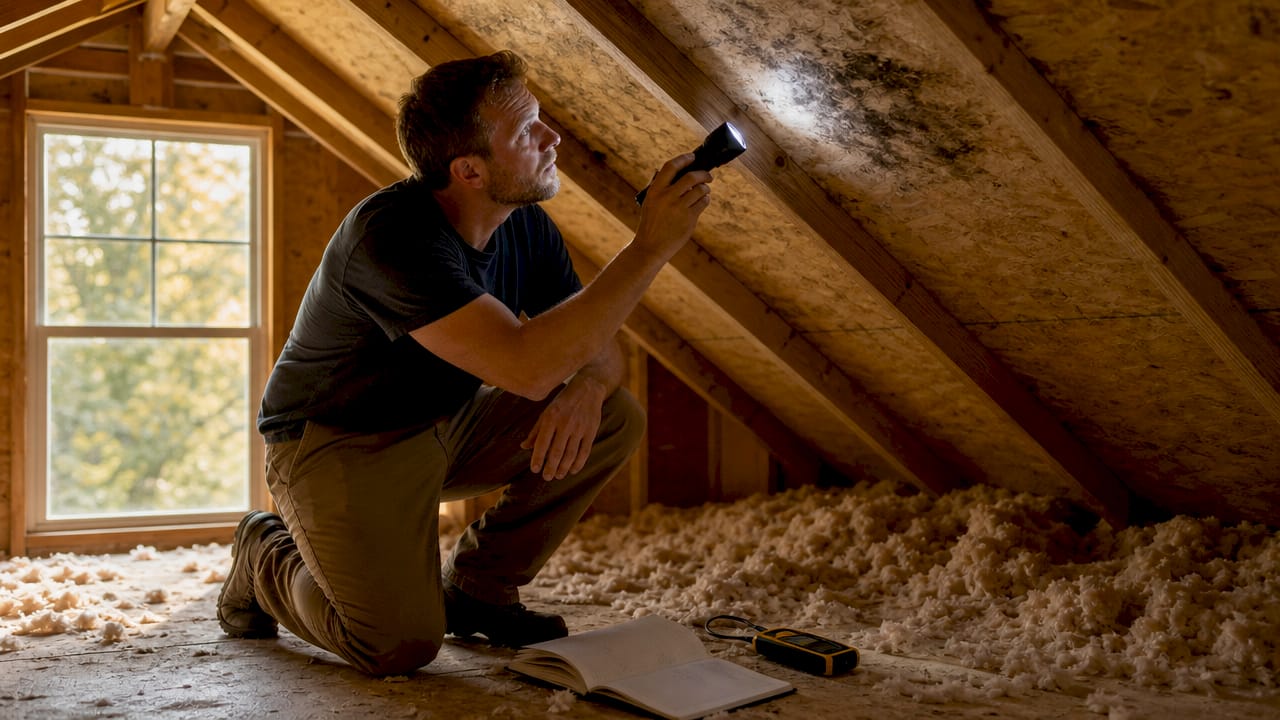
The financial consequence is severe. Delaying repairs until leaks appear results in repair costs that are 2x to 5x higher than catching the problem early. A $400 flashing repair becomes a $2,000 decking replacement when left unaddressed.
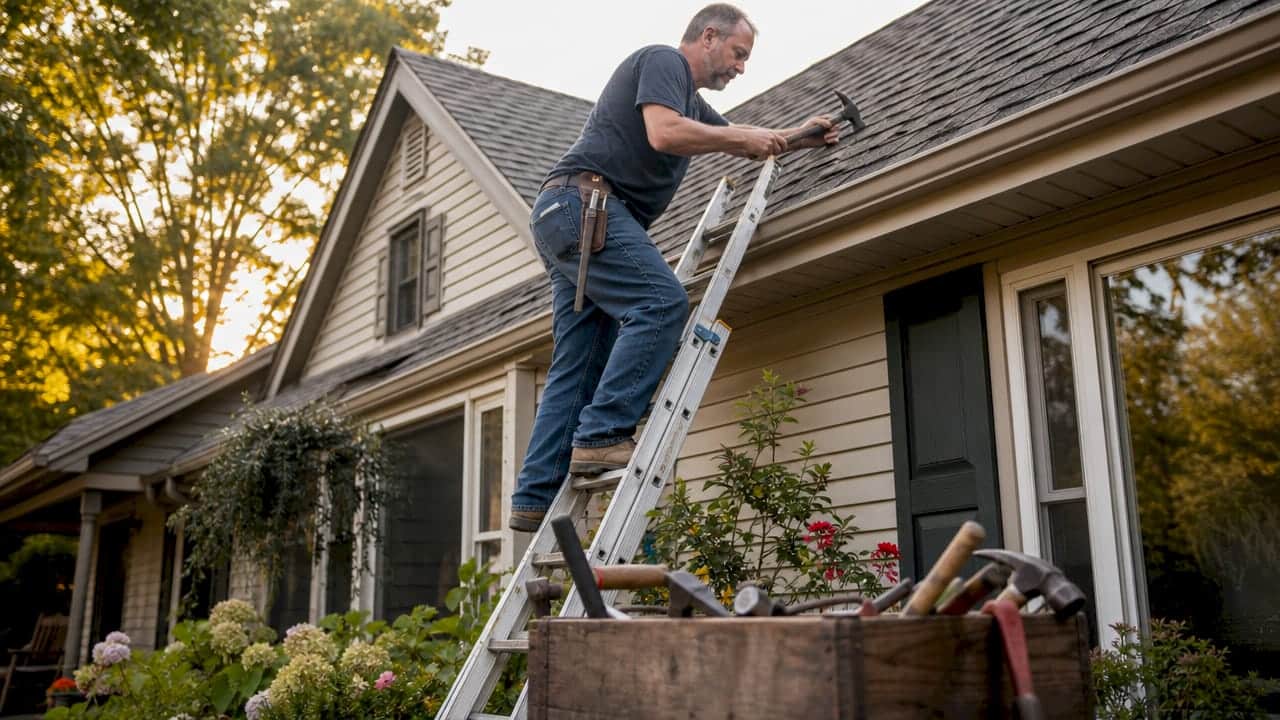
Professional roof inspections should happen annually and after every major storm. Inspectors check underlayment integrity, cracked pipe boots, flashing seals, and ventilation pathways, not just the shingles you can see from the ground. These are the components that fail silently.
Early warning signs to watch for include:
- Granule loss in gutters or downspouts
- Soft spots or sagging in the attic ceiling
- Unexplained spikes in heating or cooling bills
- Daylight visible through attic boards
Pro Tip: Schedule a professional inspection within two weeks of any hailstorm or high-wind event, even if your roof looks fine from the street. Hidden impact damage is the leading cause of denied insurance claims.
3. “Roofs have a fixed lifespan, so I’ll replace mine at 20 years”
Roof age alone does not determine when replacement is needed. Asphalt shingles last 20–30 years, while modern metal roofs with Galvalume technology can exceed 50 years with proper maintenance. The gap between those two numbers is enormous, and it comes down to factors beyond the calendar.
Homeowners often confuse age with failure, but a well-maintained 25-year-old roof in a mild climate may outperform a neglected 12-year-old roof in a coastal storm zone. Climate, installation quality, attic ventilation, and maintenance frequency all shape how long a roof actually lasts.
Signs of premature aging that matter more than the installation date:
- Curling, cracking, or missing shingles
- Rust stains or visible corrosion around metal components
- Moss or algae growth indicating trapped moisture
- Flashing that has lifted or separated from the wall
New roofs still require inspections and upkeep. A roof installed last year can develop flashing gaps or ventilation problems within months if the installation was poor. Routine upkeep and inspections are necessary regardless of roof age.
Pro Tip: When choosing materials, ask your contractor about Galvalume-coated metal panels if you live in a coastal or high-humidity area. The corrosion resistance is significantly better than standard steel, and the lifespan difference justifies the upfront cost.
4. The low-bid trap: why the cheapest quote costs the most
Choosing the lowest roofing bid is one of the most reliable ways to create a bigger, more expensive problem. Cheap quotes often use substandard materials, inexperienced labor, or skip critical components like ice and water shields entirely. You will not notice the shortcuts until the next storm.
Long-term maintenance costs from a low-bid installation run 30–50% higher than a properly installed roof. That savings on the front end evaporates quickly when you are paying for callbacks, patch repairs, and voided warranties. Low bids are typically too good to be true, signaling shortcuts in materials or workmanship.
Before signing any contract, verify these contractor qualifications:
- State licensing and active insurance certificates
- Manufacturer certification for the shingle brand being installed
- Written warranty covering both materials and labor
- Local references from completed projects in your area
Understanding the roofing estimate process helps you compare bids accurately. A detailed estimate breaks out materials, labor, disposal, and underlayment separately. If a quote is a single lump sum with no line items, that is a red flag.
Code-required components like proper flashing and ventilation are not optional. Skipping them voids manufacturer warranties and can create moisture problems that rot the decking within a few years. Knowing the qualities of reliable roofing contractors before you get quotes protects you from this trap.
5. Metal roofs attract lightning and sound like a drum in the rain
Both of these beliefs are false, and they prevent homeowners from choosing one of the most durable roofing materials available. Metal roofs do not attract lightning. Lightning strikes the tallest object in an area, regardless of material. Metal actually dissipates electrical energy more safely than wood or asphalt.
The noise concern is equally outdated. Modern metal roofing installed over a solid roof deck with underlayment is no louder than asphalt shingles during rain. The drum effect people remember comes from old metal barn roofs installed without decking or insulation beneath them.
| Myth | Fact |
|---|---|
| Metal roofs attract lightning | Lightning targets height, not material |
| Metal roofs are loud in rain | Solid decking and underlayment muffle sound |
| Metal roofs rust quickly | Galvalume coating provides decades of corrosion protection |
| Dark roofs dramatically raise cooling costs | Reflective coatings on modern materials reduce heat absorption significantly |
The energy cost myth deserves special attention. Dark-colored roofing with modern reflective coatings performs similarly to lighter colors in terms of heat absorption. The technology has advanced to the point where roof color is a much smaller factor in cooling costs than attic insulation and ventilation.
Pro Tip: If you are considering solar panels on a metal roof, review how the installation affects your coverage. Resources like solar panels and roof warranty explain what to watch for before signing any solar contract.
6. “I can just add a new layer of shingles over the old ones”
Roof-over installations, where new shingles go directly over existing ones, are one of the most common and costly shortcuts in residential roofing. Roof-over techniques trap moisture and hide structural damage, leading to rot and a shortened roof lifespan. The new layer looks fine from the street while the old layer underneath continues to deteriorate.
Manufacturers frequently void warranties when a roof-over is done improperly. That means if the new shingles fail within the warranty period, you have no recourse. A full tear-off costs more upfront, but it gives the installer a clear view of the decking, allows proper underlayment installation, and preserves your warranty.
The added weight is also a structural concern. Two layers of asphalt shingles significantly increase the load on your roof framing. In areas prone to heavy rain or wind, that extra weight becomes a liability.
7. New roofs are maintenance-free
A new roof is not a set-it-and-forget-it investment. Neglecting maintenance leads to debris buildup, water damming, and accelerated wear even on recently installed roofs. The warranty does not protect you from damage caused by neglect.
The maintenance tasks that matter most are straightforward:
- Clear debris from the roof surface and gutters at least twice a year
- Check and reseal flashing around chimneys, vents, and skylights annually
- Inspect pipe boot seals, which crack and shrink over time
- Trim overhanging branches that deposit debris and hold moisture
Blocked gutters are a particularly common cause of premature roof damage. When water cannot drain, it backs up under the shingles at the eave line, soaking the decking and causing rot. Regular roof maintenance is what separates a roof that reaches its full lifespan from one that fails a decade early.
Key takeaways
Roofing myths cause homeowners to delay inspections, accept low-quality work, and neglect maintenance, all of which accelerate roof failure and inflate repair costs.
| Point | Details |
|---|---|
| Hidden damage is real | Leaks appear long after internal damage begins; annual inspections catch problems early. |
| Age is not the only factor | Material choice, climate, and maintenance determine lifespan more than the installation date. |
| Low bids cost more long-term | Cheap quotes often skip critical components, raising maintenance costs by 30–50%. |
| Metal roofs are misunderstood | Modern metal roofing does not attract lightning, is not loud, and resists rust with Galvalume coatings. |
| New roofs still need care | Regular debris clearing, gutter maintenance, and seal checks prevent premature failure. |
What I have seen after years of watching homeowners get burned by bad information
The myth that stings the most is the “no leaks, no problem” belief. I have seen homeowners go years without a single inspection because the ceiling looked dry. Then one storm reveals a decking system that has been rotting quietly for three years. The repair bill is always a shock, and it is always avoidable.
The second pattern I see constantly is the low-bid trap. A homeowner gets three quotes, picks the lowest one, and feels smart about it. Eighteen months later, they are calling for a second opinion on shingles that are already lifting. When you look at the installation, the ice and water shield is missing, the flashing is improperly sealed, and the ventilation is wrong. The “savings” funded a future emergency.
What actually works is simple: inspect annually, choose certified contractors, and treat your roof like the structural system it is. A roof is not a cosmetic feature. It protects everything underneath it. Homeowners who understand that tend to make better decisions, spend less over time, and avoid the emergency calls that come from years of deferred maintenance. Consulting a certified professional before making any major roofing decision is the single highest-return action you can take as a property owner.
— Results
Protect your roof with Buffalo Roofing and Exteriors
Buffalo Roofing and Exteriors serves homeowners and property managers across Corpus Christi, San Antonio, and Victoria, Texas, with professional roofing inspections, quality installations, and storm damage restoration. The team uses certified materials and experienced installers to make sure your roof performs for its full intended lifespan.
Whether you need a post-storm inspection, a full replacement with quality materials, or a maintenance plan that keeps small issues from becoming large ones, Buffaloroofingandexteriors delivers reliable results. Browse completed roofing projects to see the quality firsthand, or contact the team directly for a free estimate. If you are in the Robstown area, the local roofing services page has everything you need to get started.
FAQ
Does no visible leak mean my roof is fine?
No. Internal roof damage develops for years before leaks appear, and waiting until water shows inside your home can multiply repair costs by 2x to 5x.
How often should I get a professional roof inspection?
Annual inspections are the standard recommendation, plus an additional inspection after any major storm event.
Does homeowners insurance cover all roof damage?
Standard homeowners insurance covers sudden storm-related damage only, not age-related wear. You must document and prove storm damage to avoid a claim denial.
Is it safe to install new shingles over old ones?
Roof-over installations trap moisture, hide existing damage, and often void manufacturer warranties. A full tear-off is the method most roofing professionals and manufacturers recommend.
Do certified installers really matter that much?
Installer certification impacts roof lifespan and warranty coverage more than shingle brand alone. A poorly installed premium shingle will fail faster than a standard shingle installed correctly.