TL;DR:
- Cool roofs reflect more sunlight and release heat more efficiently, reducing surface temperature and air-conditioning costs. Their performance depends on high solar reflectance and thermal emittance, with benefits like lower energy bills, reduced peak demand, and improved indoor comfort, especially in hot climates. Proper selection, installation, and maintenance are essential for maximizing their long-term performance and environmental impact.
A cool roof is a roofing system designed to reflect more solar energy and release absorbed heat more efficiently than a standard roof. The result is a measurable drop in surface temperature, lower air-conditioning costs, and a more comfortable home. The Cool Roof Rating Council (CRRC) evaluates these systems using two key metrics: solar reflectance and thermal emittance, both measured on a 0-to-1 scale. Energy codes including ASHRAE 90.1, the International Energy Conservation Code (IECC), and California Title 24 all reference CRRC ratings to set minimum performance standards. For homeowners and property managers in hot climates, cool roofs represent one of the most cost-effective upgrades available.
How do cool roofs work?
Cool roofs rely on two physical properties working together. Solar reflectance measures how much sunlight a roof bounces back instead of absorbing. Thermal emittance measures how efficiently the roof releases any heat it does absorb. A roof that scores high on both properties stays dramatically cooler than a standard dark roof.
The Solar Reflectance Index (SRI) combines both metrics into a single number. Higher SRI values mean better overall performance. Energy codes and utility rebate programs frequently use SRI thresholds to qualify products, so knowing a product’s SRI helps you compare options quickly.
The temperature difference between roof types is significant. Standard roofs reach 150–170°F on a hot summer day, while reflective roofs stay at 100–120°F under the same conditions. That 50–80°F gap translates directly into less heat pushing through your ceiling and into your living space.
How materials and coatings are rated
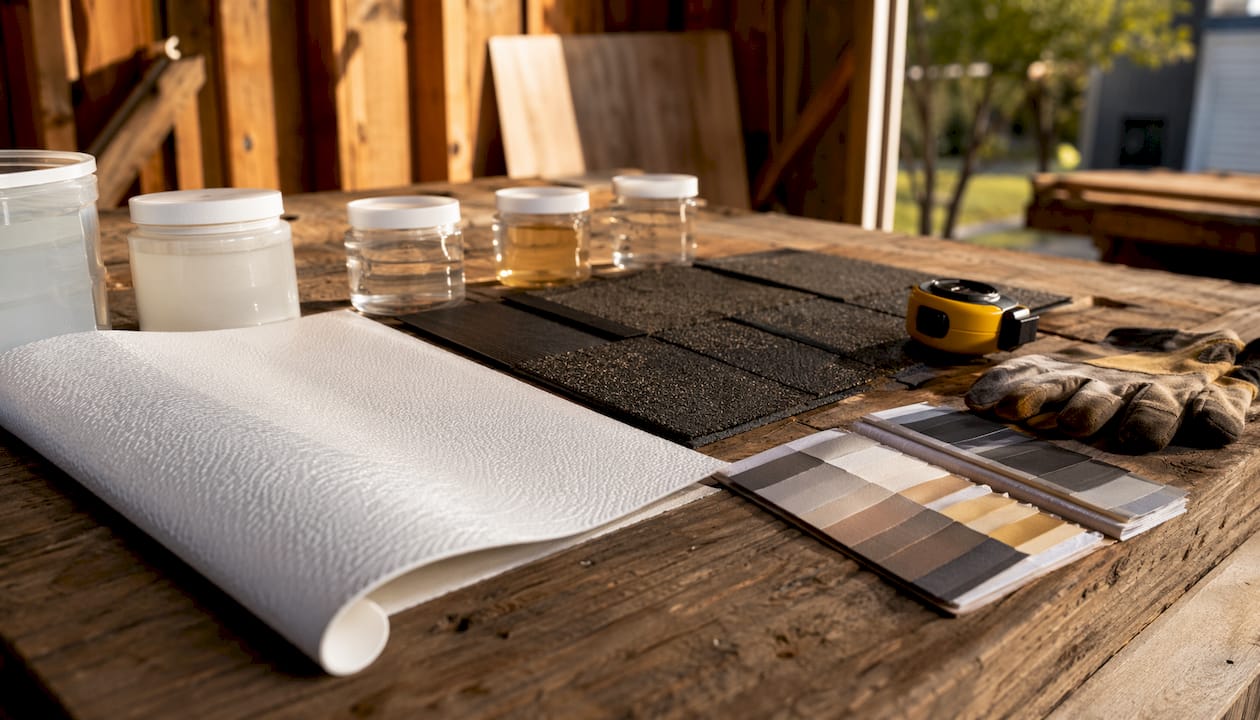
The CRRC tests products using ASTM standards and publishes rated values publicly. White TPO membranes typically achieve solar reflectance of 0.80–0.88 and thermal emittance above 0.90, exceeding most code minimums without any additional coating. That makes white TPO one of the most reliable choices for low-slope roofs on commercial and residential properties alike.
Reflective coatings offer a retrofit path for existing roofs. White silicone coatings start with solar reflectance of 0.80–0.88 and settle to an aged reflectance of 0.65–0.75 after three years. That aged value still qualifies for Energy Star certification and most utility rebate programs.
| Property | Standard Dark Roof | Reflective Cool Roof |
|---|---|---|
| Solar reflectance | 0.05–0.15 | 0.65–0.88 |
| Thermal emittance | 0.85–0.90 | 0.85–0.95 |
| Peak surface temp | 150–170°F | 100–120°F |
| SRI (approx.) | 0–25 | 75–110 |
Pro Tip: Ask your roofing contractor for the CRRC-rated product sheet before signing any contract. The rated values, not marketing claims, determine whether a product qualifies for rebates and meets local energy codes.
What are the key benefits of cool roofs?
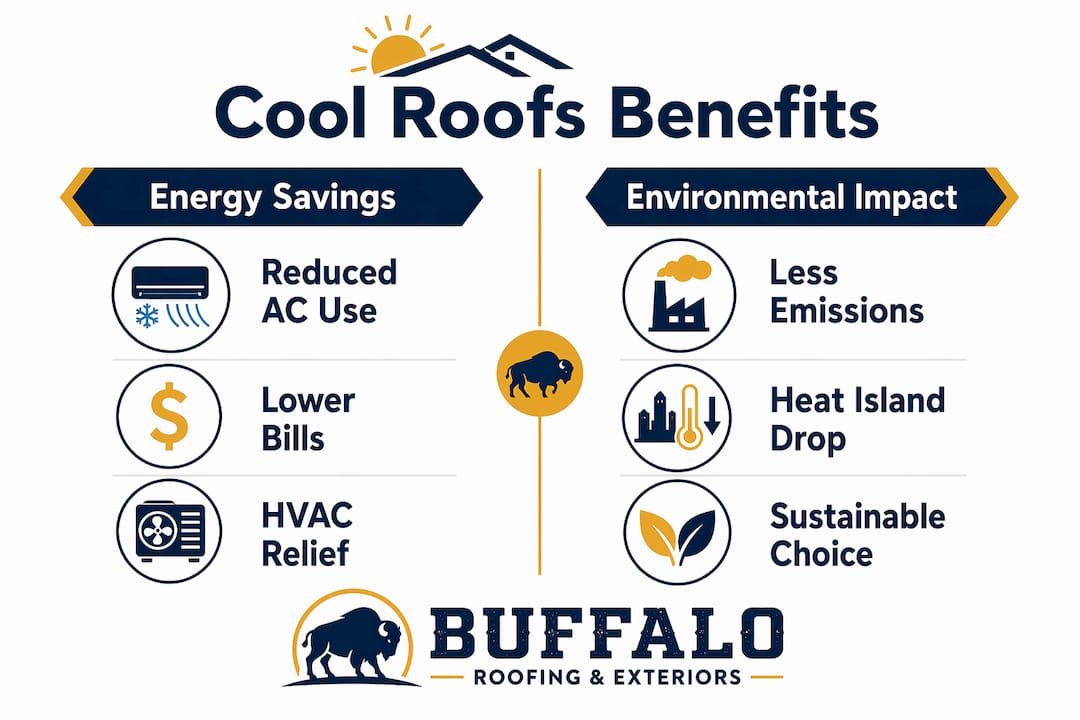
Energy savings are the most direct benefit. Switching to a reflective roof cuts annual air-conditioning energy use by 5–20% on average. In hot, poorly insulated buildings, savings can reach 50%. That range is wide because climate, insulation quality, and building size all affect the outcome.
Peak demand reduction adds another layer of financial value. Buildings with reflective roofing cut peak electrical demand by 10–15% during the hottest hours of the day. Utility companies charge premium rates during peak demand windows, so this reduction shows up directly on your monthly bill.
The benefits extend beyond your electricity meter:
- Lower HVAC workload. Less heat entering the building means your air conditioner runs fewer cycles. Shorter run times reduce wear and extend equipment life.
- Improved indoor comfort. Upper floors and attic-adjacent rooms stay cooler, reducing hot spots that are common in Texas coastal homes during summer.
- Extended roof lifespan. Thermal stress from repeated heating and cooling cycles degrades roofing materials over time. Lower surface temperatures reduce that stress and slow material breakdown.
- Urban heat island reduction. Cool roofs reduce urban temperatures by lowering the heat cities absorb and re-radiate. Urban heat islands already run 2–8°F hotter than surrounding rural areas, and widespread reflective roofing measurably counteracts that effect.
- Utility rebates and incentives. Many Texas utilities and federal programs offer rebates for CRRC-rated products that meet Energy Star thresholds. Buffaloroofingandexteriors can help you identify which incentives apply to your property.
The environmental impact compounds at scale. When buildings collectively reduce cooling demand, reliance on fossil fuel-based peaker plants drops. That means lower greenhouse gas emissions without any lifestyle change on your part.
How do you choose and install the right cool roof?
Climate zone is the first factor to evaluate. In hot, sunny regions like South Texas, the energy savings from reflective roofing are consistent and substantial year-round. In cooler climates classified as ASHRAE zones 5–8, the picture changes. The heating penalty in winter can offset 40–70% of summer cooling savings because a reflective roof also reflects beneficial winter sun. For Corpus Christi, San Antonio, and Victoria homeowners, this trade-off is rarely a concern. The math strongly favors reflective roofing in ASHRAE zones 1–3.
Low-slope vs. steep-slope roofs
Low-slope roofs (less than 2:12 pitch) have the widest product selection. White TPO membranes, modified bitumen with reflective cap sheets, and spray-applied coatings all work well. Steep-slope roofs (greater than 2:12 pitch) use different products: light-colored asphalt shingles with reflective granules, metal roofing with factory-applied coatings, or clay and concrete tiles. The CRRC rates products in both categories, so you can verify performance before purchasing.
Retrofit coatings vs. full replacement
Restoring an existing roof with a reflective coating costs $2.00–$6.00 per square foot. A full roof replacement runs $5.50–$25.00 per square foot depending on materials and complexity. That cost gap makes coatings the preferred choice when the existing substrate is structurally sound. If the deck shows rot, significant ponding water damage, or widespread membrane failure, replacement is the correct path regardless of cost.
The installation process for a reflective coating follows these steps:
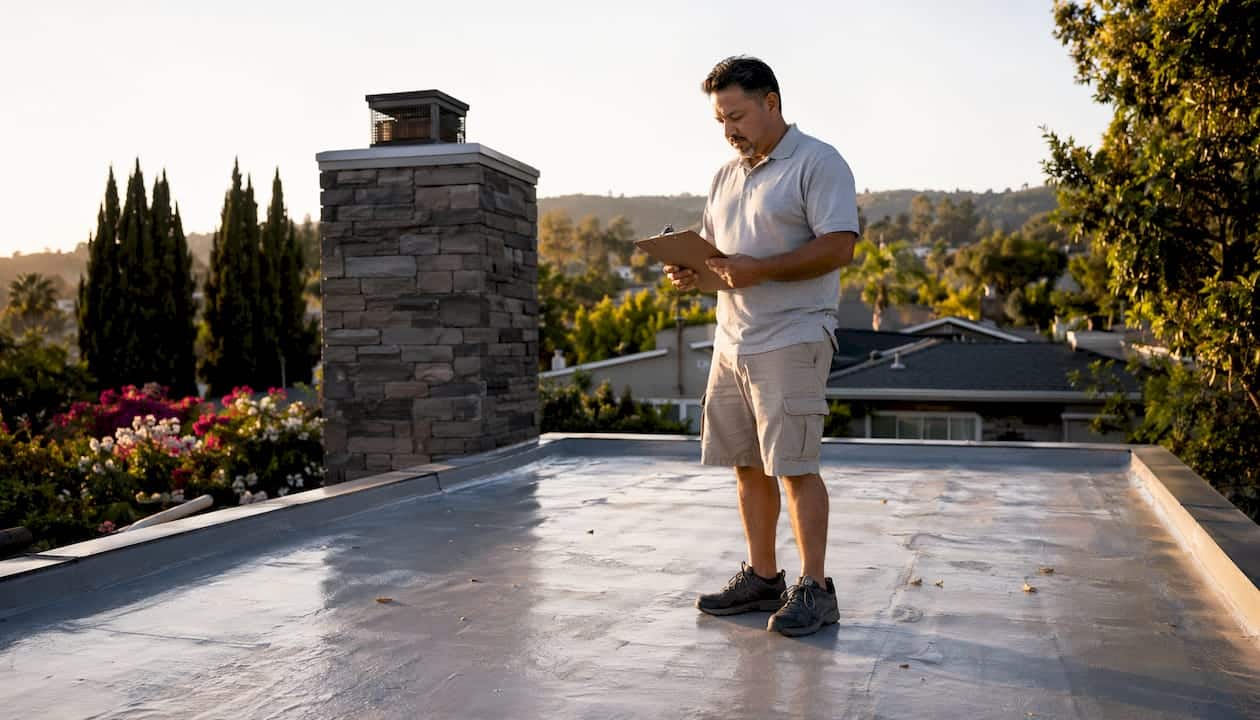
- Inspect the substrate. Identify blisters, cracks, ponding areas, and failed seams before applying anything.
- Clean the surface. Pressure washing removes dirt, algae, and loose material. Biological growth must be treated with an appropriate biocide.
- Repair defects. Seal cracks, reinforce seams with fabric tape, and correct drainage issues.
- Apply primer if required. Some substrates need a bonding primer for proper adhesion.
- Apply the coating in two passes. Most manufacturers specify a wet mil thickness for each coat. Follow the spec sheet exactly.
- Allow full cure time. Traffic and rain exposure before full cure causes adhesion failure.
Pro Tip: For new roof installation projects, specify reflective materials at the design stage. Retrofitting later costs more and may require additional surface prep that a new installation avoids entirely.
How do you maintain a cool roof for long-term performance?
Dirt and biological growth are the primary enemies of reflectivity. A layer of dust, algae, or lichen can reduce solar reflectance by 0.10–0.20 points over time. That degradation cuts into your energy savings without any visible damage to the roof structure. Annual cleaning restores most of that lost reflectance.
Maintenance best practices for reflective roofing include:
- Clean annually. Use low-pressure washing with a mild detergent. High-pressure washing can damage coatings and membrane surfaces.
- Inspect twice per year. Check in spring after winter weather and in fall before storm season. Look for new cracks, lifted seams, and ponding areas.
- Treat biological growth immediately. Algae and lichen hold moisture against the surface and accelerate coating breakdown. Apply a biocide rated for roofing membranes.
- Recoat on schedule. Most reflective coatings carry a 10–15 year warranty but benefit from a maintenance recoat at the midpoint to restore reflectance and seal minor surface wear.
- Integrate with storm damage checks. After any significant weather event, inspect for impact damage, debris punctures, and displaced flashing.
Substrate preparation is the most common point of failure in coating projects. Applying a new coat over a damp, dirty, or structurally compromised surface causes blistering, delamination, and leaks within months. A professional commercial roof maintenance plan catches these issues before they become expensive failures.
Pro Tip: Schedule your annual roof cleaning in late spring before peak summer heat. A clean, fully reflective surface entering the hottest months delivers the maximum energy savings for the full cooling season.
Key Takeaways
Reflective roofing delivers measurable energy savings, reduced HVAC strain, and longer roof life, but only when the right product is matched to your climate zone and installed on a properly prepared substrate.
| Point | Details |
|---|---|
| Temperature reduction | Reflective roofs run 50–80°F cooler than standard dark roofs at peak summer temperatures. |
| Energy savings range | Annual air-conditioning savings average 5–20%, with higher gains in hot, poorly insulated buildings. |
| Cost of retrofit | Reflective coatings cost $2–$6 per square foot, far less than full roof replacement at $5.50–$25. |
| Climate zone matters | Hot climates like South Texas see the strongest return; cooler climates face a heating penalty trade-off. |
| Maintenance is non-negotiable | Annual cleaning and biannual inspections preserve reflectance and prevent coating failures. |
What I’ve learned about cool roofs after years in Texas markets
The most common misconception I encounter is that a reflective roof alone solves a home’s heat problem. It does not. A cool roof reduces heat entering through the top of the building. If the attic has inadequate insulation or poor ventilation, that heat gain still accumulates and pushes into living spaces. The roof and the thermal envelope below it work as a system. Upgrading one without addressing the other leaves real savings on the table.
The second thing I’ve noticed is that homeowners in coastal Texas often underestimate how quickly a dirty roof loses its reflective edge. Salt air, humidity, and biological growth accelerate surface fouling faster here than in drier inland climates. A roof that looked bright white at installation can be visibly gray within 18 months without a cleaning program. That’s not a product failure. It’s a maintenance gap.
The interaction with solar panels is worth mentioning too. A reflective roof reduces the ambient temperature around rooftop panels, which actually improves their output efficiency. Photovoltaic panels lose efficiency as they heat up, so a cooler roof surface benefits both systems simultaneously. For homeowners considering roofing upgrades for energy savings, pairing a reflective roof with solar panels is one of the strongest combined investments available right now.
— Results
Buffaloroofingandexteriors: cool roofing solutions for Texas homeowners
Buffaloroofingandexteriors installs and restores reflective roofing systems across Corpus Christi, San Antonio, and Victoria, with product selections matched to each climate zone and roof type. The team works with CRRC-rated materials for both low-slope and steep-slope applications, including white TPO membranes, reflective coatings, and energy-efficient shingle systems.
Whether you need a full flat roof replacement or a reflective coating applied to an existing substrate, Buffalo Roofing and Exteriors provides free estimates and financing options to make the project accessible. Contact the team today for a personalized roofing evaluation and find out which products qualify for local utility rebates in your area.
FAQ
What is the difference between solar reflectance and thermal emittance?
Solar reflectance measures how much sunlight a roof reflects, while thermal emittance measures how efficiently it releases absorbed heat. Both metrics are rated on a 0-to-1 scale by the CRRC, and high scores on both are required for a roof to qualify as a true cool roof.
Do cool roofs work in all climates?
Reflective roofing delivers the strongest savings in hot climates like South Texas. In cooler ASHRAE zones 5–8, the winter heating penalty can offset 40–70% of summer savings, so a climate-specific evaluation is necessary before committing.
How much can a cool roof reduce my energy bill?
Switching to a reflective roof cuts annual air-conditioning energy use by 5–20% on average, with savings up to 50% in hot, poorly insulated buildings. Peak electrical demand also drops by 10–15% during the hottest hours.
How often should a reflective roof be cleaned?
Annual cleaning is the standard recommendation. In coastal Texas, salt air and humidity accelerate biological growth, so some properties benefit from cleaning every 8–10 months to maintain peak reflectance.
Is a reflective coating better than a full roof replacement?
A reflective coating at $2–$6 per square foot makes sense when the existing substrate is structurally sound. Full replacement at $5.50–$25 per square foot is the right call when the deck or membrane has widespread damage that a coating cannot correct.