TL;DR:
- Homeowners should learn roofing basics like materials and inspections to protect their homes effectively. Regular biannual inspections and understanding key components help prevent costly damage and miscommunication with contractors. Awareness of proper safety and maintenance routines enables homeowners to catch problems early and make informed decisions.
Learning roofing means gaining practical skills in roofing materials, installation methods, and ongoing maintenance for residential properties. These skills are not just for contractors. Homeowners who understand the basics can spot problems early, communicate clearly with professionals, and protect one of their biggest investments. This guide covers the core concepts every homeowner needs, from material lifespans to safe inspection routines, using industry standards like the InterNACHI 30-point inspection checklist as a benchmark for what thorough roof care actually looks like.
What does learning roofing actually cover?
Roofing knowledge breaks down into three areas: materials, installation, and maintenance. Each one builds on the last. You cannot make smart repair decisions without knowing what your roof is made of. You cannot spot installation problems without understanding how a roof goes together. And you cannot protect your home long term without a consistent maintenance routine.
The industry term for what most homeowners want is “residential roofing literacy.” It is not about becoming a licensed roofer. It is about knowing enough to ask the right questions, recognize warning signs, and avoid getting overcharged. Learning roofing language like flashing, underlayment, and soffit helps homeowners avoid unnecessary upsells and misunderstandings with contractors.
What are the most common roofing materials?
The material your roof is made from determines how long it lasts, how much maintenance it needs, and what repairs cost. Most residential roofs in the United States use one of four materials.
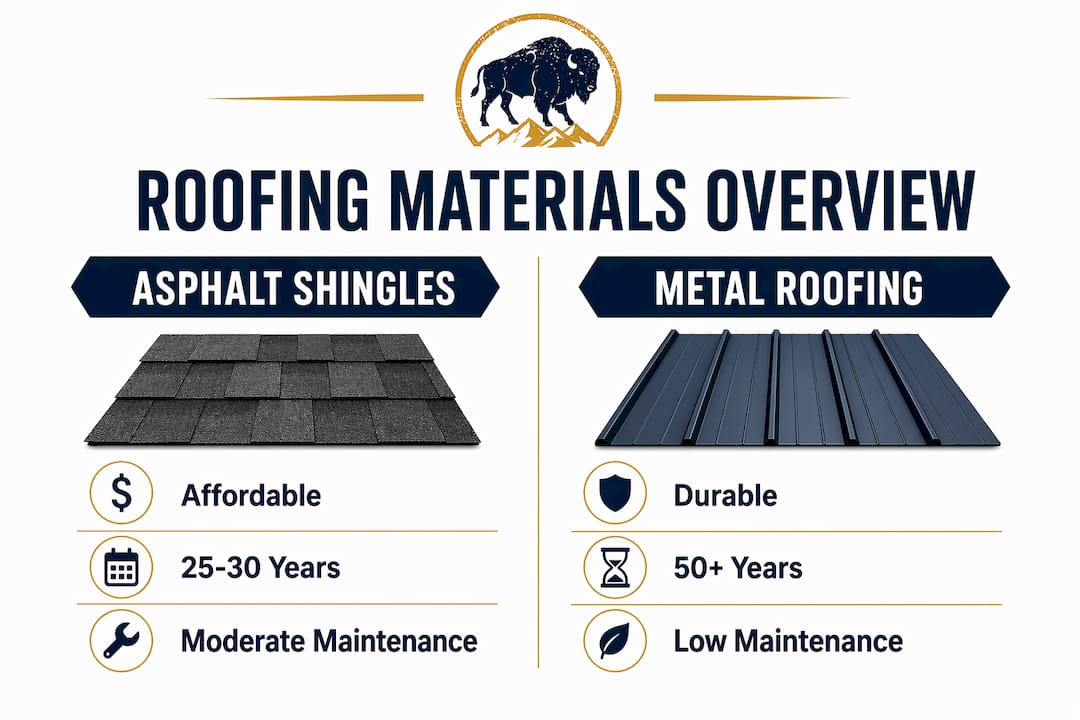
Roof material lifespans vary significantly by type. Asphalt architectural shingles last 25–30 years, standing seam metal roofs last 50–70 years, and natural slate can last 75–150 years. That range matters when you are budgeting for replacement or buying a home.
| Material | Typical Lifespan | Maintenance Level | Best For |
|---|---|---|---|
| Asphalt shingles | 25–30 years | Low to moderate | Most residential homes |
| Metal (standing seam) | 50–70 years | Low | Coastal and storm-prone areas |
| Natural slate | 75–150 years | Low (but heavy) | Premium, long-term builds |
| Clay or concrete tile | 40–50 years | Moderate | Hot, dry climates |
Here is what those numbers mean in practice:
- Asphalt shingles are the most affordable and easiest to repair. They are vulnerable to hail and high winds, which matters a lot in coastal Texas.
- Metal roofs resist wind, fire, and moisture. They cost more upfront but pay off over decades.
- Slate is extremely durable but heavy. Not every home structure can support it without reinforcement.
- Tile roofs handle heat well but crack under impact and require careful foot traffic during inspections.
Choosing the right material is the first real decision in any roofing project. Your climate, budget, and home structure all factor in.
How to install a roof: core techniques for beginners
Understanding how to install a roof gives you a clear picture of what a proper job looks like. You may never do a full installation yourself, but knowing the steps helps you verify that a contractor did the work correctly.
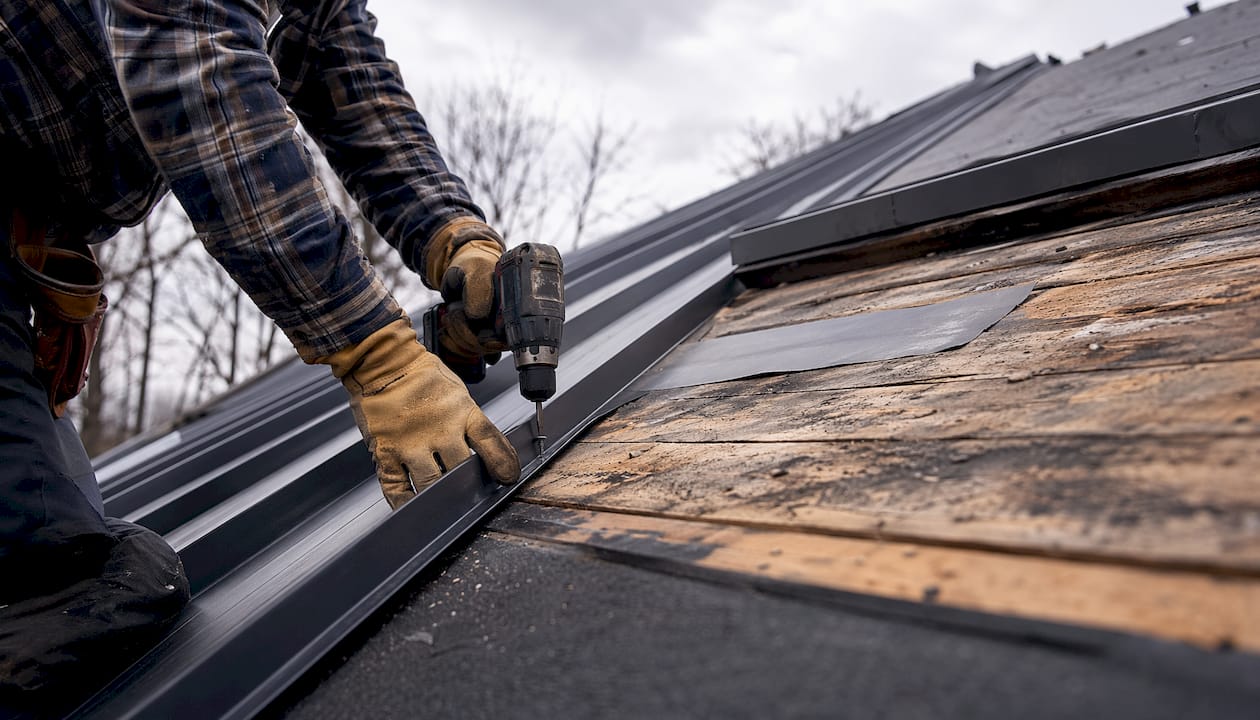
The four layers of a residential roof
Every residential roof is built in layers, and each one has a specific job.
- Decking (sheathing): This is the plywood or OSB board nailed to the roof rafters. It forms the structural base for everything above it. Damaged or soft decking is a red flag during any inspection.
- Underlayment: A water-resistant or waterproof layer installed directly over the decking. Felt paper and synthetic underlayment are the two main types. Synthetic lasts longer and handles moisture better.
- Shingles or surface material: The outermost layer that takes the weather. Shingles are installed from the bottom edge up, overlapping each row so water runs off rather than under.
- Flashing: Metal strips installed at joints, valleys, chimneys, and vents. Flashing is where most leaks start when it is improperly installed or corroded.
Roof pitch and why it matters
Roof pitch is the angle of the slope, expressed as a ratio of rise to run. A 4:12 pitch means the roof rises 4 inches for every 12 inches of horizontal run. Pitch affects which materials you can use and how water drains. Low-slope roofs below 2:12 need special waterproofing systems because water moves slowly and can pool.
Pro Tip: When replacing shingles, always start from the bottom row and work upward. Reversing this order creates gaps where water can get under the surface.
Common beginner repairs
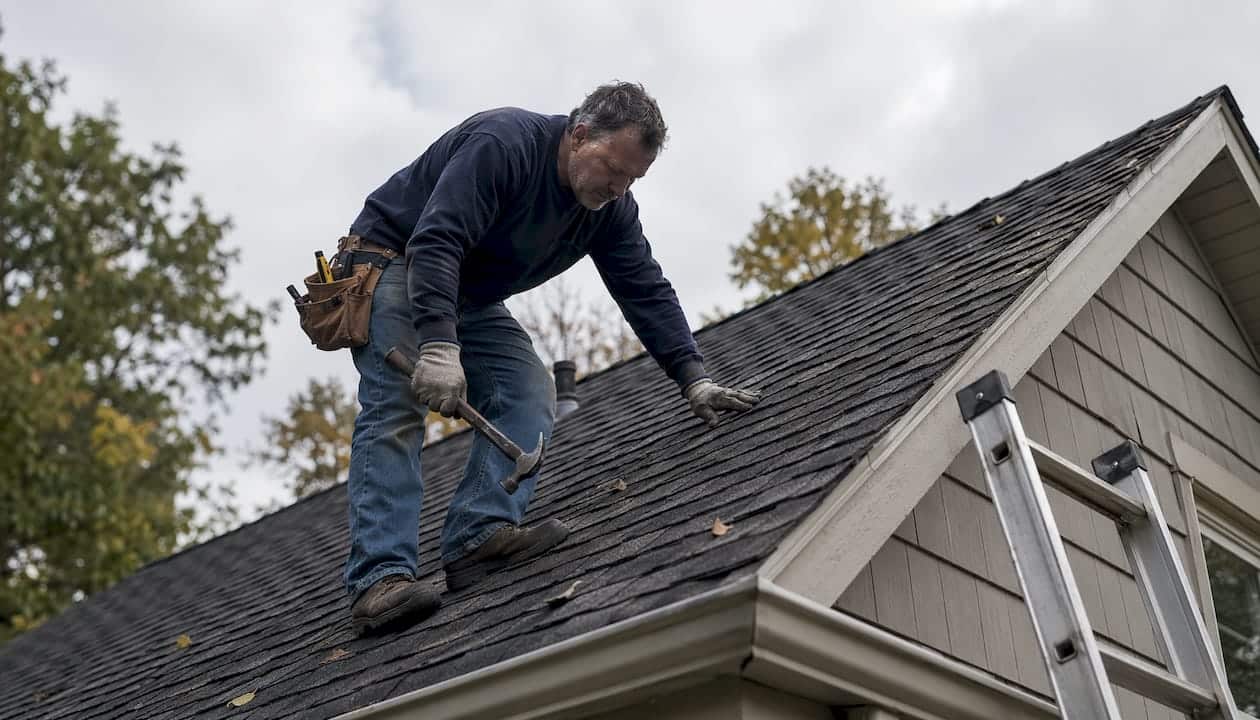
Two repairs most homeowners can learn with basic tools are shingle replacement and minor leak sealing. Replacing a damaged shingle requires a flat bar, roofing nails, and a matching shingle. Sealing a small leak around a pipe boot or vent uses roofing caulk or flashing tape. Both repairs are manageable on a low-slope section with the right safety setup.
How should homeowners maintain their roofs?
Roof maintenance is the single most cost-effective thing a homeowner can do. Proactive maintenance reduces damage claims by 25%, which translates directly to lower repair bills and fewer insurance headaches.
Experts recommend biannual inspections in spring and fall, plus a check after any storm with winds over 50 mph. That schedule catches the most common problems before they become expensive.
A solid DIY inspection covers these areas:
- Gutters and downspouts: Look for granule buildup from asphalt shingles, which signals aging. Clear debris that blocks drainage.
- Shingle condition: Check for curling, cracking, missing shingles, or dark staining (algae or moss).
- Flashing: Look for lifted edges, rust, or gaps around chimneys, skylights, and vents.
- Attic interior: Check for daylight coming through the roof boards, moisture stains, or soft spots on the decking. Failures invisible from ground level often start at flashing, ventilation, and attic areas.
- Soffits and fascia: Rotting or peeling paint here often signals moisture problems behind the surface.
Pro Tip: Take photos during every inspection and note the exact location of anything unusual. Detailed photography and precise location notes improve estimate accuracy when you bring in a contractor.
Many homeowners wait for a visible leak before paying attention to their roof. That is the wrong approach. Hidden attic damage often precedes visible symptoms and increases repair costs significantly when left unchecked. A regular inspection routine catches problems at the attic stage, not the ceiling-collapse stage.
A professional inspection costs $150–$650 and covers 30 distinct points across shingles, flashing, drainage, structural decking, and attic interior. That is money well spent every few years, especially after a major storm. You can also follow a seasonal maintenance checklist to stay on top of routine tasks between professional visits.
Roof safety tips every DIY learner needs to know
Safety is the non-negotiable part of any roofing work. Falls from roofs cause serious injuries every year, and most happen to people who thought the job was simple.
The most effective approach for homeowners is to do as much as possible from the ground. 8 to 10 of 30 inspection points are assessable without climbing on the roof at all. Binoculars, a drone, or a camera on an extension pole give you a clear view of shingles, flashing, and gutters without any height risk.
When roof access is necessary, follow these rules:
- Wear rubber-soled shoes with good grip. Smooth-soled boots are a fall risk on any slope.
- Never go on the roof when it is wet, icy, or immediately after rain.
- Use a properly secured ladder that extends at least 3 feet above the roofline.
- Work with a partner who can hold the ladder and call for help if needed.
- Avoid roof access on slopes steeper than 6:12 without professional safety equipment.
For anything beyond a basic shingle swap or gutter cleaning, call a professional. Complex tasks like flashing replacement, valley repairs, or full re-roofing carry real fall risk and require experience to do correctly. Knowing when to call a reliable contractor is itself a roofing skill. You can also review essential roof safety tips specific to storm-prone areas before attempting any post-storm inspection.
Exterior home care extends beyond the roof. Keeping your siding and painted surfaces in good condition also protects your home from moisture damage. Exterior siding painting tips from experienced painters offer practical guidance that complements a solid roof maintenance routine.
Key Takeaways
Homeowners who learn roofing basics, from material lifespans to safe inspection habits, protect their homes more effectively and spend less on avoidable repairs.
| Point | Details |
|---|---|
| Material lifespan varies widely | Asphalt shingles last 25–30 years; metal roofs last 50–70 years; slate can reach 150 years. |
| Inspect twice a year | Schedule spring and fall inspections plus checks after storms with winds over 50 mph. |
| Attic checks catch early damage | Hidden attic damage precedes visible leaks and costs more to fix when ignored. |
| Most inspections are ground-level | Up to 10 of 30 inspection points can be assessed safely without climbing on the roof. |
| Know the terminology | Learning terms like flashing, underlayment, and soffit helps you avoid contractor upsells. |
What I have learned from watching homeowners approach their roofs
Most homeowners treat their roof like a car they never open the hood on. They notice it when something goes wrong and assume everything is fine until then. That mindset is expensive.
The biggest misconception I see is that roofing knowledge is only for professionals. It is not. Understanding what a drip edge does, why valleys are high-risk zones, and what granule loss actually signals gives you real power in a contractor conversation. You stop nodding along and start asking specific questions. That shift alone saves money.
The safety-first mindset is not just about avoiding falls. It is about knowing your limits clearly. A homeowner who confidently replaces a single shingle but calls a pro for flashing work is making a smart call, not an admission of failure. The goal is not to replace your roofer. The goal is to be an informed owner who catches problems early and hires well when it counts.
Roof care is asset protection. A well-maintained roof adds years to your home’s life and keeps your insurance claims low. The homeowners I see spending the least on roofing over time are the ones who inspect regularly, document everything, and act on small problems before they grow.
— Buffaloroofingandexteriors
Professional roofing support when you need it most
Buffaloroofingandexteriors serves homeowners across Corpus Christi, San Antonio, and Victoria, Texas, with professional roofing inspections, repairs, and full installations.
When a DIY inspection turns up something you are not sure about, or when a storm leaves you wondering about the condition of your roof, the Buffaloroofingandexteriors team provides thorough assessments and clear repair recommendations. The company covers local roofing services in the Corpus Christi region and offers flexible financing options for homeowners planning larger projects. Free estimates are available, and the team brings the same attention to detail on a minor repair as on a full re-roof.
FAQ
What is the best way to learn roofing as a beginner?
Start with roofing materials and terminology, then study installation layers like decking, underlayment, and flashing. Hands-on practice with small repairs like shingle replacement builds confidence before tackling larger tasks.
How often should a homeowner inspect their roof?
Experts recommend biannual inspections in spring and fall, plus an additional check after any storm with winds over 50 mph.
Can I inspect my own roof safely?
Yes, for most of it. Up to 10 of 30 professional inspection points can be assessed from the ground or attic without climbing on the roof, which covers the majority of common problem areas.
How much does a professional roof inspection cost?
A professional residential roof inspection typically costs $150 to $650 and covers 30 points including shingles, flashing, drainage, structural decking, and attic interior.
What roofing terms should every homeowner know?
The most useful terms are flashing (metal strips at joints and penetrations), underlayment (the water-resistant layer under shingles), soffit (the underside of the roof overhang), and decking (the structural base boards). Knowing these terms helps you communicate clearly with contractors and spot unnecessary upsells.