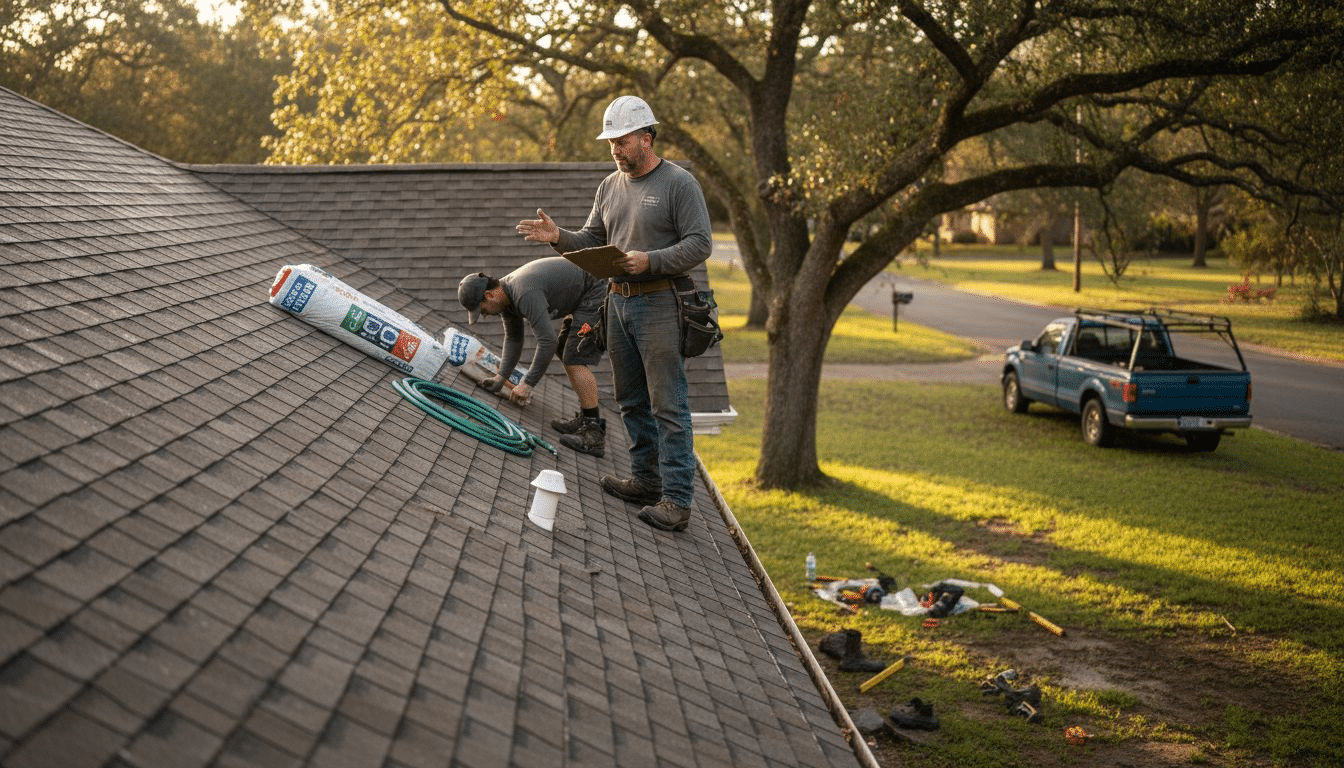
Heavy rain and salt-laden winds are just part of life along the Texas Gulf Coast, but they take a real toll on your roof. When it is time for a new roof in Corpus Christi, carefully planning each step can save you from costly mistakes and future headaches. Whether you are worried about storm recovery, meeting local building codes, or want contractors who understand financing, this guide highlights every critical detail—starting with a thorough assessment and preparation process to protect your biggest investment. Proper roof preparation sets the stage for long-lasting, storm-ready results.
Table of Contents
- Step 1: Assess Roof and Prepare Job Site
- Step 2: Select Materials and Plan Logistics
- Step 3: Remove Old Roofing and Repair Deck
- Step 4: Install New Roofing System Efficiently
- Step 5: Inspect Work and Ensure Quality
Quick Summary
| Key Insight | Explanation |
|---|---|
| 1. Thoroughly Inspect the Roof | Examine your existing roof for damage and deterioration before starting installation to avoid complications. |
| 2. Choose Appropriate Materials | Select roofing materials that fit your budget, aesthetics, and can withstand Corpus Christi’s harsh coastal weather. |
| 3. Clear the Job Site Effectively | Remove obstacles and ensure access for the installation crew to facilitate a smooth roofing process. |
| 4. Document Deck Repairs | Photograph and write down any repairs made to the roof deck to maintain records for warranties and insurance. |
| 5. Conduct Final Inspection | Inspect the completed roof thoroughly with your contractor to confirm quality and adherence to standards before finalizing. |
Step 1: Assess Roof and Prepare Job Site
Before any roofing work begins, you need to thoroughly evaluate your existing roof and prepare the job site for the installation crew. This foundational step determines how smoothly the entire project will run and helps identify any underlying issues that could complicate the installation. Think of it as a pre-flight checklist—you wouldn’t take off without knowing everything is secure, and your roof installation shouldn’t either.
Start by examining the current roof condition from the ground using binoculars or, better yet, have a professional conduct a detailed assessment. Look for visible signs of damage, deterioration, or wear. Check the gutters for accumulated debris, granules from shingles, or standing water. These details tell you whether water is draining properly or pooling in areas where it shouldn’t be. Walk around your property and note any soft spots, missing shingles, sagging areas, or signs of previous leaks inside your attic. If your roof has experienced storm damage from our Corpus Christi coastal weather, document everything carefully. The 2024 International Building Code requires proper roof preparation and adherence to local building codes, ensuring your installation meets all safety and construction standards.
Next, measure your roof dimensions accurately or work with your contractor to verify measurements. Calculate the total square footage—this determines material quantities and labor time. Check for any structural concerns by examining roof decking from inside your attic. Look for water stains, soft spots, or mold growth that indicates previous moisture damage. Pay attention to roof pitch and any unusual angles or features like chimneys, vents, valleys, or skylights. These elements require special attention during installation and affect the overall complexity of the project.
Now focus on preparing the job site itself. Clear your yard and driveway of vehicles, outdoor furniture, and anything else that could get damaged or obstruct the crew’s work. Move trash cans away from the house perimeter and let your neighbors know about the upcoming work so they’re prepared for noise and potential debris. Confirm that the contractor has clear access to water and electricity if needed. Cover any air conditioning units, outdoor outlets, or ground-level utilities with plywood or plastic sheeting. Tell the roofing team where you want them to stage materials and park their equipment.
Inside your home, secure any items in your attic that could be disturbed by vibrations from the installation work. Open a window or two for ventilation since hammering and nail guns create dust and odors. If you have young children or pets, arrange for them to stay away from the work area during active installation days. Finally, take photographs of your current roof’s condition and any problem areas. These become valuable documentation for insurance claims if you’ve experienced storm damage, and they provide a baseline for before and after comparisons.
Pro tip: Schedule your roof inspection during clear weather and coordinate the installation timing to avoid rain forecasts—Corpus Christi’s unpredictable coastal weather means you’ll want several days of dry conditions for the crew to work efficiently and safely.
Step 2: Select Materials and Plan Logistics
Choosing the right roofing materials and planning how everything gets delivered and installed can make or break your project timeline. This step involves understanding what materials work best for Corpus Christi’s coastal environment and ensuring your contractor can manage the logistics smoothly without delays or complications.
Start by working with your contractor to select roofing materials that match your budget, aesthetic preferences, and the specific climate challenges you face. Texas coastal weather means you need materials that can withstand salt spray, intense UV exposure, and the occasional hurricane force winds. Your contractor should present you with options like asphalt shingles, metal roofing, tile, or composite materials, each with distinct advantages. Asphalt shingles offer affordability and ease of installation. Metal roofing provides exceptional durability and reflects heat effectively. Tile and composite materials deliver premium aesthetics and superior longevity. Discuss warranty coverage thoroughly because coastal exposure can shorten material lifespan compared to inland installations. ASTM roofing standards specify the performance requirements and mechanical properties your chosen materials must meet, ensuring they deliver reliable protection for years to come.
Here’s a comparison of popular roofing material options for coastal climates:
| Material Type | Cost Level | Durability in Coastal Areas | Appearance |
|---|---|---|---|
| Asphalt Shingle | Most affordable | Moderate, may weather faster | Traditional look |
| Metal Roofing | Mid to high | Excellent, resists salt & wind | Sleek, modern |
| Tile | High | Superior, heavy and long-lasting | Classic, upscale |
| Composite | Mid-range | Very good, versatile in style | Customizable |
Beyond the roofing surface itself, you’ll need to consider underlayment, insulation, ventilation components, and flashing materials. Underlayment acts as your secondary weather barrier beneath the shingles or roofing layer. Quality underlayment is especially important in our coastal region where wind driven rain can penetrate traditional materials. Insulation thickness affects your energy efficiency and cooling costs during our hot Texas summers. Ventilation materials ensure moisture doesn’t accumulate in your attic, which can lead to mold and structural damage. Flashing around chimneys, vents, and roof penetrations prevents water intrusion at vulnerable points. Your contractor should explain how all these components work together as a complete system.
Now shift focus to logistics planning. Coordinate with your contractor on delivery schedules so materials arrive the day before or morning of installation, not days in advance where they could get damaged by weather or create neighborhood clutter. Confirm exactly what materials will be delivered and verify quantities match your roof measurements. Discuss where the contractor will stage materials to avoid blocking driveways, mailboxes, or utility access points. If you’re financing the project, understand the payment schedule and how material procurement aligns with disbursements. Some contractors require deposits to order materials, while others manage cash flow differently. Get clarity on who’s responsible if materials arrive damaged or if quantities come up short. For roofing systems incorporating multiple components like membranes, insulation, and ventilation, detailed logistics coordination ensures all materials arrive in proper sequence for efficient installation without warranty complications.
Also plan for removal and disposal of your old roofing material. Most contractors include this in their estimate, but confirm whether they’re hauling the old roof to a landfill or recycling facility. Coastal areas sometimes have specific disposal requirements, and some materials may be recyclable. Ask if the contractor will tarp your roof at night or during rain to protect the underlying structure if installation spans multiple days. Understanding these logistical details upfront prevents surprises and keeps your project moving forward smoothly.
Pro tip: _Order materials with a few extra squares in reserve for unexpected waste or future repairs, and request that your contractor provide detailed product names and serial numbers for warranty registration before installation begins.
Step 3: Remove Old Roofing and Repair Deck
Removing your old roof is the heavy lifting part of the installation process, but it’s absolutely essential before new roofing can go down. This phase exposes what’s underneath and gives you a chance to fix any hidden damage that could compromise your new roof’s longevity and performance.
Your roofing crew will start by removing old shingles, flashing, and underlayment down to the roof deck itself. This is physical, dusty work that typically takes one or two days depending on your roof size and complexity. The crew will use shovels and pry bars to strip away layers, working systematically from the top down to avoid damaging the deck structure beneath. All debris gets loaded into a dumpster or onto a truck for hauling away. This is why we emphasized clearing your yard earlier—the sheer volume of old roofing material needs space to be staged safely. Once the deck is exposed, the real inspection begins. Your contractor will carefully examine every square foot of the underlying wood or concrete for soft spots, rot, water damage, or structural issues. Local building codes often require complete removal of old materials to properly evaluate and repair the deck before new roofing installation, ensuring the foundation is structurally sound and ready to support new materials for years to come.
Any compromised deck sections get replaced or reinforced during this phase. If wood decking shows signs of rot from previous water intrusion, those boards are cut out and replaced with new pressure treated lumber that matches the existing deck. Small soft areas might get reinforced with additional plywood sheathing. Metal decking systems receive similar attention, with damaged sections replaced and fasteners checked for security. Your contractor should take photographs of any repairs made so you have documentation for insurance and warranty purposes. Pay attention if your contractor finds extensive rot or structural damage. This could indicate prior leaks or ventilation problems that need addressing separately to prevent the new roof from experiencing the same issues. Repairing roof deck deficiencies before proceeding with new installation prevents water intrusion and structural deterioration, protecting your investment and ensuring the new roofing system performs as designed.
Once deck repairs are complete, the contractor will inspect fasteners, drip edges, and flashing points. Old nail holes get filled or reinforced depending on their location and size. The deck surface gets cleaned of debris, old nail pops get driven back, and any protruding fasteners get driven flush or replaced. In Corpus Christi’s coastal environment, this inspection is particularly important because salt spray and moisture accelerate corrosion of metal fasteners. Your contractor might recommend upgrading to stainless steel fasteners for better longevity, especially if previous installations showed corrosion issues. The deck now becomes a clean, solid foundation ready for underlayment and new roofing materials. This careful preparation step is exactly why you hired professionals instead of attempting this work yourself. The quality of deck preparation directly affects how long your new roof will last and how well it will handle our area’s challenging coastal weather conditions.
Pro tip: _Ask your contractor to document all deck repairs with photos and a written summary of what was replaced or reinforced, then keep these records with your warranty paperwork for future reference if any issues arise.
Step 4: Install New Roofing System Efficiently
This is where your new roof actually goes down. The installation phase transforms all your planning into a finished, weather-tight system that will protect your home for decades. Your roofing crew will work systematically, layer by layer, to build a complete roofing assembly that meets building codes and manufacturer specifications.
The process begins with underlayment installation over the prepared deck. Underlayment acts as a secondary weather barrier, catching any water that gets past your shingles or roofing material. Your crew will roll out underlayment sheets, overlapping them according to specifications and fastening them with cap nails. In Corpus Christi’s coastal climate, quality underlayment becomes your insurance against the wind driven rain that accompanies tropical storms. Next comes flashing installation around any roof penetrations like chimneys, vents, skylights, and valleys. Flashing prevents water from seeping into gaps between your roofing material and these structures. Proper flashing technique is critical because most roof leaks occur at flashing points, not on open roof areas. Your crew will install metal flashing, seal it appropriately, and integrate it with underlayment to create overlapping water shedding layers. Proper fastening techniques and material integration ensure a weather-tight installation while maintaining efficiency and code compliance throughout the system.
With underlayment and flashing in place, your actual roofing material goes down next. Whether you chose asphalt shingles, metal panels, or another material, the installation method varies but the principles remain consistent. The crew works from the bottom up, each row slightly overlapping the one below to shed water properly. Fastening happens according to manufacturer specifications, with the correct number of nails or screws at precise locations. Too few fasteners and your roof won’t hold during high winds. Too many fasteners create unnecessary holes and can damage materials. Your crew knows these specifications because they install roofing regularly and follow best practices that maximize both longevity and installation speed. They’ll maintain consistent nail patterns, proper spacing between material rows, and alignment that keeps everything looking square and professional. In our coastal region where wind speeds can exceed 100 miles per hour during hurricanes, fastening quality directly impacts whether your roof stays intact when severe weather hits.
As material installation progresses, the crew installs ridge caps or trim pieces that finish off the edges and peaks of your roof. These final touches complete the weather-tight seal and give your roof its finished appearance. Your contractor should perform quality checks throughout installation, ensuring every section meets standards before moving forward. Adherence to warranty requirements and quality control steps maintains installation standards while improving efficiency without sacrificing workmanship. The entire installation typically takes one to three days depending on roof size, complexity, and weather conditions. Once complete, your roof gets a final walkthrough inspection where you and your contractor review the work together. This is your chance to ask questions about specific details and confirm everything meets your expectations before signing off on the project. Your crew will clean up debris, remove staging equipment, and leave your property in better condition than they found it.
This table summarizes key steps to ensure a smooth roof installation project:
| Step | Success Factor | Impact if Overlooked |
|---|---|---|
| Site Preparation | Clear access and protection | Delays, property damage |
| Material Verification | Check quantities and condition | Shortages, wasted time |
| Deck Repair | Address all weaknesses | Leaks, premature failures |
| Installation Sequence | Follow manufacturer guidelines | Warranty issues, code violations |
| Final Inspection | Thorough walkthrough and records | Missed defects, no warranty |
Pro tip: Stay home during at least part of the installation day so you can observe the crew’s work quality and address any concerns in real time rather than discovering issues after they’ve left the job site.
Step 5: Inspect Work and Ensure Quality
Now that your roof installation is complete, a thorough inspection verifies that everything meets building codes, manufacturer specifications, and your expectations. This quality assurance step protects your investment and provides documentation that your new roof was installed correctly.
Start your inspection at ground level, walking around your entire home to view the roof from a distance. Look for obvious issues like misaligned shingles, visible gaps at flashing points, or uneven ridge lines. Check that gutters and downspouts are clean and properly positioned to channel water away from your foundation. Move closer to examine shingle alignment and ensure rows are straight and properly overlapped. Look at the edges of your roof where it meets the fascia boards. Fasteners should be driven flush without crushing the shingles. Any protruding nails need to be driven down or replaced. Examine flashing around chimneys, vents, valleys, and any roof penetrations carefully. Flashing should overlap properly with roofing material and be sealed with appropriate sealant. This is where most roof leaks originate, so this inspection deserves your closest attention. Walk around your property and check that all debris has been removed and no nails or metal fragments remain on your driveway or landscaping.

Next, have your contractor conduct a final walk-through with you while pointing out specific installation details and how the system works. Ask questions about anything that concerns you. Request documentation of materials used, including product names and warranty information. Quality assurance inspections verify installation meets building codes and manufacturer instructions, ensuring proper fastener placement, flashing integrity, and workmanship throughout the system. Your contractor should provide a detailed list of what was completed, any deck repairs made, and any issues discovered and resolved during installation. If your roof experienced storm damage prior to this installation, confirm that all damage areas were properly addressed in the repair and installation process. Take your own photographs of the finished roof from multiple angles for your records. These photos become valuable documentation for insurance purposes and provide a baseline for future maintenance decisions.
Pay particular attention to the condition inside your attic after installation. Walk up there with your contractor if safely possible and confirm that no debris was left behind, that ventilation appears clear, and that there are no visible signs of water intrusion or problems. Check for any new light penetration through the roof deck that would indicate gaps or improperly sealed penetrations. If you notice anything questionable, address it immediately before your contractor leaves the job site. Consider hiring an independent roof consultant to verify installation quality if you want additional assurance, particularly if your roof was complex or if you experienced significant prior damage. Expert inspection and assessment ensures roofing work meets quality standards through detailed site reviews and compliance verification. Before signing your final paperwork, confirm that your contractor has provided all warranty documentation, maintenance guidelines, and contact information for future service needs. Understand what your warranty covers and for how long. Most quality roofing installations come with manufacturer warranties on materials and contractor warranties on labor. Keep all documentation organized and accessible for future reference.
Pro tip: Request a written inspection report from your contractor that documents what was completed, materials used, any repairs made to the deck, and warranty coverage details, then file this report with your home records and insurance documents.
Protect Your Home With Expert Roof Installation and Repair Services
Understanding the detailed roof installation workflow is crucial to avoid costly mistakes and ensure long-lasting protection for your home in the challenging Corpus Christi coastal environment. From thorough roof assessment to precise material selection and quality inspections, each step demands professional expertise to withstand storms, salt spray, and intense sun exposure. If you want to eliminate worries about hidden deck damage, improper flashing, or subpar fastening that can lead to leaks and premature roof failure, trusting experienced contractors is essential.
Discover how Buffalo Roofing & Exteriors brings this comprehensive approach to every project, combining skilled craftsmanship with superior materials to deliver roofs built for durability and peace of mind. Whether you need full roof installation, storm damage restoration, or minor repairs our team ensures every step follows industry standards with attention to detail that protects your investment. Don’t wait until you face costly damages. Visit our Roofing Archives | Buffalo Roofing & Exteriors to learn more about our expert services or explore Repairs Archives | Buffalo Roofing & Exteriors for essential maintenance solutions. Start your next project today by getting a free estimate at Buffalo Roofing & Exteriors. Your roof deserves the best care available right now.
Frequently Asked Questions
What are the initial steps for preparing a roof installation project?
Before starting a roof installation project, assess your existing roof condition and prepare the job site. Inspect for visible damage, measure roof dimensions, and ensure clear access for the installation crew. This foundational work will prevent delays and complications during installation.
How can I select the right materials for my roof installation?
To choose the right materials, consult with your contractor about options that suit your budget, aesthetic preferences, and local climate challenges. Consider factors like durability, maintenance requirements, and warranty coverage to ensure your new roof withstands weather conditions effectively.
What should I expect during the old roofing removal process?
During the old roofing removal, your crew will strip away all layers down to the roof deck, typically taking one to two days based on size and complexity. Ensure your yard is clear for staging debris and confirm that your contractor checks the deck for underlying damage before new materials are installed.
What steps are involved in the actual installation of the new roofing system?
The installation involves laying down underlayment, followed by flashing and then the roofing material itself. Your crew will fasten each layer according to manufacturer specifications to ensure a weather-tight seal. Maintain communication with your contractor during this phase to address any concerns immediately.
How do I conduct a quality inspection of my completed roof installation?
Inspect your completed roof from the ground and up close for alignment, flashing integrity, and cleanliness of the work area. Schedule a final walk-through with your contractor to discuss the installation details and verify that all components meet standards. Document any issues and ensure warranty information is provided.
What should I do if I find issues during my roof inspection?
If you discover issues during your inspection, address them immediately with your contractor to ensure they are rectified before finalizing any paperwork. Request documentation of all completed work, including repairs made, to maintain a clear record for future reference.
Recommended
- Step by Step Roof Repair Guide for Homeowners
- New Roof | Buffalo Roofing & Exteriors | San Antonio to Corpus Christi, TX
- Roofing Warranty Explained: Protecting Texas Homes
- How to Spot and Fix Roof Leaks Before They Lead to Major Damage | Buffalo Roofing & Exteriors | San Antonio to Corpus Christi, TX
- Roofing Services in Corpus Christi TX