TL;DR:
- The cost of a new roof in Texas ranges from $8,000 to $25,000, depending on materials, size, location, and regulations. Impact-resistant Class 4 shingles offer long-term value through insurance discounts and durability, making them a popular choice. Homeowners should verify contractor insurance, consider timing, and plan for regulatory requirements to control costs effectively.
A new roof in Texas costs between $8,000 and $25,000 for most homes, with the final number shaped by material choice, roof size, local labor rates, and regional insurance requirements. The cost of new roof Texas projects varies more than most homeowners expect because Texas spans wildly different climate zones, building codes, and insurance environments. A standard architectural asphalt shingle replacement on a 2,000-square-foot home runs $10,000 to $18,000, while metal roofing can push $20,000 to $45,000. Understanding what drives those numbers puts you in control before you call a single contractor.
What factors determine roofing costs in Texas?
Several variables combine to set your final price, and none of them work in isolation.
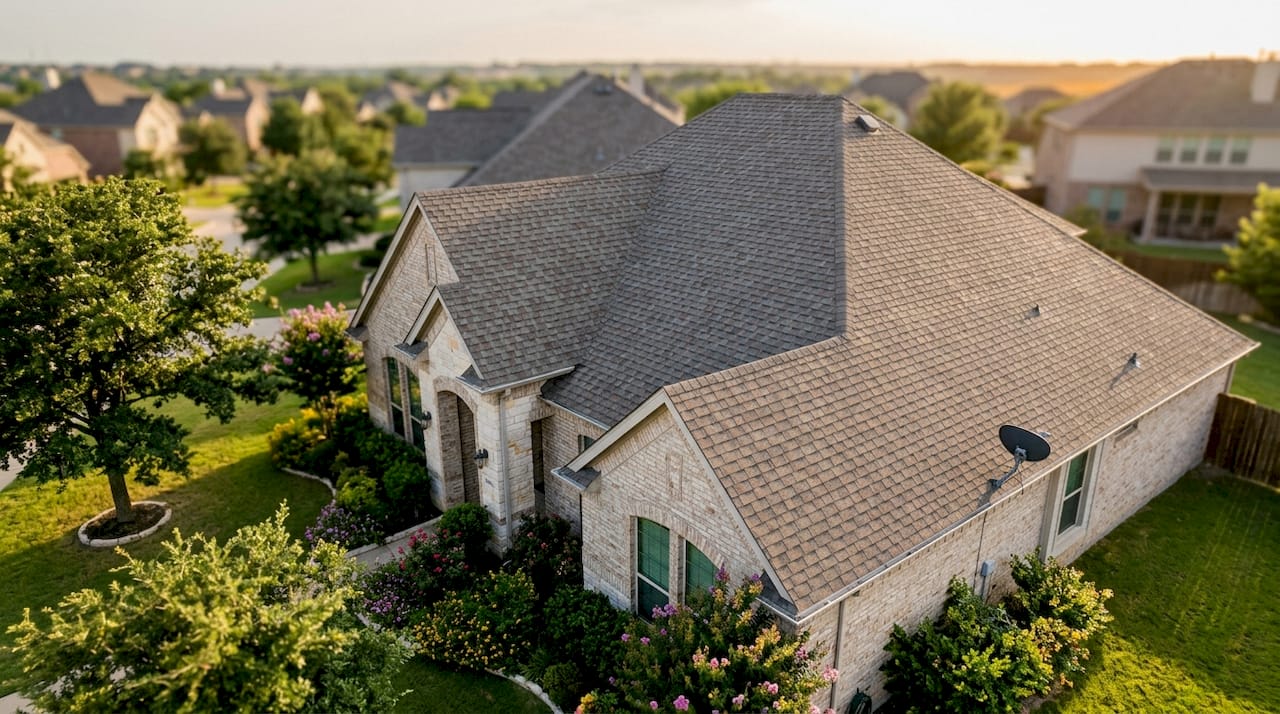
Material type is the biggest single driver. Architectural asphalt shingles sit at the lower end of the price range. Class 4 impact-resistant shingles cost 5–10% more in materials but qualify for wind and hail insurance discounts that often recover that premium within a few years. Metal roofing costs the most upfront but lasts the longest.
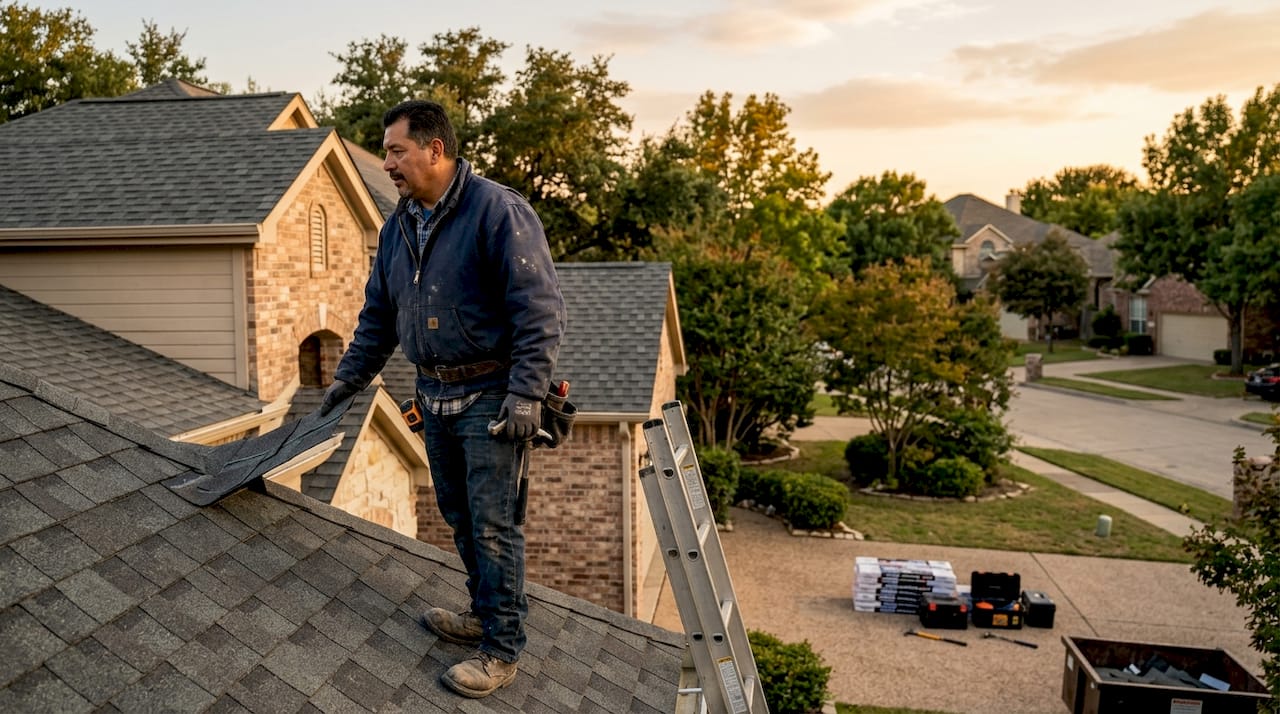
Roof size, pitch, and complexity directly affect labor hours. A steep or multi-gabled roof takes longer to work on safely, which raises the crew cost. A flat or low-slope roof on a single-story home is faster and cheaper to complete.
Location within Texas adds another layer. Coastal counties near Corpus Christi face stricter installation requirements tied to windstorm insurance. Urban markets like Austin and Dallas carry higher labor rates than rural areas.
A complete roofing bid should include these components:
- Full tear-off of existing shingles
- Synthetic or felt underlayment
- Drip edge and step flashing
- Ridge cap and ventilation upgrades
- Debris hauling and disposal
- Building permit fees
Hidden costs catch many homeowners off guard. Rotted decking discovered during tear-off adds $2–$5 per square foot for replacement. Flashing around chimneys or skylights often needs full replacement. These items rarely appear in a base quote.
Post-storm demand surges in Texas can push labor and material costs up by 10–20% due to contractor availability constraints. Scheduling your replacement outside a major storm season gives you better pricing and more contractor options.
Pro Tip: Ask every contractor to include a decking replacement allowance in the written bid. Agreeing on a per-sheet price before work starts prevents surprise invoices mid-project.
How do roofing material choices affect total cost and value?
Material selection shapes both your upfront cost and your long-term expenses, including insurance premiums.
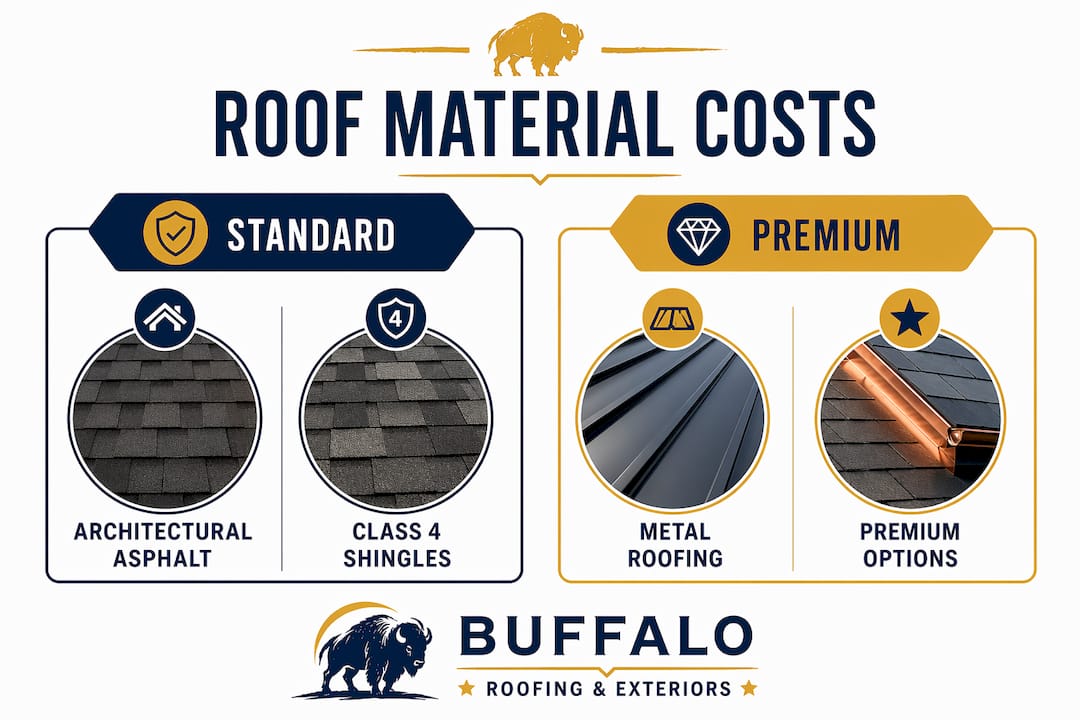
Standard architectural asphalt shingles
Architectural shingles are the baseline choice for most Texas homeowners. They cost less per square than premium options and install quickly. Their lifespan runs 20–30 years under normal Texas conditions, though intense heat and hail exposure can shorten that window. They work well for homeowners prioritizing lower upfront cost over long-term savings.
Class 4 impact-resistant shingles
Class 4 shingles are rated under UL 2218 testing, which means they withstand a 2-inch steel ball dropped from 20 feet without cracking. That rating matters in Texas, where hail events are frequent and severe. Class 4 roofs last 30–40+ years compared to 20–30 years for standard shingles. The insurance discount alone can offset the material premium over time, making them a strong financial choice for hail-prone areas. Learn more about impact-resistant shingle benefits before you decide.
Metal and premium roofing
Metal roofing runs $20,000 to $45,000 for a typical Texas home. That higher price buys a 40–70 year lifespan, strong wind resistance, and lower maintenance costs. Tile roofing offers similar durability with a distinctive look, though it requires reinforced roof framing and adds structural cost. Both options suit homeowners who plan to stay in the home long-term and want to minimize future replacement cycles.
| Material | Approx. cost (2,000 sq ft home) | Lifespan | Insurance benefit | Best for |
|---|---|---|---|---|
| Architectural asphalt | $10,000–$18,000 | 20–30 years | Standard | Budget-focused homeowners |
| Class 4 impact-resistant | $11,000–$20,000 | 30–40+ years | Wind/hail discounts | Hail-prone areas |
| Metal roofing | $20,000–$45,000 | 40–70 years | Varies by insurer | Long-term value seekers |
| Tile roofing | $25,000+ | 40–50 years | Varies | Premium aesthetics |
Proper attic ventilation is mandatory in Texas, not optional. Without it, extreme heat and humidity accelerate shingle aging regardless of which material you choose.
Pro Tip: If your insurer offers a Class 4 discount, request the exact percentage in writing before signing a roofing contract. Some discounts reach 20–30% on the wind/hail portion of your premium, which changes the math on material upgrades significantly.
What regional and regulatory factors affect roofing costs in Texas?
Texas is not a uniform market. Where you live inside the state changes what your roof costs and what it must include.
- TWIA coastal county requirements. Homeowners in counties covered by the Texas Windstorm Insurance Association must obtain a WPI-8 Certificate. These inspections add $800–$2,500 to the project cost and require installation by TDI-approved contractors following specific coastal procedures. Skipping this step voids your windstorm coverage.
- Building permit fees by city. Permit costs vary across Texas. Houston charges $75–$250, Dallas runs $100–$300, San Antonio falls between $50–$200, and Austin sits at $75–$250. Rural areas sometimes exempt minor repairs, but full replacements almost always require a permit. Your contractor should pull the permit as part of the project scope.
- No statewide contractor licensing. Texas lacks a statewide roofing contractor licensing system. That means anyone can legally call themselves a roofer. You must verify general liability insurance, workers’ compensation coverage, and any local bond requirements on your own before signing a contract.
- Wind and hail deductibles. Most Texas property insurance policies use percentage-based deductibles for wind and hail claims. On a $300,000 insured home, a 1–2% deductible means $3,000–$6,000 out of pocket before insurance pays anything. Factor that number into your budget before assuming insurance covers most of the bill.
- Layover restrictions. Layover roofing is discouraged or illegal in many Texas cities. Installing new shingles over old ones voids manufacturer warranties and hides decking damage that will worsen over time. Always confirm your bid specifies a full tear-off.
How can homeowners finance a new roof and manage costs effectively?
Roofing costs are manageable with the right payment strategy. Most Texas homeowners use one of these approaches:
- Out-of-pocket payment works best for smaller projects or homeowners with savings set aside for home maintenance.
- Insurance claims cover storm-related damage after your deductible. Use the roof insurance claim checklist to document damage thoroughly before your adjuster visits.
- Contractor financing plans spread the cost over months or years. Buffaloroofingandexteriors offers roofing financing options that make upgrades like Class 4 shingles accessible without a large upfront payment.
- Home equity loans or lines of credit provide lower interest rates than personal loans for homeowners with sufficient equity.
Timing your project also affects cost. Scheduling outside peak storm season improves contractor availability and avoids the 10–20% price surge that follows major hail or hurricane events.
Before signing any contract, ask these questions:
- Does the bid include full tear-off and disposal?
- What is the per-sheet price for decking replacement if damage is found?
- Does the scope include ventilation upgrades and new flashing?
- What manufacturer warranty applies, and what voids it?
Pro Tip: Get at least three written bids. If one quote is significantly lower than the others, ask the contractor to walk you through exactly what is and is not included. Low bids usually skip ventilation, flashing, or decking allowances.
How to interpret and compare roofing estimates for Texas homes
Reading a roofing estimate correctly separates a fair deal from a costly mistake.
Roofing is priced by the “square,” which equals 100 square feet of roof surface. Your roof area is always larger than your home’s interior square footage because of pitch and overhangs. A 2,000-square-foot home typically has 2,200–2,600 square feet of actual roof surface. Contractors who quote by interior square footage are underestimating the scope.
A complete proposal should specify:
- Shingle brand, product line, and color
- Underlayment type (synthetic or felt) and weight
- Tear-off method and disposal plan
- Flashing replacement scope (step, counter, and drip edge)
- Ventilation system details (ridge vents, soffit vents, or power ventilators)
- Decking repair allowance per sheet
- Manufacturer warranty terms and contractor workmanship warranty
The lowest bid rarely covers all these components. A bid missing ventilation or flashing details will generate change orders that push the final cost above a more complete competitor’s quote.
Verify contractor credentials before signing. Confirm active general liability insurance with at least $1,000,000 per occurrence, workers’ compensation coverage for all crew members, and any local registration required by your city. Ask for the certificate of insurance directly from the insurer, not a copy from the contractor.
Key takeaways
The cost of a new roof in Texas depends on material choice, roof size, location, and regulatory requirements, with Class 4 impact-resistant shingles offering the strongest long-term value for most Texas homeowners.
| Point | Details |
|---|---|
| Average cost range | Most Texas homes pay $10,000–$18,000 for architectural shingles; metal roofing runs $20,000–$45,000. |
| Class 4 shingle value | A 5–10% material premium earns insurance discounts and a 30–40+ year lifespan. |
| Coastal surcharges | TWIA counties add $800–$2,500 for WPI-8 inspections and code-compliant installation. |
| Contractor vetting | Texas has no statewide licensing; always verify insurance and local bond requirements independently. |
| Timing matters | Avoiding post-storm demand periods saves 10–20% on labor and material costs. |
What I’ve learned after years of Texas roofing projects
The number homeowners fixate on is the total bid price. The number that actually determines satisfaction is what the bid includes.
I have seen homeowners choose the lowest quote and end up paying more than the highest original bid once change orders for decking, flashing, and ventilation hit. A detailed scope document is worth more than a low number on a cover page.
Class 4 shingles make strong financial sense for most Texas homeowners, not just those on the coast. Hail events reach deep into central Texas, and the insurance premium savings compound over a 30-year roof life. The upfront premium is real. The long-term math usually favors the upgrade.
One thing most articles skip: ventilation is not a line item to cut. Texas attic temperatures can exceed 150°F in summer. Without proper ridge and soffit ventilation, even premium shingles age prematurely. Budget for it from the start.
Finally, coordinate your insurance claim before you sign a contract. Adjusters and contractors sometimes disagree on scope. Having a contractor present during the adjuster visit, or getting a public adjuster involved on larger claims, often results in a more complete settlement. Timing your replacement to coincide with a claim cycle, rather than reacting to storm pressure, gives you the clearest picture of your actual out-of-pocket cost.
— Results
Buffaloroofingandexteriors: roofing expertise built for Texas homeowners
Texas roofing is not a one-size-fits-all project, and Buffaloroofingandexteriors treats it that way. Based in Corpus Christi with offices in San Antonio and Victoria, the team handles everything from standard shingle replacements to TWIA-compliant coastal installations and full storm damage restoration.
Every estimate from Buffalo Roofing and Exteriors covers tear-off, ventilation, flashing, and decking allowances in writing, so you know exactly what you are getting before work starts. The team also supports insurance claims and installs Class 4 impact-resistant shingles for homeowners looking to reduce future premiums. Flexible roofing financing options make it possible to upgrade your roof without waiting for the perfect budget moment. Request a free estimate and get a clear, complete picture of your project cost.
FAQ
What is the average cost of a new roof in Texas?
Most Texas homeowners pay $10,000–$18,000 for a standard architectural asphalt shingle replacement on a 2,000-square-foot home. Metal roofing ranges from $20,000 to $45,000 depending on material and complexity.
Do Class 4 shingles lower insurance premiums in Texas?
Yes. Class 4 impact-resistant shingles qualify for wind and hail insurance discounts that often offset the 5–10% material cost premium within a few years, particularly in hail-prone Texas regions.
What is a WPI-8 Certificate and who needs one?
A WPI-8 Certificate is required for homeowners in TWIA coastal counties to maintain windstorm insurance coverage. The inspection and compliance process adds $800–$2,500 to the total roofing cost.
Why does Texas have no statewide roofing license requirement?
Texas does not operate a statewide roofing contractor licensing board, so licensing requirements vary by local jurisdiction. Homeowners must verify each contractor’s insurance, workers’ compensation, and local bond status independently before hiring.
When is the best time to replace a roof in Texas to save money?
Scheduling a roof replacement outside peak storm season avoids post-storm demand surges that can raise labor and material costs by 10–20%. Late fall and winter typically offer better contractor availability and more stable pricing.