TL;DR:
- Metal roofing and siding provide superior storm resistance, energy efficiency, and lifespan for coastal properties. Proper attachment systems and material choices are crucial for maximizing storm protection and durability against harsh weather conditions.
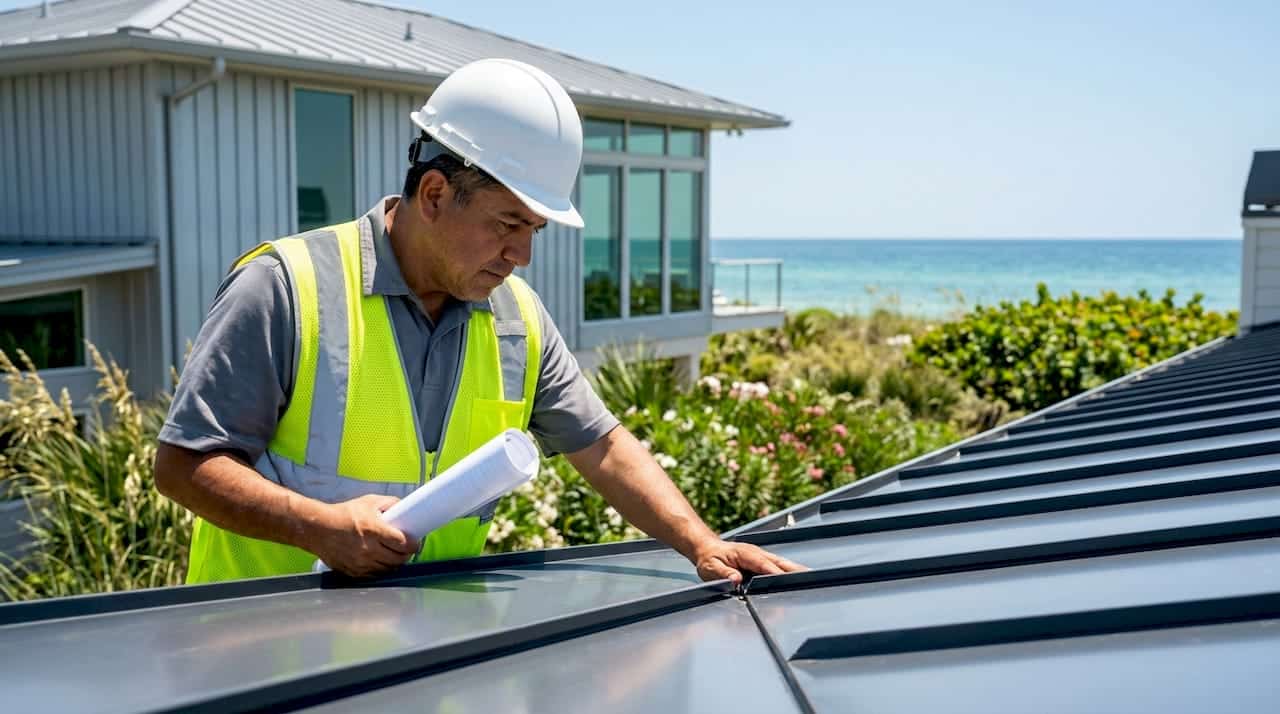
Metal roofing and siding are defined as exterior cladding systems made from steel, aluminum, or coated alloys that deliver measurably superior storm resistance, energy efficiency, and lifespan compared to asphalt shingles or vinyl siding. For homeowners and property managers along the Gulf Coast and other storm-prone regions, these systems are not a luxury upgrade. They are a structural defense. Metal panels achieve Class 4 impact resistance under UL 2218, resisting 2-inch steel ball impacts, and reflective coatings reduce solar heat gain by 25–70%. Buffaloroofingandexteriors installs these systems across Corpus Christi, San Antonio, and Victoria, where coastal conditions demand every performance advantage metal provides.
How does metal roofing and siding compare to traditional materials?
Standing seam metal roofs installed in 2026 cost $8.00–$16.00 per square foot and last 40–70 years. Asphalt shingles, by contrast, typically last 15–25 years and require full replacement at least twice during a metal roof’s lifespan. That replacement cycle adds up fast in both labor and materials.
The long-term math favors metal clearly. Metal roofs save $5,000–$12,000 over 25 years when you factor in maintenance costs, energy savings of 10–25%, and insurance premium discounts of 5–35%. That figure does not include avoided storm damage repairs, which can run into tens of thousands of dollars after a single hurricane.
Steel tariffs in early 2026 increased metal roofing costs by 12–18%, adding $3,000–$5,000 to a typical 2,000 square foot standing seam installation. Despite that price increase, the long-term economics remain favorable because you eliminate re-roofing cycles for 40 or more years.
Steel siding options and aluminum siding alternatives also outperform vinyl and wood in storm conditions. Vinyl cracks under impact and warps in extreme heat. Wood rots, requires repainting every 5–7 years, and is vulnerable to moisture intrusion after storm damage. Metal siding holds its shape, resists impact, and does not absorb water.
Key performance differences at a glance:
- Lifespan: Metal roofing lasts 40–70 years; asphalt shingles last 15–25 years
- Wind resistance: Standing seam systems withstand up to 180 mph; standard shingles fail well below that
- Impact rating: Metal panels reach UL 2218 Class 4; most shingles reach Class 3 at best
- Energy performance: Metal reflects 25–70% of solar energy; shingles reflect only 5–25%
- Maintenance: Metal requires minimal upkeep; wood siding demands regular painting and sealing
What materials and coatings work best in coastal and storm environments?
The substrate you choose matters as much as the panel profile. Galvalume steel, a zinc-aluminum alloy coating over steel, performs well in most storm-prone areas. Aluminum is the better choice for properties within 1,500 feet of saltwater. Aluminum’s self-healing oxide layer protects against salt spray corrosion, though it costs 15–25% more than Galvalume and is structurally softer.
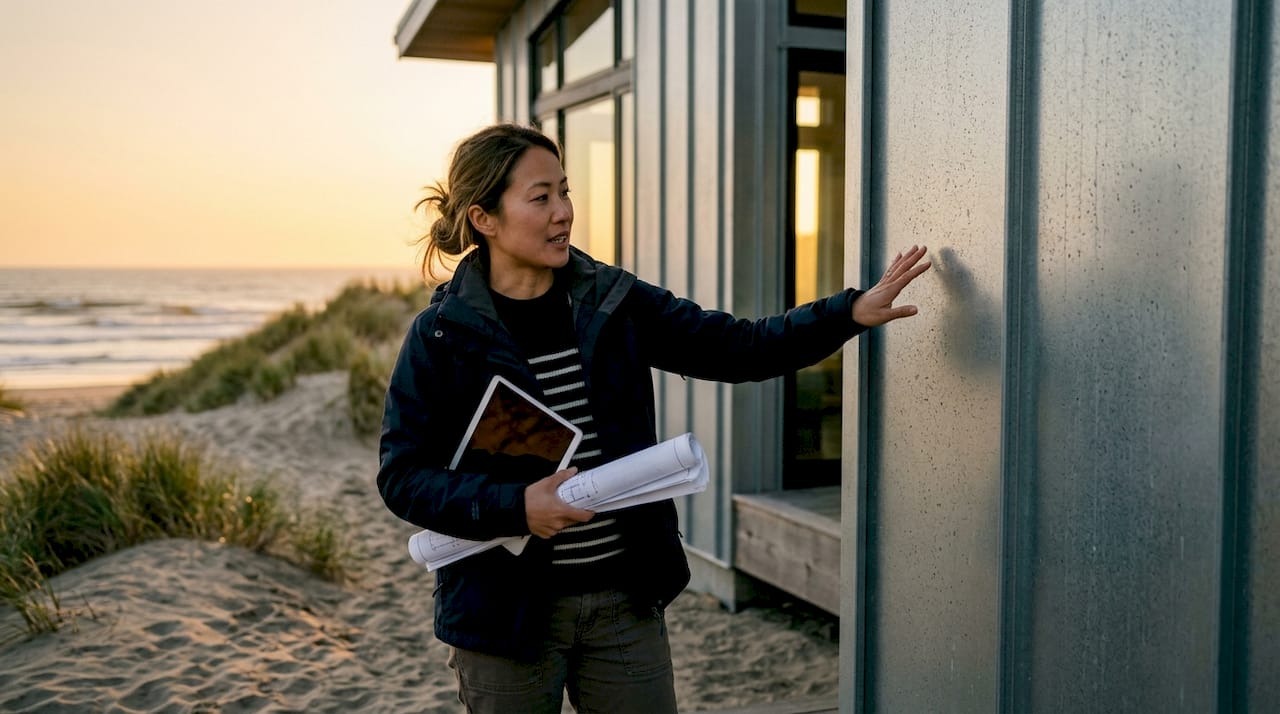
For coastal Texas homes in Corpus Christi or along the barrier islands, aluminum siding advantages extend beyond corrosion resistance. Aluminum does not rust, holds paint well with the right primer system, and weighs less than steel, which reduces structural load. The tradeoff is dent resistance. Galvalume steel at 24-gauge or 22-gauge handles hail and wind-driven debris better than aluminum of comparable thickness.
Coating selection determines how long your panels look and perform. PVDF paint systems, sold under brand names like Kynar 500 and Hylar 5000, outperform SMP coatings in color retention, chalk resistance, and corrosion protection. PVDF is the industry standard for coastal and high-UV environments. SMP coatings cost less upfront but fade faster and carry shorter warranties.
Gauge and coating recommendations for storm-prone coastal areas:
- 24-gauge steel: Standard for most residential metal roofing in hurricane zones
- 22-gauge steel: Recommended for coastal properties within 30 miles of the coast
- PVDF coating: Required for long-term color and corrosion performance in salt air
- Aluminum panels: Best choice within 1,500 feet of saltwater exposure
- Galvalume steel: Suitable for inland storm-prone areas with strong hail risk
Pro Tip: Ask your installer for the actual gauge certification on the panels before installation. Some suppliers label panels as “24-gauge equivalent” but deliver thinner material. Verify the spec sheet.
For more on coastal roofing material selection, Buffaloroofingandexteriors has detailed guidance specific to Texas Gulf Coast conditions.
What installation factors determine storm resistance and longevity?
The metal panel is rarely the weak point in a storm. The primary failure point is the attachment system. Exposed-fastener systems use screws that penetrate the panel face, creating potential leak points and stress concentrations that fail at wind speeds around 100 mph. Standing seam systems with concealed clips eliminate exposed fasteners entirely.
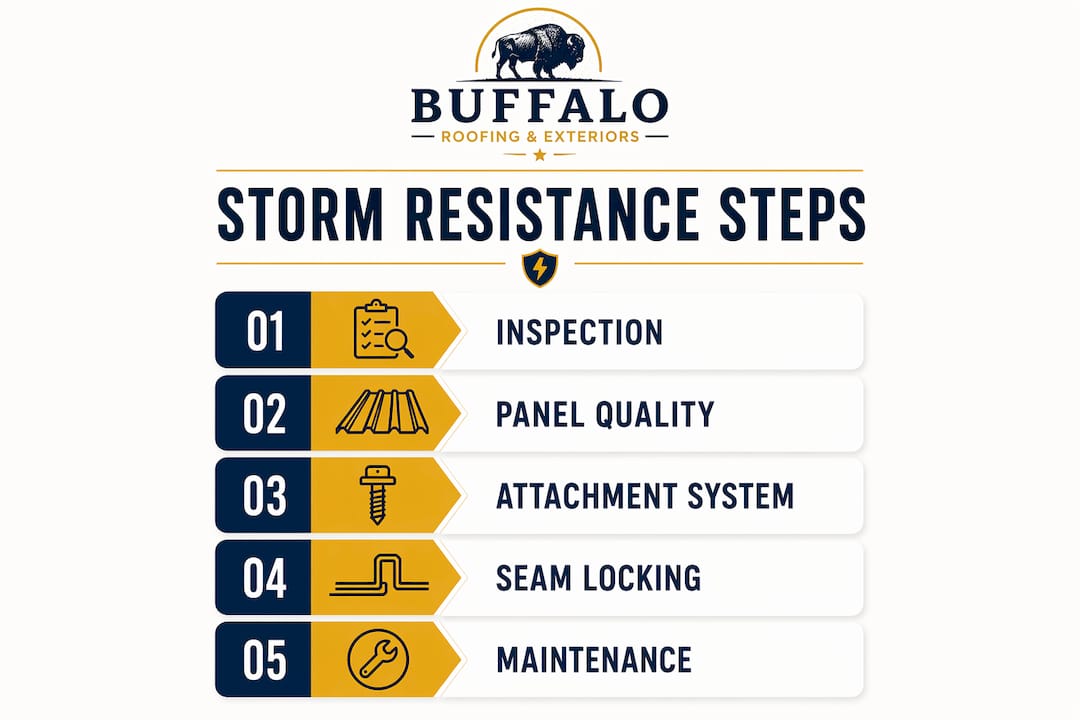
Standing seam metal roofs use a mechanical locking seam and concealed clips that allow the panel to float as temperature changes cause expansion and contraction. This design also creates superior resistance to wind uplift. Standing seam systems withstand wind speeds up to 180 mph, surpassing Category 4 hurricane levels. That performance depends entirely on correct clip spacing and proper deck attachment.
Roof deck fastening is the second critical factor. Ring-shank nails at specified spacing are required to ensure the metal roof system stays anchored to the structure during hurricane-force winds. If the deck fails, the entire roof assembly goes with it regardless of how good the panels are. FORTIFIED standards and the Florida Building Code both specify deck nailing requirements that apply directly to Texas coastal construction.
Installation steps that determine storm performance:
- Verify the roof deck uses ring-shank nails at code-specified spacing before any metal installation begins
- Select standing seam panels with concealed clips rated for the local design wind speed
- Confirm clip spacing matches the manufacturer’s engineering data for your wind zone
- Use 22-gauge or 24-gauge steel panels based on proximity to the coast
- Apply PVDF-coated panels in coastal environments to prevent coating failure that leads to corrosion
- Schedule a post-installation inspection to confirm seam engagement and flashing details
Pro Tip: Request the manufacturer’s FM or UL wind uplift test report for the specific panel and clip combination being installed. A panel rated at 180 mph with one clip spacing may perform far differently at another spacing.
Regular maintenance sustains that performance over decades. Inspect flashings and sealants every 2–3 years. Clear debris from valleys and gutters after every major storm. Check for any fastener backout on exposed-fastener sections if your system uses them. Buffaloroofingandexteriors offers metal roof repair services in Corpus Christi to address these maintenance needs before they become structural problems.
How much can metal roofing save on energy costs and insurance?
Metal roofing reflects 25–70% of solar energy compared to 5–25% for asphalt shingles. That difference translates directly into lower air conditioning loads in hot climates like South Texas. Typical annual cooling savings range from $50–$150 depending on roof size, insulation, and local climate.
Cool-roof coatings on metal panels frequently qualify for ENERGY STAR certification. That certification matters for two reasons. First, it confirms the panel meets tested reflectivity and emittance thresholds. Second, it can qualify your project for federal tax credits and utility rebates that reduce the upfront metal roofing cost. Pairing a reflective metal roof with solar panels amplifies both benefits. Metal roofs are ideal for solar installations because they last longer than the panels themselves, and solar panel integration on metal roofs does not void the roofing warranty when installed correctly with standing seam clamps rather than penetrating fasteners.
Insurance savings add another financial layer. Metal roofing reduces homeowners insurance premiums by 5–35% in Texas and coastal states due to superior storm protection ratings. Over 30 years, those discounts total $3,000–$10,000 for most homeowners. To capture these discounts, request a re-rating from your insurer after installation and provide the UL 2218 Class 4 impact rating documentation and wind resistance test reports.
For more on energy-saving roofing upgrades specific to coastal homes, Buffaloroofingandexteriors covers the full range of options available in the Texas Gulf Coast market.
How do you choose the right metal roofing and siding for your property?
Location drives the first decision. Properties within 1,500 feet of saltwater need aluminum panels. Properties farther inland in hurricane zones can use 24-gauge Galvalume steel with PVDF coating. Your local wind speed design requirement, found in ASCE 7 tables for your county, sets the minimum wind rating your system must meet.
Upfront cost versus long-term value is the second consideration. Metal roof installation costs more than asphalt shingles at the outset, but the 40–70 year lifespan eliminates the two or three re-roofing cycles you would otherwise pay for. Factor in energy savings and insurance discounts, and the total cost of ownership favors metal in most storm-prone markets.
Contractor qualification matters more than most homeowners realize. Ask for proof of manufacturer certification for the specific panel system being installed. Manufacturer certifications ensure the installer knows the correct clip spacing, seam engagement, and flashing details. A poorly installed metal roof performs no better than a cheap one. Buffaloroofingandexteriors holds the product knowledge and local code familiarity required for coastal Texas installations.
Checklist for selecting metal roofing and siding:
- Confirm the panel’s wind uplift rating meets your county’s design wind speed
- Verify the installer is manufacturer-certified for the specific panel system
- Request PVDF coating documentation and warranty terms in writing
- Check whether the system qualifies for ENERGY STAR and local utility rebates
- Review HOA or municipal guidelines on panel profiles and colors before ordering
- Ask about financing options to spread the upfront cost over time
Key Takeaways
Metal roofing and siding deliver superior storm resistance, energy savings, and long-term cost advantages over traditional materials when the right substrate, coating, and attachment system are selected for the local environment.
| Point | Details |
|---|---|
| System design determines performance | Gauge, substrate, coating, and clip attachment must match local wind and corrosion conditions. |
| Standing seam outperforms exposed fastener | Concealed clip systems withstand up to 180 mph; exposed fastener systems fail near 100 mph. |
| Aluminum beats Galvalume near saltwater | Properties within 1,500 feet of the coast need aluminum panels for corrosion resistance. |
| PVDF coating is non-negotiable in harsh climates | Kynar 500 and Hylar 5000 systems outperform SMP in color retention and corrosion protection. |
| Insurance and energy savings offset cost | Premium discounts of 5–35% and cooling savings of 10–25% reduce total ownership cost significantly. |
Why the attachment system is the detail most homeowners miss
After years of working on roofs along the Texas Gulf Coast, the pattern I see most often is this: a homeowner invests in quality metal panels and then watches the system fail in a storm because the attachment was wrong. The panel itself almost never fails. The clip spacing, the deck nailing, the flashing at the ridge. Those are where storms find the gap.
The industry talks a lot about gauge and coating, and those matter. But a 22-gauge PVDF panel installed with incorrect clip spacing will underperform a 24-gauge panel installed correctly every single time. The engineering data exists. The test reports exist. The problem is that not every installer reads them or follows them.
My honest recommendation: before you sign any contract, ask the installer to show you the FM or UL wind uplift test report for the exact panel and clip combination they plan to use. If they cannot produce it, that tells you everything. The storm protection benefits of metal roofing are real, but only when the system is designed and installed as a complete assembly, not just a collection of good-looking panels.
— Results
Metal roofing and siding services from Buffaloroofingandexteriors in coastal Texas
Buffalo Roofing and Exteriors serves homeowners and property managers across Corpus Christi, San Antonio, and Victoria with metal roofing and siding installations built for Gulf Coast conditions. The team understands local wind zone requirements, coastal corrosion risks, and the specific code standards that apply to storm-prone Texas properties.
Every project starts with a free estimate and includes guidance on material selection, coating options, and available financing. You can view completed metal roofing projects in the project gallery to see the quality of work firsthand. For coastal Texas homeowners ready to replace aging shingles or deteriorating siding, Buffaloroofingandexteriors provides the product knowledge and installation expertise to get it right the first time. Contact the team for a quote or visit the Robstown service area page for local coverage details.
FAQ
What is the lifespan of metal roofing and siding?
Metal roofing lasts 40–70 years, and metal siding has a comparable lifespan with proper coating maintenance. Both significantly outlast asphalt shingles and vinyl siding, which typically require replacement every 15–25 years.
How much does metal roof installation cost in 2026?
Standing seam metal roof installation costs $8.00–$16.00 per square foot in 2026, with steel tariffs adding $3,000–$5,000 to a typical 2,000 square foot project. The long-term savings in energy costs, maintenance, and insurance premiums offset the higher upfront price.
Does metal roofing reduce homeowners insurance premiums?
Metal roofing reduces insurance premiums by 5–35% in Texas and coastal states due to its Class 4 impact rating and high wind resistance. Provide your insurer with UL 2218 documentation and wind test reports to trigger a re-rating after installation.
What gauge steel is best for hurricane zones?
24-gauge steel is the standard for most residential hurricane-zone installations, and 22-gauge steel is recommended for coastal properties within 30 miles of the coast. Thicker gauge panels resist wind-driven debris and hail more effectively.
Is aluminum or steel siding better for coastal homes?
Aluminum is the better choice for homes within 1,500 feet of saltwater because its natural oxide layer resists salt spray corrosion without additional treatment. Galvalume steel performs well farther inland but requires PVDF coating to maintain corrosion resistance in high-humidity coastal environments.