

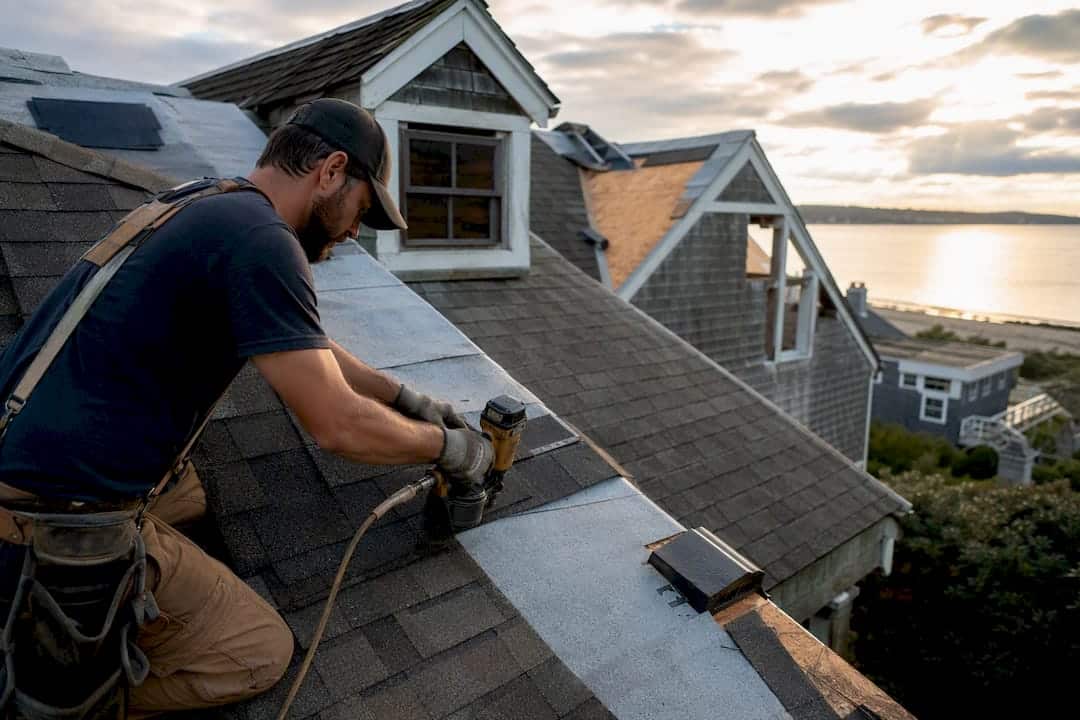
Most San Antonio homeowners pay for a full roof replacement, with a typical 2,000 square foot home costing in the lower to mid-range for quality architectural shingles. The exact number moves fast depending on material, and that’s where the real decision lies.
Standard asphalt sits at the low end, standing seam metal and clay tile push toward the top, and Class 4 impact-resistant shingles land in the middle while doing something the others can’t: they usually qualify for a homeowners insurance discount under Texas Department of Insurance guidance. For most homes here, that combination of storm durability and a lower annual premium makes Class 4 architectural shingles the default recommendation, not just an upgrade.
- Asphalt (standard/architectural): costs start at the lower price range for typical homes
- Class 4 impact-resistant shingles: priced moderately higher than standard asphalt
- Standing seam metal: commands a premium price reflecting its durability
- Clay or concrete tile: typically is the most expensive material option
Pro Tip: Ask every contractor to quote Class 4 shingles alongside standard architectural shingles on the same bid. The price gap is often smaller than homeowners expect once the insurance discount gets factored into year one.
Key Takeaways
Roof replacement cost in San Antonio depends far more on material class and roof complexity than on the size of the house alone, and Class 4 shingles usually offer the best balance of upfront cost and long-term insurance savings.
| Point | Details |
|---|---|
| Typical cost range | Most San Antonio homes run $9,300 to $22,000 for a full reroof, depending on material and complexity. |
| Material drives the budget | Asphalt starts around $4.24 per square foot; tile and metal can exceed $18 per square foot installed. |
| Permits are mandatory | BuildSA Re-Roof permits cost roughly $100 to $300 and process in one to two business days for most homes. |
| Historic districts add time | Preservation review adds 30 to 45 days and often 10% to 30% in material costs. |
| Class 4 shingles pay back | UL 2218 rated shingles often qualify for an insurance discount that offsets the upgrade cost within years. |
| Get comparable bids | Buffaloroofingandexteriors provides itemized written estimates covering material, permits, and warranty terms for San Antonio homeowners. |
Table of Contents
- What Determines Roof Replacement Cost in San Antonio?
- What Does a New Roof Cost by Home Size and Neighborhood?
- What Permits, Insurance Discounts, and HOA Rules Cost You
- How to Get Accurate Roofing Quotes and Vet a Contractor
- What’s the Typical Timeline and Payment Structure?
- Why Buffalo Roofing & Exteriors Handles San Antonio Reroofs Differently
- What San Antonio Homeowners Get Wrong About Roof Pricing
- A Straightforward Way to Get Your Roof Replacement Started
- Frequently Asked Questions
- Sources
What Determines Roof Replacement Cost in San Antonio?
Every roofing quote breaks down into the same handful of variables, and once you know them, you can read a bid instead of just trusting it. The base unit contractors use is the “square,” which equals 100 square feet of actual roof surface, not floor space. A 1,800 square foot single-story home with a simple gable roof might only need 20 squares. The same footprint with dormers, valleys, and a steep pitch could run 26 to 28 squares because the roof surface is bigger than the floor plan below it and there’s more waste at cuts and seams.

Pitch changes the labor bill more than most homeowners expect. A roof under a 4:12 slope is walkable without much extra gear, but anything steeper than 7:12 requires harnesses, roof jacks, and a slower, more careful crew. Complexity multiplies it further. Roofs with multiple valleys, chimneys, skylights, and dormers take longer to flash correctly and generate more waste material.
Installed cost bands by material
Local contractor pricing consistently shows these installed cost bands per square foot for San Antonio homes:
- Architectural asphalt shingles: roughly $4.24 to $6.36 per square foot installed, covering materials, standard underlayment, and typical labor.
- Class 4 impact-resistant shingles: roughly $5.40 to $8.64 per square foot, reflecting thicker rubberized asphalt mats rated to UL 2218 impact standards.
- Standing seam metal: roughly $8.40 to $14.70 per square foot, driven by panel material cost and specialized installation labor.
- Clay or concrete tile: roughly $10.50 to $18.90 per square foot, the highest band due to weight, structural bracing needs, and slower installation.
Metal costs two to three times more upfront than asphalt but commonly lasts 40 to 70 years against 20 to 30 for architectural asphalt, which changes the math for anyone planning to stay in the home long term.
Tear-off versus overlay is another fork in the price. A tear-off strips the old roof down to decking, hauls away debris, and lets the installer inspect and repair the substrate. An overlay lays new shingles over the old layer, which saves money upfront but is barely used in San Antonio anymore because most homes here already carry one layer and code limits how many layers can stack. Disposal fees for a tear-off typically run $30 to $75 per square depending on dump distance and roof size.
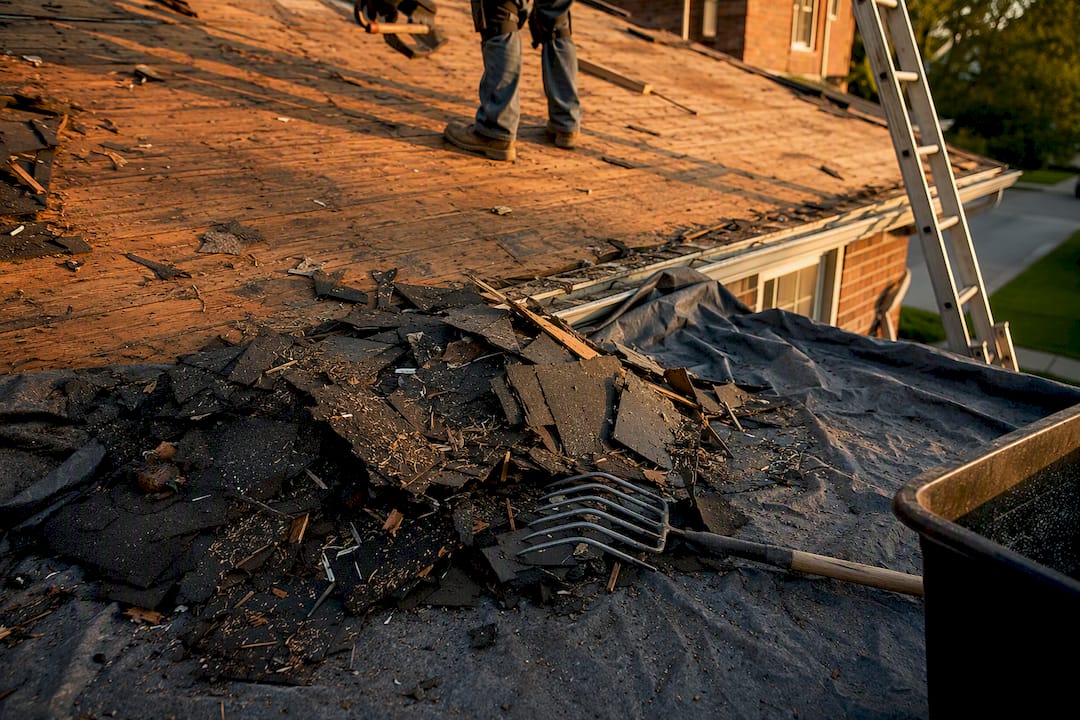
Decking replacement is the cost surprise that catches homeowners off guard. Contractors can’t know what’s under the shingles until the tear-off happens, and San Antonio’s humidity swings and past hail damage mean rotted or delaminated OSB is common. Budget a contingency, because deck repair usually runs $75 to $150 per sheet of replaced plywood or OSB, and a roof with hidden water damage can need a dozen sheets or more.
Add-ons round out the bid. Flashing around chimneys and walls, ventilation upgrades like ridge vents or turbine vents, skylight reflashing, and gutter replacement are usually itemized separately rather than bundled into the per-square material price. That’s actually a good sign on a quote. Bundled “everything included” pricing without line items makes it harder to know what you’re paying for.
What Does a New Roof Cost by Home Size and Neighborhood?
Home size sets the floor, but neighborhood and material choice decide where you actually land within that range. Here’s what typical totals look like across the three most common home sizes in San Antonio, using the per-square-foot bands above.
These figures reflect installed cost, meaning materials and labor together, and they assume a moderate pitch with average complexity. A steep, cut-up roof pushes toward the top of each range regardless of material. Labor typically runs 50% to 55% of the total project cost on a standard reroof, with materials, tear-off, disposal, and permit fees filling out the rest.
Where you live in San Antonio matters more than most cost guides admit. Local market data shows the city tracks slightly below larger Texas metros overall, but that average hides real spread between neighborhoods.
- North side and Stone Oak area: Expect quotes toward the higher end of each band. Larger homes, steeper architectural roof lines, and higher material specifications (tile and metal are more common) push totals up.
- Historic districts (King William, Monte Vista, Government Hill): Add 10% to 30% for specialty or matching materials required by historic preservation review, on top of longer approval timelines.
- Military-adjacent and established south/east side neighborhoods: Often sit at the mid to low end, with straightforward gable roofs and standard architectural shingle specs dominating the market.
- HOA-governed subdivisions: Cost itself may not shift much, but HOAs often mandate specific shingle colors or materials, which narrows your options and can rule out the cheapest bid.
Site access adds its own line item that’s easy to overlook when comparing bids. A roof with a long driveway, mature trees close to the house, or a pool that needs protective covering during tear-off requires extra staging, tarping, and sometimes crane rental for tile delivery. Homes on tight urban lots near downtown or Southtown often see a few hundred dollars added for landscaping protection and dumpster placement alone.
What Permits, Insurance Discounts, and HOA Rules Cost You
Every full roof replacement in San Antonio needs a building permit filed through the BuildSA portal, and skipping this step isn’t a shortcut, it’s a liability that can void warranty coverage and complicate a future home sale. Re-Roof permits are typically issued same-day to within one or two business days once the contractor submits the required paperwork. Minor repairs under roughly 100 square feet may be exempt, but a full tear-off and replacement never is.
- Permit fees for a standard reroof typically run $100 to $300, and the contractor usually files the application and material specifications on the homeowner’s behalf.
- Your contractor should be registered as a home improvement contractor with appropriate general liability insurance before pulling any permit in your name.
- Homes in historic districts face an added preservation review that commonly adds 30 to 45 days and often requires matching or compatible synthetic materials rather than whatever the homeowner prefers.
- HOA architectural review, where it applies, runs on its own timeline separate from the city permit and can add another week or two before work starts.
The insurance math on Class 4 shingles is worth running for yourself. Products tested to UL 2218 impact standards commonly qualify for a discount on the wind/hail portion of a homeowners policy, and many Texas insurers offer meaningful reductions for verified Class 4 roofs. On a policy with a $1,200 to $1,800 annual wind/hail premium, even a modest discount often pays back the upgrade cost from asphalt within five to ten years, before accounting for the roof’s better resistance to the hail that drives most San Antonio claims in the first place.
How to Get Accurate Roofing Quotes and Vet a Contractor
Comparing roofing quotes San Antonio homeowners collect side by side only works if every bid answers the same questions. A cheap bid missing half these details isn’t actually cheaper, it’s just incomplete.
- Material specifics. Require the exact brand, product line, and impact class (Class 3 versus Class 4) in writing, not just “architectural shingles.”
- Scope of work. The bid should state tear-off to bare decking, not overlay, unless you’ve specifically discussed and agreed to an overlay.
- Decking contingency pricing. Ask for a per-sheet rate for replaced decking upfront, so a surprise during tear-off doesn’t turn into a surprise on your invoice.
- Disposal and cleanup. Confirm dumpster placement, magnetic nail sweep, and debris removal are included, not billed separately after the fact.
- Warranty terms. You want both the manufacturer’s material warranty and the contractor’s workmanship warranty spelled out with specific year lengths.
- Permit responsibility. The bid should state clearly that the contractor pulls the BuildSA permit under their registration, not yours.
Before signing anything, verify the contractor’s home improvement registration and confirm their general liability insurance limits directly rather than taking their word for it with guidance from Roof Replacement & Repair in Omaha, NE | Spagnotti Contracting. Ask how many roofs they’ve completed in your specific San Antonio zip code in the last year, since local experience with your neighborhood’s HOA or historic review process saves real time.
Pro Tip: Storm season brings door-knockers offering “free inspections” and pressure to sign same-day. A legitimate contractor will give you a written estimate you can take home and compare, not a countdown clock.
Watch for red flags: no mention of a permit anywhere in the paperwork, demands for full payment upfront before any work begins, or pressure tactics tied to “the insurance adjuster is only here today.” Once you’ve picked a contractor, schedule a final site walk to confirm the permit-ready scope matches what was quoted before materials get ordered.
What’s the Typical Timeline and Payment Structure?
A straightforward reroof usually runs from signed estimate to final inspection in two to four weeks, assuming materials are in stock and no historic review applies. Add 30 to 45 days if your home sits in a historic district, and add time during spring hail season when material lead times and contractor schedules both stretch thin.
- Standard payment structure is typically a deposit at signing, a progress payment at material delivery or tear-off start, and a final payment after the city inspection passes.
- Financing options are common for larger projects, with many contractors offering monthly payment plans through third-party lenders rather than requiring cash upfront.
- Never pay the full contract amount before work begins; a fair holdback protects you if decking repairs or weather delays change the scope.
- If you’re filing an insurance claim for hail or wind damage, document damage with photos immediately, get temporary tarping done to prevent interior water damage, and know your deductible before assuming the payout covers everything.
- Class 4 shingles factor into claim economics two ways: they’re less likely to trigger a full replacement claim in the first place, and insurers sometimes apply depreciation differently to impact-rated materials.
Why Buffalo Roofing & Exteriors Handles San Antonio Reroofs Differently
Buffaloroofingandexteriors operates with offices serving San Antonio, Corpus Christi, and Victoria, which means the crews on your roof already know how BuildSA permitting, historic district review, and Texas Department of Insurance discount documentation actually work in this market, not a generic playbook borrowed from somewhere else.
- Free written estimates with itemized material, labor, and permit scope
- Financing options for homeowners who want to spread payment over time
- Manufacturer and workmanship warranties on every roof replacement project
- In-house handling of permit filing, Class 4 shingle specification, and HOA or historic coordination
- Post-installation inspection follow-up to confirm the final product matches the signed scope
Pro Tip: Ask any contractor bidding your job whether they’ll handle the historic district paperwork themselves or leave it to you. That single question tells you how much of the process they’ve actually managed before.
What San Antonio Homeowners Get Wrong About Roof Pricing
The biggest misconception is treating the lowest bid as the safest bid. A quote that’s thousands below everyone else’s usually means one of three things got cut: decking contingency, disposal costs, or the permit itself. None of those show up as a problem until the crew is already tearing off your old roof and the “surprise” invoice arrives.
The second thing conventional advice gets wrong is treating Class 4 shingles as a luxury upgrade. Given San Antonio’s hail exposure and the insurance discount math, it’s closer to the financially conservative choice, not the aggressive one. Standard asphalt is the gamble here, not the safe default.
What should come first isn’t picking a material at all. It’s getting three itemized bids that specify the same scope, so you’re actually comparing apples to apples instead of guessing which contractor left something out. Everything else, material class, financing, timeline, follows from that one disciplined step.
A Straightforward Way to Get Your Roof Replacement Started
If you’ve read this far, you already know more about San Antonio roofing costs than most homeowners do walking into their first contractor meeting. Buffaloroofingandexteriors turns that knowledge into a real number fast: a free, itemized written estimate that spells out material class, permit handling, decking contingency, and warranty terms before you commit to anything.

Where the process differs from chasing down three separate contractors yourself is the local groundwork already done. The team knows BuildSA’s permit process, has coordinated historic district reviews in neighborhoods like King William, and can walk you through the insurance discount math for Class 4 impact-resistant shingles before you sign anything. If a recent storm is the reason you’re reading this, the storm damage restoration guide covers documentation steps that matter for your claim.
Request a free on-site estimate and get a written quote that itemizes every line, so you can compare it against any other bid you collect with confidence.
Frequently Asked Questions
How much does it cost to replace a roof in San Antonio?
Most homeowners pay between $9,300 and $22,000 for a full roof replacement, with a typical 2,000 square foot home landing around $12,000 to $16,000 for quality architectural shingles. Metal and tile push toward the higher end.
What is the average cost of a new roof in San Antonio for a 2,000 square foot home?
Expect roughly $9,300 to $14,000 for standard asphalt, $11,900 to $19,000 for Class 4 impact-resistant shingles, and $18,500 or more for standing seam metal, depending on pitch and complexity.
How much does a metal roof cost in San Antonio compared to asphalt?
Standing seam metal typically runs $8.40 to $14.70 per square foot installed, roughly two to three times the cost of standard asphalt, but it often lasts 40 to 70 years compared to 20 to 30 for asphalt shingles.
Do I need a permit to replace my roof in San Antonio?
Yes. Full roof replacements require a Re-Roof permit through the BuildSA portal, typically processed same-day to within one or two business days, with fees usually between $100 and $300.
Do Class 4 impact-resistant shingles actually lower my insurance premium?
Many Texas insurers offer a discount for shingles tested to UL 2218 Class 4 standards, and that discount often offsets the higher material cost within several years, especially in hail-prone areas of San Antonio.
What financing options are available for a new roof in San Antonio?
Most local roofing contractors, including Buffaloroofingandexteriors, offer monthly payment plans through third-party lenders, letting homeowners spread the cost of a reroof over time instead of paying the full amount upfront.
Sources
- City of San Antonio — Residential Permits
- Doineedapermit
- RoofVista — San Antonio roof replacement cost guide (2026)
- RooferPair — Roof replacement cost calculator | San Antonio, TX
- International Residential Code (IRC) — Chapter 9 Roof Assemblies