TL;DR:
- Regular roof inspections detect hidden damage early, saving homeowners from costly repairs and insurance issues.
- In storm-prone areas, inspecting twice a year and after severe weather protects property value and reduces long-term expenses.
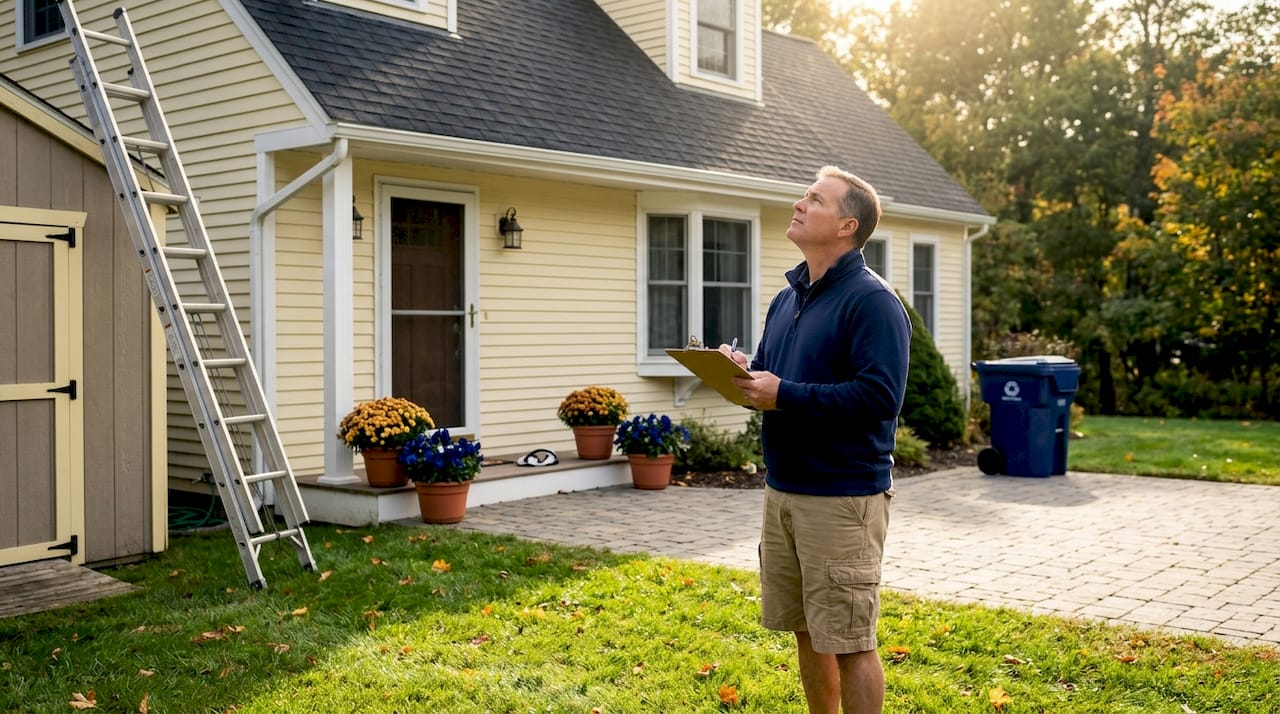
Most homeowners only think about their roof when water shows up on the ceiling. By then, the damage has usually been spreading for months. Understanding why regular roof inspections matter is the first step toward protecting one of your most expensive assets. In storm-prone areas like coastal Texas, where hurricanes, hail, and high winds are seasonal realities, the gap between a proactive inspection and a reactive emergency repair can cost you tens of thousands of dollars. This article breaks down what inspections actually catch, when to schedule them, and how they protect your finances long-term.
Table of Contents
- Key takeaways
- Why regular roof inspections matter more than you think
- The financial case for proactive roof care
- How often to inspect roofs in storm-prone areas
- Getting the most out of your inspection
- Comparing the real costs: inspections vs. emergencies
- My take on what most homeowners get wrong
- Protect your home with expert roof inspections
- FAQ
Key takeaways
| Point | Details |
|---|---|
| Hidden damage is the real threat | Early signs like cracked flashing and granule loss are invisible from the ground but lead to costly failures. |
| Inspect twice a year, minimum | Schedule professional inspections every spring and fall, plus after any major storm event. |
| Insurance requires documentation | Roofs over 15 years old often need inspection records for policy renewal and claim processing. |
| Proactive care beats emergency pricing | Planned repairs cost far less than emergency fixes during peak storm season demand. |
| Documented history protects resale value | Buyers pay more and negotiate less when they can see a clean, verified inspection record. |
Why regular roof inspections matter more than you think
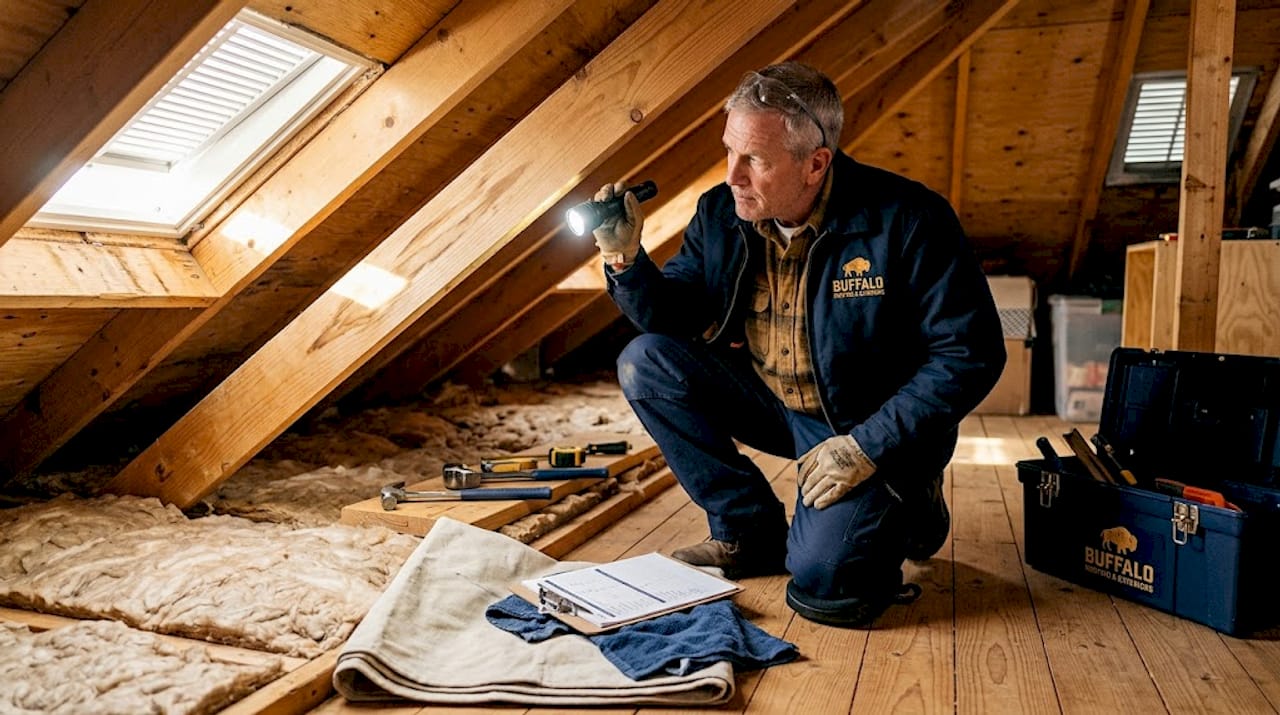
Most people assume a roof that looks intact from the driveway is a roof in good shape. That assumption is one of the most expensive mistakes a homeowner can make. A professional inspection covers far more than shingles. Inspectors check flashings around chimneys and vents, sealants at penetration points, attic ventilation systems, the underlayment beneath the surface, and the structural decking underneath it all.
The issues that cause the most damage are rarely visible from the ground. Cracked flashing and granule loss on shingles are two of the most common early warning signs, and both are nearly impossible to spot without getting up close. Lifted shingles, poor attic ventilation causing moisture buildup, and deteriorating sealants around pipe boots all fall into the same category: invisible to you, obvious to a trained inspector.
Here is a clear breakdown of what a ground check versus a professional inspection actually covers:
| Inspection type | What it covers | What it misses |
|---|---|---|
| Homeowner ground check | Missing shingles, major visible damage | Flashing cracks, granule loss, underlayment wear |
| Professional inspection | All surface elements, flashings, sealants, attic, structure | Nothing within accessible range |
The difference is not just thoroughness. It is the difference between catching a $300 flashing repair before it becomes a $12,000 water-damaged ceiling replacement.
Pro Tip: Ask your inspector to photograph every area of concern during the inspection. Those photos become critical evidence if you ever need to file a storm damage insurance claim.
Walking your property after a storm and seeing no broken shingles does not mean your roof made it through unscathed. Only a professional can tell you what actually happened up there. That is not a sales pitch. It is just the reality of how roof damage works.
The financial case for proactive roof care
There is a straightforward math problem here, and it works strongly in favor of regular inspections. A professional roof inspection typically costs between $150 and $350. A standard roof repair runs anywhere from $400 to $2,500 depending on scope. A full roof replacement starts around $8,000 and can exceed $25,000 on larger or more complex homes. The inspection is not an expense. It is insurance against the far more expensive option.
Waiting until leaks appear means damage has already spread to your attic, insulation, and potentially your ceiling structure. At that point, you are no longer just fixing a roof. You are fixing everything water touched on the way down.
The financial benefits extend well beyond repair costs:
- Lower energy bills: Damaged roofs increase heating and cooling costs by allowing conditioned air to escape through compromised areas.
- Insurance compliance: Roofs over 15 years old often require documented inspections proving at least five years of remaining useful life before insurers will renew a policy.
- Claim readiness: Documented roof condition before a storm removes insurer arguments about pre-existing neglect when you file a claim.
- Stronger resale position: Inspection history builds buyer confidence and prevents last-minute price renegotiations when roofing condition comes up during a home sale.
The insurance angle deserves special attention for anyone in coastal Texas. Carriers in storm-prone regions are tightening underwriting requirements, and a roof with no documented care history becomes a liability risk they will price accordingly, or decline to cover altogether. Staying current on inspections keeps you in control of that conversation.
How often to inspect roofs in storm-prone areas
The National Roofing Contractors Association recommends twice-yearly inspections, ideally in spring and fall. That schedule makes particular sense in coastal areas where UV exposure, Gulf humidity, and seasonal storm systems all accelerate roof wear at rates that would surprise most homeowners.
Here is how to think about your inspection schedule as a property owner in a high-risk climate:
- Spring inspection: Assess any damage from winter storms and prep the roof before summer heat and hurricane season arrive.
- Fall inspection: Check for damage from the summer storm season and confirm the roof is ready for cooler months.
- Post-storm inspection: After any hurricane, significant hail event, or wind exceeding 50 mph, get eyes on your roof within 72 hours if possible.
- Pre-sale inspection: Before listing a property, an inspection report documents condition and prevents surprises during buyer due diligence.
- Age-triggered inspection: Once your roof passes the 15-year mark, add a third annual inspection to stay ahead of accelerated wear.
Climate factors in South Texas deserve specific attention. Prolonged UV exposure degrades asphalt shingles faster than in cooler climates. High humidity promotes algae growth and moisture intrusion. And when a Gulf storm arrives, even a roof that looks fine can experience wind-driven water infiltration through compromised seals that were never visible to begin with.
Pro Tip: Keep a simple folder, physical or digital, with every inspection report, repair receipt, and photo. This record can save you thousands during an insurance claim or property sale negotiation.
Understanding why inspect your roof consistently also means understanding your local weather patterns. In Corpus Christi and San Antonio, the inspection calendar is not optional. It is part of responsible property management.
Getting the most out of your inspection
Scheduling an inspection is step one. Getting full value from it requires a few intentional habits. Start with choosing the right inspector. Look for a licensed contractor with documented experience in your region’s specific weather conditions. Someone familiar with coastal storm patterns will know exactly which failure points to prioritize on your roof.
When you receive your inspection report, do not file it away unread. Here is how to put it to work:
- Prioritize by urgency: Good reports categorize findings as immediate, short-term, or monitor-only. Address immediate issues within 30 days.
- Get repair estimates early: If your inspector identifies work needed, get quotes before storm season rather than after. Contractor availability and material pricing both spike following major weather events.
- Cross-reference with your insurance policy: Some repairs are covered under maintenance riders. Know your policy before you spend money out of pocket.
- Schedule the next inspection: Book your follow-up inspection before you leave the current one. Consistency is what makes this system work.
For property managers overseeing multiple units or commercial buildings, integrating inspection findings into a centralized roof maintenance workflow keeps everything organized and auditable. Knowing the condition of every roof in your portfolio before storm season is a competitive advantage, not just a precaution.
Pro Tip: When hiring an inspector, ask specifically whether they carry errors and omissions insurance. This protects you if something is missed during the inspection and causes damage later.
Comparing the real costs: inspections vs. emergencies
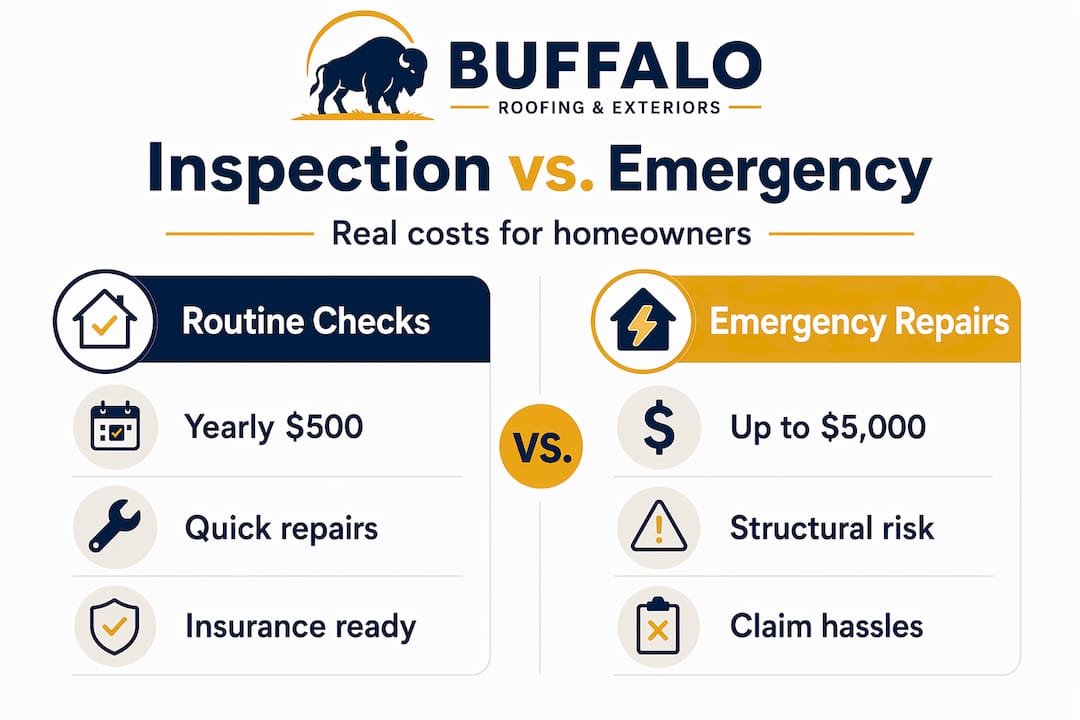
Numbers tell this story better than anything else. Consider two scenarios for a homeowner in Corpus Christi with a 12-year-old roof.
Scenario A: Regular inspections
An inspection each spring and fall at $250 each costs $500 per year. Over five years, that is $2,500 in inspection costs plus, say, $1,200 in minor repairs caught early. Total investment: $3,700.
Scenario B: No inspections
A missed flashing issue allows water infiltration over 18 months. The homeowner notices a stain on the ceiling. By that point, the damage includes rotted decking in two sections, compromised insulation, and early-stage mold in the attic. Total repair cost: $14,000 to $19,000, with a potential insurance dispute because there is no documented maintenance history.
Emergency repairs after storms carry premium pricing because demand spikes exactly when contractors are busiest. Planned maintenance on your own timeline costs less, gets done faster, and never puts you in a position of negotiating a contractor price when you have no leverage.
Beyond repair costs, deferred maintenance creates risks that compound over time:
- Mold growth in the attic, which affects air quality throughout the home
- Higher energy bills from compromised insulation and ventilation
- Reduced property value that shows up immediately during a home appraisal
- Safety risks from structurally weakened decking that may not support foot traffic for future repairs
Routine inspection and maintenance do more than catch problems. They extend how long your roof performs at full capacity, which directly affects how long you go before a full replacement is necessary.
My take on what most homeowners get wrong
I’ve watched homeowners spend more money in a single emergency repair than they would have spent on ten years of routine inspections. Every time, the response is the same: they had no idea it had gotten that bad.
The mindset shift that actually changes outcomes is treating your roof like your car. You would not wait for your engine to seize before getting an oil change. But most people treat their roof exactly that way, waiting for a visible crisis before taking any action. Proactive inspections create financial control because you choose the timing and the scope, rather than reacting to whatever emergency presents itself during the busiest repair season of the year.
What I’ve found most valuable, practically speaking, is the documentation. A clean inspection record does not just protect you during a claim. It signals to buyers, insurers, and appraisers that this home has been cared for. That signal has real monetary value. I’ve seen inspection histories add genuine negotiating power for sellers who could prove their roof was in verified good condition. And I’ve seen the absence of that history cost sellers thousands in last-minute concessions.
If you take one thing from this article, let it be this: the inspection is not what costs you money. Skipping it is.
— Buffaloroofingandexteriors
Protect your home with expert roof inspections
When it comes to protecting your property in South Texas, Buffaloroofingandexteriors brings deep regional expertise to every inspection. The team understands exactly how Gulf Coast weather, UV exposure, and storm cycles affect roofing systems in Corpus Christi, San Antonio, and Victoria.
Whether you need a routine inspection, are preparing for hurricane season, or are dealing with recent storm damage, Buffaloroofingandexteriors offers professional assessments that give you a clear, documented picture of your roof’s condition. Explore their weather-resistant roofing solutions built specifically for Texas climates, or learn what to do after a major weather event with their storm damage restoration guide. Schedule your inspection today and go into storm season with confidence.
FAQ
Why do regular roof inspections matter so much?
Regular inspections catch hidden damage like cracked flashing and granule loss before it spreads to your attic, insulation, and ceiling structure, turning a small repair into a major expense. They also keep your insurance documentation current and extend your roof’s useful lifespan.
How often should you inspect your roof?
The NRCA recommends scheduling professional roof inspections twice a year, ideally in spring and fall, plus an additional inspection within 72 hours of any severe storm event.
Can a homeowner inspect their own roof?
Homeowners can spot obvious problems like missing shingles from the ground, but only professional inspections reveal the hidden issues that matter most for insurance compliance and long-term roof health.
Does roof age affect inspection requirements?
Yes. Roofs over 15 years old often require documented professional inspections for insurance policy renewal, as carriers need verified proof that the roof has at least five years of remaining useful life.
How does a roof inspection history help with insurance claims?
A documented inspection history showing regular maintenance proves to your insurer that roof damage was caused by the storm, not prior neglect. This prevents claim disputes and speeds up the settlement process significantly.