
TL;DR:
- Window frames play a critical role in a window’s overall energy performance by controlling heat transfer and air leakage. Choosing the right frame material and ensuring proper installation can significantly lower energy costs and increase home comfort. Proper assessment of whole-window U-factors and installation practices boosts long-term efficiency and property value.
Window frames are the single most underestimated factor in a window’s total energy performance. Most homeowners focus on glass upgrades, but the role of window frames in efficiency is just as significant. Frames control heat transfer, air leakage, and structural integrity across the entire window assembly. The National Fenestration Rating Council (NFRC) rates whole windows, not just glass, because frames materially change the numbers. Choosing the right frame material and having it installed correctly can reduce your heating and cooling costs year after year.
How do window frames affect a window’s u-factor?
The U-factor is the standard measure of how much heat a window lets through. Lower numbers mean better insulation. The NFRC rates the whole window assembly, including the frame, glass, spacer, and edge zones, not just the center of the glass. That distinction matters more than most people realize.
Glass manufacturers often advertise center-of-glass (COG) U-factors, which look impressive on paper. But the frame and edge zones conduct heat differently than the glass center. Using COG values alone underestimates heating demand by a significant margin. One energy modeling example shows that an assembly U-factor of 0.45 versus a COG U-factor of 0.30 underestimates perimeter heating load by 28% in a Minneapolis climate model. That gap translates directly into higher energy bills than you expected.
Software tools like THERM and WINDOW, developed by Lawrence Berkeley National Laboratory, model exactly how heat flows through frame materials and edge zones. THERM models frame heat flow in detail, and those results feed into WINDOW to produce the certified NFRC assembly U-factor. This is the number that appears on the label of every NFRC-certified window you buy.
Energy code compliance also depends on this whole-window number. The IRC 2018 Section N1102.3 requires NFRC-labeled U-factor ratings for fenestration products, meaning the frame and spacer materials directly affect whether your window passes code. Picking a window based on glass specs alone can leave you out of compliance and out of pocket.
| Measurement Type | What It Covers | Typical U-Factor | Risk If Used Alone |
|---|---|---|---|
| Center-of-Glass U-factor | Glass pane only | Lower (better looking) | Underestimates real heat loss |
| Assembly U-factor (NFRC) | Frame + glass + spacer + edge | Higher (more accurate) | None — this is the correct measure |
Pro Tip: Always ask your window supplier for the NFRC-certified assembly U-factor, not the center-of-glass value. The difference between the two numbers tells you how much the frame is affecting your window’s real-world performance.
What frame materials deliver the best insulation?
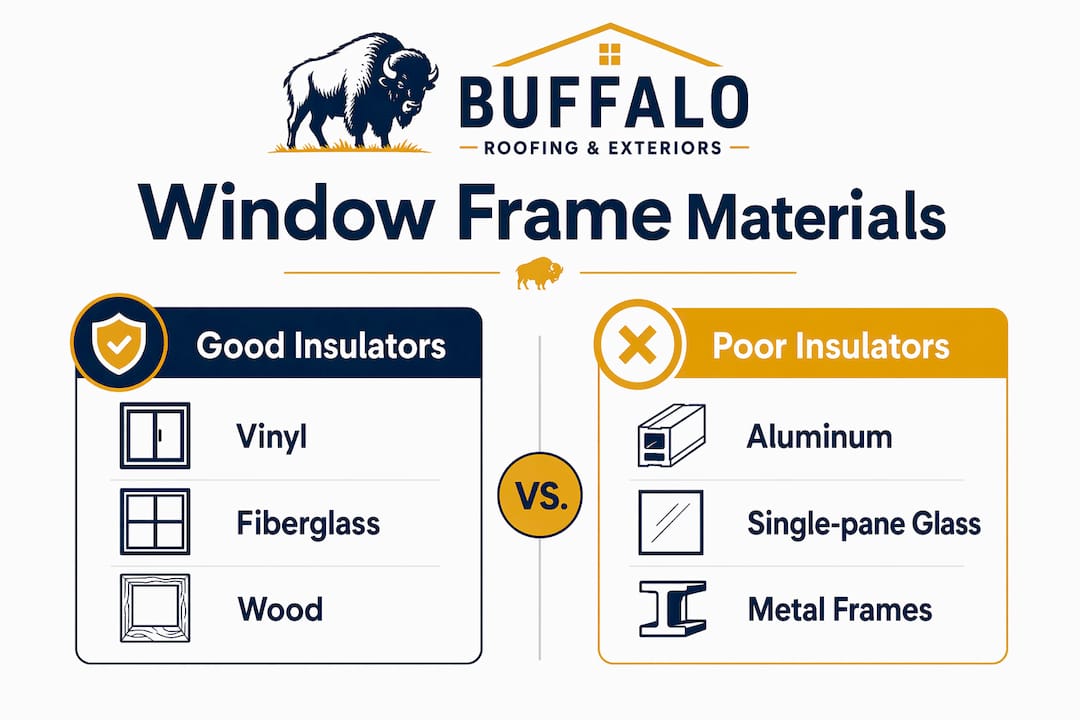
Efficient window frame materials fall into four main categories: vinyl, fiberglass, wood, and aluminum. Each handles heat differently, and the right choice depends on your climate, budget, and maintenance tolerance.
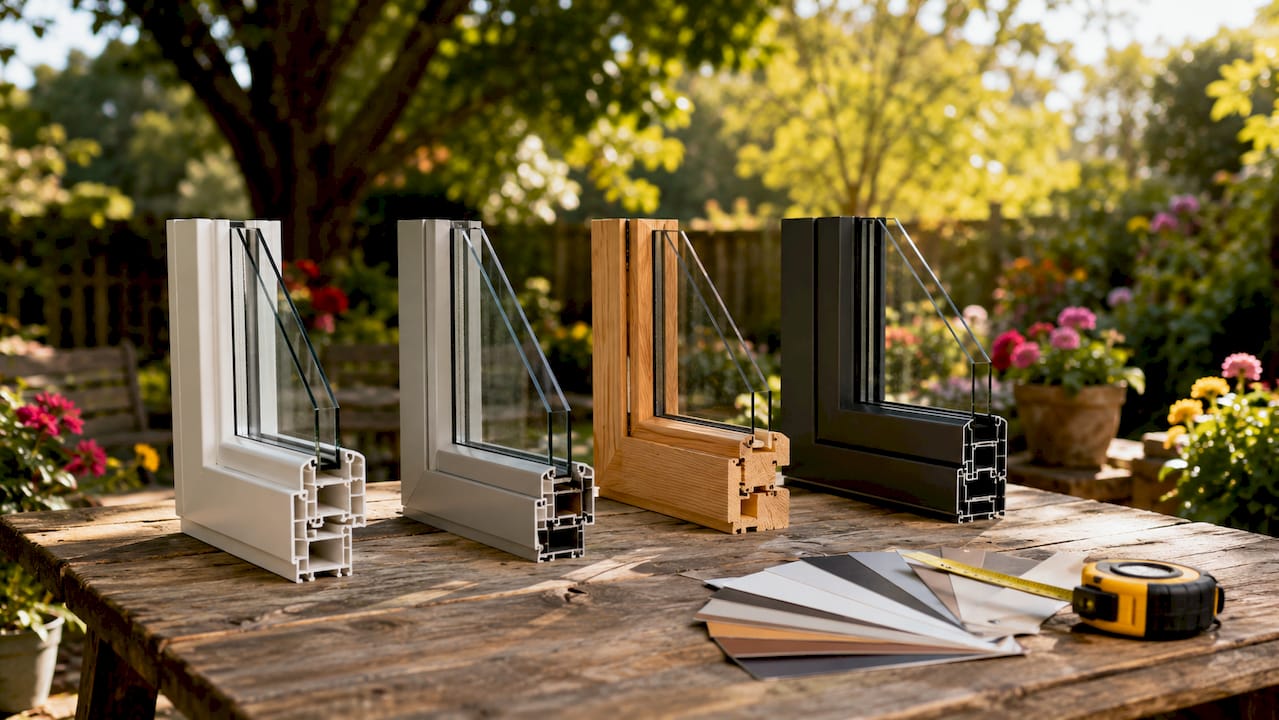
Vinyl frames are the most common choice for energy-conscious homeowners. They do not conduct heat well, which means less thermal transfer through the frame. Multi-chamber vinyl frames trap air inside hollow sections, adding another layer of insulation. They require almost no maintenance and resist moisture, which matters in coastal Texas climates.
Fiberglass frames outperform vinyl in both strength and thermal stability. Fiberglass expands and contracts at nearly the same rate as glass, which keeps seals tight over decades. That seal integrity directly preserves the window’s rated U-factor over time. Fiberglass costs more upfront, but its lifespan and consistent performance make it a strong long-term investment for property managers.
Wood frames offer good natural insulation and a classic look. Their thermal performance sits between vinyl and aluminum. The drawback is maintenance. Wood requires regular painting or sealing to resist moisture, rot, and warping. In humid or coastal environments, that maintenance burden adds up fast.
Aluminum frames conduct heat readily, which makes them a poor insulator in their basic form. The solution is a thermal break, a polyamide barrier inserted between the interior and exterior aluminum sections to interrupt the conductive path. Thermally broken aluminum frames can achieve U-values as low as 1.1 W/m²K with triple glazing, compared to 2.0 W/m²K or higher for standard aluminum. That improvement is substantial enough to make thermally broken aluminum a viable option for commercial and modern residential projects.
| Frame Material | Thermal Performance | Maintenance Level | Best For |
|---|---|---|---|
| Vinyl | Good | Low | Budget-conscious homeowners |
| Fiberglass | Excellent | Very low | Long-term performance, coastal climates |
| Wood | Good | High | Traditional aesthetics, dry climates |
| Aluminum (standard) | Poor | Low | Commercial, non-insulated applications |
| Aluminum (thermally broken) | Good to excellent | Low | Modern homes, commercial buildings |
- Vinyl and fiberglass resist moisture without painting or sealing
- Thermally broken aluminum suits modern architecture where slim frames are preferred
- Wood frames need annual inspection and resealing in humid climates
- Fiberglass holds dimensional stability better than vinyl in extreme heat
For Texas coastal homeowners, fiberglass and multi-chamber vinyl are the top picks. You can read more about frame material choices specific to the Gulf Coast environment.
Does installation quality affect frame efficiency?
The best frame material on the market performs poorly if the installation is done wrong. Proper installation preserves every efficiency benefit the manufacturer engineered into the frame. Skipping steps or rushing the process creates air gaps, bowing, and drainage problems that undermine performance from day one.
Here is the correct installation sequence that protects frame integrity and air sealing:
- Set the window in the rough opening and check that it sits level and plumb before anything else.
- Shim the frame at the sill, jambs, and head to hold the window square and prevent racking under load.
- Fasten the frame to the framing with the manufacturer-specified fasteners before applying any foam.
- Apply low-expansion insulating foam carefully around the perimeter after the frame is locked in place. Applying foam before securing the frame can bow the frame and block drainage channels.
- Keep weep holes and drainage paths clear so water does not accumulate inside the frame or wall cavity.
- Seal the interior and exterior perimeter with a compatible sealant rated for your climate conditions.
The foam step is where most DIY installations go wrong. Low-expansion foam expands as it cures. If the frame is not already secured, that expansion force pushes the frame out of square. A bowed frame breaks the seal between the sash and frame, creating air infiltration that drives heat loss and gain through convection and air leakage. All the money spent on a high-performance frame disappears through that gap.
Pro Tip: Use a foam product specifically labeled “low-expansion” or “window and door” formula. Standard construction foam expands too aggressively and will distort the frame regardless of how well you shimmed it.
Proper exterior sealing techniques around the window perimeter also protect the frame from moisture intrusion, which degrades both the frame material and the wall assembly behind it over time.
What are the real benefits of energy-efficient frames?
The impact of window frames on energy goes beyond the utility bill, though that benefit alone is worth the investment. Thermally efficient frames change how your home feels, looks, and performs across multiple dimensions.
- Lower energy costs. Frames with better insulation reduce heat transfer through the window assembly. In a Texas summer, that means your air conditioner runs less. In a cold snap, your heating system works less. Both outcomes cut monthly utility costs.
- Reduced condensation. Standard aluminum frames get cold on the interior surface in winter. That cold surface causes condensation, which leads to mold and water damage on window reveals and sills. Thermally broken frames keep the interior surface warmer, which eliminates most condensation risk.
- Higher resale value. Energy-efficient windows with quality frames increase buyer appeal and home desirability. Buyers pay premiums for homes with documented energy upgrades, and windows are one of the most visible and verifiable improvements you can make.
- Improved comfort near windows. Cold frames create cold spots in rooms. Sitting near a window with a poor frame feels drafty even when the glass is sealed. Better frames eliminate that discomfort and make more of your living space usable in extreme weather.
- Longer service life. Fiberglass and vinyl frames do not rot, corrode, or warp under normal conditions. That durability means fewer replacements and lower maintenance costs over a 20-to-30-year window lifespan.
For property managers, these benefits compound across multiple units. Replacing old aluminum frames with thermally broken or vinyl alternatives across a building reduces operating costs, lowers tenant complaints about comfort, and strengthens the property’s market position. You can explore the full case for upgrading exterior windows to understand the full return on investment.
The frame gets ignored — and that’s a costly mistake
Most homeowners shopping for new windows spend 90% of their attention on glass. They ask about low-E coatings, argon fills, and pane count. Those things matter. But the frame is what holds the glass, seals the opening, and connects the window to the wall. Ignoring it is like buying a high-performance engine and putting it in a rusted-out car body.
The most common mistake I see is homeowners selecting a window based on a center-of-glass U-factor that looks great on a spec sheet, then wondering why their energy bills did not drop after installation. The frame was the problem the whole time. A window with a COG U-factor of 0.28 and a poor aluminum frame can have an assembly U-factor of 0.50 or higher. That is a mediocre window by any standard.
Installation quality compounds this. A premium fiberglass frame installed by someone who applied foam before shimming is now a bowed, leaky frame. The manufacturer’s rated performance is gone. This is why I always recommend hiring a contractor who follows the full installation sequence, not just someone who can get the window in the opening.
My practical advice: read the NFRC label, not the marketing sheet. Ask specifically about the assembly U-factor. Ask how the installer handles shimming and foam sequencing. And do not skip the exterior sealant step. Those three habits will get you 90% of the way to the performance you paid for.
— Results
How Buffaloroofingandexteriors can help you upgrade
Buffaloroofingandexteriors serves homeowners and property managers across Corpus Christi, San Antonio, and Victoria with professional window replacement and exterior renovation services built for the Texas coast. The team understands how Gulf Coast heat, humidity, and storm exposure affect window frame performance over time.

Whether you need a single window replaced or a full exterior renovation, Buffaloroofingandexteriors delivers expert consultation on frame materials, NFRC-rated products, and proper installation. Every project follows the installation sequence that protects your frame’s efficiency from day one. Explore the full range of window replacement services or learn how exterior renovations can protect your home’s value and comfort. Contact Buffaloroofingandexteriors for a free estimate today.
Key takeaways
Window frames determine a significant portion of a window’s real-world thermal performance, and selecting the right material with proper installation is the most reliable path to lower energy costs and lasting home comfort.
| Point | Details |
|---|---|
| Use NFRC assembly ratings | Always compare whole-window U-factors, not center-of-glass values, for accurate efficiency data. |
| Frame material changes performance | Fiberglass and vinyl outperform standard aluminum; thermally broken aluminum closes the gap significantly. |
| Installation sequence is non-negotiable | Shim and fasten before applying foam to prevent bowing and air leakage that destroy rated performance. |
| Frames affect comfort and health | Thermally improved frames reduce condensation, cold spots, and mold risk on interior window surfaces. |
| Efficiency upgrades add resale value | Energy-efficient frames increase buyer appeal and long-term property value beyond utility savings alone. |
FAQ
What is the role of window frames in efficiency?
Window frames affect heat transfer, air leakage, and the whole-window U-factor rating. The NFRC rates the full assembly including the frame, which means frame choice directly changes your window’s certified energy performance.
Which window frame material is most energy efficient?
Fiberglass and multi-chamber vinyl frames deliver the best insulation for most residential applications. Thermally broken aluminum frames are a strong option where slim profiles are preferred, achieving U-values as low as 1.1 W/m²K with triple glazing.
How does window frame insulation affect energy bills?
Better frame insulation reduces heat transfer through the window assembly, which lowers the load on your heating and cooling system. In hot climates like South Texas, this directly reduces air conditioning runtime and monthly utility costs.
Why does installation quality matter for frame efficiency?
Improper installation, especially applying foam before securing the frame, can bow the frame and create air gaps that eliminate the efficiency benefits of even the best frame material. Following the correct shimming and fastening sequence before foam application preserves rated performance.
Do energy-efficient window frames increase home value?
Energy-efficient window frames increase home desirability and resale value. Buyers pay premiums for documented energy upgrades, and windows with quality frames are one of the most visible and verifiable improvements a homeowner can make.