TL;DR:
- Many homeowners in Live Oak mistakenly believe the lowest roofing quote is always the best deal, but this can lead to costly repairs and subpar work.
- Local contractors understand regional weather, building codes, and material performance, offering more reliable quality and response times.
Most homeowners in Live Oak assume the lowest quote means the best deal. That single misconception costs people thousands of dollars every year, either through shoddy workmanship, missing scope items, or repairs that fail within a season. The truth is that roofing quotes are rarely apples-to-apples comparisons, and knowing how to read them is just as important as knowing who to call. This guide walks you through everything you need to make a confident, informed decision when hiring a roofing contractor in Live Oak, TX.
Table of Contents
- What sets Live Oak roofing contractors apart
- Breaking down the roof replacement process
- Roof repair or replacement: How to decide
- Storm damage restoration: What Live Oak homeowners need to know
- A roofing pro’s perspective: Why comparison shopping isn’t as simple as you think
- Ready for expert roofing help in Live Oak?
- Frequently asked questions
Key Takeaways
| Point | Details |
|---|---|
| Hire local expertise | Local contractors in Live Oak know your neighborhood’s toughest roofing challenges. |
| Compare full scopes | Always ensure contractor quotes include all parts of the job for a fair comparison. |
| Know repair vs. replace | Learn the warning signs that call for replacement rather than ongoing patchwork repairs. |
| Act swiftly after storms | Quick roof inspections after Texas storms can save thousands in further damage. |
What sets Live Oak roofing contractors apart
Now that you’re aware of common misconceptions, let’s look at why hiring a local expert truly matters in Live Oak.
Live Oak sits in the greater San Antonio metro area, which means it faces a punishing mix of summer heat, sudden hailstorms, and the occasional severe weather system rolling in from the Gulf Coast. These conditions are not theoretical. They directly affect which roofing materials hold up, how quickly repairs need to happen, and which contractors actually know what they’re doing on a local roof.
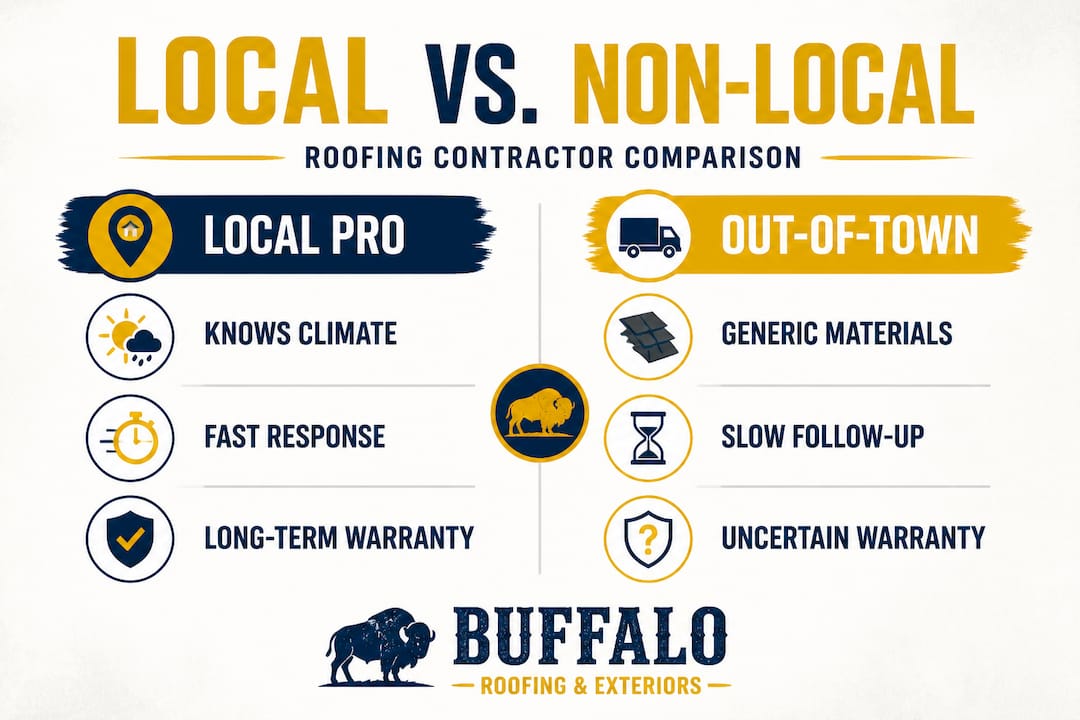
A contractor based in Live Oak or the surrounding area understands these demands firsthand. They know that impact-resistant shingles rated Class 3 or Class 4 are worth the upfront investment in this region. They also know how to navigate Bexar County permitting requirements and Live Oak city code inspections, which can trip up out-of-town crews who aren’t familiar with local regulations.
Here’s what separates a genuinely local contractor from someone just passing through:
- Familiarity with local building codes and permit requirements
- Established relationships with local inspectors
- Faster response times for emergency repairs after storms
- Knowledge of which materials perform best in South Texas heat and hail
- Post-job follow-up and warranty service that’s actually accessible
“Storm chasers” are out-of-town contractors who flood an area after a major weather event, offer fast quotes, collect deposits, and then disappear before the work is properly finished or before warranty claims arise. They’re one of the biggest risks Live Oak homeowners face after a bad storm.
Pro Tip: Before signing any contract, ask the contractor for a local physical address and check how long they’ve been operating in the San Antonio metro area. A company with years of choosing local roofing contractors experience in Texas will have verifiable references and a track record you can actually check.
Breaking down the roof replacement process
Understanding the local advantage helps, but knowing the roof replacement process itself is crucial.
A full roof replacement is one of the larger investments a homeowner makes. Knowing what happens at each stage helps you spot when a quote is cutting corners and when a contractor is being thorough.
Here’s how a standard roof replacement unfolds in Live Oak:
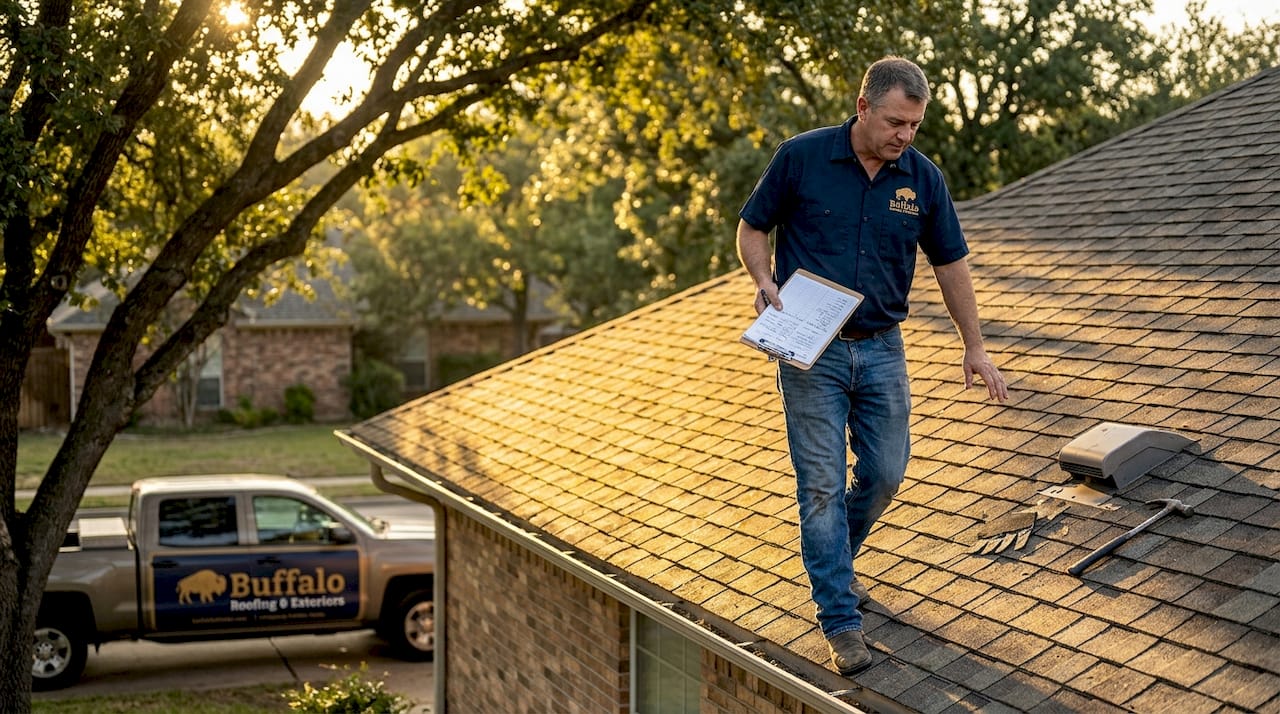
- Initial inspection and damage assessment — A qualified contractor walks your roof, checks the attic for moisture or structural issues, and documents existing damage.
- Detailed written estimate — This should itemize labor, materials, number of layers being removed, underlayment type, drip edge, and permit fees.
- Permit application — Local permits are required for most full replacements. Skipping this step can create serious problems when you sell the home.
- Tear-off and disposal — Old shingles, underlayment, and damaged decking are removed. Disposal costs should be included in the quote.
- Deck inspection and repair — Once the old roof is stripped, the wood decking is inspected. Rotted or soft sections need replacement before new materials go down.
- Underlayment installation — A moisture barrier goes down first. Quality here matters enormously in a humid South Texas climate.
- Shingle or material installation — New roofing material is installed according to manufacturer specs and local code.
- Flashing, ridge caps, and ventilation — These finishing details are often where cheap contractors cut corners.
- Final inspection and cleanup — A reputable contractor does a magnetic sweep for nails, removes all debris, and schedules a final inspection with the city if required.
The roof replacement process in Live Oak involves more variables than most homeowners expect, and those variables are exactly what drive quote differences.
| Quote component | Often included | Often excluded in low bids |
|---|---|---|
| Permit fees | Yes | Sometimes omitted |
| Deck board replacement | Partial | Frequently excluded |
| Drip edge installation | Yes | Sometimes skipped |
| Haul-away and cleanup | Yes | Occasionally missing |
| Manufacturer warranty registration | Yes | Often skipped |
| Attic ventilation check | Varies | Rarely included in low bids |
According to local market data, the price gap between budget and premium roofing companies in the San Antonio area ranges from $5,500 to $13,500, and much of that gap comes down to what’s actually included in the scope of work, not just the materials used.
Pro Tip: Ask every contractor to provide a line-item quote rather than a single lump sum. If a contractor refuses or says “we just give a total price,” that’s a red flag. You need to know exactly what you’re paying for.
Roof repair or replacement: How to decide
Once you grasp the process, you might wonder whether you need a full replacement or just a targeted repair.
This is one of the most important questions a homeowner faces, and unfortunately it’s one where some contractors have a financial incentive to push you toward the more expensive option. Knowing the honest criteria helps you ask the right questions.
Signs that a targeted repair is the right call:
- A single area of missing or lifted shingles after a wind event
- One isolated leak around a pipe boot or flashing joint
- Minor granule loss on an otherwise healthy roof
- A roof that’s less than 10 to 12 years old with no widespread damage
Signs that a full replacement makes more sense:
- The roof is 20 years old or older, especially with asphalt shingles
- You’ve had multiple repairs in the last three years and leaks keep returning
- More than 30% of the roof surface shows damage or deterioration
- Visible sagging or soft spots indicating structural deck damage
- Storm damage covers multiple sections of the roof
Live Oak’s storm season adds urgency to this decision. A roof that might limp along for another year in a milder climate can fail catastrophically during a single hailstorm or heavy rain event. Roof deck repairs are sometimes necessary even when the surface shingles look acceptable, particularly after moisture has been working its way in undetected.
| Roof age | Damage extent | Recommended action |
|---|---|---|
| Under 10 years | Isolated, minor | Targeted repair |
| 10 to 15 years | Moderate, one section | Repair with full inspection |
| 15 to 20 years | Multiple areas | Partial or full replacement |
| Over 20 years | Any significant damage | Full replacement |
Pro Tip: Ask your contractor directly, “If this were your home, would you repair or replace?” A trustworthy contractor will give you a straight answer with reasoning, not just a quote for the bigger job.
Storm damage restoration: What Live Oak homeowners need to know
When a major storm hits, getting your roof assessed and repaired quickly requires special local know-how.
Live Oak homeowners deal with hail, high winds, and occasional severe thunderstorm systems that can cause serious roof damage in a matter of minutes. Acting fast and acting smart are both essential.
Immediate steps after a storm:
- Do a visual check from the ground. Look for missing shingles, visible holes, or debris on the roof. Do not climb up yourself in unsafe conditions.
- Document everything with photos and video before any cleanup or temporary repairs begin. Your insurance company will need this.
- Cover any obvious openings with a tarp to prevent interior water damage while you wait for a professional assessment.
- Contact your insurance company to open a claim and get a claim number before contractors begin work.
- Call a reputable local contractor for a professional inspection, not the crew that knocked on your door unsolicited after the storm.
Following the right storm damage restoration steps from day one protects both your home and your insurance claim.
One of the most damaging mistakes homeowners make is allowing a storm chaser to sign an Assignment of Benefits form before they’ve spoken with their own insurance adjuster. This document transfers control of your claim to the contractor, and in the wrong hands, it can lead to disputes, delays, and repairs that don’t meet your actual needs.
Reputable contractors in Live Oak will walk alongside your insurance process, not try to take it over. They’ll provide a detailed damage report, meet with your adjuster if needed, and help you understand what your policy actually covers.
What a proper storm damage assessment covers:
- Shingle impact damage and granule loss from hail
- Flashing damage around chimneys, vents, and valleys
- Gutter damage and fascia board condition
- Attic inspection for moisture intrusion or insulation damage
- Structural deck assessment for soft spots or water staining
Pro Tip: Always get a written scope of work from your contractor before any storm repair begins, even for what looks like a small job. Undocumented verbal agreements are the root cause of most post-storm contractor disputes.
A roofing pro’s perspective: Why comparison shopping isn’t as simple as you think
You’ve now seen the technical side. Let’s rethink common homeowner advice from a pro’s seat.
Everyone tells you to get three quotes. It’s standard advice, and it’s not wrong. But it misses something important: three quotes are only useful if they’re actually comparing the same work. In our experience, they rarely are.
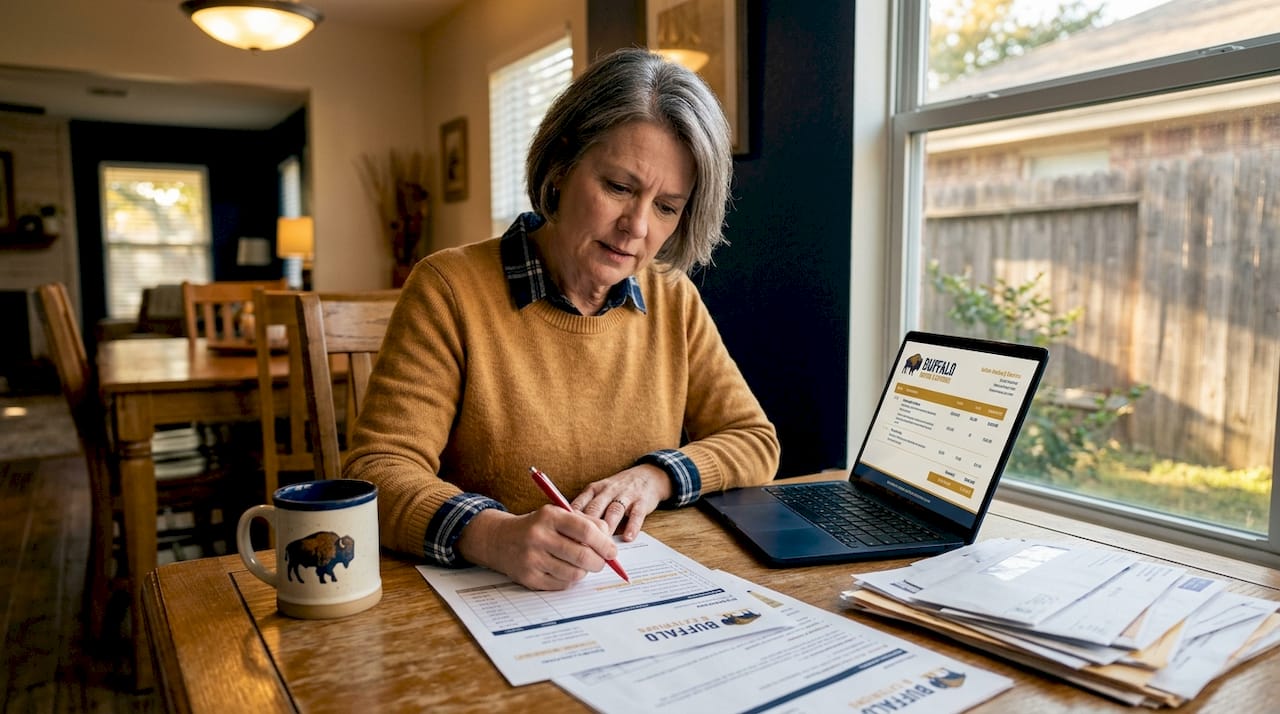
A quote for $7,000 might include a full tear-off, new decking where needed, premium underlayment, Class 4 impact-resistant shingles, drip edge, permit fees, and a magnetic nail sweep. A quote for $5,200 from a different contractor might include basic shingles over existing underlayment, no deck replacement, no permit, and a crew that’s gone before the cleanup is done. On paper, both are “roof replacement quotes.” In reality, they’re completely different jobs.
Price-per-square-foot comparisons are misleading unless the quoted scope matches exactly. This is the single most important thing we want Live Oak homeowners to understand.
Beyond scope, there’s the question of labor quality and business stability. A contractor with proper insurance, workers’ compensation coverage, and a warranty they can actually honor has real overhead costs. Those costs show up in their pricing. When a bid comes in dramatically lower than others, it usually means something is missing, whether that’s insurance, permits, quality materials, or the intention to stick around if something goes wrong.
The right questions to ask every contractor you’re considering are not just about price. Ask them how they handle deck damage discovered mid-job. Ask what underlayment they use and why. Ask how long their workmanship warranty lasts and whether it’s in writing. Ask for roof replacement quotes that are fully itemized so you can compare line by line.
The homeowners who get the best outcomes aren’t always the ones who found the cheapest price. They’re the ones who asked the right questions and hired a contractor they could actually trust.
Ready for expert roofing help in Live Oak?
With the inside scoop on comparing roofers, here’s how you can connect with local experts and get your project started.
Buffalo Roofing & Exteriors serves Live Oak and the broader San Antonio area with the kind of local knowledge and transparent process that takes the guesswork out of hiring a contractor. Whether you’re dealing with storm damage restoration after a recent hail event, exploring your roofing materials options for a new installation, or want to understand the full roof installation workflow before committing to a project, we’re here to help.
We offer free estimates, financing options, and written warranties because we believe you deserve to know exactly what you’re getting before any work begins. Our team is based in the region, knows the local codes, and will still be here when you need us after the job is done. Reach out today to schedule your free inspection and get a fully itemized quote from a contractor you can trust.
Frequently asked questions
How do I check if a roofing contractor is properly licensed and insured in Live Oak, TX?
Ask for Texas state license and insurance documents before any work begins. Reputable contractors, as outlined in guidance on evaluating roofing professionals, will provide these documents up front without hesitation.
What warning signs mean I need a new roof instead of just a repair?
Multiple leaks, widespread shingle loss, or visible sagging are clear signs a full roof replacement is needed. You can learn more about what drives those decisions through resources on roof replacement in Live Oak.
How soon should I get my roof inspected after a severe Texas storm?
Schedule a professional inspection as soon as possible after any significant hail or wind event. Delays allow moisture to penetrate deeper into the structure, and following the right storm damage recovery steps early can save you from much larger repair costs.
Why do roofing quotes in Live Oak, TX vary so much between companies?
Differences in included work scope, material quality, and business overhead drive large quote gaps. Local market data shows the price gap between budget and premium contractors in the San Antonio area can reach $13,500, often because the lower quote excludes permits, deck repairs, or quality underlayment.