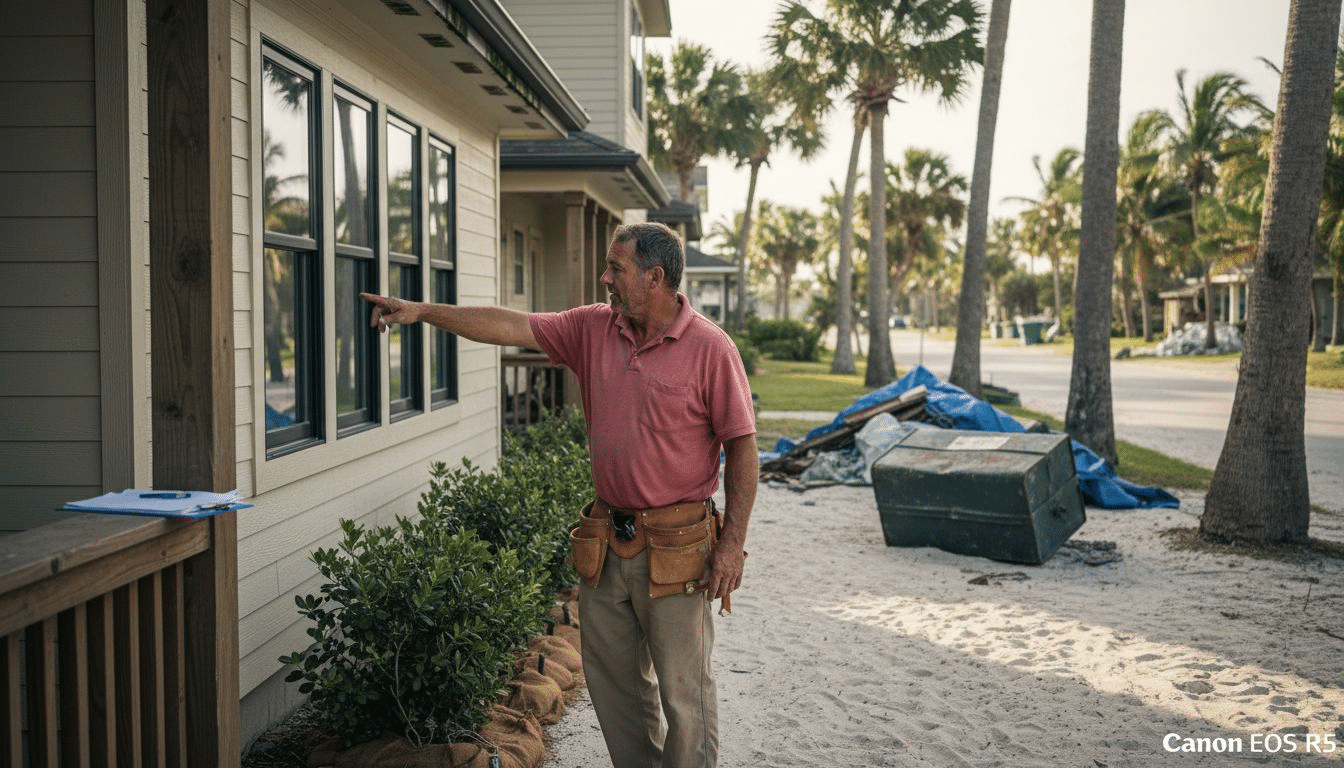
Coastal Texas homeowners face relentless challenges from hurricanes, salt air, and moisture that can rapidly degrade exterior components. Choosing the right upgrades means balancing durability, cost, and aesthetics while ensuring materials withstand harsh weather conditions. This article outlines practical criteria for evaluating exterior upgrades and explores proven options tailored to coastal climates, from impact-resistant roofing to composite decking. Homes with impact-resistant roofing and windows see insurance premium reductions of 10-20% after storm damage restoration.
Table of Contents
- How To Choose Exterior Upgrades For Coastal Texas Homes
- Impact-Resistant Roofing Options
- Siding Materials Optimized For Coastal Environments
- Storm-Resistant Windows And Doors
- Durable Decking Solutions For Coastal Weather
- Installation Best Practices For Maximum Durability
- Summary Comparison And Situational Recommendations
- Enhance Your Coastal Texas Home With Buffalo Roofing & Exteriors
Key takeaways
| Point | Details |
|---|---|
| Durability matters | Hurricane, salt air, and moisture resistance are critical for coastal Texas homes. |
| Material choices | Fiber cement and impact-resistant materials provide superior lifespan and protection. |
| Installation quality | Proper installation with experienced contractors maximizes upgrade benefits and warranties. |
| Budget considerations | Options vary by cost and coastal exposure level, balancing upfront investment with lifecycle value. |
| Added benefits | Energy efficiency improvements and aesthetics complement core durability features. |
How to choose exterior upgrades for coastal Texas homes
Selecting exterior upgrades for coastal Texas requires evaluating several critical factors unique to the region. Weather resistance tops the list since hurricanes, salt air, and persistent moisture attack every surface. Materials must withstand wind speeds exceeding 100 mph, corrosive salt spray, and high humidity year-round.
Cost analysis should include both upfront expenses and long-term maintenance. A cheaper material requiring frequent repairs or replacement may cost more over 20 years than a premium option with minimal upkeep. Factor in labor costs, warranty coverage, and potential insurance discounts when calculating true value.
Aesthetics play a dual role in coastal homes. Your upgrades should complement architectural styles common in Texas coastal communities while enhancing curb appeal. Choose materials that maintain their appearance despite constant sun exposure and salt air exposure.
Installation quality determines whether your investment delivers promised performance. Proper flashing reduces water intrusion by 70%, making contractor selection as important as material choice. Certified installers familiar with exterior weatherproofing in coastal Texas codes ensure your upgrades meet wind load requirements and moisture barriers.
Energy efficiency adds another dimension to upgrade decisions. Modern materials often provide superior insulation, reducing cooling costs in hot Texas summers. This benefit compounds over time, offsetting higher initial investments through lower utility bills.
Key evaluation factors:
- Weather resistance ratings for wind, impact, and moisture
- Total lifecycle cost including maintenance and replacement
- Aesthetic compatibility with coastal architectural styles
- Contractor certification and installation warranty terms
- Energy efficiency ratings and potential utility savings
Pro Tip: Request documentation of coastal installation experience from contractors, including photos of completed projects within 5 miles of saltwater. This ensures they understand unique challenges like salt air corrosion and wind-driven rain.
Impact-resistant roofing options
Roofing represents your home’s first defense against coastal storms. Class 4 impact-resistant shingles withstand 110 mph winds and large hail, making them ideal for hurricane-prone areas. These shingles feature reinforced construction that prevents cracking and tearing during severe weather events.
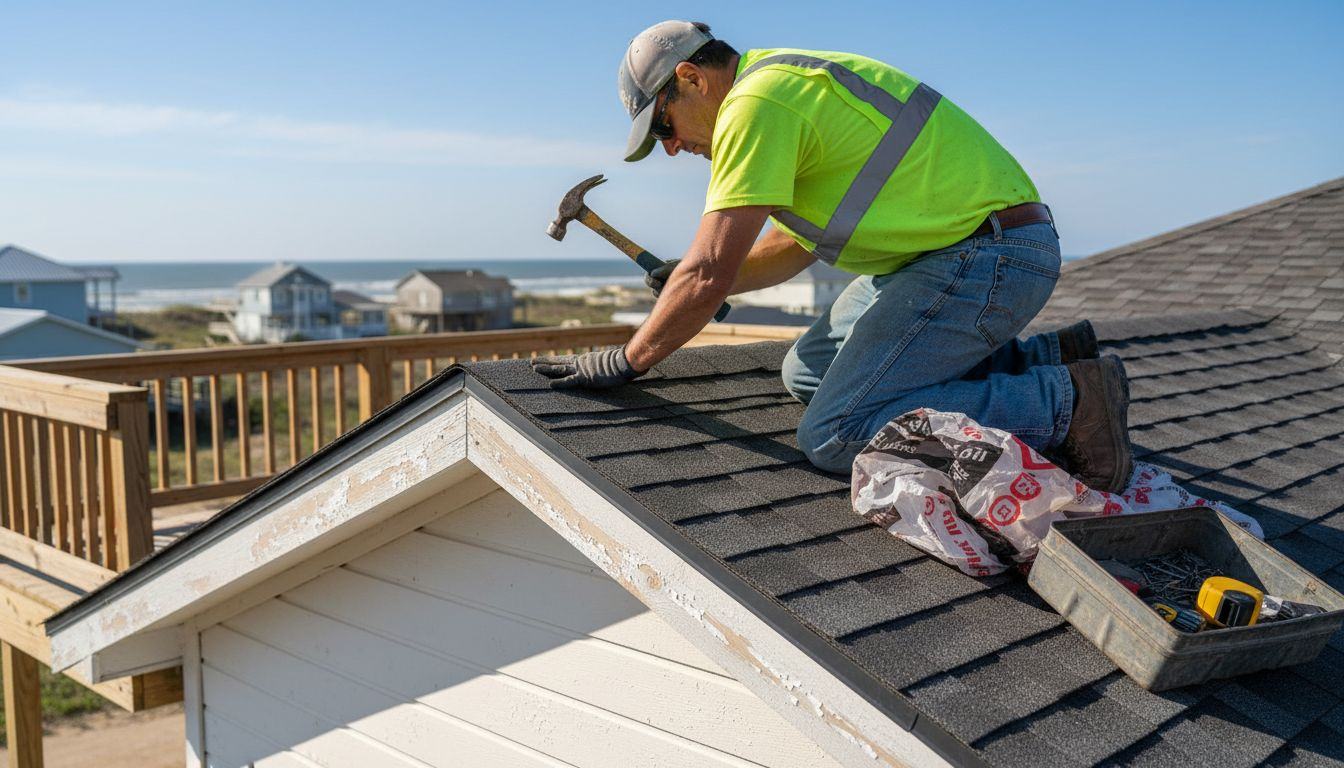
Metal roofing offers exceptional longevity, lasting 40 to 70 years in coastal environments. The material resists salt air corrosion better than traditional shingles and reflects solar heat, reducing cooling costs by 10 to 25%. Standing seam metal roofs provide superior wind resistance, with interlocking panels that can withstand winds exceeding 140 mph.
Proper roof ventilation extends material lifespan and prevents moisture buildup in attics. Ridge vents and soffit vents create continuous airflow that regulates temperature and humidity. This ventilation system prevents premature aging of roofing materials and reduces energy consumption.
Cost considerations vary significantly between materials. Asphalt impact-resistant shingles typically cost $4 to $7 per square foot installed, while metal roofing ranges from $7 to $12 per square foot. The higher upfront investment in metal pays off through extended lifespan and reduced maintenance needs.
Warranties differ based on material type and installer qualifications. Impact-resistant shingles often carry 30 to 50 year warranties, while metal roofing warranties can extend to 50 years or more. Manufacturer warranties require professional installation by certified contractors to remain valid.
Roofing material comparison:
- Class 4 impact-resistant asphalt shingles offer proven storm protection at moderate cost
- Metal roofing provides maximum longevity and energy efficiency with higher initial investment
- Proper ventilation systems extend any roof’s lifespan by 20 to 30%
- Certified installation ensures warranty validity and optimal performance
- Wind resistance ratings should meet or exceed local building codes for coastal zones
Pro Tip: Schedule roof inspections annually before hurricane season to identify and repair minor damage. Small issues like loose shingles or compromised flashing can lead to catastrophic failure during storms.
Siding materials optimized for coastal environments
Siding materials face constant assault from salt air and moisture in coastal Texas. Fiber cement siding lasts over 50 years and resists salt air better than vinyl or wood, making it the premium choice for durability. The material won’t rot, warp, or attract termites, eliminating common coastal maintenance headaches.
Vinyl siding costs significantly less upfront, typically $3 to $7 per square foot installed versus $6 to $12 for fiber cement. However, vinyl degrades faster in coastal environments, with salt air causing brittleness and UV exposure leading to fading within 10 to 15 years. Replacement costs can exceed the initial savings over a home’s lifetime.
Wood siding requires extensive maintenance near saltwater, demanding repainting or staining every 3 to 5 years. Salt air accelerates rot and attracts moisture, creating perfect conditions for mold and insect damage. While wood offers traditional aesthetic appeal, the maintenance burden makes it impractical for most coastal applications.
Maintenance frequency dramatically impacts total ownership costs. Fiber cement requires only occasional cleaning and repainting every 10 to 15 years. Vinyl needs periodic washing but may require section replacement as UV damage accumulates. Wood demands constant vigilance against moisture intrusion and decay.
Installation methods determine how well siding options for coastal homes perform. Proper moisture barriers behind siding prevent water intrusion, while correct fastening techniques ensure panels withstand high winds. Experienced installers leave appropriate expansion gaps to accommodate temperature fluctuations without warping.
| Siding Type | Lifespan | Maintenance | Cost per sq ft | Salt Resistance |
|---|---|---|---|---|
| Fiber Cement | 50+ years | Low | $6-$12 | Excellent |
| Vinyl | 10-15 years | Medium | $3-$7 | Fair |
| Wood | 15-20 years | High | $5-$10 | Poor |
| Engineered Wood | 20-30 years | Medium-High | $4-$8 | Fair to Good |
Material selection factors:
- Fiber cement provides best long-term value despite higher initial cost
- Vinyl offers budget-friendly entry point with shorter lifespan expectations
- Wood requires commitment to regular maintenance in coastal climates
- Engineered wood composites split the difference on cost and durability
Storm-resistant windows and doors
Laminated glass windows provide critical protection during hurricanes and tropical storms. Laminated glass windows improve energy efficiency by up to 30% and resist debris impacts up to 100 mph. The laminated construction features multiple glass layers bonded with plastic interlayers that prevent shattering even when cracked.
Energy savings from modern windows accumulate quickly in Texas heat. Low-E coatings reflect infrared light while allowing visible light to pass through, reducing cooling loads without sacrificing natural lighting. Double or triple pane construction with argon or krypton gas fill provides additional insulation value.
Impact-rated doors complement window upgrades by protecting vulnerable entry points. Reinforced door frames, multi-point locking systems, and impact-resistant glass panels prevent wind-driven rain and debris from breaching your home’s envelope. Steel and fiberglass doors outperform wood in coastal environments, resisting warping and rot.
Insurance premium discounts reward storm-resistant upgrades. Many carriers offer 10 to 20% reductions for certified impact-resistant windows and doors, documented through inspection and certification processes. These savings accumulate over years, offsetting upgrade costs.
Proper installation ensures impact-resistant doors and windows perform as designed. Frames must anchor securely to wall studs, and flashing must prevent water intrusion around openings. Silicone sealants create weathertight barriers that maintain integrity through repeated storm cycles.
Window and door upgrade benefits:
- Impact resistance protects against flying debris during storms
- Energy efficiency improvements reduce cooling costs year-round
- Insurance premium discounts provide ongoing savings
- Security features deter break-in attempts
- UV-resistant coatings prevent interior fading
Durable decking solutions for coastal weather
Decking faces unique challenges in coastal Texas, where salt air and moisture accelerate material degradation. Composite decking lasts 25-30 years with minimal maintenance compared to wood decks which last 10-15 years near saltwater and require frequent upkeep. Composite materials resist moisture absorption, preventing the warping and splitting common in wood.
Wood decking costs less initially, typically $15 to $25 per square foot installed versus $25 to $45 for composite. However, wood requires annual cleaning, staining, and sealing to prevent rot and decay. Salt air accelerates deterioration, often requiring board replacement within a decade of installation.
Proper installation techniques prevent water damage regardless of material choice. Adequate spacing between boards allows water drainage and air circulation. Flashing around posts and ledger boards prevents moisture intrusion into structural components. Elevated deck designs promote airflow underneath, reducing moisture accumulation.
Composite decks maintain appearance longer without splintering, fading, or warping. Modern composite formulations resist scratching and staining better than earlier generations. Color options mimic natural wood grain while delivering synthetic durability.
Lifecycle cost analysis favors composite despite higher upfront investment. Eliminating annual maintenance labor and materials, plus avoiding premature replacement, makes composite more economical over 20 to 30 years. Decking options for coastal homes should prioritize long-term value over initial savings.
| Deck Material | Installed Cost | Lifespan | Annual Maintenance | Coastal Durability |
|---|---|---|---|---|
| Composite | $25-$45/sq ft | 25-30 years | Minimal cleaning | Excellent |
| Pressure-Treated Wood | $15-$25/sq ft | 10-15 years | Staining, sealing | Fair |
| Cedar/Redwood | $25-$35/sq ft | 15-20 years | Regular sealing | Good |
| PVC | $30-$50/sq ft | 25-30+ years | Minimal cleaning | Excellent |
Decking considerations:
- Composite eliminates ongoing staining and sealing requirements
- Wood requires commitment to annual maintenance schedules
- Proper drainage and ventilation extend any deck’s lifespan
- Hidden fastener systems improve appearance and reduce water intrusion points
- Coastal exposure accelerates wood deterioration significantly
Pro Tip: Install composite decking with hidden fastener systems to eliminate exposed screw heads where moisture can penetrate. This creates a cleaner appearance while improving weather resistance.
Installation best practices for maximum durability
Installation quality determines whether exterior upgrades deliver promised performance and longevity. Experienced contractors ensure proper flashing and sealing, reducing water intrusion risk by up to 70%. Flashing channels water away from vulnerable joints and penetrations, preventing moisture from entering wall cavities or attic spaces.
Sealing all joints stops wind-driven rain from infiltrating your home’s envelope. Coastal storms generate horizontal rain that finds every gap in exterior assemblies. Quality sealants remain flexible through temperature cycles while maintaining adhesion to substrate materials. Silicone and polyurethane formulations outperform acrylic in coastal applications.
Coastal building codes impose stricter requirements than inland standards. Wind load calculations, impact resistance ratings, and moisture barrier specifications exceed typical residential construction requirements. Contractors experienced with these codes ensure upgrades meet or exceed minimum standards.
Warranty validity depends on proper installation documentation. Manufacturers require proof of certified installer involvement and adherence to specified techniques. Detailed installation photos and material certifications protect your investment if warranty claims become necessary.
Selecting certified installers maximizes investment protection. Look for credentials from material manufacturers, industry associations, and local licensing boards. Installation best practices separate quality contractors from those cutting corners to reduce costs.
Critical installation steps:
- Install moisture barriers behind all exterior cladding materials
- Apply proper flashing around windows, doors, and roof penetrations
- Seal joints with appropriate high-quality caulking compounds
- Anchor materials according to manufacturer specifications for wind loads
- Inspect completed work to verify code compliance and warranty requirements
Pro Tip: Request a detailed installation timeline with inspection checkpoints before work begins. This ensures you can verify critical steps like flashing installation before they’re covered by finish materials.
Summary comparison and situational recommendations
Choosing optimal exterior upgrades requires matching materials to your specific situation. The following comparison synthesizes key performance metrics across upgrade categories, helping you make informed decisions based on budget, exposure level, and priorities.
| Upgrade Type | Best Material | Cost Range | Lifespan | Maintenance | Hurricane Zones | Budget Option |
|---|---|---|---|---|---|---|
| Roofing | Metal or Class 4 | $4-$12/sq ft | 30-70 years | Low | Metal preferred | Impact shingles |
| Siding | Fiber Cement | $6-$12/sq ft | 50+ years | Low | Excellent | Vinyl |
| Windows | Laminated Glass | $400-$800 each | 20-30 years | Minimal | Required | Double-pane impact |
| Doors | Fiberglass/Steel | $800-$2500 | 20-30 years | Minimal | Recommended | Steel with impact glass |
| Decking | Composite | $25-$45/sq ft | 25-30 years | Minimal | Best choice | Pressure-treated wood |
Homeowners in hurricane-prone coastal areas should prioritize impact resistance and wind ratings above all other factors. Metal roofing, fiber cement siding, laminated windows, and composite decking provide maximum storm protection. The higher initial investment pays dividends through reduced storm damage and insurance savings.
Budget-conscious homeowners can achieve good results with strategic compromises. Class 4 impact-resistant shingles deliver excellent protection at lower cost than metal. Vinyl siding works adequately if you accept shorter lifespan and plan for eventual replacement. Pressure-treated wood decking requires more maintenance but costs significantly less upfront.
Low-maintenance priorities favor composite decking, fiber cement siding, and metal roofing. These materials eliminate annual staining, sealing, and painting requirements. The time savings and convenience often justify premium pricing for busy homeowners.
Post-storm restoration presents an ideal opportunity to upgrade rather than simply replace damaged components. Insurance settlements may cover much of the cost difference between basic replacement and premium upgrades. Examples of exterior renovations demonstrate how strategic upgrades improve long-term resilience.
Situational recommendations:
- Direct Gulf exposure: Prioritize maximum wind and salt resistance with metal, fiber cement, and composite
- Moderate coastal distance: Balance durability and cost with impact shingles, fiber cement, and composite
- Budget constraints: Focus on impact-resistant roofing and windows first, upgrade siding later
- Long-term ownership: Invest in premium materials that eliminate ongoing maintenance
- Rental properties: Choose mid-range options that balance durability with acceptable return periods
Enhance your coastal Texas home with Buffalo Roofing & Exteriors
Protecting your coastal Texas home requires expertise in materials and installation techniques that withstand hurricane-force winds, salt air, and persistent moisture. Buffalo Roofing & Exteriors specializes in weather-resistant roofing services and exterior upgrades tailored to coastal challenges.
Our experienced teams understand the unique demands of coastal construction, from proper flashing installation to material selection that maximizes longevity. Whether you need storm damage restoration or proactive upgrades to enhance durability, we deliver solutions that protect your investment and improve curb appeal. Explore our siding upgrade options and deck building and sealing services to discover how quality materials and expert installation create lasting value for your coastal home.
FAQ
What are the best roofing materials for coastal Texas homes?
Class 4 impact-resistant shingles and metal roofing provide superior storm protection and longevity in coastal environments. Metal roofs resist salt air corrosion better and last 40 to 70 years, while impact-resistant shingles offer excellent wind and hail protection at lower cost. Both require professional installation to ensure proper flashing and ventilation that maximize performance.
How does fiber cement siding compare to vinyl in coastal environments?
Fiber cement outlasts vinyl significantly in coastal conditions, resisting salt air and moisture for 50-plus years versus 10 to 15 years for vinyl. While fiber cement costs roughly twice as much upfront, it requires minimal maintenance and doesn’t warp or fade like vinyl in harsh coastal conditions. The extended lifespan and reduced maintenance make fiber cement more cost-effective over time.
Can upgrading windows and doors lower my insurance premiums?
Certified impact-resistant windows and doors typically qualify homeowners for insurance premium discounts of 10 to 20% in coastal areas. You must provide documentation of certified installations meeting Miami-Dade or equivalent impact standards to your insurance carrier. These savings accumulate annually, helping offset the upgrade investment within 5 to 10 years.
What maintenance is required for composite decking?
Composite decking needs only periodic cleaning with soap and water to maintain appearance, requiring no staining or sealing. Remove debris between boards to prevent moisture accumulation and mildew growth. Most manufacturers recommend annual cleaning to preserve warranty coverage and optimal appearance, a minimal requirement compared to wood deck maintenance.
How important is contractor certification for coastal installations?
Contractor certification proves familiarity with coastal building codes, proper flashing techniques, and manufacturer specifications critical to upgrade performance. Certified installers understand wind load calculations and moisture barrier requirements that separate adequate from exceptional installations. Manufacturer warranties often require certified installation, making contractor credentials essential to protecting your investment.