TL;DR:
- Fiber cement siding offers superior durability, impact resistance, and storm protection suited for coastal Texas homes. Its long-term return on investment and lower maintenance needs make it a smarter choice than vinyl in harsh Gulf Coast conditions. Proper installation and regular upkeep ensure maximum longevity and resistance against salt, humidity, and hurricanes.
Vinyl siding looks like a smart budget move until you live two miles from the Gulf and watch it warp, fade, and peel after one brutal hurricane season. Coastal Texas homeowners face a different set of demands than someone in the Midwest, and the siding material that works fine inland can fail fast on the coast. Knowing why choose fiber cement siding means understanding what your home actually endures here: salt spray, relentless humidity, UV intensity, and storm winds that test every seam and panel. This guide gives you the full picture so you can make a decision based on real value, not just the number on the first estimate.
Table of Contents
- Coastal challenges and the need for durable siding
- What is fiber cement siding? Composition and key features
- Fiber cement vs vinyl siding: durability, costs, and maintenance
- Storm protection benefits of fiber cement for coastal homes
- Maintaining fiber cement siding: longevity through proper care
- Choosing and installing fiber cement siding for coastal Texas homes
- Why fiber cement siding is the investment many coastal homeowners overlook
- Discover expert fiber cement siding services for coastal Texas homes
- Frequently asked questions
Coastal challenges and the need for durable siding
Living on the Texas Gulf Coast is a trade-off most of us happily make. But the same warm air and ocean proximity that make Corpus Christi worth calling home also put your exterior under constant attack. Your siding is not just decorative. It is your home’s first line of structural defense.
Salt-laden air, persistent humidity, and strong winds accelerate the degradation of most common siding materials at a rate that surprises many first-time coastal homeowners. What lasts 25 years inland might start showing serious wear in under a decade here. Factor in intense UV radiation from long Texas summers and the equation shifts further toward materials built for punishment.
For exterior renovations in coastal Texas, the environmental stressors you need your siding to resist include:
- Salt spray corrosion that penetrates micro-cracks and degrades panel bonding over time
- High humidity and standing moisture that feed rot, mold, and structural swelling
- UV radiation that bleaches color and weakens surface coatings faster than in inland climates
- Hurricane-force winds and flying debris that test impact resistance in ways a standard test environment cannot replicate
- Pest pressure, including termites and carpenter ants that find wood-based materials irresistible in warm, humid air
No single material checks every box perfectly, but fiber cement comes closer than anything else available at a reasonable price point for residential use.
What is fiber cement siding? Composition and key features
Fiber cement is not a new product, but a lot of homeowners still picture it as a niche material reserved for commercial buildings or high-end custom homes. That perception does not match reality. It has been a mainstream residential siding choice for decades, and the manufacturing has only improved.
Fiber cement siding is a hard, flat panel that looks like wood or masonry but holds up significantly better over time. It is made from Portland cement, ground sand, and cellulose wood fibers, combined under heat and pressure into dense panels that resist cracking, warping, and swelling. That density is what separates it from vinyl or standard wood. You can feel the difference just picking up a panel.
Understanding the fiber cement siding basics helps you ask the right questions when getting quotes. The core features that matter for coastal applications are:
- Non-combustible construction that meets most fire codes without additional treatment
- Moisture resistance that prevents the swelling and rot that plague wood siding in humid climates
- Pest resistance because termites and other insects have no interest in cement and sand
- Style versatility with profiles that convincingly mimic lap wood siding, cedar shakes, or smooth stucco panels
- Factory-primed or pre-painted finishes available from major manufacturers for longer maintenance cycles
The aesthetic flexibility is genuinely underrated. You are not choosing between durability and curb appeal. You get both, which matters when your home’s appearance affects resale value in a competitive coastal market.
Fiber cement vs vinyl siding: durability, costs, and maintenance
Here is where most homeowners make the math error that costs them significantly more over time. They compare the installation quote for vinyl against fiber cement and stop there. That comparison leaves out lifespan, repair frequency, storm damage risk, and resale value.
Fiber cement siding generally yields higher long-term return on investment for coastal properties, while vinyl risks fading and deformation in saline conditions. And fiber cement siding delivers roughly a 95% return on investment through superior curb appeal, minimal maintenance, and lasting durability.
| Feature | Fiber cement siding | Vinyl siding |
|---|---|---|
| Cost per sq ft installed | $7 to $13 | $4 to $8 |
| Lifespan | 40 to 50 years | 20 to 30 years |
| Salt and moisture resistance | Excellent | Moderate to poor |
| Impact resistance | High | Low to moderate |
| Fire resistance | Non-combustible | Melts and burns |
| Maintenance frequency | Repaint every 10 to 15 years | Minimal but repair-prone |
| Resale value contribution | High | Moderate |
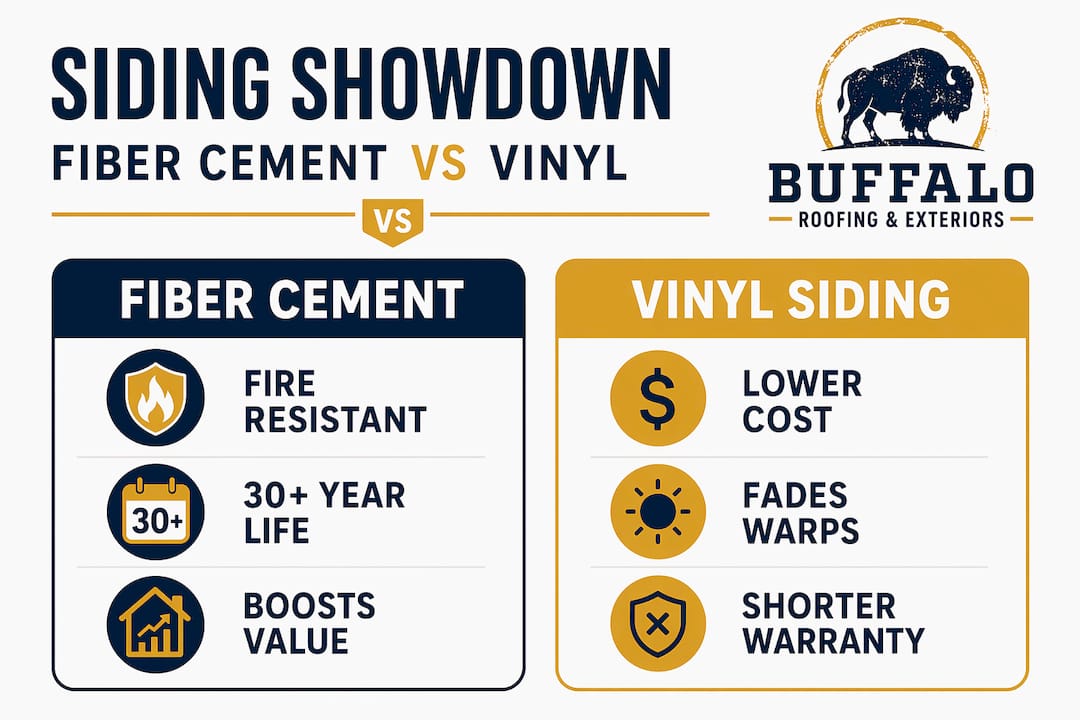
The durability of fiber cement siding in coastal conditions is not just about surviving one storm. It is about not needing full replacement after 20 years when your vinyl neighbor is pulling permits. Over a 40-year ownership period, the cost of fiber cement siding often equals or beats vinyl once you account for replacement cycles and storm repairs.
Key advantages of fiber cement over vinyl in coastal Texas:
- Vinyl panels can lift, crack, or shatter under hurricane debris impact. Fiber cement stays put.
- Vinyl fades measurably in intense UV exposure. Factory-finished fiber cement holds color far longer.
- Vinyl cannot be repainted effectively, so fading means replacement. Fiber cement can be repainted and refreshed.
Pro Tip: When comparing quotes, ask each contractor to calculate the 30-year total cost including expected repainting, repairs, and one full replacement for vinyl. The number changes the conversation entirely.
For ongoing care guidance, the siding maintenance checklist and maintaining fiber cement siding resources break down exactly what upkeep looks like year over year.
Storm protection benefits of fiber cement for coastal homes
Every homeowner on the Texas coast has a hurricane story. Some learned the hard way that their siding was not built for that kind of wind event. Fiber cement siding changes what your home can withstand when a major storm rolls in from the Gulf.
Fiber cement acts as a steadfast barrier, deflecting airborne hazards and blocking moisture ingress effectively, unlike vinyl which is more susceptible to panel lift and breakage under storm pressures. This is not marketing language. It reflects how the material behaves physically when a 2×4 fragment or roof tile hits it at 100 mph.
“Fiber cement siding acts as a steadfast barrier, effectively deflecting airborne hazards and blocking moisture ingress, unlike vinyl which is more susceptible to panel lift and breakage under storm pressures.”
Storm protection benefits that matter most for coastal Texas homes:
- Impact resistance that withstands flying debris without cracking or dislodging
- Water tightness that prevents wind-driven rain from penetrating wall cavities and causing structural rot
- Non-combustible panels that resist fire risk from downed power lines or post-storm debris fires
- Panel stability that holds fasteners under sustained wind loads that would peel vinyl free
Understanding storm protection with fiber cement siding goes beyond choosing the material. It also means installing it correctly. Every flashing detail, fastener pattern, and caulk joint matters during a Category 3 or 4 event.
Pro Tip: Prioritize hiring installers who have completed fiber cement projects in coastal environments and can point to specific compliance with Texas coastal building codes. A certified installer who knows local wind load requirements is worth every extra dollar you spend.
Maintaining fiber cement siding: longevity through proper care
Fiber cement is low maintenance, but it is not zero maintenance. In a coastal environment, that distinction matters because salt and humidity will find any neglected surface and work on it patiently. A proper maintenance routine keeps your investment performing at full capacity for decades.
Fiber cement demands repainting roughly every 10 to 15 years depending on environmental exposure and surface treatment, and routine cleaning involves gentle soap solutions and rinsing with water. Compare that to the upkeep vinyl actually requires after storm damage, and fiber cement’s schedule looks very manageable.
Seasonal maintenance steps for coastal climates:
- Spring cleaning: Rinse panels with a garden hose and wash with mild soap to remove salt and winter grime accumulation
- Post-storm inspection: Check every panel for cracks, chips, or dislodged sections after any named storm or severe weather event
- Caulk inspection: Walk the entire perimeter and check every joint, window surround, and door frame seal for gaps or deterioration
- Mid-year paint check: Look for bubbling, chalking, or peeling paint, especially on south and west-facing walls where UV exposure peaks
- Fall prep: Clear any vegetation or debris touching the siding surface to prevent moisture retention over winter
- Annual professional review: Have a siding professional inspect flashing and drainage paths before peak hurricane season
Additional fiber cement siding maintenance tips for coastal homes:
- Avoid power washing, which can force moisture behind panels and damage the surface coating
- Do not let soil or mulch pile against the bottom panels, as this holds moisture and accelerates paint wear
- Use only exterior-grade caulk rated for coastal environments when resealing joints
Pro Tip: Choose factory-finished panels over field-painted installations when possible. Factory finishes are applied under controlled conditions that extend your repaint cycle significantly, sometimes adding five or more years before recoating is needed.
The fiber cement siding maintenance checklist and maintain siding in coastal Texas guides give you a printable schedule tailored specifically to Gulf Coast conditions.
Choosing and installing fiber cement siding for coastal Texas homes
Selecting fiber cement siding is not simply picking a color from a catalog. The product specifications, brand, and installation quality all determine how long it performs in a salt air environment.
Improper installation can lead to moisture problems or cracked panels down the road, which is why hiring an experienced professional is almost always the right call. A product that should last 50 years can fail in 10 if the flashing is wrong or fasteners are underdriven.
Key selection criteria for coastal Texas conditions:
- Choose brands rated for high-humidity coastal environments. James Hardie and Allura both offer products engineered specifically for these conditions, with warranties that reflect coastal exposure
- Confirm panel thickness. Thicker panels resist impact better and hold fasteners more securely under wind load
- Verify factory paint finish and warranty coverage. Some warranties specifically exclude coastal environments unless the right product line is selected
- Review the installation warranty separately from the product warranty. Both matter
Typical installation workflow for a coastal fiber cement siding project:
- Remove existing siding and inspect sheathing for moisture damage before proceeding
- Install a weather-resistant barrier or house wrap rated for coastal wind-driven rain exposure
- Cut panels using fiber cement-specific blades to avoid edge cracking, always cutting outside or with dust collection
- Install flashing at all window and door openings, roof transitions, and panel termination points
- Fasten panels per manufacturer specifications for local wind load requirements, not general guidelines
- Seal all cut edges with manufacturer-approved primer before installation
- Caulk all joints, corners, and penetrations with high-quality exterior sealant rated for coastal conditions
- Apply final coat or touch-up paint to match factory finish at all cut edges and field repairs
Pro Tip: Verify your contractor’s references from actual coastal projects and ask specifically about their familiarity with the Texas Windstorm Insurance Association requirements. Correct installation is not just about quality. It often affects your insurance eligibility and rates.
The fiber cement installation workflow and choosing fiber cement siding guides walk through every decision point in more detail.
Why fiber cement siding is the investment many coastal homeowners overlook
We see it constantly working with homeowners across Corpus Christi and the surrounding coast. A homeowner gets three quotes, picks the lowest number, installs vinyl, and then calls us three years later after a storm event asking about options. The math felt right in year one. It rarely feels right by year five.
The real reasons to use fiber cement are not fully captured in any spec sheet. They show up in the conversations we have with homeowners who bought homes from people who made smart material choices 20 or 30 years ago. Those homes hold their value. They sell faster. They carry lower insurance risk. They don’t accumulate the slow, invisible moisture damage that devalues a property before the owner even knows it’s happening.
“The premium cost of fiber cement siding secures long-term peace of mind and financial returns that short-sighted choices simply cannot match.”
Most coastal homeowners we talk to are not opposed to fiber cement once they understand the full cost picture. They were simply never given one. The focus on upfront budget is understandable, but it ignores a simple truth about coastal Texas real estate: the environment here is genuinely harder on homes than most of the country, and materials that perform adequately elsewhere will underperform here. That gap in performance compounds over years into real money and real stress.
Boosting home value with fiber cement is not an abstract concept. It shows up in appraisals, buyer negotiations, and insurance conversations. The homeowners who understand this choose fiber cement not because it is the cheapest option today but because it is the most cost-effective choice over the life of their home.
Discover expert fiber cement siding services for coastal Texas homes
If you’ve been weighing the cost of fiber cement siding against the risks of other materials, the next step is getting eyes on your specific home and a clear picture of what the right installation actually costs in your situation.
At Buffalo Roofing & Exteriors, our team installs fiber cement siding with deep familiarity with Gulf Coast conditions, local building codes, and the specific storm demands coastal Texas homes face. We work with homeowners across Corpus Christi, Victoria, and San Antonio to deliver fiber cement siding services that are built for the long haul, not just the inspection. Our expert weatherproof siding advice is available at no cost, and our professional siding installation process follows every coastal code requirement. Contact us today for a free consultation and find out exactly what protecting your home the right way looks like.
Frequently asked questions
Is fiber cement siding worth the higher cost for coastal Texas homes?
Yes, the durability, storm resistance, and resale value benefits of fiber cement siding generally outweigh the higher upfront cost, especially given that coastal properties see higher ROI from fiber cement than from vinyl over time.
How often does fiber cement siding need to be repainted?
Fiber cement siding typically requires repainting every 10 to 15 years, with repainting intervals depending on environmental exposure and surface treatment quality.
Can I install fiber cement siding myself?
Due to its weight, specialized cutting requirements, and precision needed to prevent moisture problems, hiring an experienced pro is strongly recommended for fiber cement siding installation.
How does fiber cement siding perform against hurricanes?
Fiber cement shows strong resistance to hurricane-force winds and flying debris, functioning as a steadfast moisture-blocking barrier where vinyl panels tend to lift and break under the same storm pressures.
What maintenance does fiber cement siding require in coastal environments?
Clean the siding twice a year with mild soap and water, inspect paint condition regularly, and plan for repainting every 10 to 15 years while keeping caulk and seals intact to prevent moisture intrusion.