
TL;DR:
- Old windows cause significant energy loss, rising bills and water damage risks in coastal Texas homes.
- Upgrading to impact-resistant, energy-efficient windows enhances storm protection, safety, and home value.
- Professional installation ensures compliance with local codes, maximizes benefits, and prevents costly mistakes.
Old windows can account for up to 30% of energy loss in your home, and for homeowners along the Texas coast, that number translates directly into sky-high cooling bills, water intrusion risks, and storm vulnerability. The relentless combination of salt air, humidity, and hurricane-season wind puts coastal windows under stress that inland homes simply don’t face. Whether your windows are drafty, foggy, or just plain outdated, the costs of ignoring them add up fast. This guide walks you through exactly why replacing old windows is one of the smartest investments you can make for your Texas home, covering energy savings, storm protection, curb appeal, and what to look for in a professional installation.
Table of Contents
- Recognizing when old windows are costing you
- Energy efficiency: How new windows lower costs and improve comfort
- Weather resistance and safety: Why window upgrades safeguard your home
- Aesthetics and home value: Fresh windows transform curb appeal
- Professional installation: Why expertise matters for coastal Texas homes
- Our take: Most homeowners underestimate the impact of window upgrades
- Upgrade your windows with trusted Texas coastal experts
- Frequently asked questions
Key Takeaways
| Point | Details |
|---|---|
| Replace for efficiency | New windows cut energy waste and lower bills, especially in Texas climates. |
| Weather protection matters | Modern windows defend your home from coastal storms and boost security. |
| Boost home value and looks | Upgraded windows increase property value and improve curb appeal instantly. |
| Rely on professionals | Certified experts ensure safe, long-lasting installation for all Texas homes. |
Recognizing when old windows are costing you
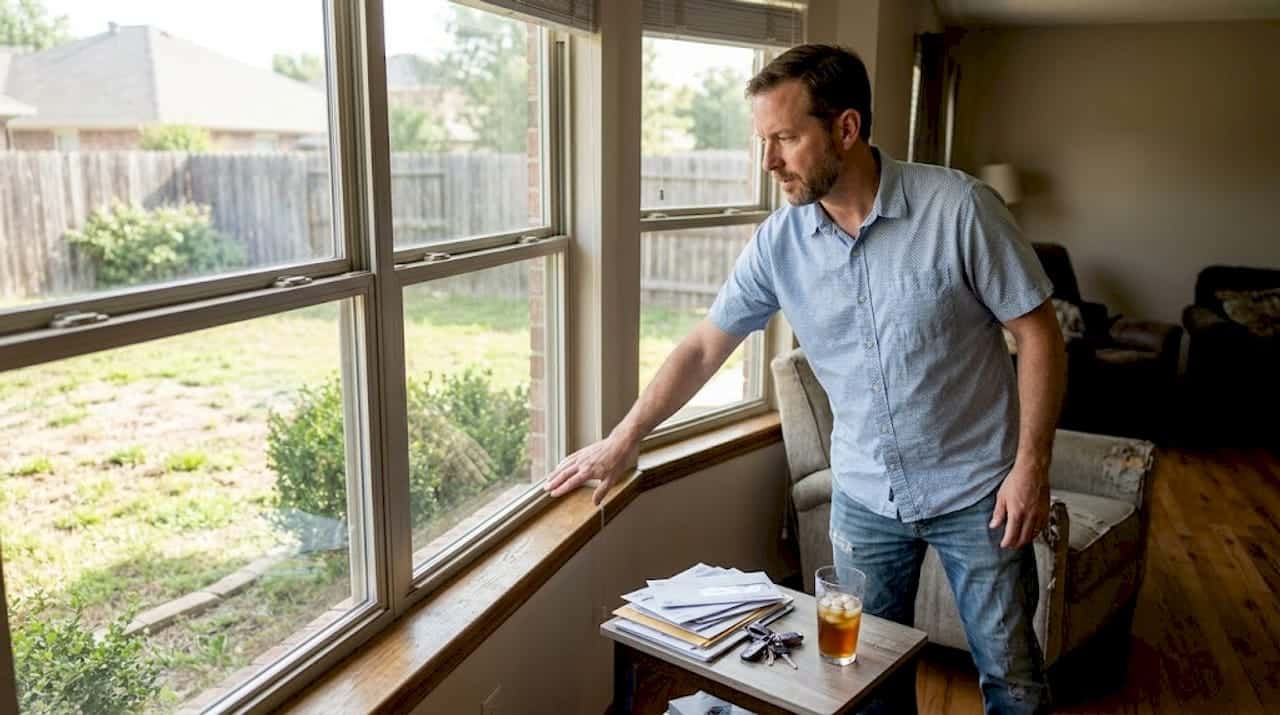
Most homeowners don’t realize how much their old windows are draining their wallets until the problem is already serious. The signs are often subtle at first, but once you know what to look for, they’re hard to miss.
Here are the most common red flags that your windows need replacing:
- Drafts near the frame even when windows are fully closed
- Condensation or fog between panes, which signals a broken seal
- Sticking sashes that are difficult to open or close
- Visible cracks, warping, or rotting in the frame or sill
- Rising energy bills with no clear explanation
- Water stains or soft spots around the interior window trim
In Texas coastal areas, these problems happen faster than most people expect. Salt air corrodes metal hardware and degrades caulking. High humidity causes wooden frames to swell and warp. Tropical storms drive water into the tiniest gaps, and once moisture gets inside your wall cavity, mold can follow quickly.
Old windows can account for significant energy loss and lead to costly repairs over time, so catching these signs early is critical. Just like signs your home needs new siding can prevent major structural damage, window warning signs ignored today become expensive problems tomorrow.
“Replacing windows before major damage sets in is almost always cheaper than repairing the walls, framing, or insulation that get compromised when old windows fail.”
Pro Tip: Run your hand slowly around each closed window on a windy day. If you feel any airflow, your window’s weatherstripping or seal is compromised and it’s time to act.
The benefits of window upgrades go beyond just comfort. Early replacement stops water intrusion in its tracks, reduces AC strain during brutal Texas summers, and eliminates the creeping structural damage that can cost thousands to fix.
Energy efficiency: How new windows lower costs and improve comfort
Once you’ve recognized the costs of keeping old windows, the next question is: how much can you really save by replacing them? The answer depends on your current windows and the upgrades you choose, but the numbers can be significant.
Modern replacement windows use several technologies to cut heat transfer:
- Low-E coatings reflect infrared heat while allowing natural light through
- Double or triple pane glass traps insulating gas between layers
- Foam-filled frames eliminate thermal bridging in the frame itself
- Precision weatherstripping seals gaps that let conditioned air escape
For coastal Texas, where summers are long and brutal, these features matter enormously. A home in Corpus Christi running its AC from May through October gets real, measurable relief from properly sealed, energy-rated windows.
| Window type | Estimated annual energy cost | Reduction vs. single pane |
|---|---|---|
| Single pane (old) | $1,800 to $2,200 | Baseline |
| Double pane, standard | $1,300 to $1,600 | Up to 25% |
| Double pane, Low-E | $1,000 to $1,300 | Up to 40% |
| ENERGY STAR® certified | $900 to $1,100 | Up to 50% |
These estimates vary by home size and usage, but the trend is clear. Old windows allow for significant energy loss, resulting in higher utility bills that compound year after year.
For coastal homes, look specifically for windows rated DP50 or higher (Design Pressure rating). This rating means the window is tested to handle wind speeds and pressure cycles common in hurricane-prone areas, while still delivering energy efficiency.
Pro Tip: Check for the ENERGY STAR® label specific to the “South” climate zone when shopping for Texas windows. Generic ENERGY STAR® windows designed for cold climates won’t perform the same way in Gulf Coast heat.
Understanding window upgrade costs helps you plan a realistic budget, and most homeowners find that the energy savings alone cover a significant portion of the investment over five to seven years. For a deeper look at the technical side of impact-resistant window installation, certified resources can show you exactly what modern window systems are built to handle.
Weather resistance and safety: Why window upgrades safeguard your home
Of course, energy savings aren’t the only concern. Coastal Texas also faces extreme weather threats that make window quality your home’s first line of defense.
Hurricane-season winds, flying debris, and sustained pressure cycles can shatter ordinary windows in minutes. That’s why the construction and installation method of your replacement windows matter just as much as the glass itself.
Here’s what to look for in a storm-ready window system:
- Laminated glass with a PVB interlayer: The plastic layer between glass panes holds shattered glass in place on impact, preventing dangerous fragments from entering your home.
- Structural fasteners into wall studs: Proper impact-resistant installation requires structural screws anchored into studs to handle pressure cycles, not just the surrounding drywall.
- DP50+ certified systems: Professional certification ensures windows meet Texas coastal hurricane codes.
- Reinforced frames: Fiberglass or vinyl composite frames resist warping, corrosion, and impact better than wood or basic aluminum.
| Feature | Standard window | Impact-resistant window |
|---|---|---|
| Glass | Single or double pane | Laminated with PVB layer |
| Frame material | Aluminum or wood | Fiberglass or reinforced vinyl |
| Design pressure rating | DP15 to DP30 | DP50 or higher |
| Break-in resistance | Low | High |
| Storm debris protection | Minimal | Certified |
“Your windows are the most vulnerable points in your home’s envelope during a storm. Upgrading them isn’t optional in coastal Texas. It’s a baseline safety measure.”
Beyond storms, impact-resistant windows also significantly raise the bar for home security. A would-be intruder who encounters laminated glass faces a very different challenge than one who hits standard single-pane glass.
For homeowners on the Gulf Coast, weather-resistant windows designed specifically for coastal conditions are the smart, lasting choice.
Aesthetics and home value: Fresh windows transform curb appeal
While protection and savings are key, the look and value of your home can be transformed by modern windows. This is an upgrade that pays off whether you plan to stay in your home or sell it.
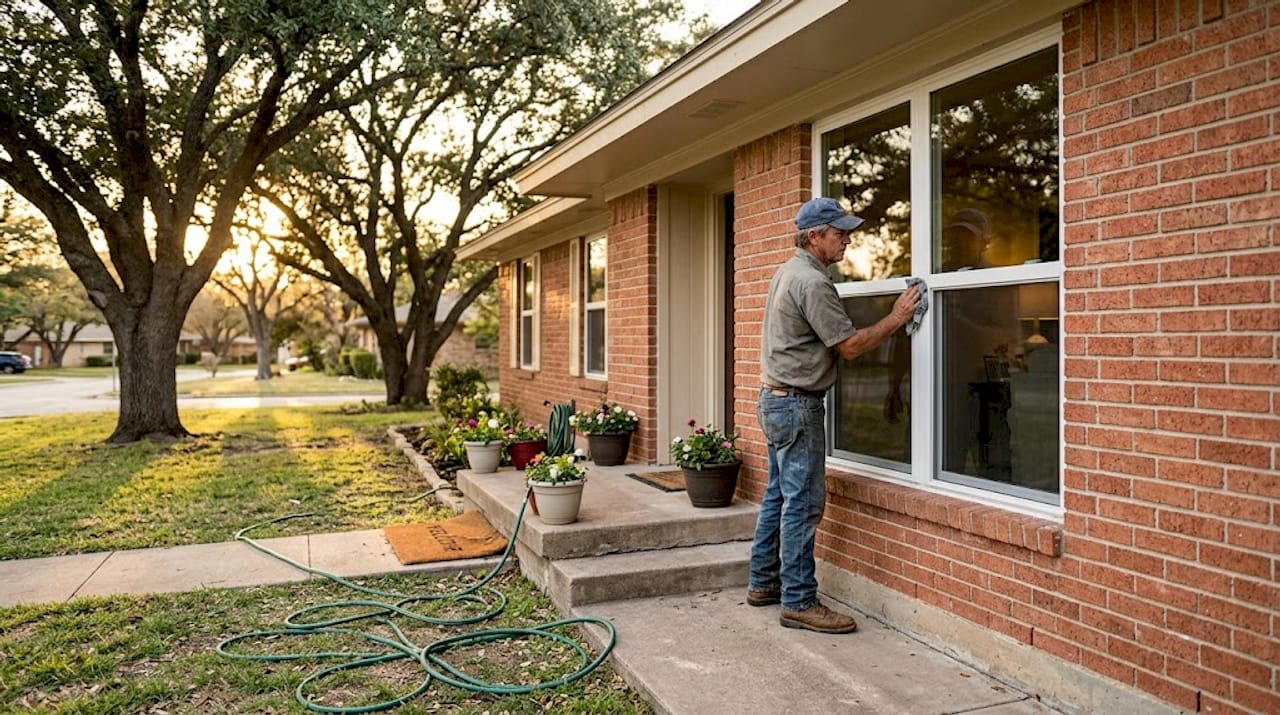
New windows offer a clean, polished appearance that instantly modernizes a home’s exterior. Today’s styles include slim frames for a more open look, custom colors and finishes that complement any exterior palette, and grid patterns that add architectural character without blocking light.
Here’s what updated windows deliver beyond looks:
- Better natural light inside the home, which makes living spaces feel larger and more inviting
- Reduced UV fading on floors, furniture, and artwork thanks to Low-E glass
- Improved noise reduction from street and wind traffic, a real comfort upgrade in busy coastal communities
- Higher perceived value for buyers touring your home during a sale
Window upgrades improve both resale value and modernize the appearance of homes, making them more competitive in the Texas real estate market. In fast-moving coastal markets, homes with updated exteriors tend to sell faster and often at better prices than comparable homes with visibly aging features.
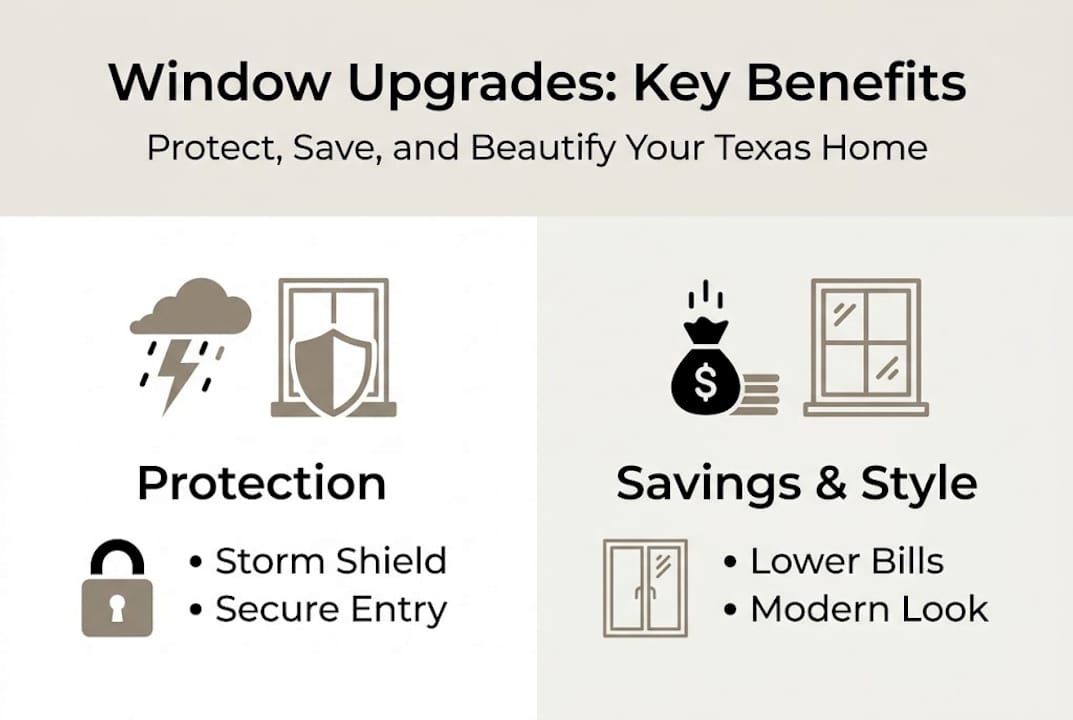
A full new window cost breakdown helps you see the investment clearly. When you factor in energy savings, reduced maintenance, storm protection, and resale value, windows are one of the few home upgrades that genuinely pay for themselves over time.
Pairing a window upgrade with complementary exterior work, like new siding or updated trim, creates a cohesive look that dramatically elevates curb appeal across the whole home.
Professional installation: Why expertise matters for coastal Texas homes
To truly benefit from new windows, how you install them is almost as important as the window itself. Even the best impact-rated window can underperform or fail prematurely if it’s installed incorrectly.
Here’s why professional installation is non-negotiable for coastal Texas:
- Code compliance: Coastal Texas has strict building codes for wind resistance. Certified installers know the local requirements and ensure every window passes inspection.
- Structural anchoring: Proper installation requires structural screws into studs to handle pressure cycles that common DIY installs routinely miss.
- Waterproof flashing: Professionals apply proper flashing tape and sealant around the frame to prevent water intrusion, a critical step in humid, storm-prone environments.
- Warranty protection: Most manufacturers void their warranty if windows aren’t installed by a certified contractor.
- Long-term performance: A correctly installed window maintains its energy ratings and structural integrity for decades. A poorly installed one starts failing within a few years.
Pro Tip: Always ask your installer for their DP rating certification and proof of local licensing before work begins. A reputable contractor will provide this without hesitation.
DIY window installation might seem like a money-saving move, but the risks are real. Improper anchoring can cause windows to blow out during a storm. Gaps in the flashing allow moisture to rot your wall framing. And a voided manufacturer warranty leaves you with zero protection if something goes wrong.
Working with professional window installers who specialize in coastal conditions is the only way to get the full value out of your investment. For homes that need broader attention, pairing window work with home repair services ensures everything gets addressed at once.
Our take: Most homeowners underestimate the impact of window upgrades
After working with homeowners across the Texas coast, we’ve seen a consistent pattern: windows are almost always the last upgrade people think about, and often the most impactful one they’ve been putting off.
The problem is that old windows fail gradually. Drafts get a little worse each year. Energy bills creep up slowly. Salt air quietly eats away at frames. Because no single day feels dramatically worse than the last, the problem stays invisible until something forces the issue, usually a storm or a shocking utility bill.
Waiting is expensive. Every year with underperforming windows adds to your energy costs, increases your storm risk, and lets moisture do quiet damage inside your walls. The homeowners who invest early don’t just save money on bills. They avoid the far larger costs of water damage, mold remediation, and structural repairs.
Exploring exterior upgrades and durability as a whole-home strategy, rather than a room-by-room reaction, is the approach that pays off most in coastal Texas. Windows aren’t just glass. They’re part of your home’s entire defense system.
Upgrade your windows with trusted Texas coastal experts
Ready to stop overpaying on energy bills and start protecting your home from the next storm season? At Buffalo Roofing & Exteriors, we’ve helped hundreds of coastal Texas homeowners make smart, lasting window upgrades that deliver real results.
Our certified installers understand the unique demands of the Gulf Coast climate, from salt air corrosion to hurricane-force wind pressure. Explore our window replacement solutions to see what options fit your home and budget. Looking to go further? Check out our renovation ideas for coastal homes and discover why exterior renovations matter more here than almost anywhere else in Texas. Get your free estimate today.
Frequently asked questions
How do I know if my windows need replacing?
Look for drafts, visible damage, condensation between panes, or rising energy bills as signs it’s time for new windows. Common signs like these often appear gradually but signal real deterioration that will worsen over time.
Are impact-resistant windows worth it for Texas coastal homes?
Yes, they help protect against storms, improve security, and meet local building codes for hurricane-prone areas. Impact-resistant windows offer critical storm protection that standard glass simply cannot match on the Gulf Coast.
Will replacing windows really lower my utility bills?
Yes, upgrading to modern windows can significantly reduce cooling and heating costs, especially during Texas summers. Old windows contribute to high energy loss that adds up to hundreds of dollars every year.
Can I install new windows myself?
Professional installation is strongly recommended for coastal Texas, as certified installers ensure structural integrity and code compliance. Professional certifications and proper anchoring methods are required to achieve storm-resistant performance and maintain your warranty.