TL;DR:
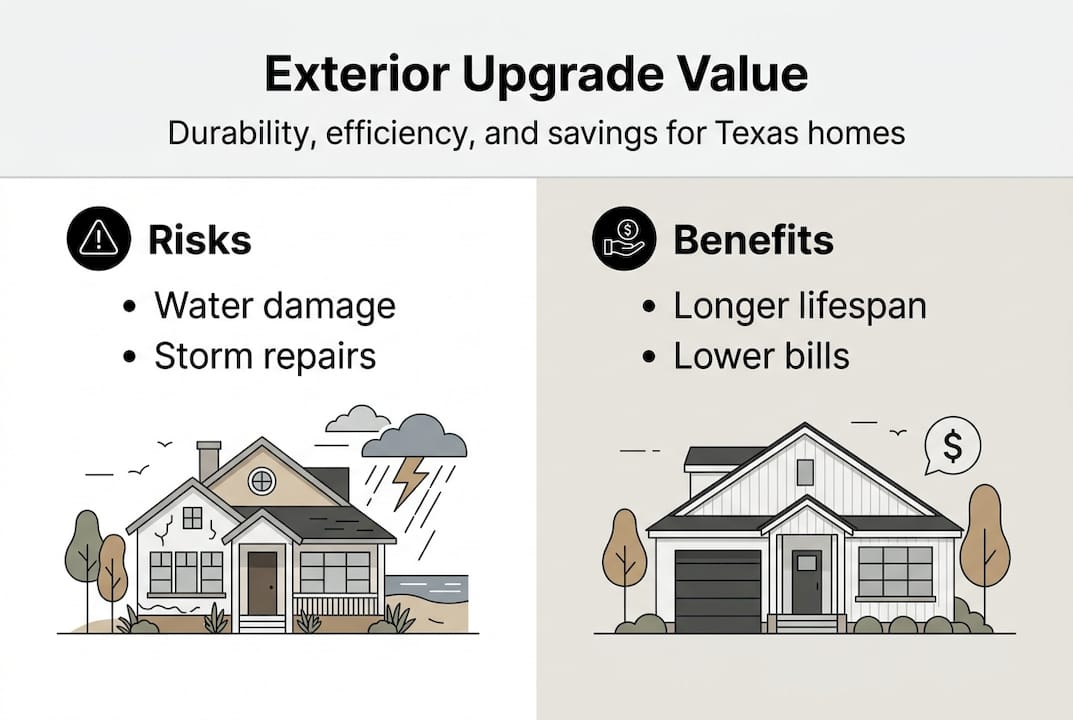
- Coastal Texas exteriors face rapid deterioration due to harsh salt air, humidity, and storms, risking water intrusion and damage.
- Upgrading to impact-resistant, weatherproof materials enhances durability, energy efficiency, and property value.
- Proactive planning and quality installation can save homeowners money, lower insurance premiums, and ensure storm resilience.
Coastal Texas homeowners often assume exterior upgrades are mostly about looks. A fresh coat of paint, maybe new shutters. But one Category 3 storm can shred that thinking along with your siding. The truth is, your home’s exterior is its first and only line of defense against hurricane-force winds, relentless humidity, and salt-laden air that corrodes materials faster than almost anywhere else in the country. This guide breaks down the real risks of outdated exteriors, the measurable benefits of upgrading, what it actually costs, and how to plan a smart project that protects your home for years to come.
Table of Contents
- The risks of outdated or damaged exteriors in coastal Texas
- Benefits of upgrading: Durability, efficiency, and curb appeal
- Costs and ROI: What to expect from an exterior upgrade
- How to plan your upgrade: Steps for Texas homeowners
- What most homeowners miss when upgrading exteriors
- Ready to upgrade? Transform your Texas home with expert help
- Frequently asked questions
Key Takeaways
| Point | Details |
|---|---|
| Modern exteriors cut risk | Upgrading with weatherproof materials dramatically lowers your home’s vulnerability to storms and damage. |
| Boost efficiency and value | New exteriors save energy and increase property value, often paying off over time for Texas homeowners. |
| Proactive upgrades save money | Addressing exterior issues before major damage occurs leads to lower repair bills and less stress. |
| Plan for year-round benefits | Strategic upgrades provide year-round comfort, lower insurance costs, and lasting peace of mind. |
The risks of outdated or damaged exteriors in coastal Texas
Coastal Texas is one of the most demanding environments for any building material. The combination of tropical storms, intense UV radiation, 90-plus percent humidity, and salt air from the Gulf creates a relentless assault on your home’s exterior. Materials that would last 30 years inland might start failing in 10 to 15 years near the coast.
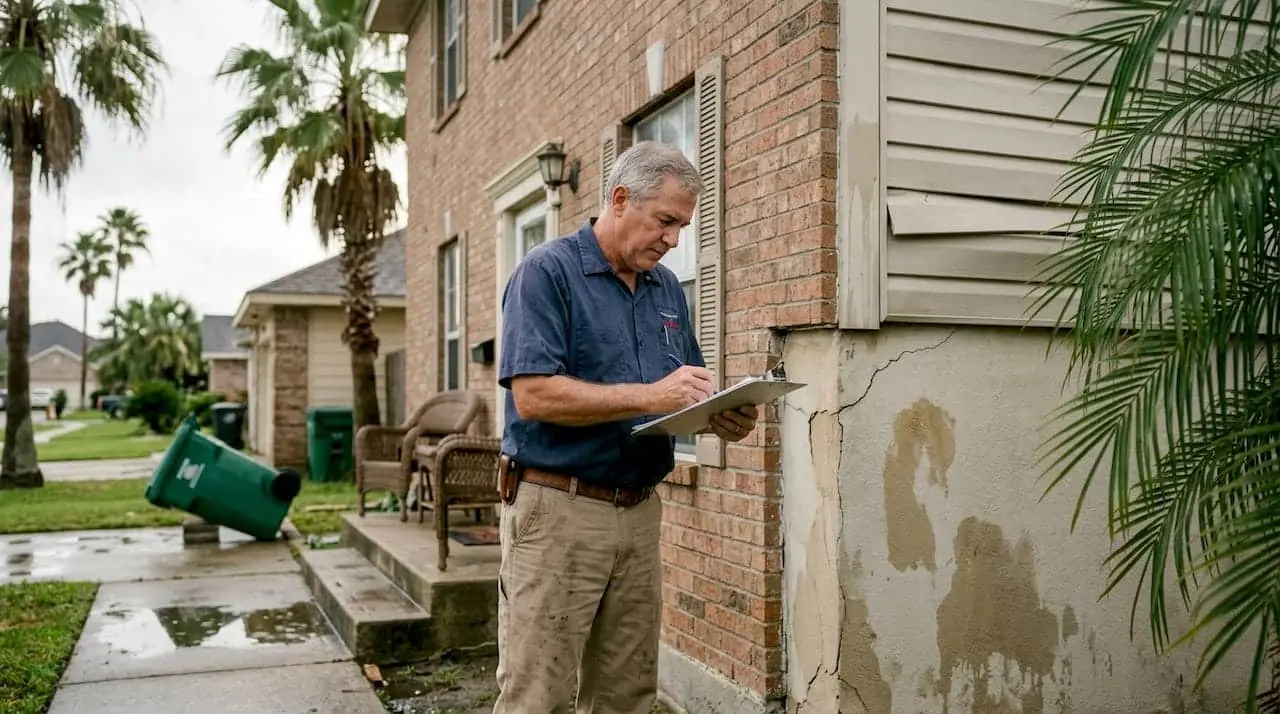
The real danger is not just cosmetic. Failing siding, cracked stucco, or warped wood panels allow moisture to sneak behind your walls. Once water gets in, mold follows fast. Left unchecked, that moisture damages insulation, weakens framing, and can compromise your home’s structural integrity. Repairs at that stage cost far more than a timely upgrade would have.
Insurance is another factor homeowners often overlook. After a major storm event, insurers in Texas have tightened underwriting standards. Homes with older or visibly deteriorated exteriors face higher premiums, reduced coverage options, or outright denial. Weatherproof exterior upgrades can cut Texas storm damage by up to 60%, which is exactly the kind of risk reduction insurers reward.
Being proactive about impact-resistant upgrades is not just smart maintenance. It is financial self-defense.
Common risks by exterior material
| Material | Key risk in coastal Texas | Typical failure timeline |
|---|---|---|
| Wood siding | Rot, mold, termite damage | 8 to 12 years |
| Vinyl siding | Cracking, warping in heat | 10 to 15 years |
| Stucco | Cracking, moisture intrusion | 12 to 18 years |
| Composite/fiber cement | Minimal; best coastal performer | 25 to 40 years |
Red flags your exterior needs an upgrade:
- Visible cracks, warping, or peeling on siding or trim
- Water stains on interior walls or ceilings near exterior surfaces
- Drafts around windows and doors even when closed
- Mold or mildew smell inside rooms adjacent to exterior walls
- Spiking energy bills with no obvious cause
- Difficulty opening or closing windows and doors after storms
Familiarizing yourself with hurricane preparedness best practices can also help you identify which exterior vulnerabilities need the most urgent attention.
Benefits of upgrading: Durability, efficiency, and curb appeal
Modern exterior materials are engineered for conditions that older products simply were not designed to handle. Fiber cement siding, impact-rated windows, and weatherproof roofing systems are tested against wind speeds exceeding 130 mph. That matters when a storm rolls in from the Gulf with little warning.
Durability is the most obvious win. Hurricane-zone rated materials resist impact from debris, resist moisture absorption, and hold up under UV exposure without fading or cracking. You stop spending weekends patching and painting and start actually enjoying your home.
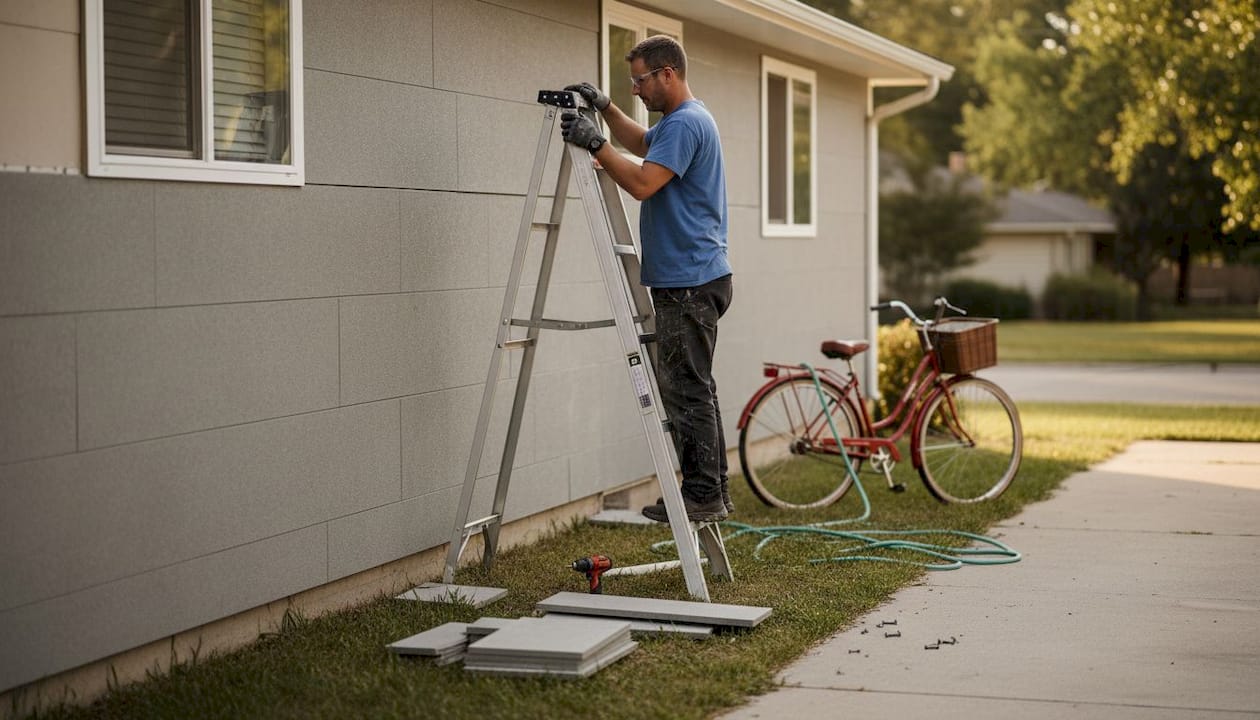
Energy efficiency is the benefit that surprises most homeowners. Insulative siding adds a thermal barrier that your old wood or standard vinyl never provided. Pair that with energy-efficient windows and your air conditioner is not fighting a losing battle against Texas summer heat. Weather-resistant exteriors can provide notable savings by reducing cooling costs, which adds up fast when your AC runs eight months a year.
Curb appeal is real, but it goes beyond vanity. Homes with updated exteriors consistently sell faster and at higher prices. Buyers in coastal Texas know what storm damage looks like, and a well-maintained exterior signals a well-maintained home throughout.
Pro Tip: When selecting materials, look for products specifically rated for hurricane zones. Ask your contractor for the product’s wind speed rating and impact test certification before signing anything.
Standard vs. upgraded exterior features
| Feature | Standard | Upgraded |
|---|---|---|
| Durability | 10 to 15 years | 25 to 40 years |
| Energy efficiency | Minimal insulation | Significant thermal barrier |
| Maintenance demand | High (annual repairs) | Low (5 to 10 year cycles) |
| Estimated ROI | 40 to 50% | 70 to 85% |
Explore the full picture of upgrade benefits and how exterior weatherproofing stacks up for Texas coastal conditions specifically.
Costs and ROI: What to expect from an exterior upgrade
The number one reason homeowners delay upgrades is sticker shock. But the real sticker shock comes after a storm when you are paying out of pocket for emergency repairs, temporary housing, and mold remediation. Framing the cost of an upgrade as an investment changes the math entirely.
For a typical coastal Texas home, exterior upgrade costs generally fall in these ranges in 2026:
Average costs and payback by material type
| Material | Installed cost (avg.) | Annual savings | Payback period |
|---|---|---|---|
| Fiber cement siding | $8,000 to $18,000 | $600 to $1,200 | 8 to 12 years |
| Impact windows | $6,000 to $14,000 | $400 to $900 | 10 to 14 years |
| Weatherproof roofing | $10,000 to $22,000 | $700 to $1,500 | 9 to 13 years |
| Composite trim/fascia | $2,000 to $5,000 | $200 to $400 | 7 to 10 years |
Siding upgrades can cut storm-related repairs by up to 40% and save on cooling bills, which shortens the payback timeline considerably. And real estate value data consistently shows that exterior improvements rank among the highest ROI projects for resale.
Understanding why renovations matter for coastal homes helps you make a case to yourself and your budget.
Steps for estimating your project ROI:
- Get a full exterior inspection to document current condition and identify urgent issues.
- Request itemized bids from at least three licensed contractors.
- Calculate your current annual maintenance and repair spending.
- Add estimated energy savings from improved insulation and windows.
- Factor in any insurance premium reductions for impact-resistant materials.
- Compare total projected savings over 10 years against the upgrade cost.
When you run those numbers honestly, most coastal Texas homeowners find the upgrade pays for itself well before the materials need replacing.
How to plan your upgrade: Steps for Texas homeowners
A well-planned exterior upgrade is not a weekend project. It requires honest assessment, smart prioritization, and the right team. Rushing into it without a plan often leads to mismatched materials, missed code requirements, or work that does not hold up when the next storm arrives.
Start with a thorough assessment. Walk your home’s exterior and note every issue: siding condition, roofing wear, window seals, door frames, and trim. Look for gaps, cracks, and any sign of water intrusion. If you are not sure what to look for, a professional inspection is worth every dollar.
Prioritize by urgency and budget. Not everything needs to happen at once. Roofing and siding typically take priority because they protect everything else. Windows and doors come next. Cosmetic improvements like trim and paint can wait if budget is tight.
Select materials proven for local hazards. Exterior weatherproofing that reduces failure rates by 60% during major storms is not marketing language. It reflects real performance differences between standard and hurricane-rated products.
“The right upgrade may save you thousands during hurricane season.”
Get multiple bids from reputable local professionals. Local contractors understand Corpus Christi’s building codes, permit requirements, and the specific weather patterns that affect material choices. National chains often miss those nuances.
For broader guidance on protecting your property, FEMA’s hurricane building science resources offer solid technical grounding on what construction standards hold up best.
Pro Tip: Schedule your upgrade between November and February. That window avoids peak storm season and often means faster contractor availability and better pricing.
Learn more about protecting coastal homes with materials and methods built specifically for Gulf Coast conditions.
What most homeowners miss when upgrading exteriors
Here is something we see constantly in our work across Corpus Christi, San Antonio, and Victoria: homeowners treat exterior upgrades as a reaction, not a strategy. They wait for the storm damage, the insurance claim, the contractor scramble. Then they upgrade under pressure, with limited choices and inflated post-storm pricing.
The homeowners who come out ahead are the ones who upgrade proactively, before the damage happens. They choose materials on their own timeline, negotiate better pricing, and avoid the stress of emergency repairs. More importantly, they enjoy the benefits every single day: lower energy bills, a more comfortable home, and the quiet confidence that comes from knowing their house can handle what the Gulf throws at it.
Waiting is not neutral. Every season you delay, your existing materials degrade further, your repair costs inch up, and your options narrow. A planned upgrade gives you control. Think about timing your remodel strategically rather than reactively, and the entire experience changes.
Ready to upgrade? Transform your Texas home with expert help
If this guide has made one thing clear, it is that the cost of waiting almost always exceeds the cost of acting. Buffalo Roofing & Exteriors has spent years helping coastal Texas homeowners make smart, lasting upgrades that stand up to Gulf Coast weather.

We offer free assessments, transparent pricing, and financing options so the upgrade you need does not have to wait. Whether you are dealing with coastal Texas renovations, recovering from storm damage with our storm damage restoration services, or starting fresh with our exterior renovation guide, our team is ready to help you build something that lasts. Contact us today for your free consultation.
Frequently asked questions
What are the first signs my home’s exterior needs upgrading?
Look for cracked, warped, or peeling siding, water stains on interior walls, higher energy bills, or difficulty opening windows and doors. These are early warnings that exterior wear can lead to water infiltration and increased repair costs if ignored.
How long does a typical exterior renovation take in Texas?
Most exterior upgrades can be completed in two to six weeks, depending on project size, material availability, and weather conditions during the work period.
What materials are best for coastal Texas homes?
Impact-resistant, weatherproof materials like fiber cement siding and hurricane-rated windows perform best near the coast. Weatherproof materials reduce storm damage by 60 to 70% compared to standard options.
Will an upgrade lower my insurance premiums?
Many insurers offer reduced premiums for homes with impact-resistant roofs and siding, but the exact savings vary by carrier and coverage level, so ask your agent for specifics before your project begins.