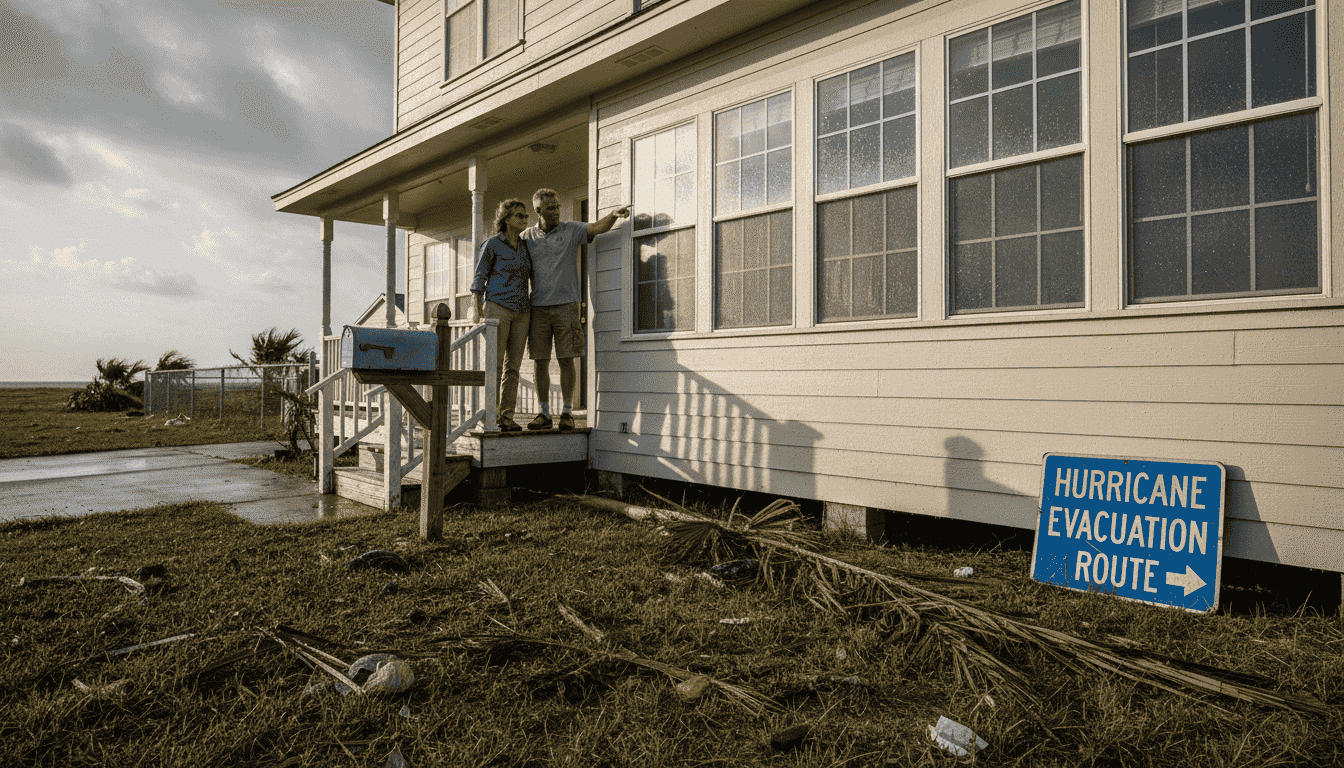
Homes with weatherproof exteriors experience up to 70% less water damage during storms, a crucial advantage for Texas coastal residents facing frequent hurricanes and relentless salt air. This guide explains how weatherproof systems shield your property from wind, water intrusion, and corrosion while reducing repair costs and boosting home value. You’ll discover material comparisons, maintenance strategies, financial benefits, and practical steps to maximize protection.
Table of Contents
- Understanding Weatherproof Exteriors And Their Importance
- How Weatherproof Exteriors Protect Against Storm Damage
- Top Weatherproof Materials Suitable For Texas Coastal Homes
- Common Misconceptions About Weatherproof Exteriors
- Cost Benefits And Long-Term Durability Of Weatherproof Exteriors
- Maintenance Strategies For Longevity And Performance
- Financial Incentives And Property Value Impact
- Conclusion: Choosing And Investing In Weatherproof Exteriors For Texas Coastal Homes
- Enhance Your Home’s Resilience With Buffalo Roofing & Exteriors
- Frequently Asked Questions
Key takeaways
| Point | Details |
|---|---|
| Protection mechanisms | Weatherproof exteriors block wind-driven rain, resist impact debris, and prevent salt air corrosion through specialized barriers and materials. |
| Material durability | Fiber cement siding and metal roofing outperform vinyl in hurricane zones, withstanding winds over 140 mph and resisting salt damage. |
| Cost savings | Quality weatherproofing reduces major repairs by 40% over ten years and can lower insurance premiums by 5-15%. |
| Maintenance importance | Regular inspections and cleaning extend exterior lifespan by 30-50%, preventing early degradation and costly emergency fixes. |
| Property value boost | Homes with certified weatherproof upgrades command higher resale prices and attract buyers seeking storm resilience. |
Understanding weatherproof exteriors and their importance
Weatherproof exteriors are integrated systems engineered to repel wind, block moisture infiltration, and resist corrosion caused by harsh environmental conditions. For Texas coastal homeowners, these systems provide essential defense against hurricanes, sustained high winds, torrential rains, and the constant assault of salt-laden air. Without proper protection, salt air corrosion reduces exterior material lifespan by up to 40%, accelerating decay and requiring frequent costly replacements.
The Texas coast presents unique challenges that demand specialized solutions. Hurricane season brings sustained winds exceeding 100 mph, accompanied by horizontal rain that penetrates standard exterior assemblies. Salt particles carried inland by ocean breezes settle on surfaces, initiating electrochemical reactions that corrode metals, degrade paints, and weaken structural components. High humidity levels further accelerate moisture-related damage, creating ideal conditions for mold growth and wood rot.
Weatherproof systems counter these threats through multiple mechanisms. Physical barriers like properly installed weather-resistant roofing create continuous shields against water intrusion. Corrosion-resistant materials and specialized coatings protect against salt damage. Impact-resistant upgrades deflect wind-driven debris that would otherwise puncture standard exteriors.
Coastal weather risks affecting your home’s exterior include:
- Hurricane force winds exceeding 130 mph that can tear away inadequately secured materials
- Wind-driven rain penetrating through microscopic gaps in standard siding and roofing
- Salt spray corrosion that degrades fasteners, flashing, and surface finishes
- Ultraviolet radiation intensified by coastal reflection, breaking down polymer-based materials
- High humidity promoting moisture accumulation within wall assemblies and attic spaces
Successful exterior weatherproofing in Texas coastal homes requires understanding these specific environmental stressors. Generic exterior systems designed for inland climates fail rapidly when exposed to coastal conditions. Tailoring material selection, installation methods, and maintenance schedules to local weather patterns ensures your investment delivers maximum protection and longevity.
How weatherproof exteriors protect against storm damage
Weatherproof materials function as integrated defense layers that address specific storm threats through engineered properties. Understanding these protection mechanisms helps you appreciate why quality systems justify their higher initial costs through superior long-term performance.
Water barrier properties form the primary defense during heavy rains and hurricanes. Advanced housewrap systems installed beneath exterior cladding create continuous moisture barriers that shed water while allowing vapor transmission. Properly sealed seams, flashing around openings, and overlapped layers prevent water from reaching structural sheathing and framing. This barrier integrity stops the cascading damage that begins with minor leaks and escalates into rot, mold, and structural compromise.
Wind impact resistance protects against debris carried by hurricane-force gusts. Materials rated for high wind zones feature reinforced construction that maintains integrity when struck by projectiles. Impact-resistant siding resists punctures from airborne objects, while properly fastened systems remain attached to structure when standard installations would tear away. Wind ratings indicate tested performance thresholds, with coastal applications requiring materials certified for sustained winds exceeding 140 mph.

Corrosion-resistant coatings and material formulations specifically address salt air challenges. Stainless steel or galvanized fasteners resist rust that weakens standard hardware. Factory-applied protective finishes on fiber cement and metal products create barriers against salt particle penetration. Polymer-based materials formulated with UV stabilizers maintain structural integrity despite constant sun exposure and chemical attack from airborne salts.
Key weatherproof features protecting your home:
- Continuous water-resistive barriers preventing moisture intrusion through wall assemblies
- Impact-rated cladding materials that resist puncture from wind-driven debris
- Corrosion-resistant fastening systems maintaining structural attachment in salt environments
- High wind-rated assemblies tested to remain secure during hurricane-force sustained winds
- Breathable moisture management allowing interior vapor escape while blocking exterior water
Pro Tip: Schedule professional inspections twice yearly, focusing on fastener integrity, sealant condition, and any emerging damage spots. Small repairs caught early prevent expensive cascading failures during the next major storm.
Regular maintenance extends weatherproof exteriors’ lifespan by 30-50% even in harsh coastal conditions. Proactive care preserves barrier functions and material integrity, ensuring your protection systems perform as designed when storms arrive. Simple tasks like cleaning accumulated salt deposits and resealing minor gaps deliver outsized returns on minimal investment.
Coordinated maintenance across roofing, siding, and sealing components creates comprehensive protection. Following a roof maintenance workflow alongside exterior wall care ensures no vulnerability points compromise your home’s defense envelope.
Top weatherproof materials suitable for Texas coastal homes
Material selection determines your exterior system’s performance ceiling. Different products offer varying balances of durability, cost, maintenance requirements, and weather resistance suited to specific coastal exposure levels.
| Material | Wind Resistance | Salt Corrosion Resistance | Lifespan | Upfront Cost | Maintenance |
|---|---|---|---|---|---|
| Fiber Cement | Up to 150 mph | Excellent | 50+ years | High | Low |
| Metal Roofing | 140+ mph | Excellent (coated) | 40-70 years | High | Very Low |
| Vinyl Siding | 110 mph | Good | 20-30 years | Low | Moderate |
| Wood (treated) | Variable | Poor to Fair | 15-30 years | Moderate | High |
Fiber cement siding resists wind speeds up to 150 mph and offers superior salt corrosion resistance, making it the top performer for severe coastal exposure. This engineered composite material combines cement, sand, and cellulose fibers into dense boards that won’t rot, warp, or attract pests. Factory-applied finishes provide excellent UV resistance and color retention. While upfront costs run 30-50% higher than vinyl, the extended lifespan and minimal maintenance deliver superior lifetime value.
Fiber cement advantages:
- Non-combustible composition providing fire resistance in wildfire-prone areas
- Dimensional stability preventing warping and buckling in temperature extremes
- Impact resistance protecting against hail and wind-driven debris
- Termite and rot immunity eliminating common wood siding problems
Vinyl siding offers initial affordability but shows limitations in hurricane zones and under constant UV exposure. Standard vinyl becomes brittle over time, developing cracks that admit moisture. Lower-grade products fade noticeably within 10 years. While adequate for protected inland locations, vinyl performs poorly against the combined assault of salt, sun, and severe weather common along the Texas coast.
Vinyl siding drawbacks for coastal applications:
- Lower impact resistance resulting in punctures during debris impacts
- Thermal expansion and contraction creating gaps at seams and fasteners
- Color fading and chalking requiring more frequent repainting or replacement
- Reduced structural integrity in extreme temperature swings
Metal roofing, particularly steel with protective coatings or aluminum alloys, delivers excellent hurricane performance and corrosion resistance. Standing seam systems interlock to prevent wind uplift and water infiltration. Reflective finishes reduce cooling costs, offsetting higher installation expenses. Understanding what exterior siding options pair effectively with metal roofing optimizes whole-house protection.
Pro Tip: Request material samples and test reports showing wind ratings, impact resistance scores, and accelerated weathering results specific to salt spray exposure. Don’t rely solely on manufacturer marketing claims.
Common misconceptions about weatherproof exteriors
Widespread myths about exterior weatherproofing lead homeowners toward inadequate solutions that fail during critical storm events. Correcting these misconceptions with evidence prevents costly mistakes.
- Vinyl siding represents the most durable coastal option
Many homeowners assume vinyl’s popularity indicates superior performance, but vinyl siding fails 2.5 times more often than fiber cement in hurricane conditions. Standard vinyl lacks the impact resistance and structural integrity needed for severe coastal weather. While vinyl works adequately in mild climates, it becomes a liability in hurricane zones where wind-driven debris and extreme forces overwhelm its capabilities.
- Salt air corrosion poses minimal threat to exterior materials
Some believe coastal salt effects are exaggerated, yet research confirms salt exposure significantly accelerates material degradation. Untreated steel fasteners rust through within five years of coastal installation. Paint finishes without salt-resistant formulations blister and peel prematurely. Ignoring this reality leads to premature system failure and expensive emergency replacements.
- Weatherproof exteriors require little ongoing maintenance
The durability of quality materials creates a false sense of invincibility. Even the best weatherproof systems need regular attention to maintain peak performance. Accumulated salt deposits must be washed away. Sealants dry out and require renewal. Minor damage spots left unaddressed expand into major failures. Neglecting maintenance can reduce exterior lifespan by 40%, negating the durability advantages you paid premium prices to obtain.
These misconceptions carry real financial consequences. Homeowners choosing vinyl over fiber cement for coastal applications face repair costs averaging $8,000 to $15,000 after major storms. Those neglecting maintenance discover insurance claims denied due to poor upkeep documentation. Property values suffer when appraisers note inadequate weather protection for the local climate zone.
Making evidence-based decisions requires looking beyond initial price tags and marketing promises. Evaluate materials based on tested performance in conditions matching your exposure level. Factor maintenance requirements into total ownership costs. Prioritize proven track records over trendy new products lacking long-term coastal performance data.
Cost benefits and long-term durability of weatherproof exteriors
Investing in quality weatherproof exteriors delivers measurable financial returns through reduced repair frequency, insurance savings, and extended material lifespan. Understanding these benefits in concrete numbers helps justify upfront costs.
| Benefit Category | Standard Materials | Weatherproof Materials | Improvement |
|---|---|---|---|
| Major Repairs (10 years) | 3-4 incidents | 1-2 incidents | 40-50% reduction |
| Insurance Premium | Baseline | 5-15% discount | $200-600 annual savings |
| Material Lifespan | 15-25 years | 40-70 years | 2-3x longevity |
| Emergency Repairs | $12,000 average | $4,000 average | 67% cost reduction |
Durable weatherproof materials reduce major repair frequency by 40% over 10 years compared to standard exterior systems. Fewer emergency calls for storm damage repairs translate directly into thousands of dollars retained in your bank account rather than paid to contractors. The initial premium for fiber cement siding or metal roofing typically pays for itself within 12 to 15 years through avoided repair costs alone.
Insurance carriers recognize superior weather protection by offering premium discounts ranging from 5% to 15% for documented upgrades. A homeowner paying $2,400 annually saves $120 to $360 per year with qualifying improvements. Over a 30-year ownership period, this compounds into $3,600 to $10,800 in cumulative savings. Insurers require certification documents and inspection verification, so maintain detailed records of materials used and installation quality.
Common financial benefits of weatherproof exteriors:
- Property value retention maintaining higher resale prices in storm-prone markets
- Lower emergency repair costs due to damage prevention rather than reactive fixes
- Extended replacement cycles reducing frequency of major renovation expenses
- Energy efficiency improvements through better envelope sealing and thermal performance
- Resale market appeal attracting buyers willing to pay premiums for proven protection
Long-term cost analysis reveals fiber cement and metal roofing deliver lower total ownership costs despite higher initial prices. Vinyl siding requiring replacement every 20 years results in 2-3 installations over typical homeownership periods. Factor in associated costs like painting, repairs, and storm damage, and the seemingly affordable option becomes expensive. Quality materials installed once and maintained properly cost less over multi-decade horizons.
Maximizing these financial benefits requires commitment to ongoing care. Following storm damage repair tips prevents small issues from escalating. Documenting maintenance activities supports insurance claims and property value assertions during resale negotiations.
Maintenance strategies for longevity and performance
Systematic maintenance preserves weatherproof exterior performance and extends material lifespan well beyond manufacturer minimums. Following a structured approach ensures no critical tasks get overlooked.
- Clean exterior surfaces twice yearly
Rinse away accumulated salt deposits, dirt, and organic growth using gentle water pressure. Apply cleaners formulated for specific materials, avoiding harsh chemicals that damage protective finishes. Focus on south and east-facing walls receiving maximum sun and salt exposure. Schedule cleanings in spring and fall, ideally after storm seasons.
- Inspect for damage quarterly
Walk your home’s perimeter examining siding, trim, and roofing for cracks, loose fasteners, or sealant failures. Check flashing around windows, doors, and roof penetrations. Look for discoloration indicating moisture intrusion. Document findings with photos and dates, creating maintenance history records useful for insurance and resale purposes.
- Reseal joints and penetrations annually
Examine caulk around windows, doors, utility penetrations, and trim joints. Remove deteriorated sealant and apply fresh beads using products rated for coastal exposure. Silicone or polyurethane formulations withstand UV and salt better than standard latex caulks. Proper sealing prevents water infiltration that undermines even premium materials.
- Address minor damage immediately
Repair small cracks, replace broken fasteners, and touch up finish damage before problems expand. A $50 tube of sealant applied promptly prevents $2,000 in water damage repairs later. Keep spare materials on hand matching your installed products for quick fixes.
- Schedule professional inspections after major storms
Hurricanes and severe weather events can cause hidden damage not obvious during casual observation. Professional inspectors identify compromised areas requiring attention before next season’s storms arrive. Coordinated siding maintenance catches problems early.
Pro Tip: Maintain a digital maintenance log with dated photos, receipts for materials, and notes on work completed. This documentation proves proper upkeep to insurance adjusters after storm damage and reassures buyers during home sales.
Cleaning product compatibility matters significantly. Power washing fiber cement requires lower pressure than vinyl to avoid surface damage. Metal roofing needs pH-neutral cleaners preventing finish degradation. Always test products on inconspicuous areas first, following manufacturer guidelines for specific materials installed on your home.
Routine care prevents the gradual performance decline that occurs when maintenance lapses. A well-maintained weatherproof exterior in year 20 outperforms a neglected system at year 10, delivering protection and appearance exceeding original specifications.
Financial incentives and property value impact
Weatherproof exterior investments influence home valuations and ownership costs through multiple financial channels recognized by buyers, appraisers, and insurance providers.
Property value improvements from certified weatherproof upgrades average 3% to 8% in coastal Texas markets where storm resilience commands premium pricing. Homes demonstrating superior weather protection sell faster and attract buyers willing to pay more for peace of mind. Appraisers document specific improvements like impact-rated materials and wind-certified installations, directly affecting comparable sales adjustments.
Insurance premium reductions provide ongoing savings that accumulate significantly over ownership periods. Carriers offer discounts when homes meet fortified construction standards or include specific protective features. Document qualifying improvements with receipts, certifications, and professional installation verification. Submit this evidence during policy applications or renewal periods to secure maximum discounts.
Resale advantages for Texas coastal homes with weatherproof certification:
- Faster sales cycles due to buyer preference for storm-ready properties
- Higher offer prices reflecting reduced future repair risk and insurance costs
- Broader buyer pool including insurance-conscious and risk-averse purchasers
- Positive inspection reports free from deferred maintenance red flags
- Marketing appeal highlighting protection against specific local weather threats
These financial incentives improve return on investment calculations for exterior upgrades. A $25,000 weatherproofing project generating $15,000 in added home value, $300 annual insurance savings, and $5,000 in avoided repairs over 10 years produces measurable returns. Factor in extended material lifespan delaying replacement costs, and the investment case strengthens further.
Homeowners planning exterior improvements should prioritize weather protection features offering both immediate functionality and long-term financial benefits. Consult insurance providers early to understand specific requirements for premium discounts. Work with contractors familiar with certification programs and documentation needs supporting value claims.
Conclusion: Choosing and investing in weatherproof exteriors for Texas coastal homes
Weatherproof exteriors provide essential protection against the severe weather challenges facing Texas coastal homeowners. Hurricane-force winds, relentless salt air, and torrential rains demand materials and systems engineered specifically for these harsh conditions.
Durable materials like fiber cement siding and metal roofing outperform standard options by significant margins, resisting impact damage, wind uplift, and corrosion that quickly degrade lesser alternatives. While initial costs run higher, extended lifespans and reduced repair frequency deliver superior long-term value. Insurance premium savings and property value improvements further enhance financial returns.
Maintenance plays a critical role in maximizing protection and longevity. Regular cleaning, inspections, and prompt repairs prevent minor issues from escalating into expensive failures. Documented maintenance histories support insurance claims and property value assertions.
Financial benefits extend beyond damage prevention, encompassing insurance discounts, property value premiums, and reduced lifetime ownership costs. Quality weatherproofing represents an investment in home resilience and financial security rather than a discretionary expense.
Final recommendations for protecting your coastal home:
- Assess current exterior condition and exposure level to identify vulnerability points
- Select materials with proven coastal performance records rather than lowest initial cost
- Prioritize wind ratings exceeding 140 mph and documented salt corrosion resistance
- Implement structured maintenance schedules addressing cleaning, inspection, and repairs
- Document all improvements and maintenance for insurance and resale purposes
- Consult contractors experienced with Texas coastal conditions and certification requirements
Understanding what exterior renovation entails helps you plan comprehensive improvements addressing all weather protection aspects. Professional guidance ensures proper material selection, installation quality, and maintenance planning tailored to your specific location and exposure level.
Enhance your home’s resilience with Buffalo Roofing & Exteriors
Protecting your Texas coastal home requires expertise in materials, installation techniques, and maintenance strategies proven effective against hurricanes and salt air. Buffalo Roofing & Exteriors specializes in weatherproof solutions designed specifically for Corpus Christi, San Antonio, and Victoria area conditions.
Our weather-resistant roofing solutions and expert exterior services deliver comprehensive protection tailored to coastal exposure levels. From impact-rated siding installations to complete roof replacements using hurricane-certified materials, we provide the quality craftsmanship your home deserves.
When storms cause damage, our storm damage repair services restore and strengthen your home’s defenses. We handle insurance documentation, material selection, and professional installation ensuring repairs exceed original specifications. Schedule a consultation to discuss how weatherproof upgrades protect your investment while reducing long-term costs.
Frequently asked questions
What types of exterior materials best withstand hurricanes on the Texas coast?
Fiber cement siding and metal roofing provide superior hurricane resistance, with wind ratings often exceeding 140 mph suitable for coastal storms. These materials resist impact damage from wind-driven debris better than vinyl alternatives. Their corrosion-resistant properties also protect against salt air degradation that shortens lifespan in coastal environments.
How does regular maintenance affect the lifespan of weatherproof exteriors?
Maintenance extends weatherproof exterior lifespan by 30-50% through prevention of early degradation and damage escalation. Regular cleaning removes corrosive salt deposits, while inspections catch small problems before they expand. Timely sealant renewal and minor repairs preserve barrier integrity, ensuring materials deliver their full rated lifespan.
Can investing in weatherproof exteriors reduce my homeowner’s insurance premiums in Texas?
Yes, quality weatherproof exteriors can lower insurance premiums by 5-15% due to reduced storm damage claim risk. Insurance carriers recognize superior protection through certified materials and professional installation. Document your upgrades with receipts, certifications, and inspection reports when requesting premium discounts from your insurance provider.
What are common misconceptions about weatherproof exteriors I should avoid?
Many homeowners mistakenly believe vinyl siding offers maximum durability, ignore salt air corrosion threats, and underestimate ongoing maintenance requirements. Vinyl actually fails 2.5 times more often than fiber cement during hurricanes. Salt air reduces unprotected material lifespan by 40%. Even durable systems need regular care to maintain performance, making these misconceptions costly when planning exterior upgrades.
How much can weatherproof exteriors reduce storm damage repair costs?
Quality weatherproof materials reduce major repair incidents by 40-50% over 10-year periods compared to standard exteriors. Emergency repair costs drop from $12,000 averages to around $4,000 when superior materials prevent severe damage. Combined with insurance savings and extended material lifespan, weatherproofing delivers measurable financial returns justifying higher upfront investment.