TL;DR:
- Coastal Texas homes require specialized materials and certifications to withstand storm damage.
- Post-storm assessment and documentation are critical for insurance claims and compliance.
- Investing in FORTIFIED standards and impact-resistant materials offers long-term protection and insurance savings.
The Gulf Coast doesn’t give second chances. After a major storm rolls through Corpus Christi or Victoria, the clock starts immediately on protecting your home from further damage, navigating insurance claims, and deciding which upgrades will actually hold up against the next hurricane season. Coastal Texas homeowners face a unique set of challenges that inland properties simply don’t encounter: salt air corrosion, sustained high winds, and building codes that demand more than standard materials can deliver. The home exterior upgrade process after storm damage begins with safety assessment and temporary protection, then moves through documentation, professional inspection, code compliance, and finally durable material upgrades. This guide walks you through every step.
Table of Contents
- Assessing damage and ensuring safety
- Inspection, certification, and compliance requirements
- Planning your upgrade: Materials, methods, and FORTIFIED standard
- Execution: Restoration, upgrades, and final approval
- What most guides miss: The real payoffs (and pitfalls) of going beyond basic repairs
- Ready to upgrade or need expert help?
- Frequently asked questions
Key Takeaways
| Point | Details |
|---|---|
| Document and protect early | Quick safety checks and damage documentation set you up for stress-free insurance claims and repairs. |
| Certification is mandatory | Coastal Texas repairs must pass inspections for insurance-covered claims and long-term home value. |
| FORTIFIED upgrades pay off | Hurricane-rated exteriors using FORTIFIED materials save you money and last years longer than standard options. |
| Plan every step | A clear, staged process from triage to inspection prevents delays and helps you avoid costly mistakes. |
Assessing damage and ensuring safety
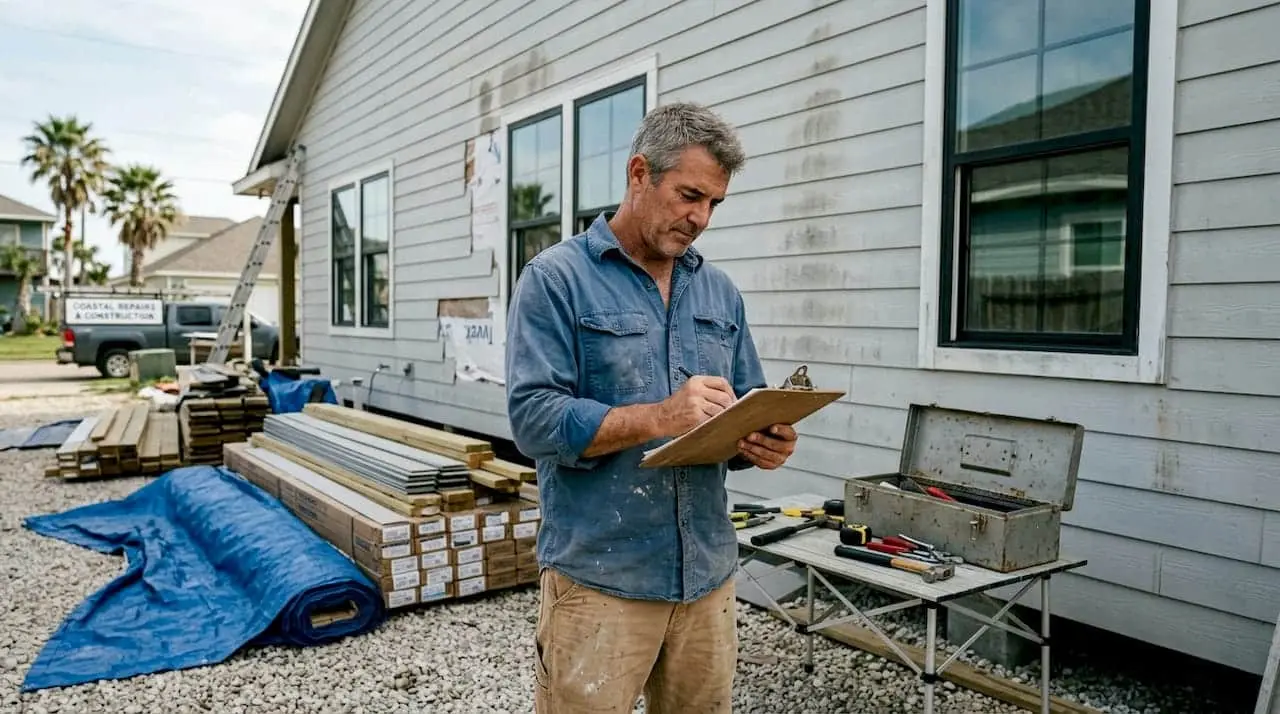
Once you’ve grasped the importance of taking action after a storm, the first priority is to safeguard your home and start recording the damage. Before you touch anything, scan your property from a safe distance. Downed power lines, leaning walls, and compromised roof sections are all immediate hazards that require professional attention before you step foot inside.
Here’s a simple sequence to follow in the first 24 to 48 hours:
- Check for active hazards such as downed wires, gas leaks, or structurally unstable sections. Call your utility company if you suspect electrical issues.
- Apply temporary protection using tarps or plywood boards over breached roof sections, broken windows, or damaged doors to stop water from getting in.
- Document everything with photos and video before any cleanup begins. Walk the entire perimeter and capture every angle.
- Contact your insurer as soon as possible to open a claim and ask about their preferred inspection process.
- Keep a written log of all communications, dates, and contractor visits from day one.
The documentation step is the one most homeowners underestimate. Insurance adjusters rely on your evidence to validate claims. Blurry photos or missing footage of specific damage areas can cost you thousands in denied coverage.
When it comes to upgrading exteriors in coastal Texas, the post-storm window is actually the best time to plan improvements because insurance funding may cover part of the cost. Follow a storm damage restoration guide to make sure you don’t skip any critical step in the recovery process.
“The most common mistake after a storm is rushing cleanup before documenting. Once debris is removed, the evidence is gone.”
Pro Tip: Create a post-storm checklist before hurricane season starts. Store it with your insurance policy documents so it’s ready when you need it most.
Inspection, certification, and compliance requirements
After documenting your damage, the next step involves professional evaluations and meeting regulatory standards unique to the Texas coast. A standard home inspection won’t cut it here. You need a forensic inspection, which means a licensed professional who can identify hidden structural damage, moisture intrusion behind walls, and compromised fasteners that a visual check would miss.
Texas coastal counties fall under specific windstorm requirements managed by the Texas Windstorm Insurance Association (TWIA) and the Texas Department of Insurance (TDI). Windstorm certification is not optional if you want insurance coverage to remain valid after repairs. Any work done on your roof, windows, or exterior walls in a designated windstorm zone must be inspected and certified by a TDI-approved inspector.
Here’s what that typically means for your project:
- Class 4 impact-resistant shingles are required in many coastal counties
- Impact-rated windows and doors must meet tested pressure ratings
- Sealed roof decks are required to prevent wind-driven rain intrusion
- Corrosion-resistant fasteners are mandatory in salt-air environments
| Required item | Applicable area | Certification needed |
|---|---|---|
| Windstorm inspection | All TWIA counties | TDI WPI-8 form |
| Impact-rated windows | Nueces, Aransas, Calhoun | TDI approval |
| Class 4 shingles | All coastal counties | Manufacturer cert |
| Sealed roof deck | All TWIA zones | Inspector sign-off |
| Corrosion-resistant hardware | Beachfront properties | Product data sheet |
Texas coastal building codes require windstorm certification for insurance, and post-storm repairs must meet current IRC/IBC standards. Skipping this step doesn’t just risk your coverage. It can also make your home harder to sell and leave you personally liable for future storm damage.
The FORTIFIED program standards go beyond minimum code and provide a roadmap for building to a higher level of resilience, which matters a great deal on the Texas coast.
Pro Tip: Schedule your professional inspection within the first week after a storm. Post-storm backlogs fill up fast, and delays can push your project timeline back by months.
Planning your upgrade: Materials, methods, and FORTIFIED standard
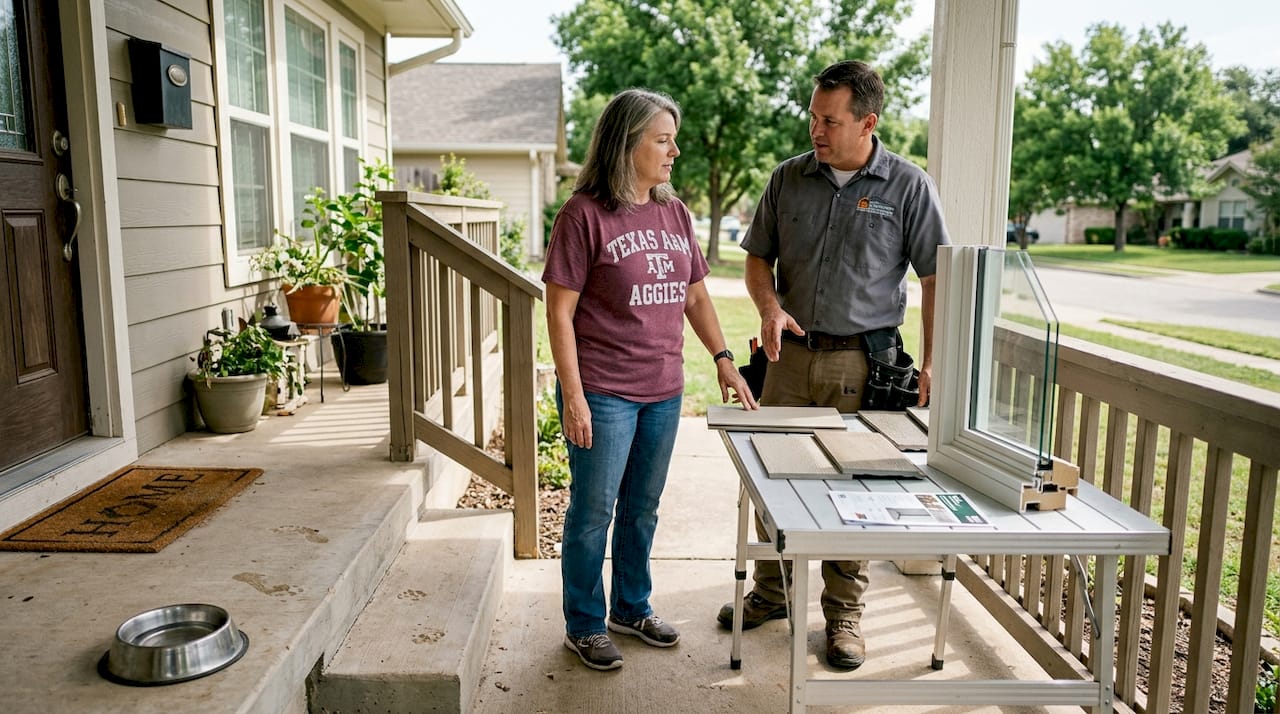
Once compliance is addressed, it’s time to consider which upgrades will yield the best protection and financial return. This is where a lot of coastal homeowners make a costly mistake: they choose the same materials they’d use inland. Vinyl siding, standard asphalt shingles, and single-pane windows may pass basic code in Dallas, but they fail quickly in the salt air, humidity, and wind loads of the Gulf Coast.
Here’s a direct comparison of standard versus coastal-rated materials:
| Component | Standard material | Coastal-rated alternative |
|---|---|---|
| Siding | Vinyl | Fiber cement (e.g., HardiePlank) |
| Roofing | 3-tab asphalt shingles | Class 4 impact-resistant shingles |
| Windows | Single-pane aluminum | Impact-rated laminated glass |
| Doors | Standard hollow-core | Reinforced steel or fiberglass |
| Fasteners | Standard galvanized | Stainless steel or hot-dipped |
The FORTIFIED Home standard from the Insurance Institute for Business and Home Safety (IBHS) is the benchmark for hurricane and high-wind zones. It requires sealed roof decks, impact-rated openings, and corrosion protection throughout, and homes built to this standard see 73% fewer claims and up to 24% insurance savings.
The financial case for weather-resistant exteriors is hard to argue with. Homeowners who invest in impact-resistant upgrades often qualify for a 10 to 35% insurance premium discount in 2026, which can offset the higher upfront cost within a few years.
Key benefits of going FORTIFIED or code-plus:
- Longer material lifespan in salt and humidity
- Lower maintenance frequency and cost
- Higher resale value in coastal markets
- Reduced risk of repeated storm damage
Pro Tip: Ask your contractor to provide a written breakdown of every FORTIFIED feature included in your project and how each one will be verified before final sign-off.
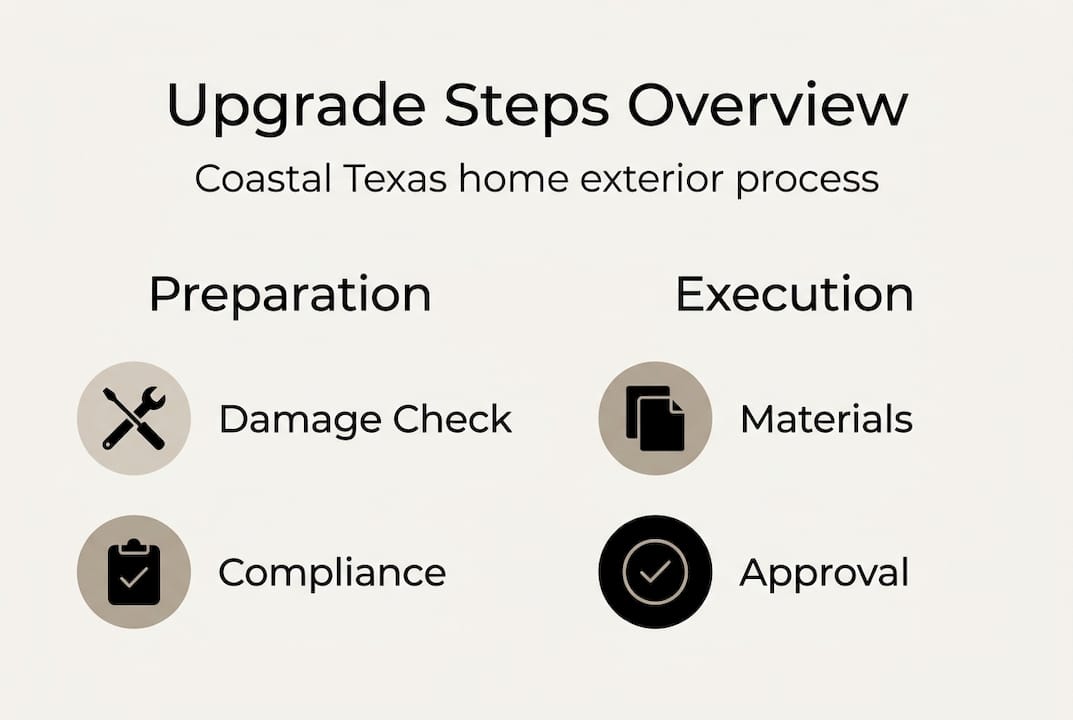
Execution: Restoration, upgrades, and final approval
With a clear plan and the right materials, it’s time to turn your upgrade vision into reality. The execution phase is where projects either stay on track or fall apart. Sequencing matters more than most homeowners realize.
Follow this order for major exterior work:
- Remove all damaged materials including compromised roofing, siding, windows, and doors. Don’t leave old layers under new ones.
- Repair structural components such as sheathing, framing, and flashing before any new materials go on.
- Install roof system first because everything else depends on a watertight roof above.
- Upgrade windows and doors with impact-rated units and ensure proper flashing and sealing around every opening.
- Install siding and trim using corrosion-resistant fasteners and appropriate moisture barriers.
- Schedule re-inspection before closing out the insurance claim to confirm all work meets code.
Insurance-funded restorations in Texas coastal counties require code-compliant upgrades for continued coverage. That means you can’t simply replace like-for-like if the original materials no longer meet current standards.
Common execution pitfalls to avoid:
- Pulling permits late, which delays inspections and final approval
- Choosing materials that are backordered after a major storm event
- Letting contractors skip re-inspection to close the job faster
Review the complete restoration steps to understand how each phase connects, and learn how weatherproofing benefits compound over time when the work is done right the first time.
Pro Tip: Use a written punch list to verify every task before you sign off with your contractor. If it’s not on paper, it’s too easy to overlook.
What most guides miss: The real payoffs (and pitfalls) of going beyond basic repairs
Before wrapping up, it helps to look at this process from a long-term, expert perspective. Most homeowners treat storm repairs as a reset button: fix what broke, get back to normal, move on. That mindset is exactly what leads to repeated damage, repeated claims, and steadily rising premiums.
The truth is that minimum code compliance is a floor, not a goal. Homes that stop there often face the same failures in the next storm because the underlying vulnerabilities were never addressed. The most effective upgrades, specifically roofing, windows, and siding, are also the most heavily insurance-incentivized. That alignment isn’t a coincidence. Insurers know these components drive the most claims.
Upgrades pay back through insurance discounts of 10 to 35% despite higher upfront costs. Over a 10-year horizon, that math almost always favors investing in better materials now. The homeowners we see with the most regrets are those who skipped re-inspection to save time, or hired unverified contractors who cut corners on fasteners and flashing. Those decisions look cheap in the short term and expensive in the long term.
If you want to cut storm damage with upgrades over the long haul, the strategy is simple: treat every storm repair as an opportunity to build back stronger, not just back to where you were.
Ready to upgrade or need expert help?
If you’ve just come through a storm or you’re planning ahead for the next hurricane season, working with a contractor who knows coastal Texas codes and materials makes a real difference.
At Buffalo Roofing & Exteriors, we specialize in expert storm restoration across Corpus Christi, San Antonio, and Victoria. From weather-resistant roofing systems to full coastal exterior renovation projects, our team handles every step from documentation to final certification. We offer free estimates, financing options, and the local expertise to get your home protected and your insurance claim closed correctly. Contact us today to get started.
Frequently asked questions
Do I always need to use FORTIFIED materials for a coastal Texas exterior upgrade?
While not always required, FORTIFIED materials dramatically increase durability and usually result in lower insurance premiums. Homes built to FORTIFIED standards see 73% fewer claims and up to 24% insurance savings in hurricane-prone regions.
What happens if I skip getting windstorm certification for my repairs?
Without certification, you may become ineligible for insurance coverage, and future claims could be denied. Texas coastal codes require TWIA/TDI windstorm certification for all post-storm repairs in designated windstorm zones.
How can I speed up the exterior upgrade process after a hurricane?
Start by documenting damage thoroughly, contacting your insurer, and scheduling professional inspections as soon as possible to avoid delays. Following a structured storm damage restoration process keeps every phase on track.
Will insurance pay for upgrades to code-compliant or FORTIFIED materials?
Insurance typically covers code-required upgrades, but you may need to pay the difference for stronger FORTIFIED options. These investments often result in future savings because FORTIFIED upgrades qualify for 10 to 35% insurance premium discounts.
Recommended
- Why upgrade home exteriors in coastal Texas in 2026
- Step-by-Step Siding Installation Workflow for Texas Coastal Homes
- Why exterior renovations matter for coastal Texas homes
- Impact-resistant upgrades reduce coastal damage by 70%
- Home exterior maintenance tips to boost curb appeal
- Roofing Company Corpus Christi TX