
TL;DR:
- Coastal Texas homes need impact-rated, weather-resistant windows to withstand storms and salt air.
- Proper materials and installation practices are critical for long-term durability and energy efficiency.
- Regular maintenance and expert installation help maximize window performance and protect the home.
Most homeowners assume that any new window offers reasonable protection against the elements. On the Texas coast, that assumption can cost you thousands. Coastal Texas sits in one of the most weather-punishing zones in the country, where hurricanes, salt air, and relentless humidity test every surface on your home year after year. Standard windows were not engineered for this environment. They can fail under storm pressure, let in moisture, and quietly drive up your energy bills. This guide walks you through everything you need to know about choosing weather-resistant windows, from the materials that hold up best to the installation details that make or break long-term performance.
Table of Contents
- Why weather resistance matters for window replacement in coastal Texas
- Key features of weather-resistant windows
- Comparing window materials for superior weather protection
- Best practices for installation and long-term performance
- A smarter path: Lessons from Texas homeowners and experts
- Next steps: Protect your home with trusted local experts
- Frequently asked questions
Key Takeaways
| Point | Details |
|---|---|
| Region-specific threats | Coastal Texas windows must withstand hurricanes, salt, and high humidity to protect homes. |
| Smart material choices | Fiberglass and impact-rated glass excel for storm protection and energy savings along the Gulf Coast. |
| Expert installation required | Professional window installation prevents leaks and ensures weather-resistant features work as designed. |
| Ongoing maintenance matters | Routine inspections help weatherproof windows last longer and keep homes safe from costly damage. |
Why weather resistance matters for window replacement in coastal Texas
Weather resistance in windows is not a marketing term. It refers to a window’s measurable ability to withstand wind pressure, water infiltration, and physical impact from airborne debris. In coastal Texas, those threats are not hypothetical. They show up every hurricane season, and even in quieter years, the combination of salt air, high humidity, and intense UV exposure quietly degrades materials that were never designed for this climate.
Texas coastal weather brings hurricane-force winds, heavy rain, and intense UV exposure, all of which severely test traditional windows.
The consequences of installing standard windows in a coastal home are real and expensive. Here is what homeowners regularly deal with when they skip weather-resistant options:
- Frame warping and seal failure within two to three years from humidity and salt exposure
- Water intrusion that leads to mold, rot, and structural damage inside walls
- Shattered glass from storm debris, creating immediate safety hazards
- Skyrocketing cooling bills from poor insulation and broken seals
- Reduced home value when buyers see outdated or damaged windows during inspection
The financial case for upgrading is strong. Investing in weather-resistant exteriors is one of the highest-return decisions a coastal homeowner can make. Proper weatherproofing for coastal homes also reduces energy consumption significantly, which adds up fast in a Texas summer.
Pro Tip: Do not wait for storm damage to prompt a window upgrade. Proactive replacement before hurricane season gives you time to choose the right product and schedule a qualified installer without the pressure of an emergency.
With the stakes and priorities established, let’s look at what makes a window truly weather-resistant in this environment.
Key features of weather-resistant windows
Not all windows marketed as “storm-ready” are built the same way. Knowing which features actually matter helps you cut through the noise and invest in products that will hold up.
Frame material is your first decision. Vinyl frames resist moisture and salt corrosion well and require minimal maintenance. Fiberglass frames are stronger and handle temperature swings better than vinyl. Aluminum frames are durable but can corrode in salt air unless they carry a marine-grade coating. Composite frames blend materials to get the best of multiple properties.
Glass construction is equally important. Laminated glass holds together when struck by debris because a plastic interlayer bonds the panes. Tempered glass shatters into small, less dangerous pieces rather than sharp shards. For coastal Texas, laminated impact glass is the gold standard. Impact-resistant upgrades can reduce coastal storm damage by 70%, which is a number worth taking seriously when you live near the Gulf.
Here are the key features to look for when evaluating window replacement options:
- Multi-chamber frames that trap air and block water from traveling through the frame
- Compression seals and weatherstripping rated for high wind pressure
- Stainless steel or marine-grade hardware that resists rust from salt air
- Low-E glass coatings that reflect heat and block UV rays without darkening the view
- Double or triple pane construction for insulation and noise reduction
- Flashing-compatible design so installers can create a watertight seal at the rough opening
Energy efficiency is not separate from storm protection. The same tight seals and multi-pane glass that block wind-driven rain also keep conditioned air inside your home. Weatherproof exteriors work as a system, and windows are a critical part of that system.
Pro Tip: Ask manufacturers for the window’s NFRC label, which shows independently tested ratings for solar heat gain, visible light transmission, and U-factor. A lower U-factor means better insulation, which matters year-round in coastal Texas heat.
Comparing window materials for superior weather protection
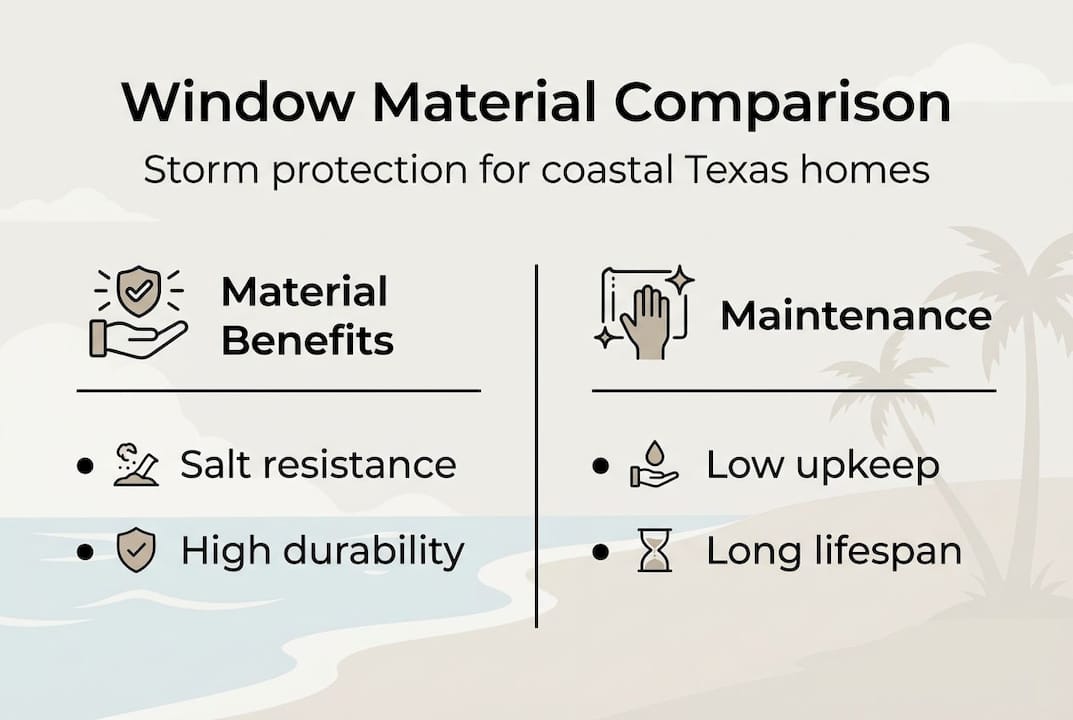
Choosing the right material for your coastal Texas home comes down to balancing durability, maintenance, cost, and performance in salt-heavy, humid conditions. Here is a side-by-side look at the most common options:
| Material | Salt resistance | Maintenance | Durability | Best for |
|---|---|---|---|---|
| Vinyl | High | Low | Good | Budget-conscious upgrades |
| Fiberglass | Very high | Very low | Excellent | Long-term coastal performance |
| Aluminum (marine-grade) | Moderate | Low | Good | Modern aesthetics, commercial |
| Wood | Low | High | Poor in humidity | Interior-facing applications only |
| Composite | High | Low | Excellent | Premium residential installs |
Fiberglass and composite frames consistently outperform other materials in coastal environments. They do not expand and contract as dramatically with temperature changes, which keeps seals intact longer. Wood, by contrast, absorbs moisture and warps over time, making it a poor choice for exterior-facing windows anywhere near the Gulf.
For glass, the decision tree looks like this:
- Start with impact-rated laminated glass if you are in a hurricane-prone zone or within a few miles of the coast.
- Add Low-E coating to control solar heat gain and protect interior furnishings from UV damage.
- Choose double-pane at minimum, and consider triple-pane if your home runs air conditioning heavily from April through October.
- Verify the window carries a Miami-Dade or Texas Department of Insurance approval for wind and impact resistance.
- Match your glass choice to your frame so both components carry compatible ratings and warranties.
Weatherproof exteriors can cut Texas storm damage by 60%, and the material combinations above are a direct path to achieving that kind of protection. Working with local window experts who understand regional building codes and product availability makes this process significantly easier.
Best practices for installation and long-term performance
You can purchase the best impact-rated, fiberglass-framed, Low-E window on the market and still end up with leaks and failures if it is not installed correctly. Installation quality is where a lot of coastal homeowners lose the protection they paid for.
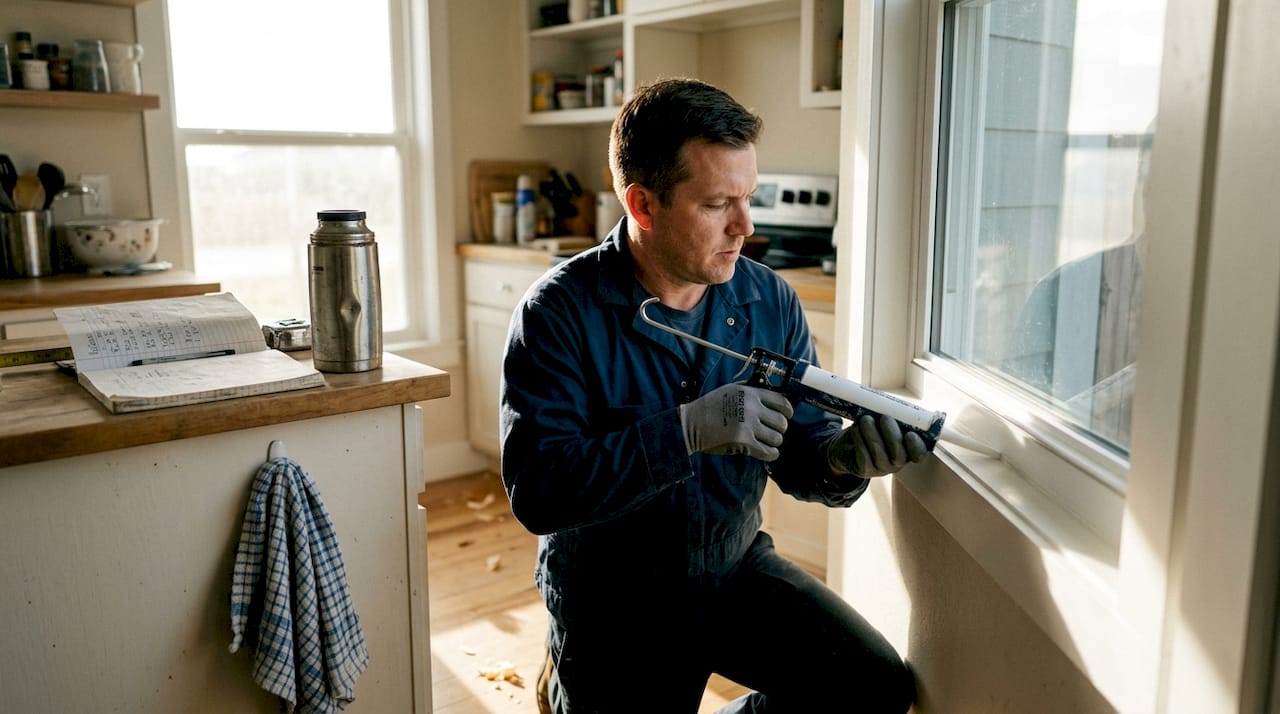
Proper weatherproof installation prevents a majority of leak and failure complaints after storms. That means using the right flashing tape, backer rod, and sealant products for a humid, salt-air environment. It also means the rough opening must be properly prepared before the window goes in.
Here is how installation options compare:
| Installer type | Coastal expertise | Warranty support | Risk level |
|---|---|---|---|
| DIY | Low | None | High |
| General contractor | Variable | Limited | Moderate |
| Specialized window contractor | High | Strong | Low |
A specialized contractor who focuses on reducing storm damage through exterior upgrades will know which sealants hold up in salt air, how to flash a window in a stucco wall versus a wood-framed wall, and which products carry the manufacturer’s warranty when installed locally.
Once your windows are in, maintenance is what keeps them performing. Here is a simple checklist to follow:
- Inspect seals and weatherstripping every six months, especially before and after hurricane season
- Clean frames and tracks with mild soap and water to remove salt buildup
- Check hardware for corrosion and lubricate moving parts annually
- Look for fogging between panes, which signals a failed seal and lost insulation value
- Examine flashing and caulk lines around the exterior frame after any major storm
Scheduling trusted window installation with a contractor who offers a post-installation inspection gives you a baseline and a point of contact when questions come up later.
A smarter path: Lessons from Texas homeowners and experts
Here is something we see regularly in coastal Texas: a homeowner replaces windows with a mid-grade product to save money upfront, then spends more on repairs after the first serious storm than they saved on the original purchase. The math almost never works out in favor of cutting corners.
The counter-intuitive truth is that higher-quality windows typically cost less over a ten-year period than budget options. Better frames do not warp. Better seals do not fail after two seasons. Better glass does not need replacing after a single hailstorm. When you factor in energy savings on top of avoided repair costs, investing in durable exteriors pays for itself faster than most homeowners expect.
The other pattern we see is homeowners relying on general contractors who are not familiar with coastal-specific installation requirements. A window that would perform well in San Antonio or Dallas can fail within a year in Corpus Christi if it is not installed with salt-air-rated materials and coastal flashing techniques. Weather resistance is not just a product feature. It is a decision you make at every step, from material selection to contractor choice to ongoing maintenance.
Next steps: Protect your home with trusted local experts
If this article has made one thing clear, it is that window replacement in coastal Texas is not a generic home improvement project. It requires the right products, the right installation methods, and ongoing care tailored to the Gulf Coast environment.

At Buffalo Roofing & Exteriors, we specialize in weather-resistant window services for homeowners throughout Corpus Christi, San Antonio, and Victoria. We understand the specific demands of coastal Texas weather and install windows that are rated for the conditions you actually face. Beyond windows, our team handles full exterior upgrades, so your entire home is protected as a system. Explore our coastal renovation insights and reach out for a free estimate today.
Frequently asked questions
What makes a window truly weather resistant in coastal Texas?
Weather-resistant windows combine impact-rated glass, reinforced frames, and specialized seals designed to block wind, rain, and airborne debris during storms. Standard windows lack these construction features and are not rated for hurricane-force conditions.
How do weather-resistant windows improve energy efficiency?
Multiple panes, Low-E glass coatings, and tight compression seals work together to limit heat transfer and eliminate drafts, which directly reduces how hard your air conditioner has to work during Texas summers.
Are all window materials equally suitable for coastal Texas?
No. Fiberglass and composite frames handle salt air and humidity far better than wood or untreated aluminum. Weatherproof material choices significantly affect how long your windows hold up without warping, corroding, or losing their seal.
Can I install weather-resistant windows myself?
Professional installation is strongly recommended because proper weatherproof installation requires coastal-specific flashing, sealants, and techniques that most DIY approaches miss, leading to leaks and warranty voids.
How often should I inspect or maintain my weather-resistant windows?
Inspect your windows every six months and after any major storm, checking seal integrity and frame condition to catch small issues before they turn into expensive water damage or failed insulation.