

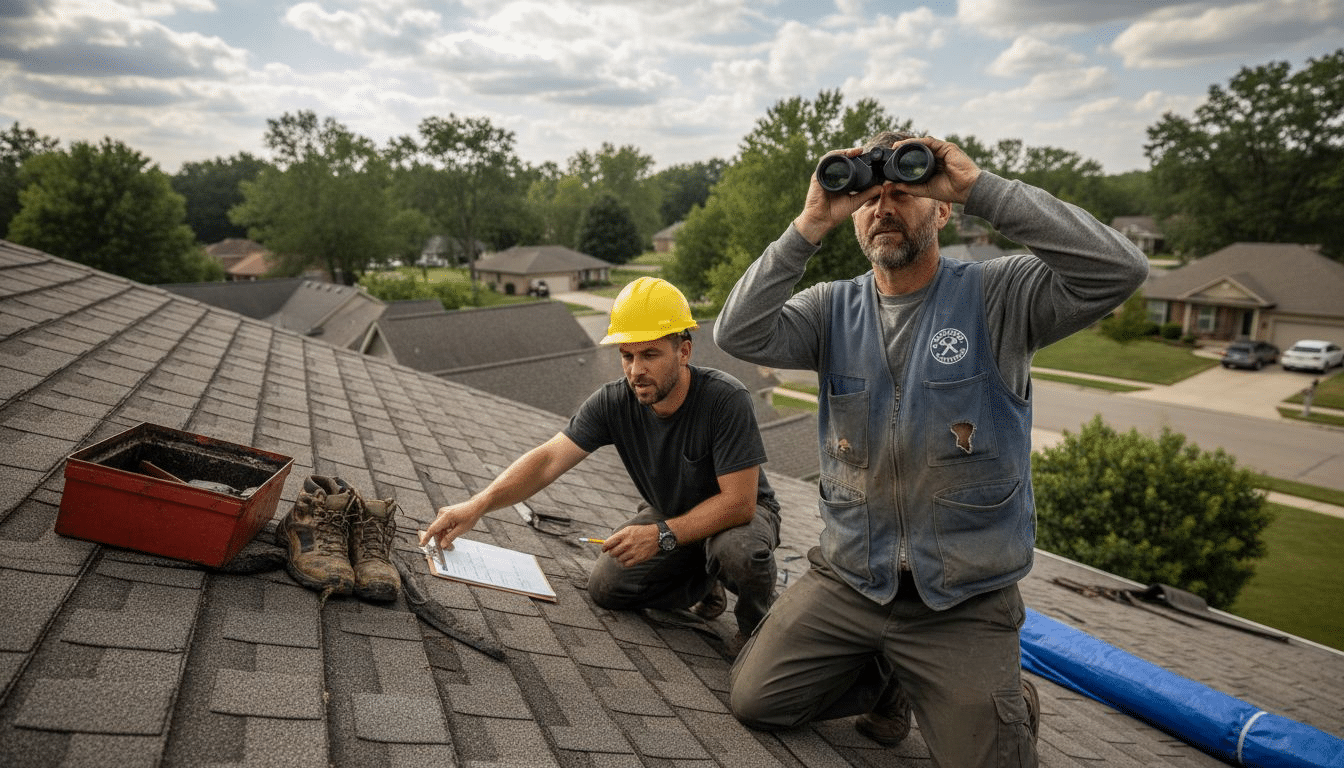
Strong winds and rain can turn a secure home in Corpus Christi or San Antonio into an urgent repair job overnight. Storm damage leaves your roof vulnerable to leaks, structural hazards, and costly interior problems if not handled promptly and professionally. Tackling roof assessment and emergency repairs quickly helps protect your investment and keeps everyone safe while you wait for permanent solutions. Discover how a systematic damage assessment and fast action can reduce risk and speed up recovery when every hour counts.
Table of Contents
- Step 1: Assess Roof Damage and Ensure Safety
- Step 2: Secure the Affected Area Quickly
- Step 3: Remove Debris and Prepare for Repair
- Step 4: Apply Temporary Repairs to Halt Leaks
- Step 5: Inspect Repairs and Confirm Protection
Quick Summary
| Key Insight | Explanation |
|---|---|
| 1. Assess roof damage immediately | Use binoculars to inspect from the ground for missing shingles or leaks before climbing up. |
| 2. Secure damaged areas quickly | Apply heavy-duty tarps over compromised sections to prevent further water entry during rains. |
| 3. Remove debris for safety | Clear broken materials and check gutters to prevent additional water damage and prepare for repairs. |
| 4. Document all findings thoroughly | Take dated photos of damage and repairs to support insurance claims and contractor assessments. |
| 5. Check the effectiveness of repairs | Regularly inspect temporary fixes during rain to ensure they are holding up and document any new leaks. |
Step 1: Assess Roof Damage and Ensure Safety
Before any repair work begins, you need to carefully evaluate what happened to your roof and make sure the area is safe for everyone involved. This assessment determines whether temporary fixes can hold until permanent repairs are scheduled, or if emergency measures are needed immediately. Getting this step right prevents additional damage and protects you and any workers from serious injury.
Start by examining your roof from the ground using binoculars or a camera with zoom capability. Look for missing shingles, visible holes, sagging sections, or debris scattered across the surface. Check your gutters and downspouts for damaged pieces that may have fallen. From this safe vantage point, you can document the extent of damage without exposing yourself to falls or unstable areas. Take photos and videos of everything you observe, as this visual evidence becomes important for insurance claims and contractor estimates.
If you notice significant structural damage, deep indentations, or areas where the roof feels soft or bouncy, do not attempt to walk on it yourself. Evaluating structural integrity before repairs is critical because damaged roofs can collapse unexpectedly, putting anyone working at height at serious risk. Instead, use a professional inspector who has proper fall protection equipment and training to safely assess the damage from above.
Next, check inside your home for water damage, which indicates where leaks are occurring. Look at your attic, ceilings, and walls for discoloration, stains, or wet spots. Mark these areas so contractors can prioritize repairs. Document everything with photos showing the visible damage both inside and outside your home. This comprehensive assessment following systematic damage assessment procedures helps guide your repair planning and ensures nothing gets overlooked during the restoration process.
If you spot pooling water on the roof, damaged flashing around chimneys or vents, or any area where the underlying wood structure appears compromised, contact a professional immediately. These conditions create ongoing hazards and can worsen rapidly during the next rain event. Your safety and your property’s integrity depend on addressing these issues quickly.
Here is a summary of common roof damage types and their typical risks:
| Damage Type | Typical Risk | Urgency for Repair |
|---|---|---|
| Missing shingles | Water leaks, mold | High after rain or storms |
| Sagging sections | Structural collapse | Immediate professional help |
| Damaged flashing | Persistent leaks | Rapid repair recommended |
| Pooling water | Rot, wood weakening | Call for emergency service |
Pro tip: Take clear, dated photos of all damage from multiple angles and create a simple list noting the location of each problem, then send this documentation to your insurance company and contractor immediately to accelerate the claims and repair process.
Step 2: Secure the Affected Area Quickly
Once you’ve identified the damage, your next priority is preventing it from getting worse. Water and wind will continue their assault during the next rainfall or storm, turning a manageable problem into a catastrophic one. Quick action to temporarily seal and protect the damaged sections buys you time while you arrange permanent repairs.
Start with tarping the most severely damaged areas. Spread a heavy duty tarp over the compromised section, extending it at least 6 feet beyond the damaged zone in all directions. Secure the edges with nails or heavy objects so wind cannot lift it. The goal is creating a temporary water barrier that keeps rain from entering your home until permanent repairs happen. If the damage is extensive, you may need multiple tarps overlapping like roof shingles to direct water downward and away from the structure.
For smaller holes or punctures, securing the roof deck with proper fastening prevents wind uplift and further deterioration. Use roofing cement to seal any exposed edges where the tarp meets undamaged roofing material. Pay special attention to flashing around vents, chimneys, and walls, as these are weak points where water easily penetrates. Seal any visible gaps or separated seams to block water infiltration.
Do not attempt complex repairs yourself. Instead, focus on stabilizing what you can reach safely from the ground. Taking immediate actions to secure affected areas reduces the risk of additional damage and injury. Remove loose debris that could become projectiles in wind or cause further damage. Clear gutters and downspouts so water can flow away from your foundation rather than pooling on the roof.
Document all your temporary repairs with photos before the next rain event. This protects you if insurance questions whether you took reasonable steps to mitigate damage. Contact your insurance agent immediately and schedule professional repairs as soon as possible. Temporary fixes work for days or weeks, not months, so prioritize getting contractors to your home quickly.
Pro tip: Have tarping supplies on hand before storm season arrives, including heavy duty tarps, roofing nails, and a hammer, so you can secure damage within hours of discovering it rather than waiting for supply stores to restock.
Step 3: Remove Debris and Prepare for Repair
With the damaged area secured, you can now focus on clearing away debris and creating a safe workspace for repairs. Removing broken shingles, wood fragments, and other materials makes it easier for contractors to assess the full extent of damage and prevents additional hazards. This cleanup phase is essential before any permanent repair work can begin.
Start by carefully collecting all loose debris from the roof and surrounding areas. Broken shingles, roofing granules, and pieces of flashing should be gathered and placed in heavy duty bags or a dumpster. Move slowly and deliberately, as sharp edges on torn roofing materials can cut through gloves and skin easily. Work systematically from the highest point downward so debris naturally falls into your collection area rather than scattering across your property.
Check your gutters and downspouts carefully, as they often trap debris that blocks water drainage. Remove leaves, granules, and broken pieces by hand or with a gutter scoop. Clear downspouts to ensure water flows freely away from your foundation. Standing water in gutters accelerates rust and corrosion while creating mosquito breeding grounds. Proper planning and coordination for debris removal helps you manage materials responsibly while preparing the roof surface for repair.
Inspect the visible roof structure as you clean. Look for exposed wood, nails, or jagged edges that contractors will need to know about. Take photos of the cleaned area from multiple angles so repair professionals can plan their work efficiently. Make note of any safety hazards like loose flashing, weakened sections, or areas where foot traffic could cause additional damage.
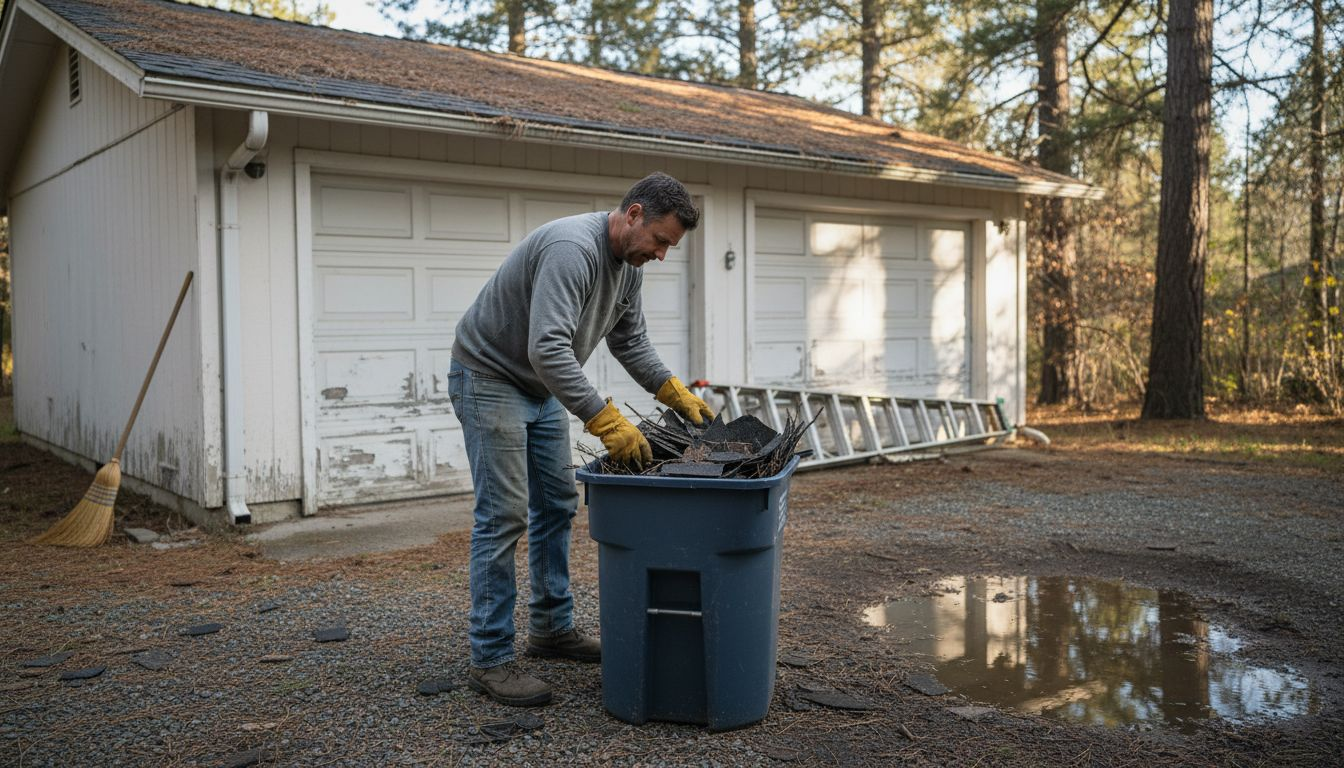
Create a clear pathway on the ground for contractors to access your home safely. Move outdoor items, vehicles, or obstacles that might slow down the repair crew. Let your neighbors know that repair work is coming so they understand the temporary increase in activity and noise.
Pro tip: Wear heavy work gloves, long sleeves, and eye protection when handling roofing debris, as broken shingles and exposed nails pose serious injury risks, and always dispose of materials according to local regulations.
Step 4: Apply Temporary Repairs to Halt Leaks
Now that you’ve cleared debris and secured the area, it’s time to apply temporary patches that stop water from entering your home. These repairs won’t last forever, but they’re critical for preventing interior damage while you arrange permanent solutions. A few hours of careful work now can save thousands of dollars in drywall, insulation, and foundation repairs.
Start by identifying all active leak points inside your home. Mark these spots on the ceiling and walls with tape or a marker so you can locate them from above when working on the roof. Water often travels along rafters and framing before dripping down, so the interior leak point may not be directly below the roof damage. Trace water stains and damage patterns upward to find where water is entering the structure.
For roof penetrations like holes or splits, apply roofing cement generously to seal the damaged area. Use a putty knife to work the cement into cracks and crevices. Cover the damaged section with a roof patch made of rubberized asphalt or similar material, pressing it firmly into place. Sealing roof decks and using temporary materials to halt water intrusion prevents further damage while you plan permanent repairs. Allow the cement to cure for at least 24 hours before exposing it to rain.
You can compare common temporary repair materials using this chart:
| Material | Best Use Case | Lifespan (Temporary) | Ease of Installation |
|---|---|---|---|
| Heavy-duty tarp | Large damaged areas | 1-3 weeks if secured well | Moderate |
| Roofing cement | Sealing cracks & splits | 3-7 days depending on weather | Easy |
| Roof patch tape | Small leaks or holes | Up to 2 weeks | Very easy |
| Roofing sealant | Flashing & vent gaps | 2-4 weeks if kept dry | Easy |
For damaged flashing around chimneys, vents, or walls, use roofing sealant to fill gaps between the flashing and surrounding roof material. Work carefully so the sealant penetrates deep into the crack. Flashing is a common leak source because it’s exposed to constant water flow and wind pressure. Sealing it properly can eliminate one of your most persistent problem areas.
Check your gutters and downspouts again to ensure water is flowing away from your foundation. A blocked gutter can overflow and create water damage on siding or inside walls. Test the drainage by pouring water down the gutter to confirm it flows freely through downspouts and away from your home.
Monitor the interior spaces you marked during the next rainfall. If water still enters after your repairs, document the leak location and report it to your contractor. These observations help professionals understand exactly where water is penetrating so they can address it properly during permanent repairs.
Pro tip: Take photos of all temporary repair locations and water stains before contractors arrive, then show them these images during the initial assessment to speed up diagnosis and ensure every leak point gets addressed in the permanent repair plan.
Step 5: Inspect Repairs and Confirm Protection
Before considering your emergency repairs complete, you need to verify that your temporary fixes are actually protecting your home. A thorough inspection catches problems before the next storm arrives and gives you confidence that your roof is genuinely secure. This step also creates documented evidence for your insurance company and contractor.
Start by examining all the temporary repairs you applied from the ground using binoculars. Look for any areas where the patches are peeling, loose, or separating from the roof surface. Check that tarps are still secure and not flapping in the wind. Walk around the perimeter of your home to see if water is properly draining away from the foundation. Look for pooling water, overflow from gutters, or any signs of water damage on siding or exterior walls.
Inspect the interior of your home carefully during the next rainfall or use a hose to simulate rain conditions on repaired areas. Go into your attic with a flashlight and check all the spots you marked earlier for water intrusion. Look for any new stains, dripping water, or moisture. Checking the integrity of roof coverings and verifying no leaks are present ensures your temporary repairs are actually holding. Document any water you find with photos and note the exact location.
If you spot water still entering despite your repairs, mark those locations clearly. This information is invaluable when contractors arrive because it shows them exactly where repairs failed. Water that travels before appearing means the actual leak point may be several feet away from where you see it dripping.
For patches on the roof itself, check the edges where new material meets old roofing. Look for any gaps where the patch is not adhering firmly. Gently press on the patch to confirm it is bonded securely. If you find loose areas, apply additional roofing cement and press down firmly.
Document your inspection with photographs showing all repair areas and any remaining damage. These images become part of your repair record and help contractors understand what happened and what temporary measures you took.
Pro tip: Have a professional roof inspector evaluate your temporary repairs before permanent work begins, as their systematic assessment catches problems you might miss and ensures nothing gets overlooked during the full restoration.
Protect Your Home with Expert Emergency Roof Repair Services
When your roof sustains storm damage or unexpected leaks, every moment counts to prevent further destruction. This article highlights the crucial steps of assessing damage, securing affected areas, and applying temporary repairs to stop water intrusion. If you are facing roof sagging, missing shingles, or damaged flashing, these challenges can quickly escalate without professional intervention. You need reliable and timely solutions to restore your home’s protection and peace of mind.

Turn urgent roofing challenges into lasting security with Buffalo Roofing & Exteriors. Our skilled team specializes in swift storm damage restoration, comprehensive roof repairs, and durable installations designed for the harsh coastal climate of Texas. Explore our Repairs Archives to see how we handle critical roof issues or visit our Roofing Archives for full roofing system upgrades. Act now to secure your property with trusted experts offering free estimates, financing options, and solid warranties. Contact us today at https://buffaloroofingandexteriors.com/ to schedule your emergency repair consultation and safeguard your home against future storms.
Frequently Asked Questions
How can I safely assess roof damage after a storm?
To safely assess roof damage, start by examining the roof from the ground using binoculars to identify missing shingles, holes, or sagging sections. Document your findings with photos to help you evaluate the damage and assist with insurance claims.
What should I do if I notice significant structural damage to my roof?
If you notice significant structural damage, such as sagging sections or soft spots, do not walk on it. Instead, contact a professional inspector with fall protection training to safely assess the damage and recommend the necessary repairs.
How can I secure my roof after identifying damage?
To secure your roof after identifying damage, cover severely affected areas with heavy-duty tarps that extend at least 6 feet beyond the damaged zone. Use nails or heavy objects to secure the edges, forming a temporary barrier against rain, and aim to complete this within a few hours of discovering the damage.
What types of temporary repairs can I apply to stop leaks?
You can use roofing cement for sealing cracks or applying roof patch tape on small leaks. For larger damaged areas, consider using a heavy-duty tarp; these temporary repairs usually last from a few days to a couple of weeks while you arrange permanent solutions.
How can I prepare my roof area for permanent repairs?
Prepare your roof area for permanent repairs by removing debris like broken shingles and wood fragments carefully. This cleanup allows contractors to assess the full extent of damage effectively and ensures a safer working environment.
What should I check after applying temporary repairs?
After applying temporary repairs, check every patch and tarp for signs of peeling or separation. On your next rainfall, inspect the internal areas for new water stains to confirm the effectiveness of your temporary repairs, and document any continued leaks for your contractor.