Coastal Texas homes face relentless environmental challenges that can devastate unprepared properties. Homes built with coastal-tough materials show 30% less exterior maintenance costs over 10 years, proving that strategic exterior renovations deliver tangible financial benefits while protecting your biggest investment. This article walks you through the materials, structural upgrades, design strategies, and financial incentives that transform vulnerable coastal properties into storm-ready fortresses.
Table of Contents
- Understanding The Unique Challenges Of Coastal Texas Homes
- Critical Exterior Materials And Structural Upgrades For Coastal Resilience
- Financial Benefits And Insurance Savings From Exterior Renovations
- Choosing The Right Exterior Renovation Approach: Balancing Cost, Durability, And Design
- Protect Your Coastal Home With Expert Exterior Renovations
Key takeaways
| Point | Details |
|---|---|
| Coastal renovations reduce storm damage | Impact-resistant windows, reinforced roofs, and elevated foundations cut hurricane damage by up to 70%. |
| Specialized materials combat salt and moisture | Fiber-cement siding and metal roofs resist corrosion and moisture, lasting decades longer than standard materials. |
| Insurance savings offset renovation costs | Verified upgrades can lower wind insurance premiums by 5-35% and flood insurance by up to 50%. |
| Long-term value exceeds upfront investment | Storm-resilient homes save thousands annually in maintenance, insurance, and potential disaster recovery costs. |
| Professional installation ensures performance | Proper sealing and code-compliant installation are critical to achieving promised durability and protection. |
Understanding the unique challenges of coastal Texas homes
Coastal Texas properties endure a punishing combination of environmental stressors that standard construction cannot withstand. Salt air continuously attacks metal fixtures, fasteners, and exterior surfaces, accelerating corrosion and material breakdown. Persistent humidity and moisture infiltration create ideal conditions for mold growth and wood rot inside wall cavities and structural elements. Hurricane-force winds, storm surge flooding, and airborne debris during severe weather events cause catastrophic structural and water damage that can render homes uninhabitable.
These environmental factors create unique risks:
- Wind pressure from hurricanes can exceed 150 mph, ripping off roofs and shattering standard windows
- Saltwater intrusion during storm surge corrodes foundations, electrical systems, and HVAC equipment
- Year-round humidity promotes mold growth that reduces indoor air quality by 60% in unprotected homes
- UV radiation and thermal cycling cause premature fading and cracking of standard exterior finishes
Specialized materials and design practices directly address these challenges. Homes built with appropriate materials like impact-rated windows, durable siding, and high-wind roofs have 30% reduced maintenance costs over a decade compared to standard construction. The investment in weather-resistant exteriors pays dividends through reduced repair frequency, lower insurance premiums, and protection against catastrophic loss during major storm events.
Critical exterior materials and structural upgrades for coastal resilience
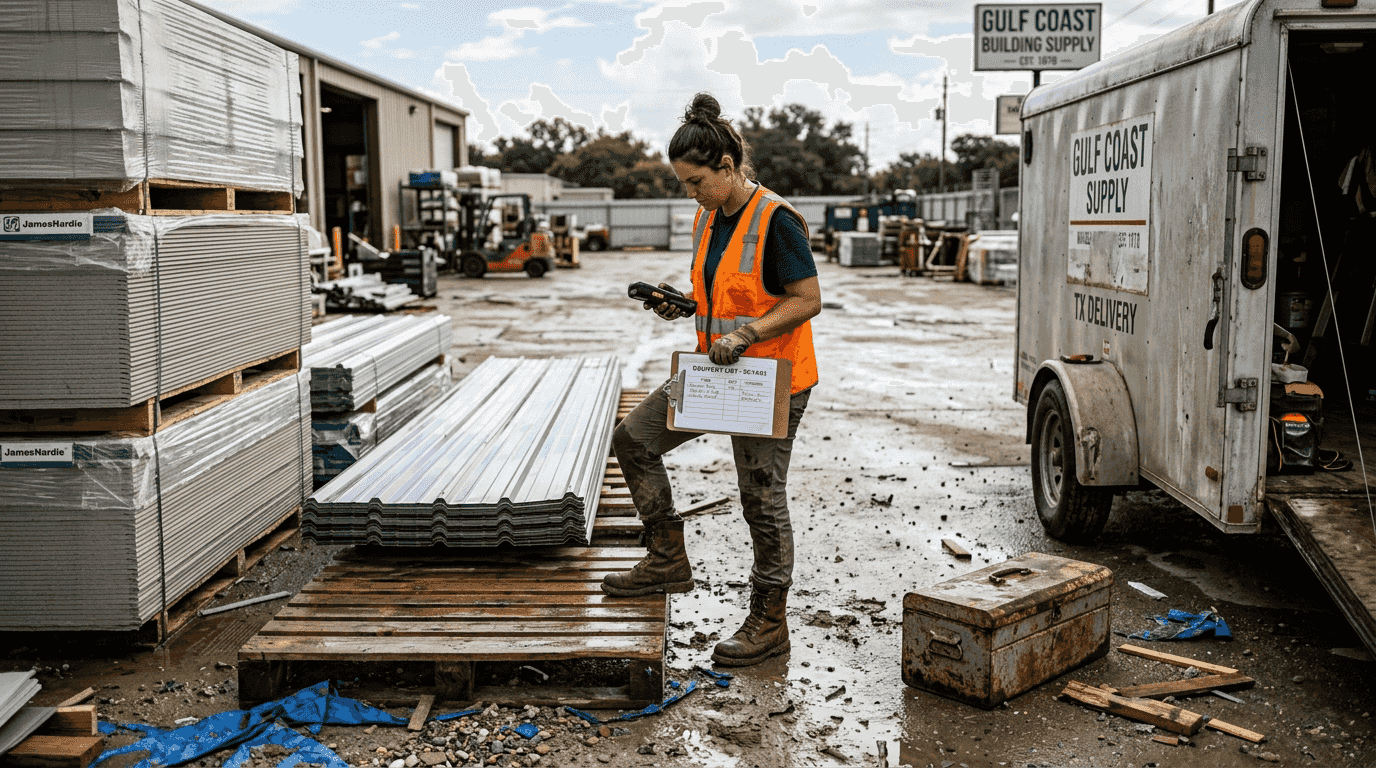
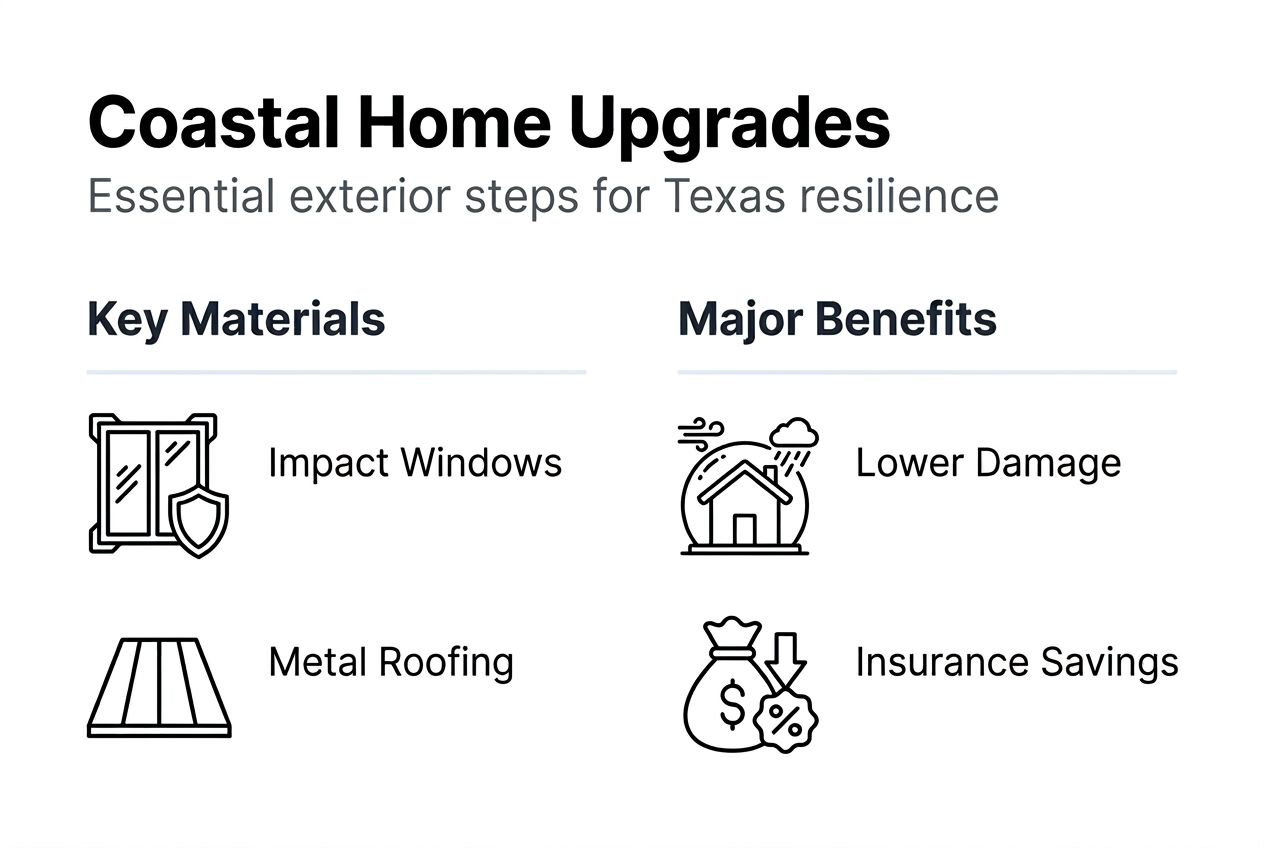
The right material selections and structural reinforcements transform vulnerable coastal homes into resilient structures. Impact-rated windows and doors feature laminated glass and reinforced frames that resist debris penetration during hurricanes. Hurricane clips and reinforced fasteners secure roof trusses to wall plates, preventing roof separation during high winds. Impact-resistant windows and reinforced roofs reduce damage by up to 70% during major storm events.
Key coastal-grade upgrades include:
- Impact-resistant windows rated for debris impact at 150+ mph wind speeds
- Metal or architectural shingle roofing secured with hurricane clips rated for 180 mph winds
- Elevated foundations that raise living spaces 2-4 feet above base flood elevation
- Fiber-cement or engineered siding that resists moisture, termites, and wind uplift
- Corrosion-resistant fasteners made from stainless steel or hot-dipped galvanized materials
Everlast wind-resistant siding withstands winds up to 198 mph, exceeding the force of Category 5 hurricanes. This engineered composite material outlasts traditional vinyl or wood siding in salt air environments while maintaining aesthetic appeal. Raised foundations and hurricane clips reduce moisture damage risk by 40% and increase wind resistance by up to 25%, providing dual protection against flood and wind threats.
| Component | Standard Grade | Coastal Grade | Resistance Improvement |
|---|---|---|---|
| Windows | Single pane, standard frame | Impact-rated laminated glass | 70% debris protection |
| Roofing | Standard 3-tab shingles | Metal or architectural with hurricane clips | 25% wind resistance |
| Siding | Vinyl or wood | Fiber-cement or Everlast composite | 3x lifespan in salt air |
| Foundation | Slab on grade | Elevated 2-4 feet | 50% flood protection |
| Fasteners | Standard galvanized | Stainless steel or hot-dipped | 5x corrosion resistance |
Pro Tip: Even coastal-grade materials fail without proper installation. Ensure your contractor uses manufacturer-specified fastener patterns, applies continuous sealant at all penetrations, and follows local building codes for high-wind zones. Poor installation negates the benefits of premium materials.
These strategic upgrades work together as a system. Impact-resistant upgrades reduce coastal damage most effectively when combined with reinforced roofing and proper siding installation that creates a continuous protective envelope around your home.
Financial benefits and insurance savings from exterior renovations
Exterior renovations deliver measurable financial returns that extend far beyond damage prevention. Insurance companies recognize verified coastal upgrades with substantial premium reductions. Elevated foundations reduce flood insurance premiums by up to 50% by moving living spaces above base flood elevation. Verified opening protection and roof upgrades can lower wind/hurricane insurance premiums by 5-35% depending on your coverage limits and location.
The most significant financial advantages include:
- Document all upgrades with contractor certifications and building permits for insurance verification
- Request a wind mitigation inspection after completing exterior renovations
- Submit inspection reports to your insurance carrier with premium reduction requests
- Compare quotes from multiple insurers specializing in coastal properties
- Maintain annual inspection records proving ongoing code compliance
Cost comparison reveals compelling long-term value. A comprehensive exterior renovation investing $40,000-60,000 in impact windows, reinforced roofing, and elevated foundation typically saves $2,000-4,000 annually in reduced insurance premiums and maintenance costs. Over a 20-year period, these savings can exceed $60,000 while protecting against potential six-figure disaster losses.
“With rising hurricane frequency and severity, insurers increasingly reward verified mitigation measures. Homeowners who invest in proven coastal upgrades see immediate premium relief and long-term protection that makes their properties more insurable as carriers exit high-risk markets.”
Storm-resilient homes may save $12,000 annually by eliminating flood insurance requirements when elevated sufficiently above base flood elevation. Property values also increase 5-10% when exterior renovation features are documented and marketed effectively to buyers seeking move-in-ready coastal homes with verified storm protection.
Choosing the right exterior renovation approach: balancing cost, durability, and design
Successful coastal renovations require strategic planning that balances immediate budget constraints with long-term performance goals. Start by assessing your home’s current condition through a professional inspection identifying the most vulnerable components. Prioritize upgrades that deliver the biggest protection impact: roofing systems, window and door openings, and foundation elevation address the primary failure points during severe weather.
Consult contractors with documented coastal construction experience who understand local building codes and insurance requirements. Request references from recent coastal renovation projects and verify proper licensing for structural modifications. Material selection should emphasize tested, code-compliant products with manufacturer warranties covering coastal environments.
Key decision factors include:
- Current building code compliance gaps requiring immediate correction
- Budget allocation prioritizing highest-risk failure points first
- Insurance premium reduction potential from specific verified upgrades
- Aesthetic preferences balanced with performance specifications
- Timeline coordination with hurricane season and weather windows
Pro Tip: The most common installation failures occur at transitions and penetrations where different materials meet. Insist on continuous waterproof membranes behind siding, proper flashing at all roof penetrations, and sealed connections between windows and wall assemblies. These critical details prevent water intrusion that undermines even premium materials.
Hurricane-resistant designs, while effective, do not guarantee absolute protection but significantly reduce risk and damage severity. Proper installation and sealing of windows and doors is crucial to prevent water intrusion and wind damage that can compromise structural integrity. Review examples of exterior renovations for Texas homes to understand scope options matching your property’s specific needs and budget parameters.
Protect your coastal home with expert exterior renovations
Your coastal home deserves protection that matches the unique challenges of Texas Gulf environments. Buffalo Roofing & Exteriors brings specialized expertise in storm-resilient construction, delivering comprehensive roofing and exterior renovation services designed specifically for coastal conditions.
Our team understands local building codes, insurance requirements, and the materials that perform best in salt air and hurricane-prone areas. From weather-resistant roofing to impact-rated windows and engineered siding systems, we provide turnkey solutions that protect your investment while qualifying for maximum insurance savings. Our exterior services include free estimates, detailed project timelines, and warranties backing our coastal construction expertise. Contact us today to transform your vulnerable coastal property into a storm-ready home.
FAQ
How long do exterior renovations take for coastal Texas homes?
Typical exterior renovations take 4-12 weeks depending on project scope and weather conditions. Comprehensive upgrades including roofing, siding, windows, and foundation work may extend to 3-4 months. Professional contractors provide detailed schedules accounting for material delivery, permit approvals, and seasonal weather patterns that affect coastal construction.
Can exterior renovations really lower my insurance premiums?
Verified hurricane-resistant features can reduce wind insurance premiums by 5-35% depending on coverage limits and location. Elevated foundations can lower flood insurance costs by up to 50% when raising living spaces above base flood elevation. Actual savings vary by insurance carrier and require documentation through wind mitigation inspections and building permits.
What materials are best for resisting salt air and storms?
Impact-rated windows, fiber-cement or composite siding, and metal roofing systems provide optimal coastal performance. These materials resist corrosion, moisture penetration, and wind uplift while requiring minimal maintenance. Proper installation with corrosion-resistant fasteners and continuous waterproof barriers is equally critical to achieving advertised performance in harsh coastal environments.
Is it worth renovating older coastal homes extensively?
Upfront renovation costs typically range $40,000-80,000 for comprehensive upgrades but deliver annual savings of $2,000-4,000 through reduced insurance and maintenance expenses. The investment protects against potential six-figure disaster losses while increasing property values 5-10%. Consult professionals to assess structural integrity and prioritize upgrades delivering the best protection relative to your budget and home condition.