TL;DR:
- Windows are responsible for up to 40% of heat loss in homes, significantly impacting energy bills and comfort. Properly selected and installed energy-efficient, impact-resistant windows can improve insulation, reduce heat gain, and lower hurricane insurance premiums in Texas coastal regions. Installation quality and appropriate framing are crucial for maximizing window performance and longevity.
Your walls and attic get all the attention during insulation upgrades, but windows are quietly responsible for a surprisingly large share of what makes your home feel like an oven in July. Up to 40% of heat loss in a home passes through windows, and on the Texas Gulf Coast, where summer heat, humidity, and hurricane season all collide, the role of windows in home insulation is too important to ignore. This guide covers how windows actually work as a thermal barrier, what makes some perform far better than others, and how the right choices protect both your energy bill and your home during a storm.
Table of Contents
- Why windows matter for home insulation and energy costs
- Components of energy-efficient windows: glazing, frames, and sealing
- Comparing glazing types and frame materials for Texas coastal homes
- Reducing heat gain and improving comfort in hot, humid Texas coastal climates
- Balancing energy efficiency with storm resistance and insurance benefits
- Our honest take on window upgrades for the Texas coast
- Upgrade your windows with Buffalo Roofing & Exteriors
- Frequently asked questions
Key Takeaways
| Point | Details |
|---|---|
| Windows impact heat loss | Up to 40% of home heat loss occurs through windows, making window insulation key to comfort and savings. |
| Glazing is critical | Double or triple glazing with gas fills and low-e coatings significantly reduce heat transfer. |
| Frame material matters | Vinyl, fiberglass, and wood frames provide better thermal resistance than metal frames. |
| Seal and install well | Proper sealing and installation quality are essential to reduce air leakage and realize window performance. |
| Storm windows save costs | Impact-resistant, TDI-certified windows improve resilience and can lower hurricane insurance premiums. |
Why windows matter for home insulation and energy costs
Most homeowners think of insulation as something tucked inside walls or blown into attics. Windows rarely make the short list. That’s a mistake that shows up every month on your electric bill.
Heat moves through windows three ways. Conduction is direct transfer through the glass and frame. Convection happens when air moves along a cold glass surface and drops toward the floor, pulling more warm air toward the window. Radiation is the solar energy that beams straight through the glass and heats your interior surfaces. All three processes work against you simultaneously when you have outdated or poorly installed windows.
Research confirms that windows contribute up to 40% of a home’s total envelope heat losses. Here’s what that means in practical terms for a coastal Texas home running central air:
- A window that leaks air or conducts heat heavily forces your HVAC system to run longer
- Each additional hour of AC runtime per day adds meaningfully to your monthly bill
- Homes with poor window insulation performance often see cooling costs 20 to 30% higher than comparable homes with upgraded windows
“The building envelope includes everything that separates the conditioned interior from the unconditioned exterior. Windows are among the weakest thermal links in that envelope, especially in hot, humid climates.”
The impact of windows on insulation goes beyond heat loss too. Humidity infiltration through poor seals promotes mold growth and degrades interior air quality, a serious concern in the Corpus Christi and Victoria areas where outdoor humidity rarely lets up. Learning about energy-efficient window replacement is the first step toward fixing what might be your home’s biggest thermal weak point.
Components of energy-efficient windows: glazing, frames, and sealing
The gap between a single-pane aluminum window from 1985 and a modern fiberglass double-glazed window is enormous, but understanding why helps you shop smarter.
The single most important decision for window insulation performance is the glazing. Glazing refers to the glass assembly itself. Modern insulated glazing units (IGUs) sandwich two or three panes of glass around a sealed air gap filled with an inert gas, usually argon or krypton. These gases conduct heat less effectively than regular air, so heat transfer slows down considerably.
Frame material is the second major factor. Here’s how common materials compare:
| Frame material | Thermal resistance | Durability in coastal humidity | Cost range |
|---|---|---|---|
| Vinyl | High | Excellent | Moderate |
| Fiberglass | Very high | Excellent | Moderate to high |
| Wood | High | Fair (needs maintenance) | Moderate to high |
| Aluminum (no thermal break) | Low | Good | Low to moderate |
| Aluminum (with thermal break) | Moderate | Good | Moderate |
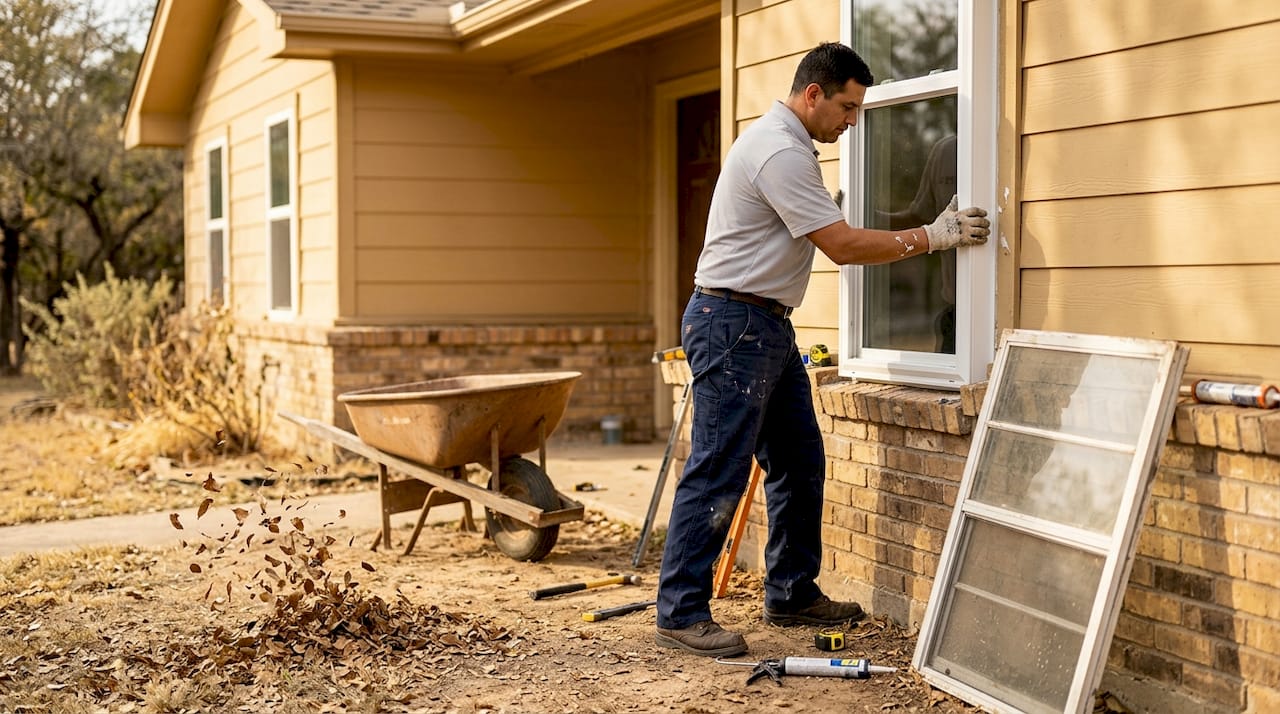
The third factor most people skip entirely is installation quality. A premium window installed with gaps, missing sealant, or improper flashing performs worse than a mid-range window installed correctly. Air leaks around frames are responsible for a significant portion of actual heat loss, sometimes more than the glass itself.
Key features to look for when evaluating energy efficient windows:
- Low-e (low-emissivity) coatings on the glass surface to limit radiant heat transfer
- Argon or krypton gas fill between panes for better conductivity resistance
- Warm-edge spacers to reduce condensation and heat loss at the glass edges
- Certified U-factor (measures heat loss rate) and Solar Heat Gain Coefficient (SHGC) ratings on the label
The window replacement benefits become clearest when you combine the right glazing with the right frame and a properly sealed installation.
Pro Tip: Ask your installer for the window’s NFRC (National Fenestration Rating Council) label. In Texas, look for a low SHGC (0.25 or below) to reduce solar heat gain, and a U-factor below 0.30 for solid insulation performance.
Comparing glazing types and frame materials for Texas coastal homes
Knowing the components matters, but how do they actually stack up against each other for someone living between Corpus Christi and Galveston?
Single-pane windows have essentially no insulating value. The glass is thin, the heat moves through it quickly, and there is no gas fill or secondary barrier. They are still common in older Gulf Coast homes built before energy codes tightened.
Double-glazed windows are the current standard. Two panes with an argon-filled gap cut heat transfer substantially compared to single-pane. For most Texas coastal homeowners, double-glazed windows with low-e coatings and quality frames represent the best balance of cost and performance.
Triple-glazed windows add another pane and gas layer. They perform better in very cold climates where heating is the primary concern. On the Texas coast, the marginal gain over double-glazed is smaller, and the added weight can stress frames and hardware over time. For most homeowners here, the investment in triple-glazing is better spent on higher-quality frames or coatings.
| Glazing type | Heat transfer (U-factor typical) | Best use case |
|---|---|---|
| Single-pane | 0.80 to 1.20 | Not recommended for new installs |
| Double-pane, no coating | 0.40 to 0.55 | Budget upgrade, mild climates |
| Double-pane, low-e + argon | 0.22 to 0.35 | Coastal Texas standard |
| Triple-pane, low-e + argon | 0.15 to 0.25 | Cold climates or extreme efficiency goals |
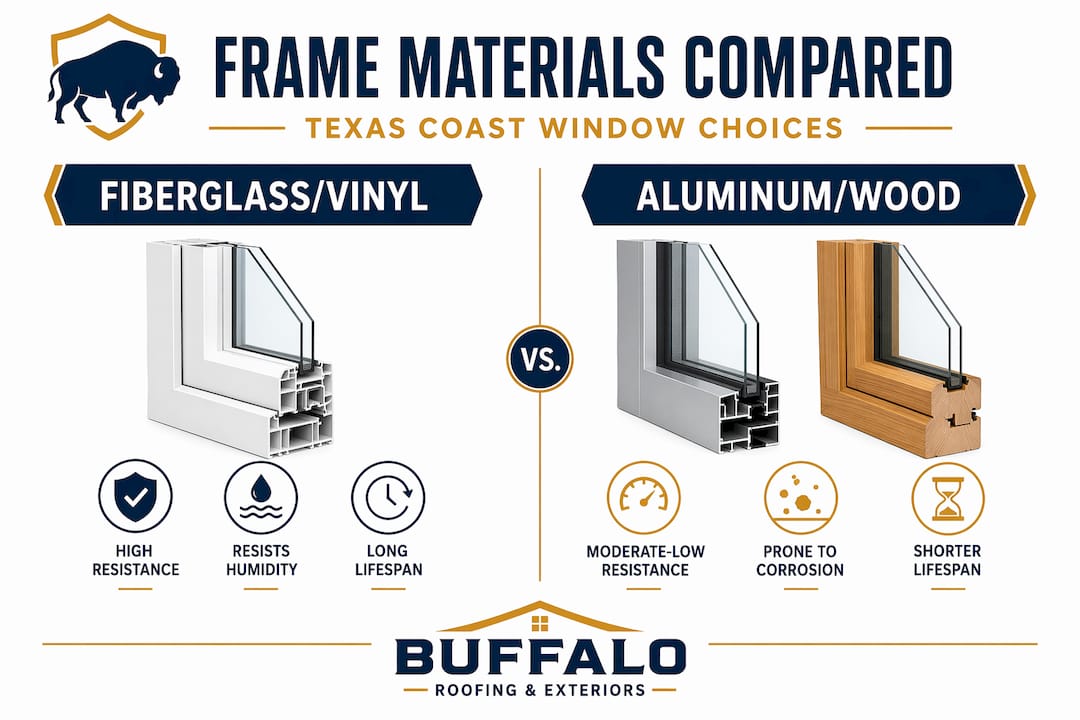
Fiberglass and vinyl frames provide greater thermal resistance than metal, which matters because the frame can account for 15 to 30% of the total window area. On a large picture window or sliding door, that percentage is significant.
Warm-edge spacers deserve a specific mention. Traditional aluminum spacers around the glass edges conduct cold (or heat) directly into the window sill area, causing condensation and increasing heat transfer near the perimeter. Foam or composite spacers eliminate most of that issue.
Pro Tip: In coastal areas, always ask about the frame’s resistance to salt air corrosion. Vinyl and fiberglass hold up well. Aluminum with a quality coating can work too, but bare aluminum or wood with minimal finishing will degrade faster near the water.
Reducing heat gain and improving comfort in hot, humid Texas coastal climates
Insulation is about stopping heat from coming in during summer as much as keeping warmth inside during winter. On the Texas coast, the cooling season runs roughly eight months. Controlling solar heat gain through your windows is where you win or lose the comfort battle.
Low-e coatings are the most effective tool. They work by applying a microscopically thin metallic layer to the glass surface that reflects infrared (heat) radiation back outside before it enters your home. A well-specified low-e coating can block 40 to 70% of the solar heat that would otherwise pass through clear glass, without noticeably reducing visible light.
The DOE recommends white shades, exterior shades, and low-e coatings as the primary strategies for controlling solar heat gain in warm climates. Practical steps that work together with good window selection:
- Install exterior overhangs or awnings above south-facing and west-facing windows
- Use light-colored interior shades or cellular blinds on windows that receive direct afternoon sun
- Close blinds on west-facing windows between noon and sunset during summer
- Consider solar screens (exterior mesh screens) on windows with no natural shading
The importance of window placement in insulation is real here. Windows on the north side of a Texas home gain very little direct sun and can actually help with passive cooling through ventilation. South-facing windows are manageable with the right overhangs. West-facing windows without shading or low-e coatings are where most coastal homeowners struggle most with heat gain.
Proper attention to how windows affect home insulation through solar management can reduce cooling loads by 10 to 25% in a well-optimized home, according to energy modeling studies. That translates directly to lower utility bills and a more comfortable interior, especially in rooms that previously ran warmer than the rest of the house.
Explore your options for storm protection with energy-efficient windows that also address solar heat gain, since the best coastal windows do both jobs at once.
Balancing energy efficiency with storm resistance and insurance benefits
Here’s where Texas coastal homeowners have an advantage that most of the country doesn’t. The window market here has been shaped by hurricane requirements, which means you can often find products that combine strong insulation ratings with certified impact resistance.
Impact-resistant windows use laminated glass, similar to car windshields. Even if the glass cracks under impact from wind-driven debris, the laminate layer holds it together, preventing dangerous penetration. That matters enormously during a Gulf Coast hurricane.
The Texas Department of Insurance (TDI) maintains a list of approved products for windstorm coverage. Windows that meet TDI windstorm certification standards are specifically tested for pressure loads and missile impact. Certified storm windows can lower insurance premiums by up to 45%, which offsets a meaningful portion of the upgrade cost over time.
“Impact-resistant windows rated to TDI standards protect your home during storms and may reduce your windstorm insurance premiums significantly. Both benefits make them worth prioritizing over standard windows in TWIA-covered areas.”
What to know before you buy:
- Confirm the window has a TDI product approval number, not just a manufacturer claim
- Aluminum frames with proper thermal breaks can work in impact-resistant applications where vinyl or fiberglass may not offer equivalent structural performance
- Laminated glass also adds a layer of UV filtering, which helps with heat management and furniture fading
- Installation method matters for windstorm certification, the window must be installed per the approved specs to maintain certification
You can review weather-resistant windows for coastal storms and learn more about how windstorm-certified windows can qualify your home for better coverage terms.
Our honest take on window upgrades for the Texas coast
After years of working on homes between Corpus Christi and the Hill Country, we’ve noticed a pattern. Homeowners spend thousands on attic insulation and never touch their windows. Then they’re surprised when their energy bills barely move.
Here’s what we actually believe, based on what we see in the field: the best window types for insulation in this region are not the ones with the highest spec sheet numbers. They’re the ones installed correctly, sealed properly, and matched to how your home actually faces the sun.
A window with impressive ratings, installed by someone who skipped the sealant and left a gap at the sill, will underperform a mid-grade window installed by someone who took the time to do it right. Installation quality is the variable most homeowners have no way to evaluate when shopping. That’s why we emphasize it more than any spec sheet ever will.
We’d also push back on the assumption that triple-glazed windows are always the smarter buy on the Texas coast. They are not. The thermal performance difference between a well-specified double-pane and a triple-pane is marginal in a climate where your dominant concern is solar heat gain, not cold-weather heat retention. Spending the difference on better coatings, better frames, and proper installation almost always delivers more real-world benefit.
Upgrade your windows with Buffalo Roofing & Exteriors
If reading this made you think twice about the windows on your Corpus Christi, San Antonio, or Victoria home, that’s exactly the right instinct. At Buffalo Roofing & Exteriors, we install energy-efficient, impact-resistant windows designed specifically for the demands of Texas coastal living. We handle the assessment, product selection, and installation from start to finish, so you get a window that actually performs the way it’s rated to.
Our team knows the TDI certification process, the local insurance requirements, and which products hold up best against salt air and storm season. We offer free estimates and financing options to make upgrading practical, not just sensible. If your windows are costing you money on cooling or leaving you exposed during hurricane season, reach out to us and we’ll tell you exactly what your home needs.
Frequently asked questions
How much heat loss occurs through windows compared to walls?
Windows can contribute up to 40% of a home’s total heat loss, far more than most insulated walls because glass conducts heat much more readily than a wall assembly with insulation inside.
Do double-glazed windows completely stop drafts and air leaks?
No. Double-glazed windows reduce heat transfer through the glass, but air leakage averages only a 6.1% reduction after replacement unless the frames are properly sealed during installation.
Can installing impact-resistant windows lower my hurricane insurance premiums?
Yes. In Texas coastal areas, TDI-approved impact-resistant windows can qualify homeowners for windstorm premium discounts, with some products reducing TWIA premiums by up to 45%.
What frame material is best for energy efficiency in Texas coastal windows?
Vinyl, wood, fiberglass, and composite frames provide better thermal resistance than standard metal frames, and they tend to hold up better against coastal humidity and salt air over time.