

TL;DR:
- Proper exterior renovation planning begins with a detailed inspection that identifies structural and cosmetic issues.
- Setting clear goals and finalizing scope before obtaining contractor bids ensures accurate pricing and minimizes change orders.
Planned exterior renovations are the most reliable way to improve curb appeal, protect your home from weather damage, and increase property value in a single coordinated effort. Knowing how to plan exterior renovations means aligning four moving parts: a thorough inspection, a realistic budget, smart material choices, and a contractor bidding process that produces comparable quotes. Skip any one of those steps and you risk cost overruns, rework, or cosmetic fixes that hide structural problems. This guide walks you through each stage so your project finishes on time, on budget, and built to last.
How to plan exterior renovations: start with a full inspection
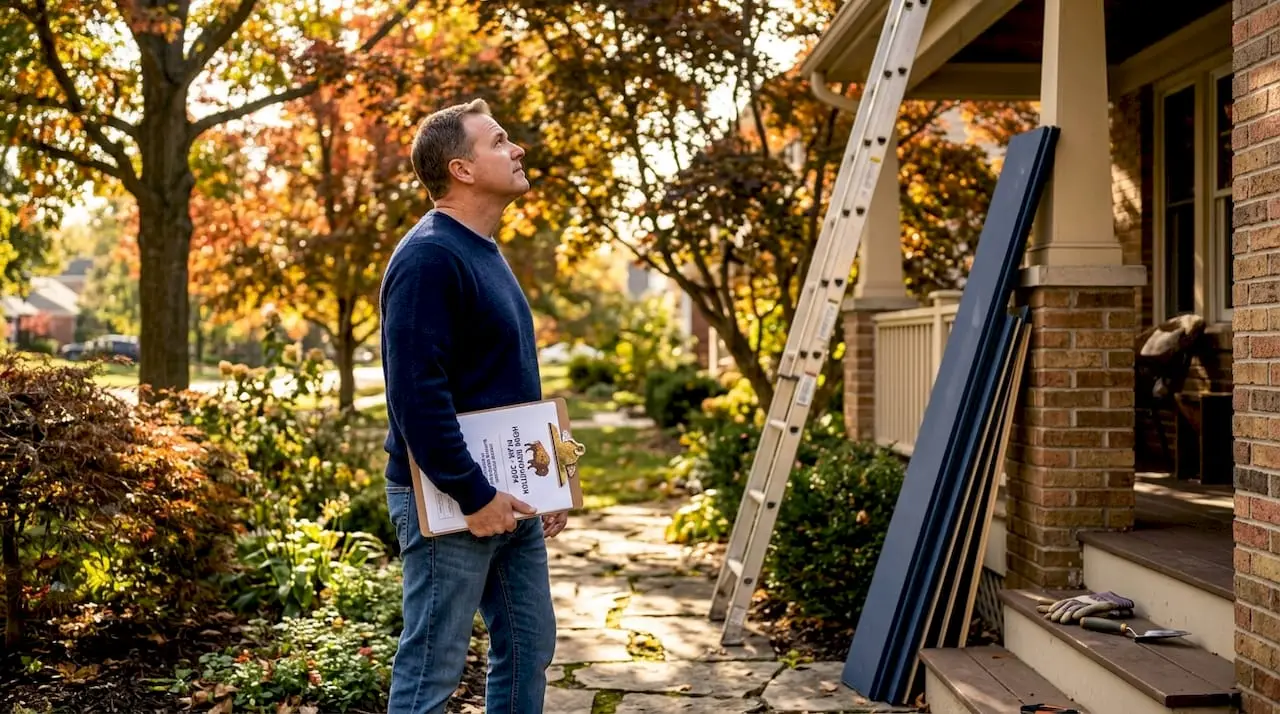
Evaluating your home’s condition before touching a single surface is the foundation of every successful exterior remodel. Without a documented baseline, you are guessing at scope, and guessing leads to change orders. A thorough inspection separates structural priorities from cosmetic wishes so your budget goes to the right places first.
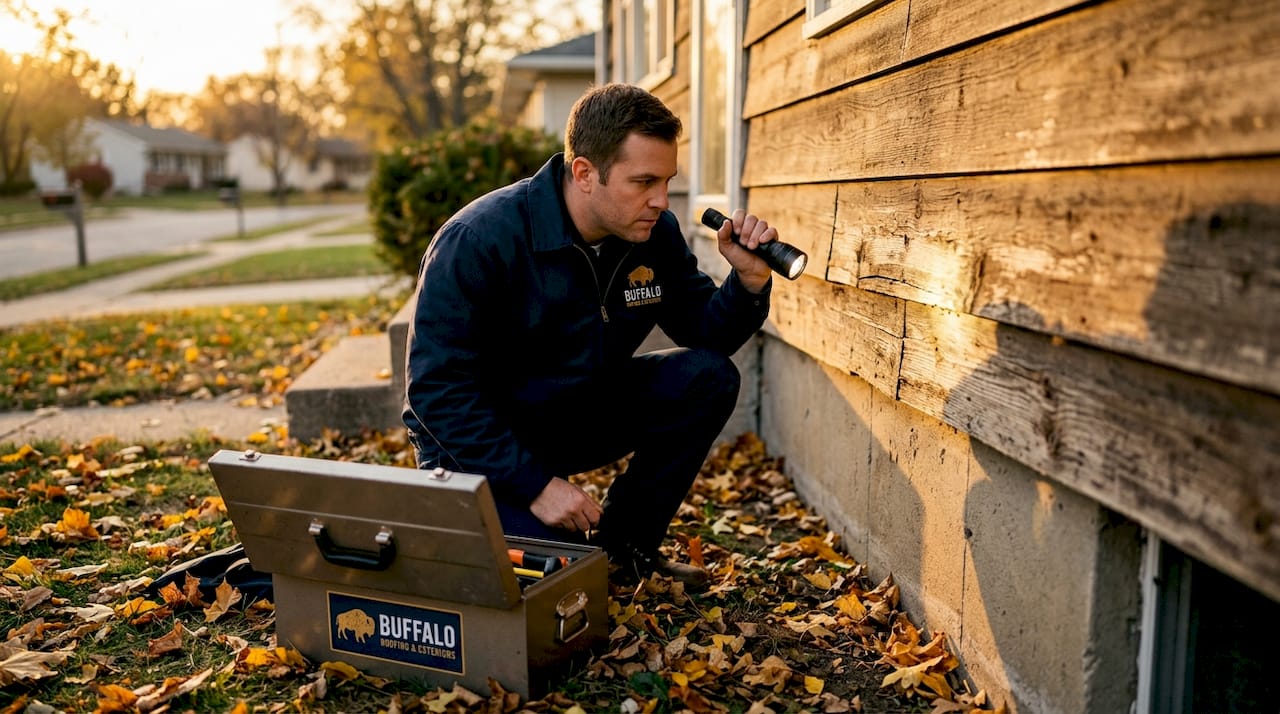
Walk the entire perimeter of your home and take dated photographs of every surface. Inspect and photograph the roof, gutters, fascia boards, siding, foundation edges, window frames, and door surrounds. Note every crack, soft spot, stain, or gap you find. These photos become your project record and your negotiating tool when reviewing contractor bids.
Moisture is the single biggest threat to any exterior surface. The EPA recommends fixing water problems promptly and drying wet materials within 24 to 48 hours to prevent mold from taking hold. If your inspection reveals dark staining on siding, bubbling paint, or soft wood near the roofline, treat those as structural issues, not cosmetic ones. Painting over moisture damage without addressing the source guarantees the problem returns within one season.
Structural concerns to document during inspection:
- Roof condition: missing shingles, lifted flashing, sagging decking
- Gutters: clogs, separation from fascia, improper slope
- Foundation perimeter: cracks, soil grading that directs water toward the house
- Siding: warping, rot, gaps at seams or corners
- Windows and doors: failed caulk, broken seals, wood rot in frames
Cosmetic concerns to note separately:
- Faded or peeling paint
- Stained or discolored siding panels
- Cracked trim or missing decorative elements
- Overgrown landscaping pressing against the structure
Pro Tip: Pressure washing exterior surfaces before your inspection removes surface dirt and mold that can hide damage. Do this first and you will spot problems you would otherwise miss until a contractor points them out at a higher price.
What goals should you set before starting an exterior remodel?
Clear renovation goals determine every decision that follows, from which materials you select to how much you spend and in what order work gets done. Vague goals produce vague bids. Specific goals produce specific quotes you can actually compare.
Most homeowners pursue one or more of these four objectives:
- Curb appeal — improving the visual impression the home makes from the street
- Weather resistance — hardening the building envelope against wind, rain, and humidity
- Energy efficiency — reducing heat gain or loss through better windows, insulation, or reflective roofing
- Property value — targeting upgrades with the strongest return on investment before a sale
Rank these by importance before you contact a single contractor. If weather resistance is your top priority, fiber cement siding and impact-rated windows belong at the top of your scope. If curb appeal drives the project, color selection, trim detail, and landscaping integration become the focus. The ranking changes your material budget, your timeline, and the expertise you need from a contractor.
Pro Tip: Write your top two goals on paper and share them with every contractor you interview. This single step filters out contractors whose default scope does not match your priorities and saves hours of back-and-forth.
Your goals also affect how you phase the project. A homeowner focused on energy savings might prioritize window replacement and attic ventilation in phase one, then address paint and landscaping in phase two. A property manager preparing a rental for market might do the reverse. Neither approach is wrong. What matters is that the sequence serves the goal, not the contractor’s scheduling convenience.
How to set a realistic budget and get accurate contractor bids
A realistic budget for exterior renovations starts with local research, not national averages. Material and labor costs in Corpus Christi, Texas differ significantly from those in the Midwest, so pull quotes from local suppliers and ask neighbors or local real estate agents what recent projects actually cost. Use those numbers as your floor, not your ceiling.
Adding a 10 to 20 percent contingency to your total budget is not optional. Unforeseen rot behind siding, backordered materials, or weather delays are routine on exterior projects. Without a buffer, a single surprise forces you to cut scope mid-project, which almost always costs more than building the contingency in from the start.
The most common budgeting mistake homeowners make is collecting three contractor bids before finalizing their design. Vague project scopes cause misunderstandings, change orders, and inflated quotes because each contractor fills in the blanks differently. One quotes fiber cement siding while another quotes vinyl. One includes window trim replacement while another excludes it. The bids look different because they are different projects.
Before you send a single request for quote, lock in these details:
- Siding material, brand, and color
- Window style, frame material, and glass specification
- Paint brand, sheen level, and color codes
- Trim material and profile
- Any structural repairs identified during inspection
Once those details are fixed, identical siding and window specs in every quote make bids directly comparable and reduce the risk of change orders after work begins. Collect at least three bids from licensed contractors. If one bid is dramatically lower than the others, ask the contractor to walk you through their scope line by line before assuming it is a bargain.
| Budget element | What to include |
|---|---|
| Materials | Siding, roofing, windows, trim, paint, caulk, fasteners |
| Labor | Installation, removal of old materials, cleanup |
| Permits | Local building permits and inspection fees |
| Contingency | 10 to 20 percent of total project cost |
| Phasing buffer | Additional reserve if project spans multiple seasons |
Choosing materials and scheduling work for best results
Material selection for exterior renovations is a climate decision as much as an aesthetic one. In coastal Texas, salt air, high humidity, and hurricane-force wind gusts make fiber cement siding, impact-rated windows, and metal or architectural shingle roofing the most durable choices. Wood siding and standard vinyl can perform well in milder climates but degrade faster in coastal conditions. Match the material to the environment, not just the catalog photo.
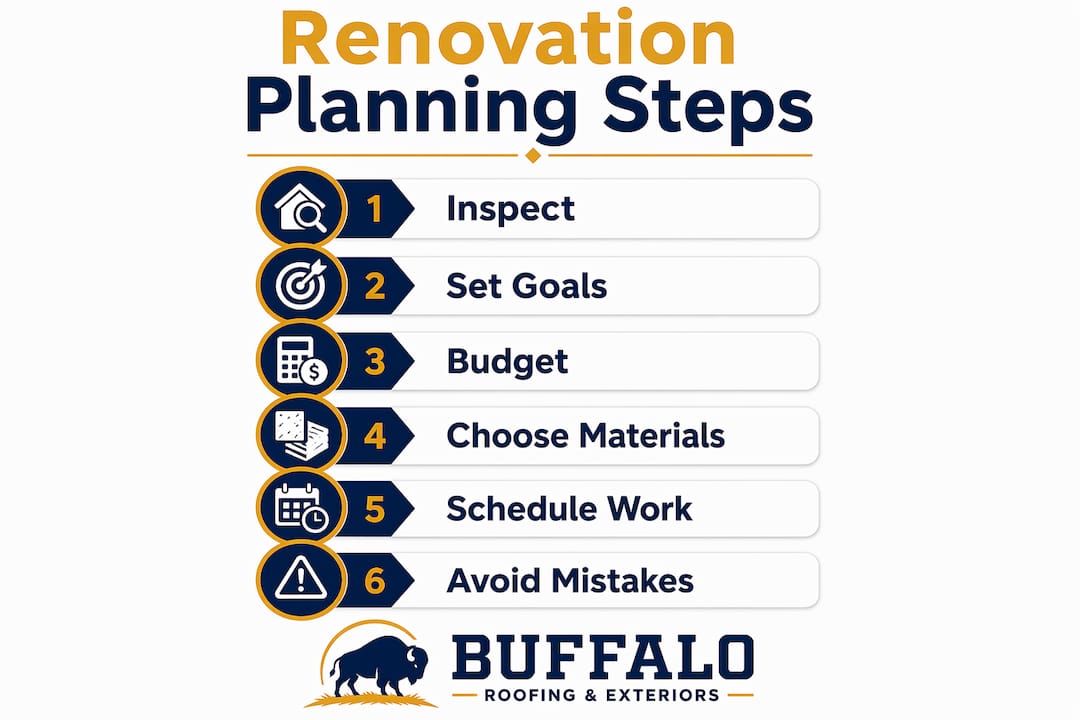
Work sequence matters as much as material quality. Exterior renovations should proceed top-down: complete roof repairs first, then address siding and windows, then apply paint, and finish with trim details and landscaping. This order protects completed surfaces from damage caused by work happening above them. Painting before the roof is repaired, for example, risks water intrusion that ruins the new finish within months.
Timing exterior painting deserves its own attention. Most exterior latex paints perform best between 50°F and 90°F. Applying paint during peak summer heat in South Texas risks poor adhesion and streaking that shortens the finish life significantly. For more detail on getting paint timing right, the guidance at exterior paint application covers temperature windows and surface prep in depth.
Pro Tip: Schedule exterior painting for early morning in summer months. Temperatures are cooler, direct sun has not yet hit most wall surfaces, and the paint has time to cure before afternoon humidity peaks.
Moisture control must be built into your work sequence, not treated as an afterthought. The EPA’s moisture management guidance recommends keeping indoor humidity below 60 percent and using fans or dehumidifiers to dry any exposed areas promptly. When siding comes off and sheathing is exposed, even a brief rain event can introduce moisture that causes mold if the area is not dried within 24 to 48 hours. Coordinate with your contractor on how exposed sections will be protected overnight and between work days.
For large projects, phasing is a practical tool, not a sign of budget failure. Completing the roof and siding in one season and returning for paint and landscaping the following spring protects your investment and lets you evaluate the first phase before committing to the second.
Common mistakes to avoid when planning exterior renovations
Most exterior renovation problems trace back to decisions made before the first nail is driven. Avoiding these errors protects your budget and your timeline.
- Skipping the structural inspection. Cosmetic work applied over rot, moisture damage, or failing flashing will fail prematurely. Always resolve structural issues before addressing aesthetics.
- Collecting bids before finalizing scope. Without a defined material and design spec, bids are not comparable. You end up choosing the lowest number, not the best value.
- Ignoring permits. Most exterior work, including siding replacement, window installation, and structural repairs, requires a local building permit. Skipping permits can void warranties, complicate home sales, and trigger fines.
- Painting in unsuitable weather. Temperatures outside the 50°F to 90°F range, high humidity, or direct midday sun all compromise paint adhesion. A bad paint job costs more to fix than it saved by rushing.
- No contingency fund. Rot behind siding, corroded flashing, and backordered materials are common surprises. A project with no buffer forces mid-project scope cuts that create more problems than they solve.
- Poor contractor communication. Establish a weekly check-in schedule with your contractor before work begins. Decisions made on the fly without homeowner input are the leading cause of change orders and disputes.
Checking your exterior renovation checklist against these pitfalls before signing any contract takes less than an hour and can save thousands of dollars.
Key takeaways
Effective exterior renovation planning requires a documented inspection, defined goals, a scoped budget with contingency, and locked-in design details before any contractor bids are collected.
| Point | Details |
|---|---|
| Inspect before planning | Photograph and document structural and cosmetic issues before setting scope or budget. |
| Define goals first | Rank curb appeal, weather resistance, energy efficiency, and property value to guide every material and budget decision. |
| Lock scope before bidding | Finalize materials, colors, and specs so contractor bids are directly comparable and change orders are minimized. |
| Build in contingency | Reserve 10 to 20 percent of total budget for rot, delays, and backordered materials. |
| Follow the right work order | Complete roof repairs first, then siding and windows, then paint, then landscaping to protect finished surfaces. |
What I’ve learned from watching renovations go right and wrong
After years of working with homeowners on exterior projects across South Texas, the pattern is consistent. The projects that finish on time and on budget are the ones where the homeowner did the homework before the first contractor walked the property. The ones that spiral into disputes and cost overruns almost always start with a vague conversation and a handshake on a number that was never tied to a real scope.
The insight most homeowners miss is that the inspection and goal-setting phase is not preparation for the renovation. It is the renovation, at least in terms of where your decisions get made. By the time a crew shows up, every important choice should already be locked in writing.
Balancing aesthetics with building envelope health is where I see the most costly shortcuts. A fresh coat of paint looks great for six months. New fiber cement siding over properly dried, inspected sheathing looks great for twenty years. The difference is not the product. It is the sequence and the willingness to address what is underneath before covering it up.
After the project wraps, schedule a seasonal inspection every spring and fall. Catch caulk failures, gutter separations, and paint bubbles early and you extend the life of every surface you just paid to install. Proactive maintenance is the cheapest renovation you will ever do.
— Buffaloroofingandexteriors
How Buffaloroofingandexteriors can support your renovation project
Planning exterior renovations is straightforward when you have an experienced contractor walking through each phase with you. Buffaloroofingandexteriors serves homeowners and property managers across Corpus Christi, San Antonio, and Victoria with professional assessments, detailed scoped bids, and material expertise built around coastal Texas conditions.

From weather-resistant roofing solutions to siding, windows, and full exterior upgrades, the team at Buffaloroofingandexteriors brings the inspection, planning, and execution under one roof. Browse completed renovation projects to see the quality of work firsthand, then contact the team for a free estimate. Financing options and warranties are available to make your project manageable from day one.
FAQ
How do I start planning an exterior renovation?
Start with a full exterior inspection, documenting structural and cosmetic issues with photos. Defining renovation goals and finalizing your material choices before collecting contractor bids gives you a comparable, accurate scope from the start.
How much contingency should I budget for exterior renovations?
Budget a 10 to 20 percent contingency on top of your total project estimate. Unexpected rot, backordered materials, and weather delays are common on exterior projects and will consume that buffer faster than most homeowners expect.
What is the correct order for exterior renovation work?
Complete roof repairs first, then address siding and windows, then apply paint, and finish with trim and landscaping. This top-down work sequence protects completed surfaces and prevents costly rework caused by damage from tasks performed above finished areas.
When is the best time to paint a home’s exterior?
Paint exterior surfaces when temperatures stay between 50°F and 90°F. In South Texas, early morning application during spring or fall avoids the peak summer heat that causes poor paint adhesion and streaking on finished surfaces.
Do I need permits for exterior renovations?
Most exterior work, including siding replacement, window installation, and structural repairs, requires a local building permit. Skipping permits can void material warranties, complicate future home sales, and result in fines from your local building authority.