TL;DR:
- Coastal Texas homeowners should upgrade roof, windows, and siding to better withstand storms. Proper installation and system-focused protection are key to effective hurricane resilience. Upgrades can significantly reduce insurance claims and property damage over time.
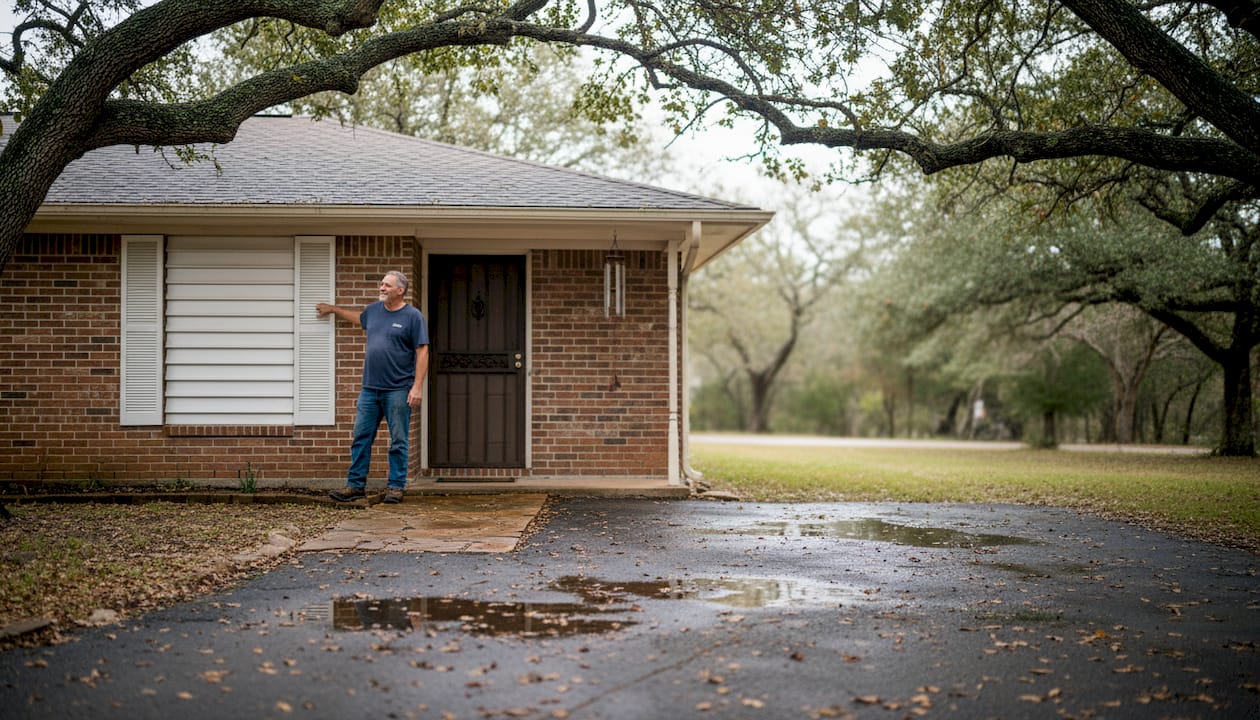
Most coastal Texas homeowners assume their home is ready for hurricane season. It probably isn’t. Code-minimum construction, built to standards from decades ago, leaves your roof, windows, and walls exposed to the kind of wind and water that modern Gulf storms deliver with increasing force. The good news: strategic exterior upgrades can change that math dramatically. FORTIFIED roofs reduce storm claims by 73%, and that’s just one data point. This guide walks you through every major upgrade, what it actually does, what it won’t do, and how to think about the money side so you can make decisions that protect your home and your budget.
Table of Contents
- Why exterior upgrades matter for storm resilience
- Core exterior upgrades and their impact
- Hidden realities and limitations of storm-resistant upgrades
- Return on investment: Costs, savings, and property value
- The uncomfortable truth about storm protection most experts overlook
- Protect your home with expert exterior upgrades
- Frequently asked questions
Key Takeaways
| Point | Details |
|---|---|
| Upgrades slash storm risk | Strategic exterior improvements like FORTIFIED roofs and impact windows greatly reduce storm and insurance damage. |
| ROI extends beyond safety | Upgrades deliver insurance savings and may boost home value, making them financially smart as well as protective. |
| Installation quality is vital | The effectiveness of any upgrade depends more on skilled installation than on the material alone. |
| No solution is total | Even top-tier upgrades cannot eliminate flood or Cat 5 hurricane risk, but they dramatically improve resilience. |
Why exterior upgrades matter for storm resilience
Coastal Texas sits in one of the most storm-active corridors in North America. The Gulf of Mexico feeds warm water to developing tropical systems, and when those systems make landfall near Corpus Christi, Rockport, or Port Aransas, homes built to older codes can suffer catastrophic damage even from a Category 2 or 3 storm.
The problem with code-minimum construction is that building codes are set as a floor, not a ceiling. Many homes built before the mid-2000s meet standards that simply weren’t designed for the wind speeds, rainfall intensity, or storm surge we see today. Even newer homes can fall short if contractors cut corners or use materials that barely clear the minimum threshold.
Exterior upgrades work by strengthening what engineers call the building envelope, which is essentially every surface that separates the inside of your home from the outside world. Your roof deck, shingles, windows, doors, and siding all form this barrier. When any part of it fails, wind and water rush in, and interior damage follows fast.
Here’s why the envelope concept matters so much:
- Roof failure is the number one cause of total loss in hurricanes
- Broken windows allow sudden pressure changes that can blow out walls
- Compromised siding lets water infiltrate wall cavities, leading to mold and structural rot
- Unsecured doors can fail under sustained wind loads well below hurricane force
- Gaps and poor seals around penetrations create entry points for both wind and water
The reasons to upgrade exteriors go beyond just avoiding damage. Insurance carriers have taken notice of the data, and homes with documented upgrades routinely earn lower premiums. Property values also respond positively when buyers understand what they’re getting.
“FORTIFIED roofing, impact windows and doors, and quality siding dramatically reduce storm damage to building envelopes.” This finding from post-Hurricane Sally analysis confirmed what many contractors in coastal markets already suspected: the gap between upgraded and non-upgraded homes is enormous once a real storm hits.
Strategic weatherproofing in coastal Texas isn’t a luxury. For homes within 50 miles of the Gulf, it’s the single most effective risk management tool available.
Core exterior upgrades and their impact
Not all upgrades deliver equal results. Some protect primarily against wind; others address water intrusion, debris impact, or long-term material degradation. Knowing which upgrades to prioritize, and in what order, saves money and maximizes your protection.
Here are the four priority upgrades every coastal Texas homeowner should consider:
- FORTIFIED roof system — This goes beyond standard shingles. It includes a sealed roof deck, enhanced attachment methods, and materials tested to specific wind speeds. It’s the backbone of any serious storm-protection plan.
- Impact-rated windows and doors — These are built to withstand flying debris at high wind speeds without shattering. Standard windows, even double-pane ones, are not designed for this.
- Fiber cement siding — Unlike vinyl, fiber cement holds up to wind-driven rain, resists impact, and doesn’t warp or crack under coastal humidity cycles.
- Hurricane clips and structural connectors — These metal fasteners tie your roof to your walls to your foundation, creating a continuous load path that keeps the whole structure connected during high winds.
Here’s how the top impact-resistant upgrades compare side by side:
| Upgrade | Storm effectiveness | Typical lifespan | Estimated insurance discount |
|---|---|---|---|
| FORTIFIED roof | Very high | 20-30 years | 10-35% |
| Impact windows/doors | High | 25-30 years | 5-15% |
| Fiber cement siding | Moderate-high | 40-50 years | 3-8% |
| Hurricane clips | High | Life of structure | 5-10% |
| Improved seals/flashing | Moderate | 10-15 years | 2-5% |
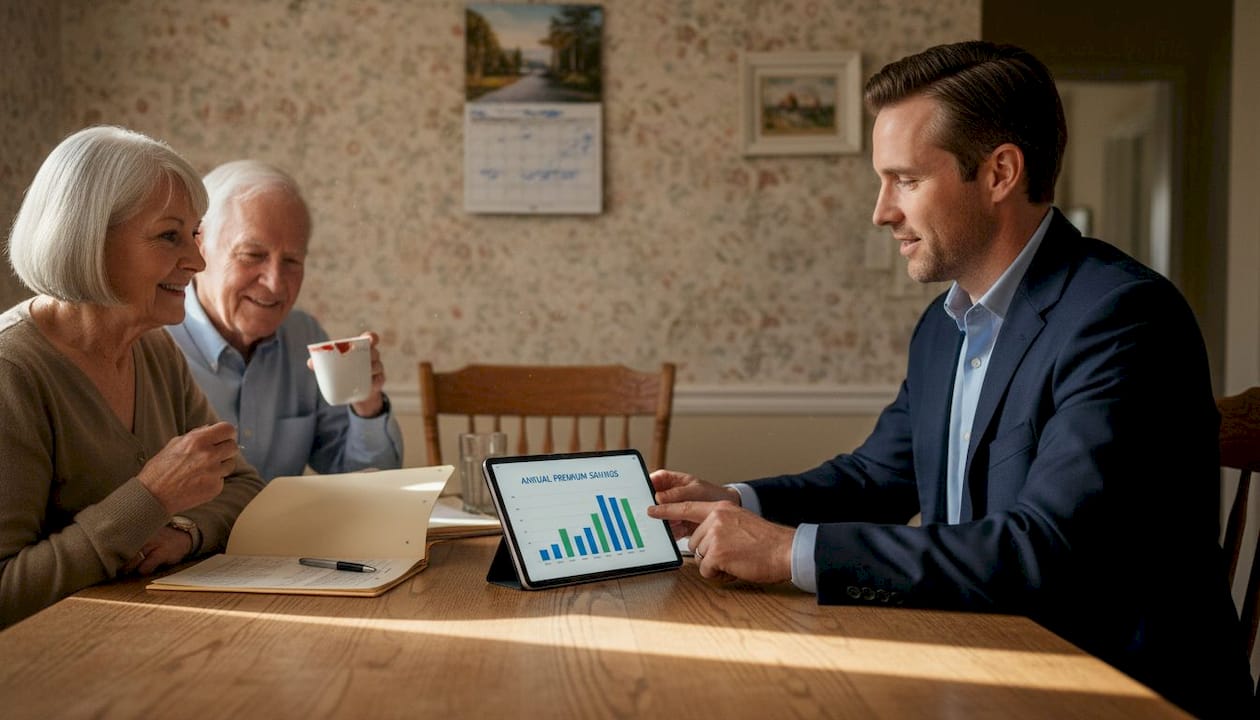
The insurance math is significant. FORTIFIED roofs reduce storm claims by 73%, and annual premium savings of $400 to $1,200 are common for Texas homeowners who document their upgrades correctly. Fiber cement siding that lasts 40 to 50 years also means fewer replacement cycles compared to vinyl, which typically needs replacement every 15 to 20 years in coastal conditions.
For a deeper look at what works best for Texas properties specifically, the best renovation ideas for coastal homes often start with the roof and work outward.
Pro Tip: Combining multiple upgrades in a single project, especially roof plus windows, gives you more negotiating power with your insurance carrier and often results in larger premium reductions than if you made each upgrade separately.
For homeowners researching specific products, weather-resistant windows designed for coastal Texas conditions carry impact ratings that standard windows simply don’t.
Hidden realities and limitations of storm-resistant upgrades
It’s tempting to see these upgrades as silver bullets, but a realistic approach means knowing their limits and common pitfalls.
Even the best exterior upgrades have a ceiling. Upgrades don’t fully protect against Cat 5 hurricanes or flooding without elevation. At extreme wind speeds, even FORTIFIED-rated materials can fail. Surge flooding that enters through the foundation or ground-level openings bypasses all the roof and wall improvements entirely.
Here’s a practical breakdown of how water exposure duration affects common building materials:
| Water exposure duration | Material performance impact |
|---|---|
| Under 24 hours | Most materials perform well with minor cleanup |
| 24-72 hours | Drywall damage begins; wood framing at risk |
| 3-7 days | Mold growth starts; structural wood weakens |
| 1-2 weeks | Significant structural compromise across most materials |
| Over 2 weeks | Even flood-resistant materials begin to degrade seriously |
Important distinctions that often get glossed over in sales conversations:
- FORTIFIED certification focuses on roof and wind resistance. Siding is not FORTIFIED-rated in the same way.
- Flood protection is a separate category requiring elevation, flood vents, and flood-resistant materials as defined by FEMA flood material standards.
- Storm surge is a water event, not a wind event. No amount of wind-rated roofing stops a six-foot surge.
“Long flood exposure degrades all materials. The question is never if, but how fast.”
Poor installation is where many upgrade investments fail before the first storm even arrives. Most catastrophic claims trace back to installation failures rather than product failures. This is why who installs your upgrades matters as much as what you install.
A reliable weatherproofing guide will always emphasize certified installation as non-negotiable. Well-intentioned DIY work or hiring the lowest bidder on a FORTIFIED project often voids the certification and the insurance discount entirely.
Pro Tip: Ask your contractor for their FORTIFIED certification credentials before signing anything. A certified installer can submit documentation directly to the insurance carrier, making the discount process seamless.
For homeowners trying to cut storm damage before the next season, starting with a professional inspection helps identify which part of the envelope is most vulnerable right now.
Return on investment: Costs, savings, and property value
Understanding the limits of upgrades leads naturally to the next question: Are they worth the investment?
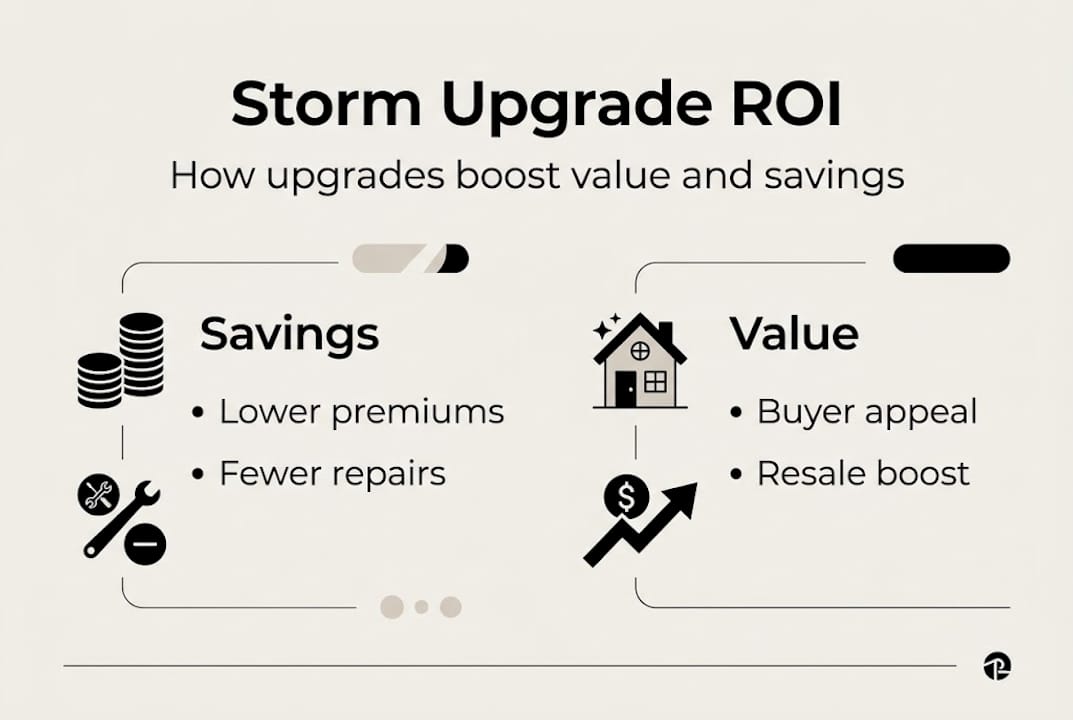
The short answer is yes, but the details matter. FORTIFIED Gold certification, the highest tier, typically adds 1 to 3% to new construction costs. On a $300,000 home, that’s $3,000 to $9,000 upfront. Impact windows and quality siding add additional cost depending on home size and existing condition.
Here’s where homeowners should focus based on their goals:
- Best for immediate insurance savings: FORTIFIED roof certification, which triggers 10-35% premium discounts
- Best long-term material value: Fiber cement siding, lasting 40-50 years with minimal maintenance
- Best for resale signal: Impact windows, which are visible and verifiable by buyers and appraisers
- Best overall system value: Combining roof, windows, and siding in one contracted project for maximum insurer recognition
The resale picture is nuanced. FORTIFIED homes earn 10-35% insurance discounts and generally attract buyers in storm-aware markets. However, elevation, which raises the home on piers or fill to reduce flood risk, reduces flood losses but can lower resale price by approximately 1.7% in some markets due to buyer perception and aesthetic concerns.
For most homeowners, the insurance savings alone justify the investment within five to eight years. Add avoided repair costs from the next storm, and the return accelerates significantly.
For a full breakdown of specific storm damage prevention tips relevant to 2026 conditions and updated carrier requirements, the investment case becomes even clearer. And for homeowners who’ve already experienced damage, understanding the benefits of storm damage repair as a starting point for upgrades can reframe what feels like a setback into a strategic opportunity.
The uncomfortable truth about storm protection most experts overlook
Here’s what we’ve learned after years of working on coastal Texas homes: most homeowners focus entirely on products and almost none of their attention on the system those products create together.
Sales reps talk about shingle ratings. Ads show impact windows in slow-motion destruction tests. But a Class 4 shingle on a poorly attached roof deck, next to an impact window that wasn’t sealed correctly, next to a door with a compromised frame, is not a storm-resistant home. It’s a collection of good parts that don’t add up to a reliable whole.
Insurers and serious buyers both reward documented, comprehensive, professionally installed upgrades. They’re not impressed by a single high-rated product with no supporting installation record.
Local resale culture sometimes works against homeowners here. Buyers in some Texas markets undervalue protective investments because they haven’t personally experienced a catastrophic loss. That attitude changes fast after a major storm. The homeowners who made smart upgrades before the storm are the ones who return to livable, sellable homes.
True protection is a system: roof, windows, doors, and siding, all installed correctly, all documented, and all working together. That’s what why exterior renovations matter keeps coming back to. Products are just the starting point.
Protect your home with expert exterior upgrades
Planning storm-ready exterior upgrades is much easier when you have expert guidance and access to vetted local installers who know coastal Texas conditions inside and out. The difference between a product purchase and a genuine upgrade comes down to who designs the system and who puts it in.
At Buffalo Roofing & Exteriors, we work with homeowners in Corpus Christi, San Antonio, and Victoria to build resilient exteriors that protect what matters most. Whether you’re starting from scratch or building on what you already have, we offer free estimates and financing options to make the process accessible. Start by exploring what exterior renovation means for your specific situation, check out our storm restoration guidance for post-storm planning, or browse our full range of exterior services to find the right fit for your home.
Frequently asked questions
What is the best exterior upgrade for storm protection in Texas?
A FORTIFIED roof, properly installed, offers the greatest reduction in storm damage for most coastal Texas homes. Certified FORTIFIED roofs cut insurance claims by 73% compared to standard roofs.
Are impact-resistant windows worth the cost?
Yes, impact-rated windows protect against flying debris and high winds, and they add measurable insurance discounts and property value. They also help maintain the building envelope when wind-borne debris would otherwise shatter standard glass.
Can upgrades stop flood damage?
Upgrades slow but cannot eliminate flood damage unless the building is elevated and built with approved materials. Flood-resistant materials help reduce interior damage, but elevation remains the most effective flood mitigation tool.
Do storm upgrades increase home resale value?
Generally yes, though results vary. FORTIFIED certifications and impact windows attract buyers in storm-aware markets, but elevation can slightly lower resale price in some markets due to buyer perception.
How important is professional installation?
It’s critical. Most catastrophic claims trace back to installation failures rather than material failures, and poor installation can void your FORTIFIED certification and any associated insurance discounts.