Homes with wind-resistant roofs suffer up to 60% less storm damage during hurricanes. Many coastal Texas homeowners believe roofing material alone determines wind resistance, but that’s only part of the story. Design and installation matter equally or more in protecting your property from devastating wind forces. This article explains how materials, roof shape, fastener types, and quality installation work together to shield your coastal Texas home from hurricane-force winds and debris impact.
Table of Contents
- Understanding Wind-Resistant Roofing: Definition And Mechanisms
- Materials That Enhance Roof Wind Resistance
- Design And Construction Features For Wind Resilience
- Common Misconceptions About Wind-Resistant Roofing
- Comparing Roofing Options For Coastal Wind Resistance
- Practical Guidance For Coastal Texas Homeowners
- Cost-Benefit Analysis Of Wind-Resistant Roofing Solutions
- Protect Your Coastal Texas Home With Buffalo Roofing & Exteriors
- Frequently Asked Questions
Key takeaways
| Point | Details |
|---|---|
| Wind resistance combines materials, design, and installation | No single factor alone provides complete storm protection for coastal homes. |
| Metal roofing with corrosion-resistant fasteners offers highest ratings | Properly installed metal roofs withstand winds exceeding 120 mph in coastal zones. |
| Hip roof designs outperform gable roofs against wind uplift | Aerodynamic hip shapes reduce destructive uplift forces during hurricanes. |
| Quality installation boosts wind resistance by up to 40% | Proper fastener spacing and techniques multiply material performance significantly. |
| Regular inspections maintain long-term protection | Post-storm checks and corrosion monitoring preserve wind resistance effectiveness. |
Understanding wind-resistant roofing: definition and mechanisms
Wind-resistant roofing describes a roof’s ability to withstand wind uplift forces and debris impact during storms without sustaining major damage or failure. In hurricane-prone coastal Texas, wind uplift creates tremendous destructive potential by pulling roofs away from structures when air pressure beneath exceeds pressure above. This force can peel entire roof sections off homes during severe storms.
Three interconnected elements determine actual wind resistance performance. Roofing materials provide baseline strength, roof geometry influences how wind flows over and around your home, and installation quality determines whether components stay secured under stress. Local wind speed codes in coastal Texas mandate minimum performance requirements, often specifying resistance to winds up to 130 mph for hurricane zones.
Key factors influencing your roof’s wind resistance include:
- Material certification and wind uplift rating
- Roof geometry, with hip designs outperforming gable configurations
- Installation techniques including fastener pattern and spacing
- Fastener type and corrosion resistance for coastal environments
- Quality of roofing underlayment as moisture barrier
The synergy between these factors matters more than focusing on material alone. Installation improves wind resistance by 30-40% beyond what materials provide by themselves. Understanding this interaction helps you make informed decisions about weather-resistant roofing in Texas that truly protects your investment.
With this foundational understanding, next we’ll examine the specific materials that enhance wind resistance in coastal environments.
Materials that enhance roof wind resistance
Metal roofing delivers superior wind uplift resistance compared to other materials, with many products rated to withstand winds exceeding 120 mph. The interlocking panel design and continuous attachment points distribute wind loads evenly across the roof structure. Metal’s inherent strength resists bending and tearing forces that damage weaker materials during hurricanes.
Synthetic underlayments provide critical moisture barriers that enhance overall wind resistance during wind-driven rain events common in coastal storms. These advanced membranes seal around fasteners and resist tearing better than traditional felt paper. When water infiltrates through damaged shingles, quality underlayment prevents interior damage and maintains structural integrity.
Corrosion-resistant fasteners made from stainless steel or specially coated materials protect against degradation from salty coastal air. Standard fasteners corrode within years in marine environments, weakening attachment points and compromising wind resistance over time. Investing in premium fasteners preserves long-term performance.
Top materials and coastal features for wind resistance:
- Interlocking metal roof panels with concealed fastener systems
- Impact-resistant asphalt shingles rated Class 4 for hail and debris
- Synthetic roofing underlayments with superior tear strength
- Stainless steel or coated fasteners engineered for marine environments
- High-performance adhesives for enhanced shingle bond strength
Pro Tip: Always verify product wind uplift certification to ASTM E330 standard before purchasing. This ensures authentic wind resistance performance rather than marketing claims. Documentation from independent testing labs provides confidence your investment delivers promised protection during coastal storms.
Choosing storm-ready roofing materials suited to Texas coastal conditions represents your first defense layer against hurricane damage.
Now that you know which materials excel, let’s explore how roof design and construction further boost wind resilience.
Design and construction features for wind resilience
Hip roof designs provide aerodynamic benefits over traditional gable roofs by reducing wind uplift forces across all roof surfaces. The four-sided sloped configuration allows wind to flow smoothly over the structure instead of catching vertical gable ends like sails. This geometric advantage significantly decreases pressure differentials that cause roof failures during hurricanes.
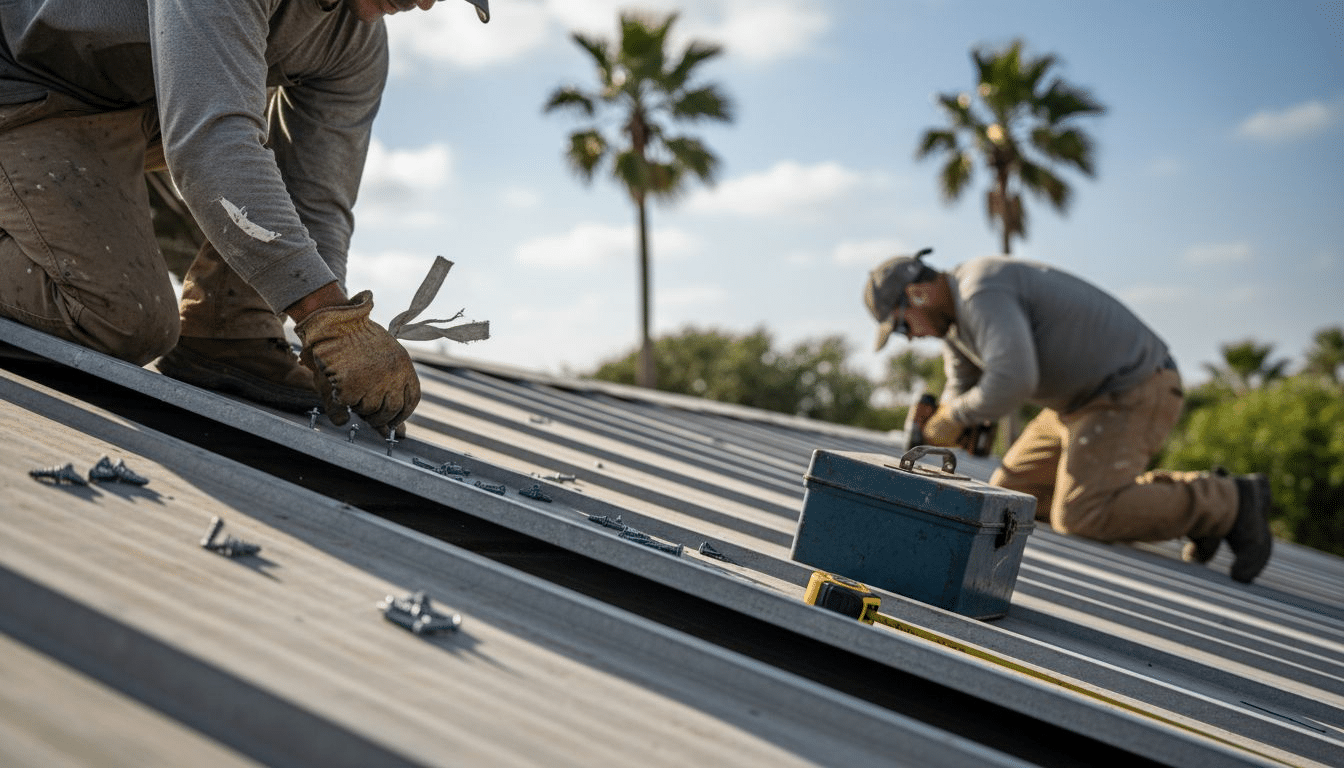
Installation techniques boost wind resistance performance by up to 40% when executed properly. Fastener type, placement pattern, and spacing density all influence how well roofing materials stay attached under extreme wind loads. Professional installers following manufacturer specifications and local building codes create redundant attachment points that prevent cascading failures.
Steps to optimize design and installation for wind resilience:
- Select hip roof shape for new construction or major renovations to minimize uplift forces
- Specify corrosion-resistant fasteners rated for coastal marine environments
- Require installers to follow ASTM installation standards and manufacturer guidelines precisely
- Maintain adequate fastener density with closer spacing in high-stress roof zones
- Verify windstorm certification for all materials and installation methods used
Pro Tip: Engage installers with proven local coastal Texas expertise rather than general contractors. Experienced professionals understand regional building codes, recognize common installation errors that compromise wind resistance, and know which techniques work best in hurricane zones. Their knowledge ensures your investment delivers maximum protection.
Quality installation backed by comprehensive roofing warranties and installation quality assurance protects your home and your investment over decades.
Understanding design and installation roles debunks common misconceptions, which we tackle next.
Common misconceptions about wind-resistant roofing
Many homeowners believe only roofing material determines wind resistance, but this oversimplification ignores critical factors. Installation quality and roof design equally or superiorly impact actual performance during storms. A premium material installed incorrectly fails faster than a standard material installed expertly with proper techniques and fastener patterns.
Another widespread myth suggests all shingles or metal roofs provide equal wind resistance. Wind uplift ratings vary dramatically between products, with some asphalt shingles rated only to 60 mph while certain metal systems exceed 140 mph. Material specifications matter enormously, and assuming equivalency within categories leads to inadequate protection choices.
Some homeowners think wind-resistant roofs need no inspections after installation. Regular maintenance and corrosion monitoring remain critical for sustained performance, especially in harsh coastal environments. Fasteners corrode, sealants degrade, and minor damage accumulates over time, gradually compromising wind resistance before the next major storm arrives.
Common misconceptions to avoid:
- Believing material alone determines wind resistance without considering installation quality
- Assuming all products within a category perform equally in high winds
- Thinking weather-resistant roofing requires no maintenance or post-installation inspections
- Overlooking fastener quality and corrosion resistance in coastal zones
- Ignoring roof geometry’s impact on wind uplift forces and pressure distribution
Installation and design can increase wind resistance performance by approximately 30-40% beyond materials alone.
This reality from Roofing Contractor Magazine research emphasizes why focusing solely on material selection misses the bigger picture. Successful wind-resistant roofing requires attention to all three elements working together harmoniously.
With misconceptions cleared, let’s compare roofing options so you can choose what fits your coastal Texas home best.
Comparing roofing options for coastal wind resistance
Different roofing materials and designs offer varying levels of wind resistance, durability, and cost profiles. Understanding these tradeoffs helps you make informed decisions based on your budget, home design, and risk tolerance. The comparison below highlights key differences between popular options for coastal Texas homes.
| Feature | Metal Roofing | Impact-Resistant Asphalt Shingles |
|---|---|---|
| Wind Uplift Rating | 120-140+ mph | 90-110 mph |
| Corrosion Resistance | Excellent with proper coating | Moderate, requires maintenance |
| Typical Cost | $8-14 per sq ft installed | $4-7 per sq ft installed |
| Expected Lifespan | 40-70 years | 20-30 years |
| Maintenance Needs | Low, periodic inspections | Moderate, more frequent replacement |
Key advantages and tradeoffs summarized:
- Metal roofing delivers superior wind resistance and longevity but requires higher upfront investment
- Asphalt shingles cost significantly less initially but need replacement more frequently
- Metal’s corrosion resistance excels in salty coastal air with proper coatings and fasteners
- Impact-resistant shingles provide good hail protection at moderate cost
- Both options benefit equally from quality installation and aerodynamic roof design
Design and installation quality shift performance regardless of material selection. A well-installed asphalt roof with hip design and proper fastener density outperforms a poorly installed metal roof every time. The synergistic effect of choosing quality materials and pairing them with aerodynamic hip roof geometry maximizes protection.
Exploring various roof material options for wind resistance helps you balance performance needs against budget constraints effectively.
Having compared your options, we’ll next offer practical guidance to select and maintain wind-resistant roofs that comply with Texas coastal codes.
Practical guidance for coastal Texas homeowners
Selecting and maintaining wind-resistant roofing requires following specific steps to ensure your investment delivers promised protection. These actionable guidelines help you navigate the process from initial evaluation through ongoing maintenance for maximum storm resilience.
Steps to select and maintain wind-resistant roofing:
- Verify material certification and wind uplift ratings meet or exceed local coastal Texas building code requirements
- Confirm roof design meets regional standards, with hip roof configurations preferred over gable styles
- Hire licensed installers with documented experience in wind-resistant construction and coastal projects
- Specify corrosion-resistant fasteners rated for marine environments in all contracts and material orders
- Schedule regular professional inspections at least annually and always after major storms
Pro Tip: Maintain complete documentation of roofing certifications, installation photos, and inspection reports. This paperwork provides valuable evidence for insurance claims after storms and may qualify you for premium discounts. Organized records also help future inspectors identify original specifications and verify proper maintenance over time.
Consult local windstorm certification and building codes programs to verify compliance with current standards. Texas coastal counties maintain specific requirements that exceed inland specifications. Meeting these elevated standards ensures your roof withstands the intense wind forces common during hurricane season.
Keeping detailed records also streamlines storm damage and insurance claims processes when disaster strikes. Insurers process claims faster when you provide documentation proving proper installation and maintenance.
Understanding practical steps brings us to analyze the financial benefits and tradeoffs of investing in wind-resistant roofing.
Cost-benefit analysis of wind-resistant roofing solutions
Investing in wind-resistant roofing involves higher upfront costs but delivers substantial long-term savings through reduced repair expenses, insurance benefits, and increased property value. Understanding these financial tradeoffs helps justify the investment, especially for coastal Texas homeowners facing regular hurricane threats.
| Roofing Type | Upfront Cost | Expected Lifespan | Annual Maintenance | Storm Damage Reduction |
|---|---|---|---|---|
| Metal Wind-Resistant | $24,000-$42,000 | 40-70 years | $200-400 | 50-60% lower repair costs |
| Impact Asphalt Shingles | $12,000-$21,000 | 20-30 years | $400-600 | 30-40% lower repair costs |
| Standard Asphalt | $9,000-$15,000 | 15-20 years | $500-800 | Baseline comparison |
Key financial considerations:
- Premium metal roofs cost 60-180% more upfront but last twice as long as standard options
- Reduced storm repair costs accumulate to significant savings over the roof’s lifetime
- Many insurers offer 10-20% premium discounts for certified wind-resistant roofing systems
- Wind-resistant roofs increase home resale value in hurricane-prone markets
- Avoiding one major roof replacement saves $15,000-$30,000 in coastal Texas
Pro Tip: Evaluate roofing as a long-term investment rather than immediate expense. Calculate total cost of ownership over 30-40 years including installation, maintenance, repairs, and replacement cycles. In high-wind coastal zones, premium wind-resistant systems often cost less per year of protection than cheaper alternatives requiring frequent replacement.
Analyzing costs and savings with wind-resistant roofing reveals the true value proposition for coastal homeowners. The math strongly favors durable, properly installed systems that withstand decades of harsh conditions.

With costs and benefits evaluated, you are well-prepared to protect your coastal home; the next section connects this knowledge with trusted roofing services.
Protect your coastal Texas home with Buffalo Roofing & Exteriors
Your home deserves protection engineered specifically for brutal coastal storms and hurricane-force winds. Buffalo Roofing & Exteriors specializes in installing weather-resistant roofing solutions designed to withstand the unique challenges facing coastal Texas properties. Their certified installers ensure every project meets local wind codes and employs proper installation techniques that maximize protection beyond what materials alone provide.
Explore comprehensive roofing material options suited to your specific needs and budget, from premium metal systems to impact-resistant shingles, all backed by industry-leading warranties. Whether you need flat roof systems for commercial properties or residential solutions, their team brings decades of coastal experience to every installation. Contact Buffalo Roofing & Exteriors today for a consultation and discover how expert roof installation services safeguard your investment against the fiercest storms Texas coastlines experience.
Let’s conclude by addressing common questions homeowners have about wind-resistant roofing to clear any remaining doubts.
Frequently asked questions
What is wind-resistant roofing?
Wind-resistant roofing combines specialized materials, aerodynamic design, and quality installation techniques to withstand strong winds and debris impact during storms. It’s engineered to resist uplift forces that tear conventional roofs off structures during hurricanes.
Why is wind-resistant roofing critical for coastal Texas homes?
Coastal Texas faces frequent hurricanes and tropical storms with winds exceeding 100 mph that cause billions in property damage annually. Wind-resistant roofing reduces storm damage by up to 60% compared to standard roofs, protecting your largest investment and family safety.
What building code requirements apply for wind resistance in Texas?
Texas coastal counties mandate wind resistance ratings based on local wind speed maps, typically requiring roofs to withstand 120-140 mph winds in hurricane zones. Specific requirements vary by county and distance from the coastline, so verify local codes before installation.
How can I verify if my roof is wind-resistant?
Check for manufacturer certification labels, review installation documentation for ASTM compliance, and verify fastener types and spacing meet wind zone requirements. Professional inspections assess roof geometry, material ratings, and installation quality to confirm actual wind resistance performance.
How often should I inspect my wind-resistant roof?
Schedule professional inspections annually and immediately after major storms to identify damage, corrosion, or deterioration early. Coastal environments accelerate wear on fasteners and sealants, making regular monitoring essential to maintain wind resistance effectiveness over decades.