Texas coastal property owners face relentless weather threats that most people underestimate until it’s too late. Hurricanes, torrential rain, high winds, and corrosive salt air attack your home’s exterior year after year, causing structural failures and expensive repairs. Exterior weatherproofing reduces coastal home failures by 60%, yet many homeowners wait until after a storm to invest in protection. This guide explains how to select and maintain weatherproof exterior solutions that shield your property, reduce damage, and increase value for decades to come.
Table of Contents
- Key takeaways
- Why weatherproof exteriors matter for Texas coastal properties
- Components and materials of effective weatherproof exteriors
- Installation, maintenance, and upgrade strategies for lasting protection
- Comparing popular weatherproof exterior solutions for Texas homes
- Explore expert weatherproof exterior solutions in Texas
- Frequently asked questions
Key Takeaways
| Point | Details |
|---|---|
| Weatherproof exteriors | Weatherproof exteriors reduce water intrusion, structural damage, and maintenance costs in Texas coastal homes. |
| Durable material choices | Choosing the right materials increases durability and property value in coastal markets. |
| Integrated system | A mix of roofing, siding, windows, and doors creates a comprehensive weatherproof system. |
| Maintenance and upgrades | Regular maintenance and upgrades extend protection and performance of the exterior system. |
| Professional installation | Professional installation ensures the system performs as intended and maximizes protection. |
Why weatherproof exteriors matter for Texas coastal properties
Texas coastal regions endure some of the harshest weather conditions in the United States. Hurricanes bring sustained winds exceeding 100 mph, while tropical storms dump inches of rain in hours. Salt-laden air corrodes metal components, and relentless humidity accelerates rot in wood and deterioration in sealants. These elements work together to age your exterior faster than properties inland, shortening lifespan and increasing maintenance costs.
Without proper weatherproof exteriors protection, your home faces accelerated wear that leads to water intrusion, mold growth, and structural compromise. Wind-driven rain penetrates gaps around windows and doors. Damaged roofing allows leaks that ruin insulation and ceilings. Failing siding exposes wall cavities to moisture and pests. Each vulnerability compounds over time, turning minor issues into major reconstruction projects.
The benefits of investing in weatherproof exteriors extend far beyond storm protection:
- Enhanced structural integrity that withstands repeated weather events
- Reduced energy costs through better insulation and air sealing
- Lower insurance premiums for homes with impact-resistant upgrades
- Increased property value and buyer appeal in coastal markets
- Peace of mind knowing your investment is protected
“Coastal properties with comprehensive weatherproofing systems experience significantly fewer insurance claims and maintain higher resale values compared to homes with standard construction.”
Statistics demonstrate the measurable impact of proper exterior protection. Homes equipped with weather-resistant materials and professional installation report fewer structural failures, less water damage, and lower long-term maintenance costs. The upfront investment in quality weatherproofing pays dividends through reduced repair expenses and enhanced comfort for your family or tenants.
Components and materials of effective weatherproof exteriors
A truly weatherproof exterior system integrates multiple components working together to create a barrier against coastal weather. Your roof provides the primary defense against rain and wind. Siding protects wall assemblies from moisture and impact. Windows and doors must seal tightly while resisting wind pressure and flying debris. Each element requires materials specifically engineered for harsh coastal environments.
Metal roofing stands out as the most durable option for Texas coastal homes. Interlocking panels resist wind uplift better than shingles, and aluminum or galvanized steel withstands salt corrosion. Metal roofs last 40 to 70 years with minimal maintenance, making them cost-effective despite higher installation costs. Tile roofing offers similar longevity and wind resistance, though it requires stronger structural support due to weight.
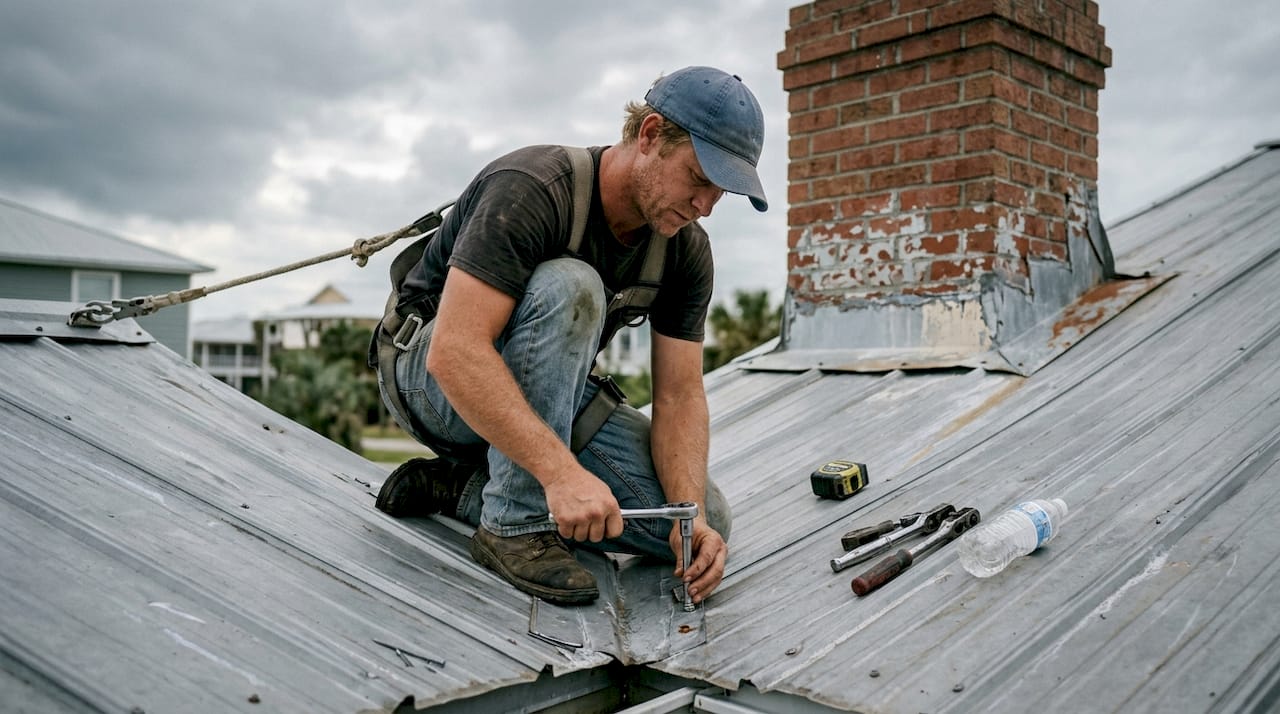
For siding, fiber cement delivers unmatched durability in coastal climates. This composite material resists moisture, insects, and impact damage while maintaining appearance for decades. Vinyl siding provides a budget-friendly alternative with good weather resistance, though it can crack under extreme impact. Stucco works well in southern Texas but requires proper installation and maintenance to prevent water intrusion through cracks.
Impact-resistant upgrades reduce coastal damage by 70%, making them essential for windows and doors. Impact-rated windows feature laminated glass that stays intact when struck by debris, preventing interior damage and maintaining your home’s envelope during storms. Reinforced entry doors with multi-point locking systems resist wind pressure and forced entry, protecting both property and occupants.
| Material | Durability | Cost | Maintenance | Storm Protection |
|---|---|---|---|---|
| Metal Roofing | 40-70 years | High | Very Low | Excellent wind and rain resistance |
| Fiber Cement Siding | 30-50 years | Medium-High | Low | Superior moisture and impact resistance |
| Impact Windows | 20-30 years | High | Low | Prevents debris penetration and pressure loss |
| Reinforced Doors | 20-40 years | Medium-High | Low | Withstands high winds and impact |
Pro Tip: Prioritize materials tested for high wind ratings and salt corrosion resistance specifically designed for coastal Texas environments. Look for products rated for wind speeds of at least 130 mph and those treated with corrosion-resistant coatings or made from non-corrosive materials like aluminum or fiber cement.
When selecting weather-resistant exterior materials, consider your property’s specific exposure. Homes directly on the coast face more severe salt exposure than those a few miles inland. Properties in hurricane-prone zones need higher wind ratings than those in areas with primarily rain and humidity concerns. Matching materials to your exact conditions ensures optimal performance and value.
Installation, maintenance, and upgrade strategies for lasting protection
Even the best weatherproof materials fail without proper installation. Professional contractors understand critical details like flashing integration, sealant application, and fastener placement that prevent water intrusion and wind damage. Proper siding installation requires attention to drainage planes, expansion gaps, and fastening patterns that amateur installations often miss. These details determine whether your exterior protects for decades or fails within years.
Maintaining your weatherproof exterior maximizes its protective lifespan and prevents small issues from becoming expensive problems. Follow this maintenance checklist to keep your system performing:
- Inspect all exterior surfaces every spring and fall for damage, gaps, or deterioration
- Clean gutters and downspouts to ensure proper water drainage away from your foundation
- Check and refresh caulking around windows, doors, and penetrations annually
- Wash siding and roofing to remove salt deposits and organic growth that accelerate wear
- Repair any damaged components immediately before the next storm season
- Trim vegetation away from exterior surfaces to prevent moisture retention and impact damage
Regular maintenance following this schedule can reduce storm damage by up to 40% according to industry data. The siding maintenance guide shows that homeowners who maintain consistent inspection and repair schedules save an average of 15% on long-term exterior costs compared to those who neglect routine care.
Upgrade timing matters as much as material selection. Target vulnerability points before storm season arrives, typically focusing on improvements during winter and early spring months. Replace aging components before they fail rather than waiting for emergency repairs during peak storm periods when contractors are overwhelmed and materials cost more. Strategic upgrades spread investment over time while continuously improving your property’s protection.
Pro Tip: Schedule professional exterior assessments every spring and fall to catch issues early before they develop into costly repairs. Many contractors offer free inspections that identify problems you might miss, and early detection prevents minor wear from becoming major failures during the next storm.
Consider the compounding benefits of exterior upgrade investments. Each improvement enhances overall system performance. New impact windows work better with updated door systems. Fresh siding performs optimally when paired with modern moisture barriers. Coordinated upgrades deliver greater protection than piecemeal replacements, making strategic planning essential for maximum value.
Comparing popular weatherproof exterior solutions for Texas homes
Choosing among weatherproof exterior options requires understanding how different systems perform under Texas coastal conditions. Each solution offers distinct advantages in durability, cost, and maintenance requirements. The right choice depends on your budget, property exposure, and long-term plans.
| Solution | Upfront Cost | Lifespan | Wind Resistance | Water Resistance | Maintenance Frequency | Coastal Suitability |
|---|---|---|---|---|---|---|
| Metal Roofing | $12-18/sq ft | 50+ years | Excellent (150+ mph) | Excellent | Every 5 years | Outstanding |
| Tile Roofing | $10-16/sq ft | 50+ years | Excellent (130+ mph) | Excellent | Every 3-5 years | Very Good |
| Modified Bitumen | $4-7/sq ft | 15-20 years | Good (110 mph) | Very Good | Annual | Good |
| Fiber Cement Siding | $8-12/sq ft | 30-50 years | Very Good | Excellent | Every 10-15 years | Outstanding |
| Vinyl Siding | $3-7/sq ft | 20-30 years | Good | Good | Every 5 years | Good |
| Impact Windows | $40-65/window | 20-30 years | Excellent (140+ mph) | Excellent | Minimal | Outstanding |
Weather-resistant roofing serves as your first line of defense against coastal storms. Metal systems excel in wind resistance and longevity, making them ideal for properties in high-exposure areas. Tile roofing provides comparable protection with traditional aesthetics preferred in some neighborhoods. Modified bitumen works for commercial buildings and flat residential applications, though it requires more frequent replacement than metal or tile.
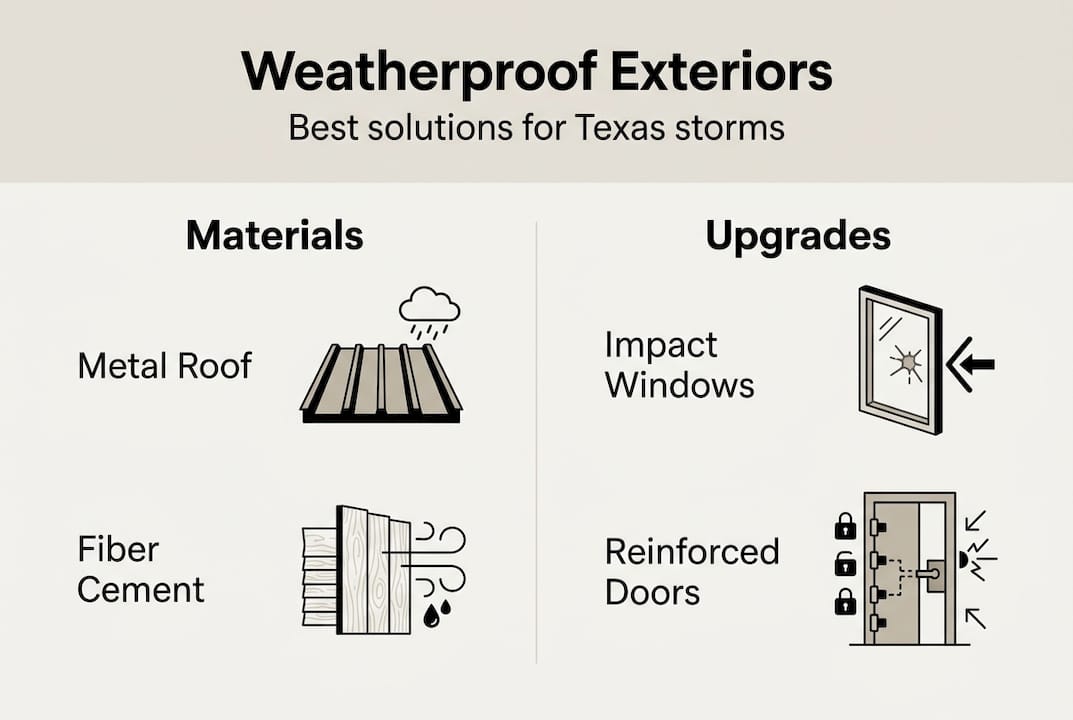
Siding choices balance protection, appearance, and budget. Fiber cement delivers premium performance justifying its higher cost through decades of maintenance-free service. Vinyl offers reasonable protection at lower prices, suitable for properties with moderate exposure or budget constraints. Stucco remains popular in southern Texas but demands expert installation and regular maintenance to prevent moisture problems.
Key considerations when comparing exterior siding options:
- Wind rating must meet or exceed local building codes for your exposure zone
- Moisture resistance should match your property’s humidity and rainfall patterns
- Impact resistance protects against flying debris during hurricanes and severe storms
- Maintenance requirements fit your schedule and budget for ongoing care
- Aesthetic compatibility with neighborhood standards and personal preferences
- Warranty coverage provides protection against premature failure or defects
Window and door systems complete your weatherproof envelope. Impact-rated products prevent the catastrophic pressure changes that occur when windows break during storms, protecting your entire structure. While more expensive than standard windows, impact-resistant units often qualify for insurance discounts that offset costs over time. They also improve energy efficiency and security, delivering multiple benefits beyond storm protection.
Coordinating storm-ready roof materials with complementary siding and window systems optimizes overall property protection. A metal roof paired with fiber cement siding and impact windows creates a comprehensive barrier against Texas coastal weather. This integrated approach delivers better performance than mixing premium and budget components, ensuring every element meets the same high standards for durability and weather resistance.
Explore expert weatherproof exterior solutions in Texas
Protecting your Texas coastal property requires expertise in materials, installation, and local weather patterns that only experienced professionals provide. Buffalo Roofing & Exteriors specializes in weatherproof exterior solutions designed specifically for the unique challenges facing homes and commercial properties along the Texas coast.
Our team understands how hurricanes, salt air, and humidity affect different materials and building assemblies. We recommend weather-resistant roofing systems proven to withstand coastal storms while providing decades of reliable protection. From initial assessment through final installation, we ensure every component meets the highest standards for durability and performance. Our comprehensive exterior solutions include roofing, siding, windows, and doors coordinated to create a complete weatherproof envelope for your property. We also offer expert guidance on siding options that balance protection, appearance, and budget to meet your specific needs. Contact us today for a professional assessment and discover how proper weatherproofing protects your investment for years to come.
Frequently asked questions
What are weatherproof exteriors?
Weatherproof exteriors are integrated building systems combining roofing, siding, windows, and doors specifically designed to resist harsh weather conditions. These components use materials and installation methods that prevent water intrusion, withstand high winds, and resist impact damage from flying debris. A properly weatherproofed home maintains structural integrity and interior comfort despite exposure to hurricanes, heavy rain, and coastal humidity.
How often should I maintain my weatherproof exterior in Texas?
Inspect your weatherproof exterior twice yearly, ideally in spring before hurricane season and in fall after peak storm months. Schedule professional assessments annually to identify issues requiring expert attention. Address any damage immediately rather than waiting for scheduled maintenance. This proactive approach prevents small problems from becoming expensive failures during the next major weather event.
Which materials perform best against Texas coastal storms?
Metal roofing, fiber cement siding, impact-resistant windows, and reinforced doors deliver the best performance in Texas coastal environments. These materials must meet local building codes for wind resistance, typically rated for sustained winds of 130 mph or higher. Look for products specifically tested for salt corrosion resistance and backed by warranties covering coastal installation. Proper installation by experienced contractors is equally important as material selection for achieving optimal storm protection.
Can weatherproof exteriors increase my property value?
Weatherproof exteriors significantly increase property value through multiple mechanisms. Buyers pay premiums for homes with durable, low-maintenance exteriors that reduce future repair costs. Impact-resistant upgrades often qualify for insurance discounts that improve affordability for purchasers. Enhanced curb appeal and energy efficiency make weatherproofed properties more attractive in competitive markets. Appraisers recognize the value of quality exterior systems when determining home values.
How do I know if my home needs weatherproof exterior upgrades?
Visible damage like cracked siding, missing shingles, or deteriorated caulking indicates immediate upgrade needs. Interior signs include water stains, drafts around windows and doors, and increasing energy bills from air leakage. Homes older than 15 years with original exteriors likely need upgrades to meet current weather resistance standards. Schedule a professional inspection to assess your exterior’s condition and receive specific upgrade recommendations based on your property’s exposure and current protection level.