TL;DR:
- Impact-resistant roofing, fiber cement siding, and storm-rated windows provide durable protection and boost home value.
- Upgrades like energy-efficient windows and insulation reduce energy bills by up to 15% and earn tax credits.
- Combining stormproofing, energy efficiency, and insurance discounts offers the best long-term protection and return on investment.
Living on the Texas coast means your home takes a beating year-round. Salt air corrodes surfaces, hurricane-force winds test every fastener, and summer heat drives energy bills through the roof. Smart exterior upgrades solve all three problems at once: they protect your property, reduce monthly costs, and lift the value of your home before the next storm season arrives. This article walks you through the most valuable upgrade options available to coastal Texas homeowners, from impact-resistant roofing to energy-certified windows, with real data and practical comparisons to help you make confident, informed decisions.
Table of Contents
- How to evaluate exterior upgrades: What matters most
- Top exterior upgrades for durability and storm protection
- Energy-efficient upgrades: Save money and increase comfort
- curb appeal and resale value: The aesthetic impact
- Summary comparison: Which exterior upgrades deliver the best value?
- A coastal pro’s perspective: What most guides miss about exterior upgrades
- Ready to protect and upgrade your coastal Texas home?
- frequently asked questions
Key Takeaways
| Point | Details |
|---|---|
| Storm durability | Upgrades like impact-resistant roofs and siding keep your home protected from severe weather and reduce repair costs. |
| Energy savings | Energy-efficient exteriors can lower bills by up to 15 percent and qualify for valuable tax credits. |
| Resale value | Fresh exteriors boost curb appeal and help homes sell faster for higher prices. |
| Insurance incentives | Many insurers offer premium discounts for homes with proven storm-resistant features. |
| Long-term ROI | Choosing quality upgrades pays off in less frequent replacements, fewer repairs, and real financial returns over time. |
How to evaluate exterior upgrades: What matters most
Before you spend a dollar, you need a clear way to sort good upgrades from great ones. In coastal Texas, not every product built for northern climates performs here. Four criteria should drive every decision you make.
1. Wind and moisture resistance. Salt air attacks metal fasteners, humid air feeds mold behind siding, and Category 3-plus winds expose every weak seam. Any material you choose must carry verified wind and impact ratings specific to Gulf Coast conditions.
2. Energy performance. Texas summers are brutal and long. Materials and systems that keep heat out of your walls and attic directly shrink your cooling bill. Better yet, energy-efficient upgrades qualify for the federal tax credit, which can cover up to 30% of eligible project costs under the Energy-efficient home improvement credit. The IRS confirms that exterior upgrades qualify for this program, so always verify eligibility with your tax professional before you buy.
3. Long-term cost-effectiveness. The cheapest option at purchase is rarely the cheapest option over ten years. Materials that need repainting every three years, warp in humidity, or crack under impact end up costing far more. Look at repair frequency, not just price per square foot. When you boost durability and savings with quality materials, the math usually favors the higher upfront spend.
4. Insurance incentives. Some carriers reward homeowners for verified storm-resistant upgrades with lower annual premiums. That discount compounds year after year.
- Wind and impact resistance rating
- Energy performance and certification (20 years or more)
- Insurance premium eligibility
- Local contractor warranty and service support
Pro tip: Look for materials with proven storm resistance and certified energy performance. These tend to offer the strongest long-term return on investment because they protect you from both repair bills and high energy costs at once.
Top exterior upgrades for durability and storm protection
When a named storm is heading toward the Texas coast, you want your home buttoned up and ready. These upgrades directly reduce your risk.
Impact-resistant roofing. Standard asphalt shingles may handle moderate rain but fail quickly under high wind and flying debris. Impact-rated shingles and metal panels hold up far better. The impact-resistant upgrades available today are built and tested specifically for Gulf Coast conditions.
The value of a storm-proof roof. The Insurance Institute for Business and Home Safety’s fortified construction standards show that durable materials like fiber cement siding and certified roofs reduce storm-related insurance claims and long-term repair costs compared to lower-grade options. That is a real financial outcome, not just marketing language.
“While the up-front cost of resilient upgrades in coastal Texas is higher, repeated replacement and repair costs for lower-grade materials far outweigh the investment.”
Storm-rated windows and doors. Standard double-pane windows can fail under debris impact. Storm-rated or impact glass is laminated to stay intact even when cracked, stopping wind and water from entering your home. This single upgrade prevents interior water damage that often costs more than the window itself to repair.
For siding, explore the protective siding options tested for coastal climates.
| Feature | Traditional vinyl siding | fiber cement siding | Standard asphalt roof | fortified roof |
|---|---|---|---|---|
| Wind resistance | Low to moderate | High | Low to moderate | Very high |
| Salt/moisture resistance | Poor to moderate | Very high | Poor | High |
| Expected lifespan | 10-20 years | 25-50 years | 15-20 years | 30-50 years |
| Insurance benefit | None | Yes | None | Yes, often reduced premiums |
| Average repair frequency | High | Low | High | Very low |
Energy-efficient upgrades: Save money and increase comfort
Storm protection grabs headlines, but energy efficiency is what your wallet feels every single month. Texas coastal homes stay hot for nine months of the year, which means inefficient windows and doors can add hundreds of dollars to your annual cooling bill.
What the data says. According to the 2026 windows factsheet, certified windows reduce energy bills by around 13% per year and qualify for up to 30% in federal tax credits. The IRS confirms credits of up to $600 for windows and skylights and $500 for doors, with ten-year savings estimates ranging from $1,000 to $5,800 depending on your current setup.
Those credits pair well with the long-term gains from boosting home value through exterior improvements.
| Product | Average installed cost | Max federal credit | Est. annual energy savings |
|---|---|---|---|
| energy star windows | $300 to $900 per window | $600 total | 7-13% of window-related costs |
| qualified exterior doors | $400 to $1,500 | $500 total | 5-8% of door-related costs |
| wall and attic insulation | $1,500 to $4,000 | 30% of cost (up to limit) | 10-15% of total energy bill |
Beyond the numbers. Better-sealed windows and insulated walls do more than reduce your bill. They cut down on outside noise, reduce indoor humidity swings, and keep your AC system from running at full blast every afternoon. That comfort factor matters too.
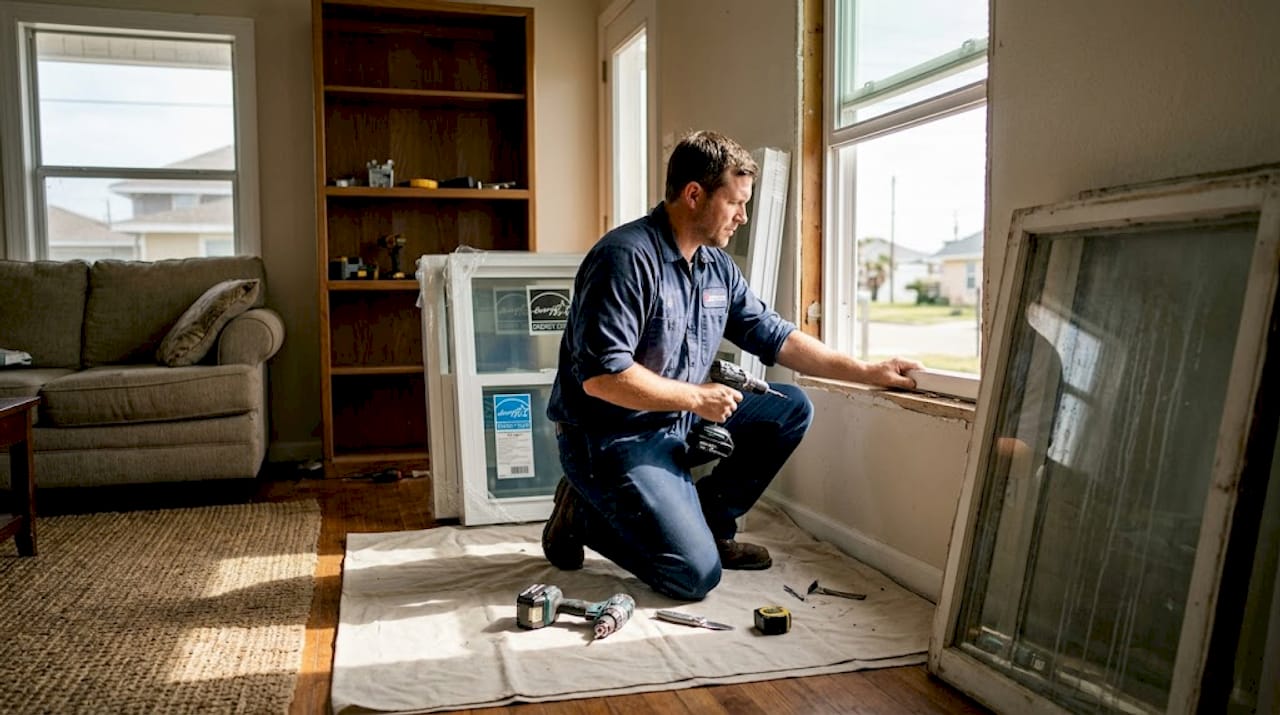
For ideas on combining these improvements, see energy-efficient exterior ideas tailored for Texas coastal homes.
Pro tip: Always confirm your product’s specific eligibility with a tax professional before ordering. Credit limits and qualifying product categories can shift, and you want to lock in your savings before installation.
curb appeal and resale value: The aesthetic impact
Numbers are compelling, but let’s be honest: you also want your home to look great. The good news is that the most durable upgrades are also some of the best-looking ones, and buyers notice.
First impressions are measurable. A home with fresh, storm-resistant surfaces and a modern exterior signals to buyers that the property has been well maintained. That perception translates directly to both listing price and days on market. Updated exteriors can add measurable value when selling and give you a genuine edge in competitive Texas coastal markets.
When thinking about enhancing property value, even modest improvements to the exterior create outsized impressions. And for commercial property owners, the business value of renovations works in exactly the same way.
Most valuable visual upgrades for Texas coastal homes:
- New fiber cement or composite siding in a color that handles salt air without fading
- Fresh exterior paint with mold-resistant, UV-stable formulas rated for humid climates
- New entry door or door surround with storm-rated glass panels
- Updated gutters and fascia in matching or complementary trim colors
- Impact-rated garage doors (often overlooked but visible from the street)
Simple changes like repainting a faded front door or replacing dated shutters can cost a few hundred dollars and immediately lift the home’s perceived value by thousands. These low-cost, high-impact changes are often the first thing a real estate agent recommends for a reason.
Summary comparison: Which exterior upgrades deliver the best value?
Now that each major upgrade category is clear, a side-by-side view helps you decide where to spend first. According to fortified construction data, the upfront investment in quality materials is offset by savings on energy, repairs, and insurance over time. That principle applies across every category below.
| upgrade | Cost range | Storm durability | Energy impact | Insurance benefit | curb appeal boost |
|---|---|---|---|---|---|
| fortified roofing | $10,000 to $25,000 | Very high | Low to moderate | Yes, significant | High |
| fiber cement siding | $8,000 to $20,000 | High | Low to moderate | Yes, some carriers | High |
| energy star windows/doors | $2,000 to $15,000 | High | Very high | Minor | High |
| Wall/attic insulation | $1,500 to $5,000 | Low | Very high | None | None |
When each upgrade wins:
- Storm-prone, flood-risk zones: Start with roofing and siding before anything else. These are your first line of defense.
- High energy bills: Windows, doors, and insulation deliver the fastest visible return on your monthly bill.
- Planning to sell within 3 years: Focus on curb-visible upgrades like siding, paint, and entry features, plus any storm certifications that appeal to buyers.
- All-around protection: The strongest combination is a certified roof, fiber cement siding, and energy-rated windows. That trio covers storm damage, efficiency, and resale value in one investment.
Explore more about why upgrade exteriors in Texas and what weather-resistant roofing options fit your specific neighborhood.
A coastal pro’s perspective: What most guides miss about exterior upgrades
Most articles compare costs and stop there. What they don’t tell you is that the cheapest installation often fails at the worst possible moment, right after a major storm. We’ve seen it firsthand in coastal Texas: a homeowner saves $3,000 by using standard shingles, then spends $18,000 repairing water damage two years later.
The real value of smart exterior upgrades isn’t just weather resistance. It’s the peace of mind that comes from knowing your home is prepared before the season’s first named storm. That confidence is worth something money can’t fully measure.
We’d also argue that combining storm-proofing with energy efficiency and insurance credits is the smartest financial play available to Texas coastal homeowners right now. These aren’t competing goals; they reinforce each other. A better roof reduces both storm risk and heat transfer. Better windows stop wind and cut your electric bill. For storm damage prevention tips that go beyond the basics, local knowledge matters more than any national guide.
“The best coastal Texas upgrades aren’t just about weathering the next storm. They’re about preserving your peace of mind, year after year.”
Always work with a contractor who knows your zip code’s specific wind zone, flood history, and insurance market. Generic advice can cost you.
Ready to protect and upgrade your coastal Texas home?
If you’re ready to move from reading to doing, Buffalo RoofingandExteriors makes that step easy. We’ve helped homeowners across the Texas Gulf Coast choose upgrades that hold up through storm season and pay back over time.
Whether you need fast storm damage restoration after last season or you’re planning ahead with best renovation ideas for your next project, our team brings local expertise to every estimate. Start with weather-resistant roofing options or ask us about a full exterior review. Free estimates are available, and financing options mean you don’t have to wait for the perfect budget moment to protect your home.
frequently asked questions
What are the best exterior upgrades for coastal Texas homes?
The best upgrades are impact-resistant roofing, fiber cement siding, and energy-rated windows or doors for maximum protection, efficiency, and value. fiber cement and fortified roofs consistently outperform cheaper materials in tough coastal weather.
How much can I save on energy bills with new exterior upgrades?
Energy-efficient upgrades like certified windows can cut your energy bills by 7 to 15%, for potential savings of $1,000 to $5,800 over 10 years. The 2026 energy star factsheet confirms an average 13% annual reduction from certified window upgrades.
Are there tax credits for exterior upgrades?
Yes, you can claim federal tax credits up to 30% of qualified costs, including up to $600 for windows and $500 for doors. The IRS home improvement credit outlines full eligibility requirements for 2026.
Can upgrades help lower my homeowners insurance?
Yes, verified storm-resistant upgrades like certified roofs and impact-rated windows can qualify for insurance discounts because they reduce your carrier’s risk exposure. fortified roof standards are specifically recognized by many Gulf Coast insurers.
What upgrades offer the best return on investment for resale?
New siding, fresh exterior paint, and entry upgrades provide the most curb appeal and help homes sell faster and often at higher prices. Updated exteriors add measurable value in the competitive Texas coastal real estate market.
Recommended
- How Exterior Upgrades Boost Property Value in Coastal Texas
- Why upgrade building exteriors? Boost durability and savings
- Why exterior renovations matter for coastal Texas homes
- Why upgrade exterior windows? Boost safety, savings, and comfort
- Boost property value and prevent damage with preventative landscaping
- Roofing Company San Antonio TX