

TL;DR:
- Old windows in coastal Texas waste up to 40% of cooling energy, leading to higher bills and discomfort. Upgrading to modern, impact-resistant, energy-efficient windows can reduce energy costs by 12-15% and enhance home resilience and comfort. Proper installation and climate-specific features are vital to maximize the benefits and ensure long-lasting performance.
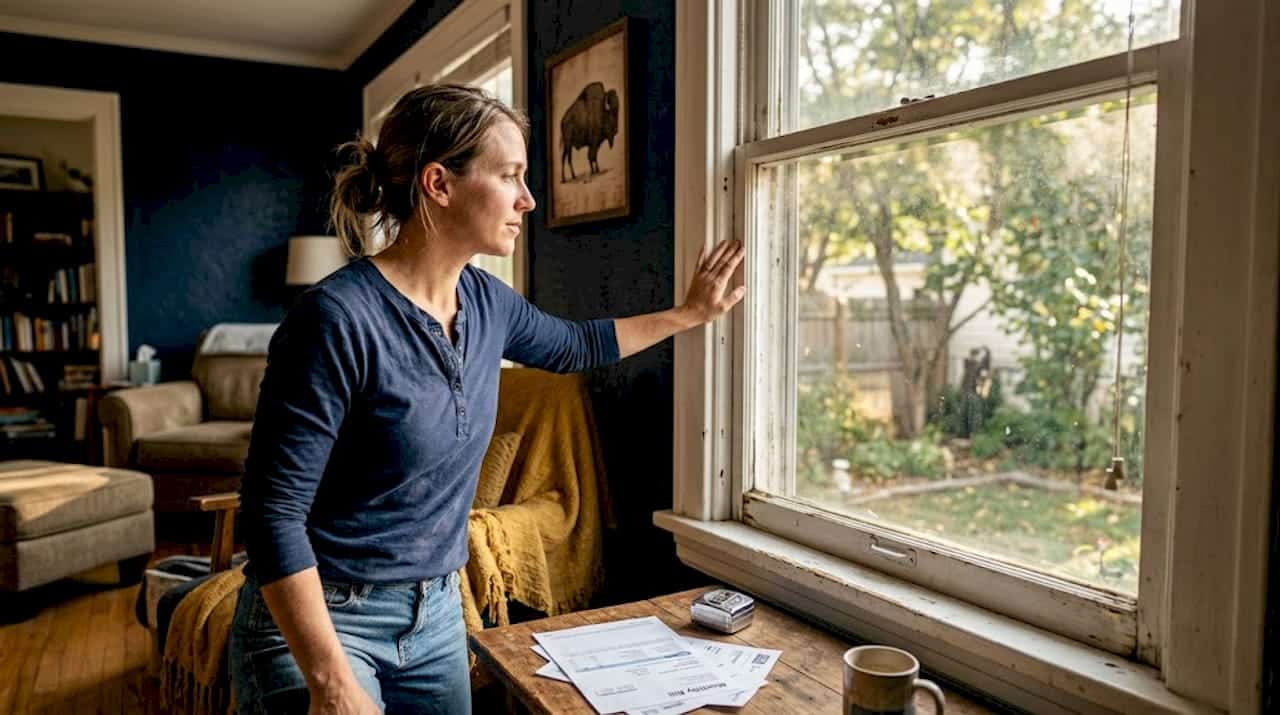
If you’ve ever stood near a window in your Corpus Christi home during July and felt the heat radiating straight through the glass, you already understand the problem. What you may not realize is just how much that discomfort is costing you every single month. Old windows can waste 25-40% of cooling energy, and in a coastal Texas climate where your air conditioner runs almost year-round, that adds up fast. Energy-efficient window replacement isn’t a luxury upgrade. For homeowners along the Gulf Coast, it’s one of the smartest financial and comfort decisions you can make.
Table of Contents
- Why old windows cost you more: The science behind energy loss
- What makes a window energy-efficient? Key features and technologies
- How much can you save? Costs, payback, and resale value
- Choosing the best replacement windows for coastal Texas
- Our take: Why window upgrades are more than just ‘energy savings’
- Ready to upgrade? Connect with trusted local experts
- Frequently asked questions
Key Takeaways
| Point | Details |
|---|---|
| Major energy waste | Old windows can waste up to 40% of your cooling energy, especially in Texas. |
| Big savings potential | Replacing windows can save homeowners $150-500 annually and up to 30% in cooling costs. |
| Resale value boost | Energy-efficient upgrades recoup 60-78% of their cost at resale. |
| Coastal climate factors | Choose windows that are built to withstand storms, salt air, and intense sunlight. |
Why old windows cost you more: The science behind energy loss
Having a beautiful view from your living room doesn’t mean much if your windows are quietly draining hundreds of dollars from your wallet each year. The relationship between old windows and high energy bills is more direct than most homeowners expect, and it starts with how heat moves through glass and around frames.
When cool air escapes through gaps in seals, single-pane glass, or warped frames, your HVAC system has to work harder to maintain the temperature you set on the thermostat. It’s running longer cycles, consuming more electricity, and wearing itself out faster. In coastal Texas, where summer heat and humidity push cooling systems to their limits from April through October, this problem is amplified significantly.
The numbers are hard to ignore: old windows waste 25-40% of your home’s cooling energy, costing Texas homeowners an estimated $150 to $500 every year in wasted energy alone.
The main causes of energy waste through windows include:
- Single-pane glass that provides almost no thermal resistance against Texas heat
- Failed or degraded seals around the frame that allow air infiltration
- Aluminum frames that conduct heat and cold, creating thermal bridges into your home
- No low-emissivity (low-E) coating, meaning infrared heat passes directly through the glass
- Older glazing compounds that shrink and crack over time, opening microscopic gaps
Understanding replacing old windows benefits goes beyond just lower bills. It means your rooms feel more consistent, your furniture fades less, and your AC isn’t cycling on every 15 minutes. There’s also a real environmental benefit: reducing environmental impact with window films and upgraded glazing cuts the carbon footprint of your home.
| Issue | Estimated annual energy cost | Potential annual savings |
|---|---|---|
| Single-pane windows (1,500 sq ft home) | $400-600 above baseline | $150-300 |
| Failed seals on double-pane | $200-350 above baseline | $100-200 |
| No low-E coating in full sun exposure | $250-400 above baseline | $120-250 |
| Combination of all issues | Up to $800+ above baseline | $300-500+ |
Pro Tip: Walk around your home on a windy day and hold a lit candle or a thin piece of tissue paper near the edge of each window frame. If it flickers or moves, you have an air leak. Poor seals are often invisible but very costly, and they’re one of the easiest problems to confirm before calling a contractor.
The good news is that upgrading exterior windows directly addresses every one of these failure points. Modern windows are engineered from the ground up to eliminate the weak spots that older models were never designed to handle.
What makes a window energy-efficient? Key features and technologies
Understanding the causes of energy waste helps you ask the right questions when shopping for replacements. Not all windows labeled “energy-efficient” are equal, especially for homes sitting five miles from the Gulf of Mexico.
True energy-efficient windows combine several technologies working together. Each feature addresses a specific weakness that older windows have:
- Double or triple pane glass with insulating gas (usually argon or krypton) trapped between layers
- Low-E coatings, which are microscopically thin metallic layers that reflect infrared heat while allowing visible light through
- Warm-edge spacers that reduce heat transfer at the edge of the glass unit
- Vinyl or fiberglass frames that don’t conduct heat the way aluminum does
- Compression seals and weatherstripping that create a genuine barrier against air infiltration
- ENERGY STAR certification with ratings specific to the hot-humid climate zone that covers most of coastal Texas
Research confirms that 12-15% total energy savings are realistic for most homes, with cooling savings potentially reaching 15-30% in Texas climates where air conditioning dominates the energy bill. That’s not a marketing claim; those are empirical benchmarks.
Innovations in double glazing renovation have also improved dramatically over the past decade. What was once a premium product reserved for high-end construction is now accessible at multiple price points.
| Feature | Old standard window | Modern energy-efficient window |
|---|---|---|
| Glass layers | Single pane | Double or triple pane with gas fill |
| Frame material | Aluminum | Vinyl, fiberglass, or wood composite |
| Coating | None | Low-E coating, UV blocking |
| Seals | Basic glazing compound | Multi-point compression seals |
| U-factor (heat transfer) | 0.8-1.2 | 0.20-0.35 |
| Solar heat gain coefficient | 0.7-0.9 | 0.20-0.30 for Texas climate |
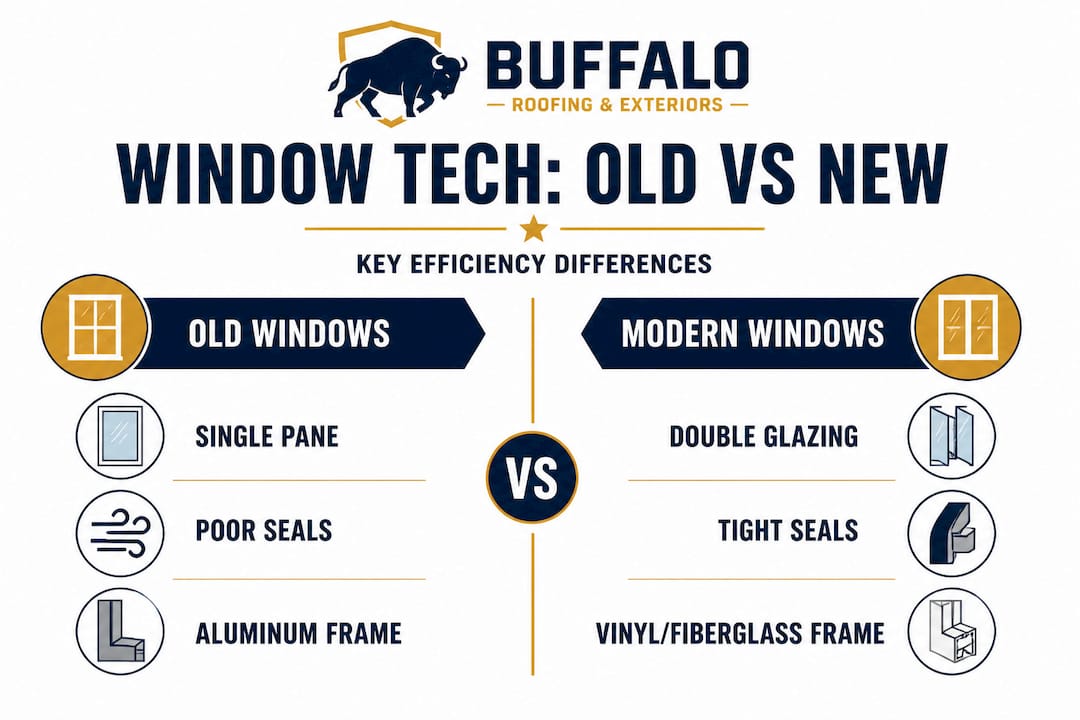
The U-factor measures how well a window prevents heat from escaping or entering. The lower it is, the better. The solar heat gain coefficient (SHGC) measures how much solar radiation passes through. For coastal Texas, you want a low SHGC to block the intense sun while still letting natural light in.
Pro Tip: When comparing windows, always ask for the ENERGY STAR label and confirm it’s rated for the “South-Central” or “Southern” climate zone. A window certified for a northern climate won’t perform the same way in Corpus Christi or Victoria.
The window installation in Texas process also matters as much as the product itself. Even the best window can underperform if it’s installed without proper sealing and flashing. The benefits of exterior upgrades extend to moisture resistance and curb appeal when installation is done correctly from the start.
How much can you save? Costs, payback, and resale value
Armed with knowledge about energy-efficient features, it’s time to examine how investment translates to dollars and value. This is where most homeowners get stuck, because the upfront cost feels significant without a clear picture of the return.
Texas homeowners who make the switch typically see annual savings of $150-500 per home, with a payback period ranging from 8 to 15 years on energy savings alone. When you factor in resale value, the picture improves considerably, with homeowners typically recouping 60-78% of the project cost at resale.
Cooling savings in Texas can reach up to 30%, which means a household spending $2,400 annually on electricity could see $720 in yearly savings on cooling costs alone.
Here’s how to estimate your own savings:
- Find your current annual electricity bill total. Look at 12 months of utility statements to get an accurate annual figure.
- Identify the percentage attributed to cooling. In coastal Texas, cooling typically accounts for 40-60% of total electricity use.
- Apply the savings range. Multiply your cooling costs by 0.15 to 0.30 to estimate your annual savings after replacement.
- Get a replacement quote. Compare that annual savings number against your project cost to calculate a rough payback period.
- Add in resale value. If you plan to sell within 10 years, add the estimated resale recoup to your total return calculation.
| Project scope | Estimated upfront cost | Annual energy savings | Payback period | Resale value recouped |
|---|---|---|---|---|
| 5-8 windows, standard size | $3,500-7,000 | $150-300 | 12-15 years | 60-70% |
| Full home replacement (10-15 windows) | $7,000-15,000 | $300-500 | 10-15 years | 65-78% |
| High-performance coastal grade | $10,000-20,000 | $400-600+ | 8-12 years | 70-78% |
Understanding window replacement costs in detail helps you budget realistically. The size of your windows, the frame material you choose, and the number of units being replaced all affect the final number. What these figures show clearly is that window replacement is a legitimate investment, not just a home improvement expense.
Looking at exterior upgrades in 2026, window replacement continues to rank among the top projects for both comfort return and financial return in Texas markets.
Pro Tip: Factor in both sides of the equation when budgeting. Energy savings are the guaranteed annual return. Resale value is a one-time payout when you sell. Together, they often make the total return better than most home improvement projects you might consider.
Choosing the best replacement windows for coastal Texas
With financial and energy considerations covered, the next step is making smart product choices for local climate demands. Coastal Texas presents a unique combination of challenges that inland markets simply don’t face.
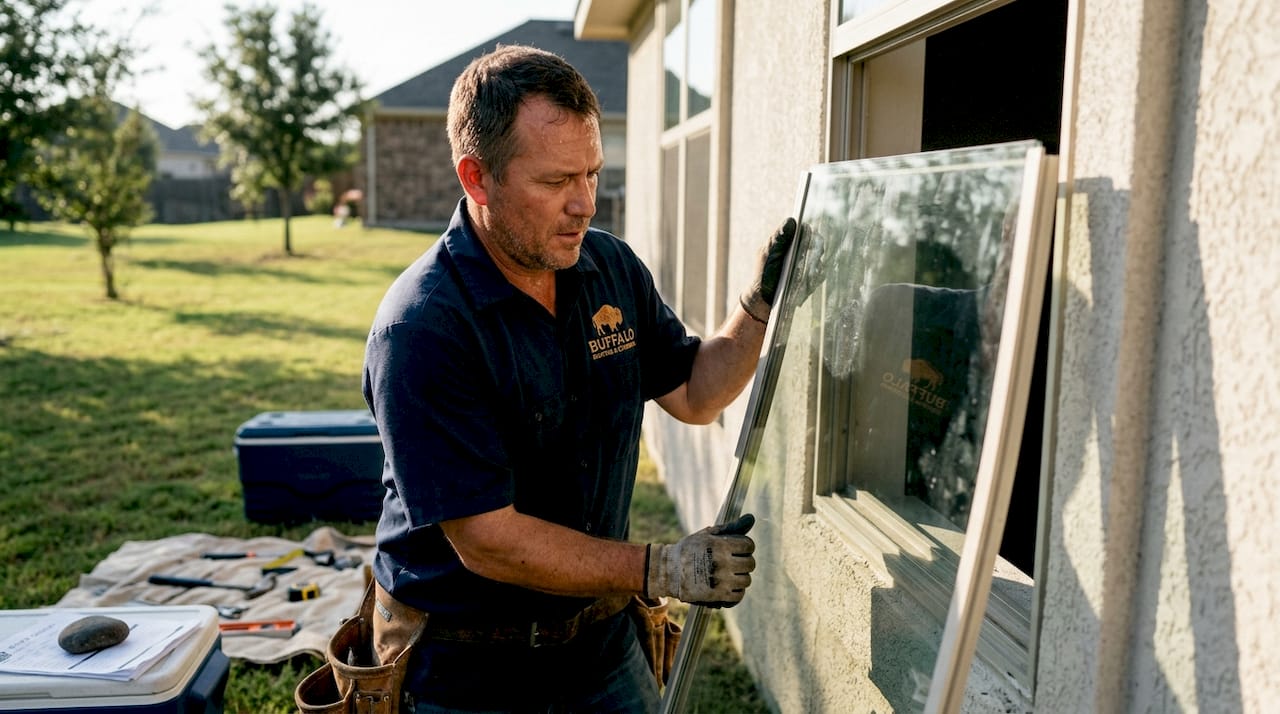
You’re dealing with intense UV radiation, salt air corrosion, high humidity, and the constant threat of tropical storms and hurricanes. A window that performs beautifully in suburban Dallas may fail within a few years in Corpus Christi or Rockport. The right window for your home needs to address all of these factors together.
Cooling energy savings can reach 15-30% in Texas homes when the product is properly matched to the climate and installed correctly. That match starts with choosing the right specifications.
When selecting weather-resistant windows for Texas, prioritize these criteria:
- Impact resistance or storm-rated glass to handle flying debris during tropical weather events
- Corrosion-resistant hardware and frames, since aluminum and standard steel will degrade quickly in salt air environments
- High UV blocking capability to protect your flooring, furniture, and finishes from fading
- Low SHGC ratings (0.25 or lower) specifically designed for south-facing and west-facing exposures
- Proper NFRC ratings showing certified performance, not just manufacturer claims
- Warranty terms that cover coastal environments, since some window warranties exclude salt-air locations
There’s a meaningful difference between a window that’s simply “double-pane” and one that’s engineered for durable exterior upgrades in Gulf Coast conditions. Working with a contractor who understands local climate requirements helps you avoid buying a product that looks great in a showroom but underperforms in your actual environment.
For homeowners weighing their options, choosing the best window solution for your specific exposure and budget is something a qualified local contractor can help you navigate with confidence.
Pro Tip: Select vinyl or fiberglass frames over aluminum for any home within 10 miles of the coast. Salt air attacks aluminum at the molecular level, leading to pitting, staining, and eventually compromised seals. The upgrade in frame material pays for itself in longevity alone.
Our take: Why window upgrades are more than just ‘energy savings’
Every guide you’ll read about energy-efficient windows leads with the utility bill story. Lower your bills, save money, done. And yes, the financial case is real and significant. But after working with homeowners across Corpus Christi, Victoria, and San Antonio, we’ve seen something that the numbers don’t fully capture.
The homeowners who feel most satisfied with their window replacements aren’t talking about their electric bills at the end of the day. They’re talking about how quiet their house is now. They’re noticing that the master bedroom doesn’t feel like a sauna at 3 PM anymore. They’re finding that their kids sleep better because road noise from outside has dropped noticeably.
Good windows are also a form of peace of mind in a way that very few home upgrades can match. When a tropical storm is forecast for the Gulf and you have impact-rated, storm-resistant windows installed, you sleep differently the night before the storm arrives. That’s not something a payback period calculation can quantify.
There’s also a lifestyle dimension to upgraded windows that most guides completely ignore. Natural light quality changes with better glass. Rooms that used to feel harsh and hot in the afternoon start to feel comfortable and inviting. Furniture and artwork that were slowly being destroyed by UV exposure are now protected. These aren’t minor details. They change how you experience your home every single day.
We think about window replacement as one part of a broader approach to exterior upgrade benefits for coastal homes. Your windows, your roofing, your siding, and your exterior finishes all work together as a system. Upgrading windows in isolation helps, but when it’s part of a thoughtful exterior renovation, the results are dramatically more satisfying and durable.
The uncomfortable truth is that most homeowners wait too long. They endure years of discomfort, high bills, and growing storm anxiety before making a move. The math almost always shows that upgrading sooner rather than later is the smarter financial decision, and the quality-of-life improvement starts on day one.
Ready to upgrade? Connect with trusted local experts
Window replacement is one of the most impactful exterior improvements you can make to a coastal Texas home, but the results depend heavily on product selection and installation quality. A poorly installed energy-efficient window is worse than no upgrade at all, and the wrong product for your climate zone will underperform no matter how good it looks on paper.

At Buffalo Roofing & Exteriors, we specialize in exterior renovations built specifically for Gulf Coast conditions. We understand the salt air, the hurricane seasons, and the relentless summer sun that makes window selection so critical in this region. Whether you’re replacing a few aging units or doing a full home upgrade, our team brings local expertise to every project. Explore our exterior renovation guide to understand the full scope of what’s possible, browse exterior renovation ideas for coastal Texas homes, or connect directly with our window renovation experts for a free estimate tailored to your home.
Frequently asked questions
What is the typical payback period for energy-efficient window replacement?
Most Texas homes recoup their window replacement investment through energy savings alone in 8-15 years, and sooner when you factor in the increase in resale value.
How much energy can I save by replacing windows?
Texas homeowners typically see 12-15% total energy savings overall, with cooling cost reductions that can reach up to 30% in homes with significant sun exposure.
Will new windows improve my home’s resale value?
Yes. Homeowners can typically expect to recoup 60-78% of their investment in resale value, making window replacement one of the stronger exterior projects for return on investment.
Which window features matter most for coastal Texas homes?
Storm resistance, UV-blocking low-E coatings, corrosion-resistant vinyl or fiberglass frames, and a low solar heat gain coefficient are the most critical features for homes along the Texas Gulf Coast.
Recommended
- Why Replace Old Windows? Protect, Save, and Beautify Your Texas Home
- Why upgrade exterior windows? Boost safety, savings, and comfort
- Windows | Buffalo Roofing & Exteriors | San Antonio to Corpus Christi, TX
- Boost storm protection with weather-resistant windows
- Energiezuinige materialen voor raamdecoratie: bespaar energie