
TL;DR:
- Impact-resistant windows utilize laminated glass bonded with polymer interlayers to maintain the building envelope during severe storms. They protect homes by sealing openings against debris impact and high wind pressure, offering additional benefits like energy savings, noise reduction, and increased property value. Proper installation and certification verification are essential to ensure these windows perform effectively and provide long-term protection.
Impact-resistant windows are engineered window systems that use laminated glass bonded with polymer interlayers inside reinforced frames to prevent breakage and maintain the building envelope during severe storms. The industry term is “impact-resistant glazing,” though most contractors and homeowners use “impact windows” or “hurricane windows” interchangeably. These systems are tested to ASTM E1886/E1996 and Miami-Dade TAS 201/202/203 standards, which measure resistance to windborne debris and cyclic wind pressure. For homeowners and property developers in coastal Texas and other storm-prone regions, understanding what these windows actually do, and what they don’t do, is the difference between a smart investment and an expensive mistake.
What are impact-resistant windows and how do they work?
Impact-resistant windows protect your home through a specific construction method, not simply thicker glass. The core technology is laminated glass with PVB or SGP interlayers bonded between two glass panes. When debris strikes the glass, it cracks but stays bonded to the interlayer, keeping the opening sealed. This is the critical distinction from standard or tempered glass, which shatters and creates an open breach in your home’s exterior.
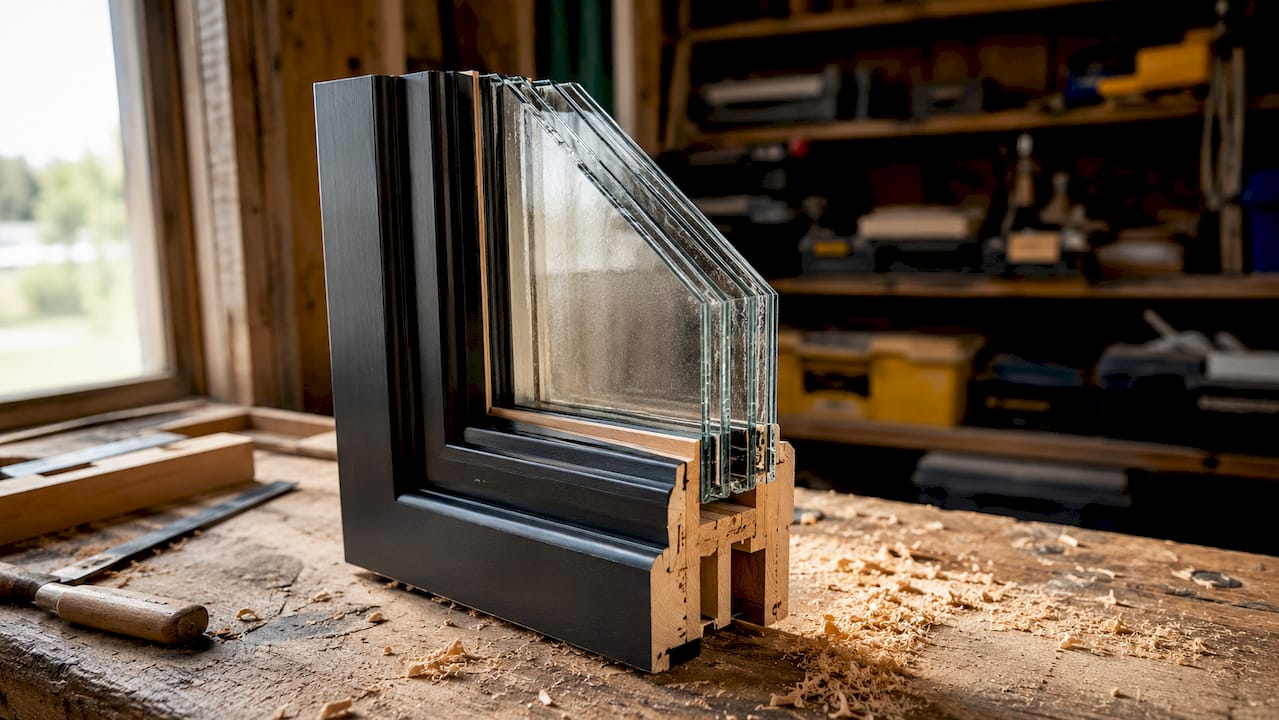
The frames matter just as much as the glass. Aluminum, vinyl, and composite frames are the three standard materials, each engineered to flex under wind load without separating from the wall opening. The frame-to-wall connection uses structural anchoring systems that transfer wind pressure into the building structure rather than concentrating stress at the glass edge.
Here is how the protection sequence works during a storm:
- Debris impact: A windborne object strikes the glass. The outer pane cracks but the interlayer holds the fragments in place.
- Pressure cycling: Wind pressure fluctuates rapidly during a hurricane. The laminated assembly and reinforced frame flex without failing.
- Envelope integrity: Because the window stays sealed, your home avoids rapid internal pressurization. Keeping window openings sealed during a storm prevents the pressure buildup that causes roof failures from the inside out.
- Post-storm function: The window remains in place and functional, even if the outer pane is cracked, until replacement is scheduled.
Testing protocols are specific. Windows must withstand a 9-lb 2×4 projectile fired at 50 feet per second, followed by repeated pressure cycling. Sustained winds over 150 mph are part of the test envelope for the highest-rated products. A window that passes these tests earns certification. One that doesn’t is simply not an impact window, regardless of how it is marketed.
Pro Tip: Ask your contractor for the actual test report number for any window they propose. Certified products carry a label with the testing laboratory, standard, and performance grade. If a contractor cannot produce this documentation, walk away.
Key benefits of impact windows beyond storm protection
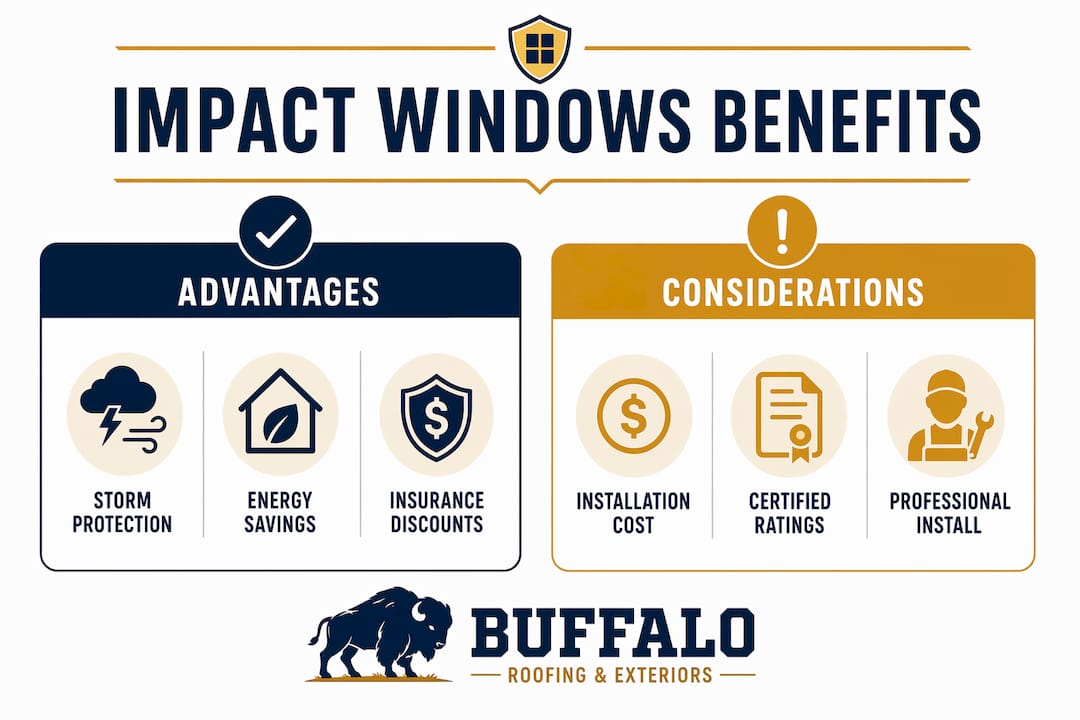
Storm protection is the headline benefit, but it is not the only reason coastal homeowners choose these windows. The financial and comfort advantages stack up across multiple categories.
- Energy savings: Impact windows with insulated glass and Low-E coatings reduce cooling costs by 20% to 40% annually. In a hot climate with typical cooling expenses of $2,000 to $2,400 per year, that translates to $500 to $800 in annual savings. For a home in Corpus Christi running air conditioning nine months a year, this benefit alone justifies a significant portion of the installation cost. Pairing impact windows with energy-efficient window replacement strategies compounds those savings further.
- Noise reduction: The same laminated interlayers that stop debris also dampen sound transmission. External noise drops by 30% to 50% after installation. Acoustic insulation is consistently cited as an underappreciated benefit by homeowners who install these windows near busy roads or flight paths.
- Insurance premium reductions: Insurers recognize the reduced storm risk. Annual premium reductions of $300 to $800 are common in coastal zones when impact windows are installed throughout the home. Savings vary by insurer and region, so request a quote adjustment from your carrier before and after installation.
- Security against forced entry: Laminated glass resists repeated strikes far better than standard glass. Smash-and-grab entry attempts that succeed in seconds against regular windows can take several minutes against impact glazing, which is long enough to deter most opportunistic break-ins.
- Property value and resale speed: Installing impact windows increases home resale value by 7% to 10% and can speed home sales by up to 20%. On a $500,000 home, that value gain reaches $35,000 to $50,000. Buyers in storm-prone markets actively search for homes with certified impact windows, which shortens time on market.
Pro Tip: When calculating your return on investment, add the insurance savings, energy savings, and value increase together. Most homeowners in coastal Texas recover 70% to 85% of their installation cost at resale, with ongoing annual savings reducing the net cost every year they stay in the home.
The “always-on” advantage over shutters is worth stating plainly. Storm shutters require deployment before a storm and storage afterward. Impact windows provide continuous storm protection every hour of every day without any action from the homeowner.
Impact-resistant windows vs. standard and hurricane windows
The terminology around these products creates genuine confusion. “Impact windows,” “hurricane windows,” and “impact-resistant windows” refer to the same engineered laminated glass systems tested to resist a 9-lb 2×4 projectile and cyclic pressures. The names are marketing variations, not technical distinctions.
The real comparison that matters is impact windows versus standard or tempered glass windows.
| Feature | Impact-resistant windows | Standard glass windows | Tempered glass windows |
|---|---|---|---|
| Glass type | Laminated with PVB/SGP interlayer | Single or double pane annealed glass | Heat-treated single pane |
| Breakage behavior | Cracks but stays intact | Shatters into large shards | Shatters into small fragments |
| Building envelope | Maintained after impact | Breached immediately | Breached immediately |
| Wind pressure resistance | Tested to 150+ mph | Not rated for wind load | Not rated for wind load |
| Debris resistance | Certified per ASTM E1886/E1996 | None | None |
| Noise reduction | 30% to 50% reduction | Minimal | Minimal |
| Hurricane code compliance | Yes, in certified products | No | No |
One misconception worth addressing directly: no window is “hurricane-proof.” Impact windows are tested under specific laboratory conditions that represent severe but defined scenarios. A direct hit from a Category 5 tornado or an unusually large debris object can still cause failure. The certification means the window performs to a defined standard, not that it is indestructible. Skepticism toward absolute marketing claims is warranted.
What to consider when selecting and installing impact windows
Choosing the right window starts with understanding the rating system. Three metrics define performance:
- Design Pressure (DP) rating: Measures the wind load the window can withstand in pounds per square foot. Coastal homes in Texas typically require DP 50 or higher. Higher floors and more exposed locations need higher DP ratings.
- Missile Level (ML) rating: Defines the size and speed of debris the window can resist. Coastal homes require higher ML-rated windows than inland properties to meet code. ML-D and ML-E ratings cover large missile impacts and apply to most coastal Texas applications.
- Performance Grade (PG) rating: A combined score that accounts for structural load, water resistance, and air infiltration. A higher PG number indicates a more capable window.
Local building codes in Corpus Christi, San Antonio, and Victoria specify minimum ratings for new installations and replacements. Pulling a permit is not optional. Unpermitted window installations can void your homeowners insurance coverage and create liability issues when you sell the property.
Installation quality determines whether a certified window actually performs to its rating. Incorrect mounting or sealant application can negate the window’s performance entirely and void the manufacturer’s warranty. The anchoring system must transfer load into the structural framing, not just the drywall or stucco. Verify that your contractor holds a current state license and carries liability insurance before signing any contract.
Pro Tip: Request that your contractor pull the permit in their name. A contractor who insists you pull it yourself is signaling that they may not be licensed to do the work. Licensed contractors in Texas are legally responsible for the work they permit.
Key takeaways
Impact-resistant windows protect your home by keeping the building envelope sealed under debris impact and high wind pressure, while also delivering measurable energy, noise, and financial benefits.
| Point | Details |
|---|---|
| Core technology | Laminated glass with PVB or SGP interlayers keeps cracked glass intact and the opening sealed. |
| Storm protection mechanism | Sealed windows prevent internal pressurization that causes roof failures during hurricanes. |
| Energy and financial savings | Low-E coatings cut cooling costs 20% to 40%; resale value increases 7% to 10%. |
| Insurance and noise benefits | Annual premium reductions of $300 to $800 and noise reduction of 30% to 50% are documented. |
| Installation is non-negotiable | Improper anchoring voids warranties and negates certified performance regardless of window grade. |
What I’ve learned after years of coastal exterior work
The most common mistake I see homeowners make is buying a certified window and then accepting the lowest bid for installation. The window is only as good as its connection to your home. A DP 65 window anchored with the wrong fastener spacing performs like a standard window when the storm arrives. The certification is on the product. The performance is on the installer.
I also want to push back on the framing that impact windows are purely a storm product. In coastal Texas, the energy savings argument is often stronger than the storm argument for homeowners who have never experienced a direct hit. A $600 annual reduction in cooling costs and insurance premiums combined pays back a meaningful portion of the installation cost every single year. The storm protection is the reason you buy them. The energy and noise benefits are the reason you never regret it.
One more thing: verify certifications yourself. The Florida Product Approval database and the Miami-Dade NOA (Notice of Acceptance) database are publicly searchable. If a product claims Miami-Dade approval, you can confirm it in under two minutes. Contractors who discourage this verification are not contractors you want working on your home.
— Buffaloroofingandexteriors
How Buffaloroofingandexteriors can help with your window project
Buffaloroofingandexteriors serves homeowners across Corpus Christi, San Antonio, and Victoria with exterior renovation services that include impact window consultation, supply, and installation. The team handles permitting, certified anchoring, and post-installation inspection so your windows perform to their rated specification from day one.
If you are ready to protect your home and reduce your energy costs, exterior renovation services from Buffaloroofingandexteriors cover the full scope from initial assessment to final inspection. For homeowners dealing with existing storm damage, the storm damage restoration team is available for fast response across the Texas Gulf Coast. Contact Buffaloroofingandexteriors for a free estimate and find out which window ratings your home requires under current local building codes.
FAQ
What is the difference between impact windows and regular windows?
Impact windows use laminated glass with a polymer interlayer that holds cracked glass in place, maintaining the building envelope. Regular windows shatter on impact and immediately breach the home’s exterior, allowing wind and water intrusion.
How much do impact-resistant windows cost to install?
Installation costs vary by home size, window count, and performance grade required. The investment typically recovers 70% to 85% at resale, with annual energy and insurance savings of $800 to $1,600 reducing the net cost over time.
Do impact windows eliminate the need for hurricane shutters?
Yes. Certified impact windows provide continuous protection without deployment, making shutters redundant for openings they cover. This “always-on” protection is one of the primary reasons coastal homeowners choose them over shutter systems.
What ratings should I look for when buying impact windows in coastal Texas?
Coastal Texas homes generally require a minimum DP 50 rating and Missile Level D or E certification. Higher floors and more exposed elevations need higher ratings. Your local building department specifies the minimums for your specific location.
Does professional installation really matter that much?
Improper anchoring or sealant voids manufacturer warranties and negates the window’s certified performance. A licensed contractor who pulls the permit is the only way to guarantee the window performs as rated during an actual storm.